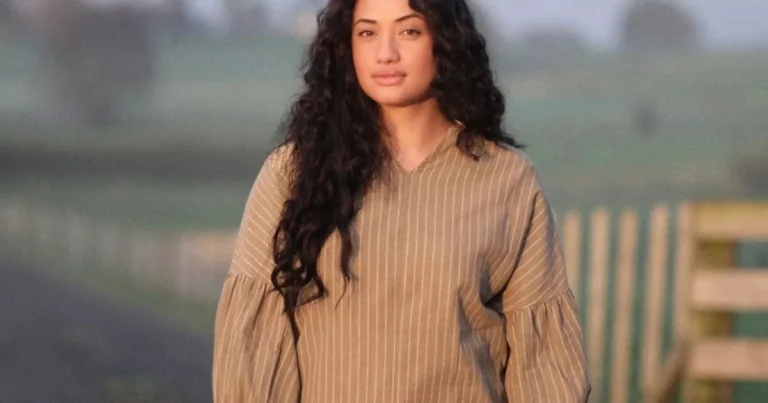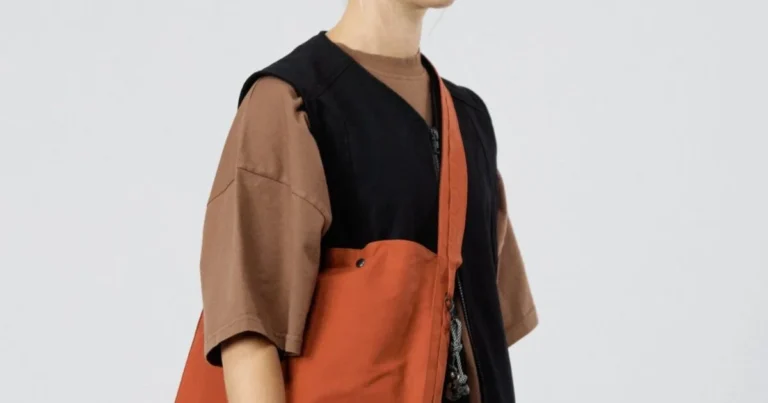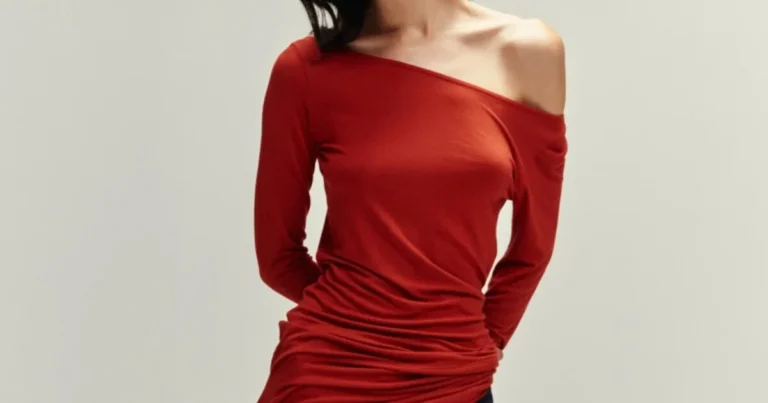











As seasonal temperatures climb to record-breaking highs across the Northern Hemisphere, consumers and fashion retailers alike are confronted with the annual challenge of balancing comfort against environmental responsibility. Heatwaves invariably trigger a surge in demand for lightweight, breathable apparel designed to mitigate sweltering conditions. Among the myriad textiles marketed for summer wear, linen has steadily emerged as the gold standard for warm-weather dressing, praised as much for its exceptional thermal properties as for its comparatively low ecological footprint. However, navigating the modern fashion landscape requires a discerning eye, as not all garments marketed as linen adhere to sustainable production standards. In response to this growing consumer demand, lifestyle and ethical fashion watchdogs have increasingly focused on curating transparent, highly rated brands that offer genuine alternatives to fast fashion. This comprehensive market overview examines the intrinsic qualities of linen, the complexities of its manufacturing supply chain, and highlights a curated selection of ethical labels—including industry pacesetters like PANGAIA and LA Relaxed—that are redefining summer style through rigorous sustainability metrics.
The Environmental Profile of Flax and Linen Production
To understand why linen has earned its reputation as a sustainable textile, one must examine its agricultural origins. Derived from the inner stalk fibers of the resilient flax plant (Linum usitatissimum), linen boasts a significantly lower environmental impact than conventional cotton or synthetic alternatives such as polyester and nylon. Flax is a remarkably hardy crop capable of thriving in poor-quality soil that is unsuitable for food production. Furthermore, it requires a fraction of the water resources demanded by cotton cultivation, which is notoriously water-intensive.
Agronomists point out that flax plants generally do not require heavy applications of synthetic pesticides or artificial fertilizers to flourish. This natural resilience drastically reduces the runoff of agricultural chemicals into local waterways, thereby preserving aquatic ecosystems. Yet, consumers and sustainable fashion advocates must maintain a nuanced perspective regarding the linen supply chain. While the agricultural phase of flax cultivation is inherently low-impact, the subsequent industrial processes required to transform raw plant stalks into wearable garments can introduce significant environmental vulnerabilities.
The Industrial Transformation: Retting, Dyeing, and Chemical Treatments
The transition from raw flax to finished textile involves several complex stages, most notably retting—the process of loosening the fibers within the plant stalk—and subsequent spinning, weaving, and dyeing. Historically, retting was achieved through natural dew-retting, but modern industrial production frequently utilizes water-retting or chemical interventions to accelerate output. Furthermore, conventional dyeing, bleaching, and finishing processes often rely on heavy chemical inputs, some of which can pollute local water systems if wastewater treatment facilities are inadequate.
To mitigate these ecological risks, sustainability experts emphasize the importance of seeking out certified organic linen. Certifications such as the Global Organic Textile Standard (GOTS) provide consumers with verifiable assurance that both the agricultural cultivation and the subsequent chemical processing adhere to strict environmental and social criteria. GOTS certification mandates restrictions on toxic heavy metals, formaldehyde, functional chlorine bleaches, and azo dyes, ensuring that the final garment meets rigorous international benchmarks for ecological safety.
Biodegradability Versus Synthetic Blends in Modern Apparel
A frequently cited advantage of pure linen is its natural biodegradability. In its unadulterated state, linen is a vegetable fiber that decomposes relatively quickly in municipal or home composting environments, returning nutrients to the soil without leaving persistent microplastics. However, this inherent circularity can be compromised by modern manufacturing practices. The application of synthetic dyes, chemical waterproofing treatments, flame retardants, or resin finishes can inhibit the natural breakdown of the fabric, rendering a once-compostable garment persistent in landfills.
Compounding this issue is the widespread commercial practice of blending linen with other fibers. Manufacturers frequently introduce cotton, synthetic polyester, or elastane into linen weaves to reduce the fabric’s notorious tendency to wrinkle and to soften the hand-feel of the garment. While these blends may offer consumer convenience, they introduce severe recycling bottlenecks. Post-consumer textile recycling technologies are currently optimized for pure material streams; blended fabrics are notoriously difficult, and often economically unfeasible, to separate and recycle back into high-grade textiles. Consequently, sustainable fashion advocates strongly recommend that consumers prioritize 100% pure linen garments to ensure end-of-life recyclability and true biodegradability.
Durability and the Economics of Slow Fashion
Beyond its ecological credentials during production and disposal, linen is celebrated for its exceptional durability. The molecular structure of flax fibers makes linen significantly stronger than cotton, with tensile strength increasing when the fabric is wet. This inherent robustness translates to remarkable longevity, allowing a well-maintained linen garment to withstand years of regular laundering and wear.
This durability aligns closely with the principles of the slow fashion movement, which urges consumers to view clothing as long-term investments rather than disposable commodities. Industry analysts note that as climate change accelerates and extreme summer heatwaves become more frequent, the demand for foundational summer wardrobe staples will only intensify. Consequently, shoppers are encouraged to look beyond transient micro-trends and select classic, versatile silhouettes—such as maxi dresses, shift dresses, and tailored shirt dresses—that will remain functional and stylish across multiple seasons.
Evaluating Ethical Brands Through Independent Rating Systems
Navigating the vast array of options in the sustainable fashion market can be daunting for the average consumer. Greenwashing—the practice of marketing conventional products as environmentally friendly through misleading terminology or vague imagery—remains a pervasive challenge within the apparel industry. To combat this, independent evaluation platforms like Good On You have established comprehensive rating methodologies that assess fashion brands across three core pillars: environmental impact, labor conditions, and animal welfare.
By analyzing supply chain transparency, carbon management strategies, worker remuneration, and the use of preferred materials, these rating systems provide shoppers with objective data to inform their purchasing decisions. Brands that achieve high ratings typically demonstrate verifiable traceability throughout their supply chains, partnering with certified factories and ensuring fair wages for garment workers.
Curated Selection of Ethical Linen Dresses for the Summer Season
Integrating these rigorous standards, industry experts have compiled a representative cross-section of ethical linen dresses available from independent, highly rated brands. These selections encompass a diverse range of styles, from casual daywear to structured formal options, demonstrating that sustainability does not require compromising on aesthetic versatility:
- Artknit Studios – The Linen Twill Special Back Dress (Cafe Noir): Renowned for its commitment to traceable natural fibers and transparent Italian manufacturing, this piece showcases the refined draping qualities of fine linen twill.
- JAN N JUNE – Linen Mini Dress (Salvia Mud): A minimalist, contemporary design produced under strict European social and environmental compliance standards, offering a lightweight option for urban summer settings.
- TWOTHIRDS – Formentera Linen Dress: Crafted with an emphasis on ocean conservation and European-sourced materials, this design bridges coastal aesthetics with circular fashion principles.
- OhSevenDays – Holly Linen Dress: Utilizing deadstock and lower-impact fabrics, this brand champions circular design methodologies by repurposing surplus textiles into timeless garments.
- Whimsy + Row – Lainey Striped Linen Mini Dress: A zero-waste or small-batch production piece from a Los Angeles-based label prioritizing ethical local manufacturing and sustainable material sourcing.
- Beaumont Organic – Cotton and Linen-Blend Dress: Combining the cooling properties of linen with the softness of organic cotton, this piece represents a balanced approach to durable warm-weather wear.
- Lanius – Organic Linen Dress: Certified entirely by GOTS standards, this brand exemplifies rigorous adherence to organic agriculture and non-toxic processing throughout the garment’s lifecycle.
- Sui – Golden Palm Linen Maxi Shirt Dress: Blending traditional artisan techniques with contemporary silhouettes, this label focuses on ethical production partnerships across South Asia.
- The Summer House – Suhjan Embroidered Linen Dress: Showcasing hand-embroidery and artisanal craftsmanship, this garment highlights the socio-economic benefits of supporting traditional maker communities.
- SeamsFriendly – Contrast-detailed Linen Shift Dress: Offering inclusive sizing and made-to-order models that significantly reduce overproduction waste in the fashion sector.
- PANGAIA – A-line Linen Dress: A material-science pioneer utilizing innovative bio-based dyes and traceable supply chains to engineer high-performance, lower-impact apparel.
- LA Relaxed – The Linen Pinafore: Produced locally in Los Angeles under fair labor conditions, utilizing certified eco-friendly fibers designed for relaxed, everyday wear.
Broader Industry Implications and Future Outlook
The growing market penetration of sustainable linen represents a broader structural shift within the global apparel industry. As regulatory bodies in the European Union and North America tighten scrutiny on green claims and introduce mandatory extended producer responsibility (EPR) schemes, fashion brands are facing unprecedented pressure to substantiate their sustainability credentials.
Furthermore, shifting consumer demographics—particularly among younger cohorts—demonstrate an increasing willingness to boycott brands associated with greenwashing or labor exploitation. This consumer activism is accelerating the adoption of transparent supply chain tracking technologies, such as blockchain and digital product passports, which allow buyers to trace the exact journey of a garment from flax farm to retail rack.
Ultimately, the surging popularity of sustainable linen dresses is more than a seasonal fashion trend; it is a manifestation of a deeper cultural recalibration toward mindful consumption. By prioritizing certified organic fibers, supporting transparently rated brands, and investing in durable, timeless designs, consumers can effectively navigate the challenges of extreme summer heat while actively contributing to a more resilient and equitable global textile economy.