







As fashion icon Iris Apfel famously observed, accessories function much like culinary herbs and spices, providing the necessary zest and zing to elevate even the most basic ensemble. While style authorities frequently debate whether minor additions genuinely make or break an outfit, conscious consumers face a distinct logistical challenge: locating adornments that align with rigorous ethical standards. Navigating the modern marketplace for hats, hair pieces, trans-seasonal scarves, belts, jewelry, and bags requires careful scrutiny, given the prevalence of greenwashing in the fast-fashion sector.
To simplify this search, sustainability rating organizations curate lists of verified brands. Conscious fashion advocates consistently emphasize that utilizing existing wardrobes remains the premier first step toward sustainability, followed by sourcing secondhand alternatives. However, when purchasing new items becomes a necessity, supporting transparent manufacturers evaluated as "Good" or "Great" through comprehensive ethical rating methodologies serves as the next best option for environmentally responsible consumers.
The Landscape of Sustainable Hair Accessories and Headwear
The market for sustainable headwear and hair adornments has expanded significantly over the past decade, driven by consumer demand for traceable supply chains and non-toxic materials. Traditional textile dyeing processes are among the leading industrial polluters globally, releasing hazardous synthetic chemicals into waterways. In response, independent labels are reviving heritage techniques to minimize environmental degradation.
Sustain by Kat addresses this industrial challenge by producing organic women’s and children’s apparel and accessories dyed exclusively with botanical elements. Utilizing Global Organic Textile Standard (GOTS) certified organic cotton and plant-based dyes, the brand offers timeless pieces, including silk scrunchies, in sizes ranging from XS to XL, ensuring safety for both the wearer and the ecosystem.
For consumers seeking outdoor apparel and headwear with an environmental mission, Canadian brand tentree incorporates an Earth-first manufacturing approach. Operating under a regenerative model, tentree plants ten trees for every item purchased, contributing to global reforestation initiatives and community employment. To date, the company has planted over 65 million trees while constructing its product lines from lower-impact and recycled materials under fair working conditions.
Meanwhile, alternative and slow-fashion markets cater to niche aesthetics through localized production models. SCATHED specializes in gothic-inspired apparel and accessories, including structured felt hats, utilizing made-to-order manufacturing runs to eliminate excess inventory and reduce textile waste. Similarly, The ANJELMS Project focuses on artisan empowerment, celebrating traditional hand-loomed and naturally dyed techniques in India to support marginalized maker communities while strictly limiting production volumes.
Innovations in Scarves, Belts, and Everyday Essentials
Transitioning through seasons requires versatile accessories such as scarves and belts, categories historically dominated by petroleum-based synthetics like polyester and acrylic. Forward-thinking designers are replacing these materials with industrial hemp, organic cotton, and certified animal fibers produced under strict welfare guidelines.
Founded in Italy in 2017, Opera Campi emphasizes localized raw material sourcing, utilizing sustainable hemp and other natural fibers to craft premium garments and scarves. Maintaining a balanced approach to sustainability across its supply chain, the brand reinvests 4% of its corporate profits into social welfare initiatives, offering inclusive sizing from 3XS to 3XL.
In Australia, Citizen Wolf applies advanced customization technology to minimize overproduction. By capturing precise consumer measurements, the brand handmakes t-shirts and zero-waste accessories in Sydney using certified lower-impact fabrics, including cotton, hemp, and Melbourne-milled Merino wool.
Functional accessories like belts have also undergone an ethical redesign. Unbelts was established to address two distinct industry needs: ensuring physical comfort through high-performance stretchy designs and guaranteeing secure, dignified employment throughout every tier of its supply chain.
Ethical Jewelry: Sourcing Conflict-Free and Fairmined Materials
The fine jewelry sector has historically struggled with opaque supply chains, associated with human rights violations, conflict financing, and toxic extraction methods involving mercury and cyanide. In response, ethical jewelers are pioneering transparent sourcing models that prioritize ecological preservation and worker safety.
FUTURA Jewelry, based in New York, produces handcrafted fine jewelry using 18-karat Certified Fairmined Ecological gold sourced exclusively from certified mines that operate entirely without toxic chemicals like mercury and cyanide. This approach establishes a new benchmark for luxury accountability.
Similarly, Bario Neal designs custom rings and fine jewelry utilizing conflict-free diamonds, reclaimed precious metals, and ethically sourced gemstones. By integrating recycled materials into its production cycle, the brand significantly reduces the demand for newly mined resources, mitigating the severe ecological disruptions traditionally associated with jewelry manufacturing.
Revolutionizing Handbags, Wallets, and Travel Goods
Bags and leather goods represent a major environmental challenge due to the carbon footprint of livestock farming and the persistence of synthetic leather alternatives derived from fossil fuels. Innovative brands are addressing this by utilizing agricultural waste, recycled ocean plastics, and upcycled industrial materials.
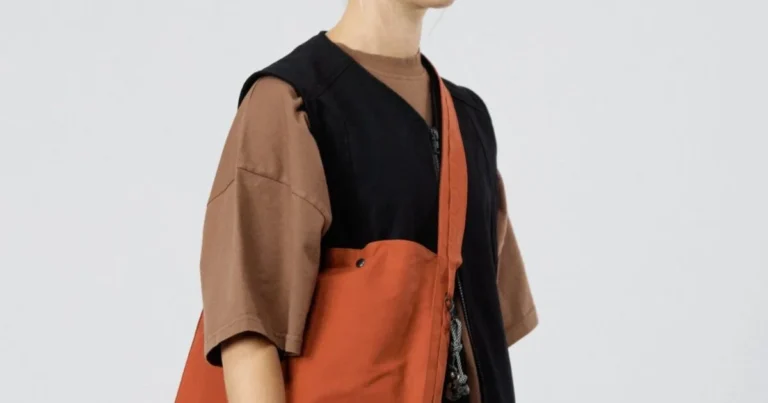
Sandqvist, a Swedish accessories label, produces everyday bags and backpacks using organic cotton and recycled synthetic fabrics. As a member of the Fair Wear Foundation, the company ensures ethical labor standards and operates an internal workshop dedicated to repairing and upcycling damaged products into new merchandise.
In the United Kingdom, GROUNDTRUTH focuses on combating plastic pollution through travel goods crafted from recycled materials. Founded by three sisters, the brand transforms post-consumer plastic waste into durable travel wallets and organizers.
Alternative leather innovations are championed by brands such as Svala, which handcrafts luxury vegan handbags and cardholders in Los Angeles using premium plant-based materials like cork, Piñatex (derived from pineapple leaf fibers), and high-grade vegan leather. Parker Clay operates with a dual social and environmental mandate, partnering with the Ellilta Women at Risk program in Ethiopia to provide stable employment and safe working environments for women escaping exploitation, while preserving traditional regional leathercraft.
Upcycling and Circularity in Modern Bag Design
Cairo-based social enterprise UpFuse operationalizes the philosophy that industrial waste can serve as high-value textile input. By collaborating with female refugees from Syria, Ethiopia, and Sudanese communities residing in Egypt, UpFuse transforms discarded plastic bags into durable, urban-friendly fashion accessories.
In Greece, Théla utilizes discarded ocean-bound plastics to craft handcrafted vegan fashion accessories in partnership with disadvantaged communities, directly diverting waste from municipal landfills and marine ecosystems. Mashu, a British vegan accessories label, specializes in luxury handbags featuring exteriors crafted from innovative plant-based leather alternatives and interiors constructed from recycled polyester vegan suede.
HYER GOODS adopts a strict upcycling framework in New York, transforming leather manufacturing offcuts—materials otherwise destined for incinerators or landfills—into premium handbags and wallets. By utilizing pre-consumer waste, the label avoids the massive energy expenditures required to cultivate livestock and operate industrial tanneries.
Germany-based Ucon Acrobatics combines minimalist design with functional circularity, utilizing high proportions of organic cotton and recycled PET bottles. The company powers its direct operations with renewable energy and mandates living-wage compliance at final-stage manufacturing facilities. Meanwhile, Reformation leverages its extensive sustainability framework in Los Angeles to produce accessories with reduced water and carbon footprints, offering inclusive sizing and supply chain worker training programs.
Finally, Canadian brand BEDI constructs durable outerwear, knits, and bags utilizing an uncompromising circular design methodology. By repurposing airline seat leather, discarded fishing nets, vegan cactus leather, and sustainably grown cotton, BEDI creates utilitarian accessories engineered for longevity, reinforcing the broader industry shift toward a regenerative economy.