









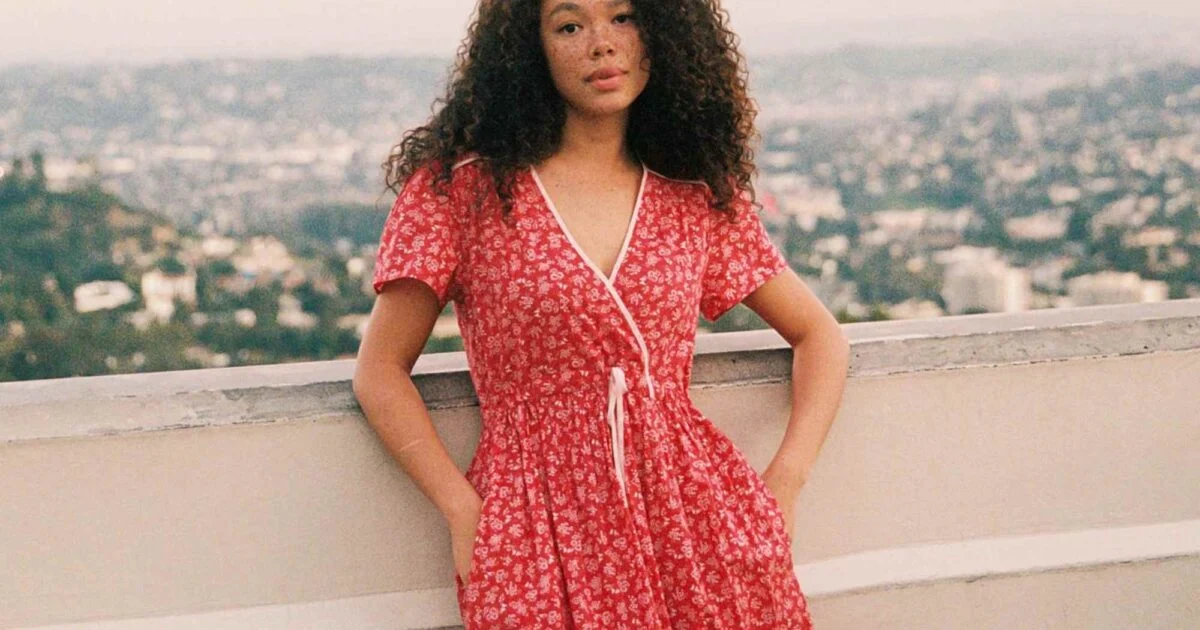
The global fashion industry, long criticized for its lack of diverse sizing, is slowly but surely undergoing a transformative shift, particularly within the burgeoning sustainable sector. For consumers with shorter frames, the quest for well-fitting and ethically produced clothing has historically been a challenging endeavor, often necessitating extensive tailoring or compromising on style and sustainability principles. This article delves into the systemic issues that have historically marginalized shorter individuals in fashion and highlights the innovative approaches being adopted by sustainable brands to offer more inclusive sizing, ensuring both environmental responsibility and a perfect fit.
The Pervasive Challenge of Standardized Sizing in Fashion
At the core of the sizing conundrum lies the industry’s reliance on standardized models and measurements. When fashion brands embark on the design and production of new garments, they typically create them to a pre-defined height that reflects the perceived "average" consumer in their target market. For womenswear sold across the UK, US, and Australia, this benchmark model often stands around 5’9" (approximately 175 cm), while for menswear, the standard is typically 6’1" (approximately 185 cm). This practice, while streamlining production for mass markets, inadvertently alienates a significant portion of the population. Individuals whose heights deviate drastically from these established norms frequently encounter garments that do not fit as intended, leading to issues such as excessively long sleeves and trouser hemlines, misplaced waistbands, and overall discomfort.
Compounding this issue is the notorious inconsistency in sizing definitions across different brands. A "medium" in one label might correspond to a "small" or "large" in another, further emphasizing the subjective and often arbitrary nature of the so-called "average" body shape. This variability underscores the reality that the human body is incredibly diverse, making a universal "one-size-fits-all" approach inherently flawed and exclusionary. For shorter individuals, this often translates into a perpetual struggle to find clothing that flatters their proportions, frequently resulting in frustration and a diminished shopping experience.
The term "petite," often mistakenly associated with weight or slender build, in the context of fashion, specifically refers to clothing designed for individuals of any size or body shape who possess a shorter frame, typically under 5’4" (approximately 163 cm). Historically, dedicated petite ranges have been scarce, especially among brands committed to sustainable and ethical practices. This scarcity was largely attributable to the additional production complexities and costs involved. Creating garments with different proportions necessitates intricate pattern grading—the scaling of existing patterns to various sizes while maintaining design integrity—and the production of multiple samples to ensure that sleeve lengths, waistlines, and hemlines fall precisely in the correct places for a shorter stature. For smaller brands operating on tighter margins, this additional work often represented a significant financial outlay with a perceived lower consumer uptake compared to a more simplified, single-length production strategy.
The Evolution of Inclusivity: A Timeline of Sustainable Fashion’s Response
For decades, the mainstream fashion industry was slow to address the needs of diverse body types, focusing instead on economies of scale through standardized production. The sustainable fashion movement, initially prioritizing environmental and labor ethics, also faced challenges in immediately offering comprehensive size inclusivity due to the inherent complexities of ethical supply chains and production.
- Pre-2000s: Petite options were rare and often limited to a few mainstream department stores, with almost no presence in nascent ethical fashion markets. Custom tailoring was the primary solution for those seeking a perfect fit.
- Early 2000s – 2010s: As awareness of sustainability grew, a handful of pioneering brands began to emerge, but their focus was primarily on materials and labor, with size inclusivity remaining a secondary concern due to production costs and logistical challenges. The "one-length-fits-all" model persisted.
- Mid-2010s – Present: A significant shift began to accelerate. Increased consumer advocacy for body positivity and representation, coupled with growing demand for sustainable choices, pushed brands to reconsider their sizing strategies. The rise of direct-to-consumer models and advancements in manufacturing technology (such as digital pattern making) made it more feasible for even smaller sustainable brands to offer extended sizing. Concepts like "made-to-measure" and "customizable fit" gained traction, providing bespoke solutions that naturally accommodate varying heights. This period has seen a notable increase in sustainable brands launching dedicated petite collections, offering shorter in-seam lengths (e.g., 28 inches instead of the standard 30-32 inches), or implementing virtual sizing guides to help customers find their ideal fit.
This evolution signifies a broader understanding within the sustainable fashion community: true sustainability extends beyond ecological and labor practices to encompass social equity, including equitable access to well-fitting clothing for all body types.
Economic, Environmental, and Social Implications of Fit Disparity
The lack of suitable sizing options has far-reaching consequences that extend beyond individual consumer frustration.
Economic Implications:
- Returns and Logistics: Ill-fitting clothes are a primary driver of online returns. This creates significant logistical challenges and costs for retailers, including reverse shipping, processing, and potential repackaging or discounting of returned items. The financial burden of returns can impact a brand’s profitability and efficiency.
- Tailoring Costs: For many shorter consumers, purchasing standard-sized garments often necessitates additional expenditure on professional tailoring to adjust hemlines, sleeves, or waistbands. This adds to the overall cost of ownership, making fashion less accessible and more expensive for this demographic.
- Lost Sales: Brands that fail to cater to diverse body types miss out on a substantial market segment. Consumers who cannot find suitable clothing will take their business elsewhere, leading to lost revenue opportunities.
Environmental Implications:
- Increased Waste: The cycle of buying, returning, and sometimes discarding ill-fitting clothing contributes to textile waste. Returned items, especially from fast fashion brands, may not always be resold and can end up in landfills, negating any initial sustainable intent.
- Carbon Footprint of Returns: The transportation involved in both initial delivery and subsequent returns significantly increases the carbon footprint of the fashion supply chain. This contradicts the core tenets of sustainability, which aim to minimize environmental impact.
- Resource Inefficiency: Producing garments that ultimately do not find a suitable wearer represents a waste of raw materials, water, energy, and labor. By investing in inclusive sizing and made-to-measure options, brands can reduce the likelihood of garments going unworn or being discarded, thereby optimizing resource utilization.
Social Implications:
- Body Image and Self-Esteem: The constant struggle to find clothes that fit well can negatively impact an individual’s body image and self-esteem. Fashion is a form of self-expression, and when one feels excluded or poorly represented, it can foster feelings of inadequacy or invisibility.
- Exclusion and Marginalization: A fashion industry that predominantly caters to a narrow range of body types implicitly marginalizes and excludes those who fall outside these norms. This lack of representation can perpetuate harmful beauty standards and reinforce the idea that certain body types are more "fashionable" or "desirable."
- Ethical Imperative: From an ethical standpoint, offering inclusive sizing is a matter of fairness and equitable access. Sustainable brands, by their very nature, are committed to social responsibility, and this commitment should naturally extend to ensuring that their products are accessible and suitable for a wide array of consumers.
Addressing the Gap: Sustainable Brands Leading the Way in Inclusive Sizing
A growing number of sustainable brands are recognizing the importance of size inclusivity, particularly for shorter individuals, and are actively integrating solutions into their design and production processes. These brands demonstrate that it is possible to combine ethical manufacturing with diverse sizing, offering hope and practical options for consumers.
Christy Dawn
This US-based brand is celebrated for its minimalist, vintage-inspired women’s clothing and footwear, which are locally made using surplus fabric. Christy Dawn stands out for its commitment to sustainability, earning a "Great" rating for its environmental and social practices. Critically for shorter individuals, the brand offers dedicated Petite collections alongside its standard sizing (XS-XL) and Extended ranges. This intentional design ensures that garments like dresses and trousers are proportioned correctly for shorter frames, addressing issues of length and fit directly. By utilizing deadstock fabrics, Christy Dawn also champions a circular approach, reducing waste while providing stylish options for a diverse customer base.
Nudie Jeans
A pioneer in sustainable denim, Nudie Jeans is renowned for its 100% organic cotton denim and transparent production methods. Beyond its commitment to environmental responsibility, Nudie Jeans offers a free repair service, resells second-hand products, and actively recycles worn-out items, promoting longevity and circularity. While not explicitly offering a "petite" denim range, Nudie Jeans addresses fit through its comprehensive Virtual Size Guide available on product pages. This guide empowers customers to find the perfect fit by considering various measurements, including in-seam length, which is crucial for shorter individuals. This approach allows for a more personalized selection of their high-quality, durable jeans, minimizing the need for alterations and encouraging conscious consumption.
Citizen Wolf
Hailing from Australia, Citizen Wolf leverages revolutionary technology to provide high-quality, custom-fit t-shirts. The brand proudly guarantees that its tees will be the best-fitting garments customers have ever owned. After capturing precise customer customizations, each t-shirt is meticulously handcrafted in Sydney using certified lower-impact fabrics such as organic cotton, hemp, and Merino wool, milled in Melbourne. This made-to-measure model is a game-changer for shorter individuals, as it inherently eliminates the typical sizing issues. Customers can specify exact sleeve lengths, body lengths, and other crucial dimensions, ensuring a perfect, personalized fit that standard off-the-rack clothing rarely achieves. Citizen Wolf embodies the future of truly inclusive and sustainable fashion.
WILDA.ECO
WILDA.ECO is a vegan fashion brand that focuses on minimalism, timeless design, and, crucially, inclusive sizing. Their commitment to personalizing clothes for different heights directly addresses the needs of shorter individuals. By offering customizable options, WILDA.ECO ensures that their garments are not only ethically produced but also tailored to the unique proportions of their customers. This approach reflects a deep understanding of body diversity and a dedication to making sustainable fashion accessible and well-fitting for everyone, regardless of their height.
Reformation
The LA-based brand Reformation has built its reputation on creating "killer clothes that don’t kill the environment." Known for its chic and contemporary designs, Reformation is deeply committed to ethical practices, ensuring a proportion of its suppliers pay a living wage and providing training to improve working conditions throughout its supply chain. While the brand is celebrated for its sustainable materials and transparent practices, its primary contribution to size inclusivity lies in its broad size range, available from XS to 3XL. Although not always explicitly labeled "petite," a comprehensive size offering often includes varied garment lengths and proportions within its smaller sizes that can accommodate shorter individuals more effectively than brands with limited sizing. This wider spectrum allows for a greater chance of finding a suitable fit within a sustainable framework.
Opera Campi
Founded in Italy in 2017, Opera Campi crafts premium quality garments from locally-sourced raw materials. The brand adopts a balanced approach to sustainability, making conscious choices across its entire supply chain and dedicating 4% of its profits to social causes. Opera Campi is a strong advocate for inclusive sizing, offering its range from 3XS to 3XL. This extensive sizing ensures that a broad spectrum of body types, including those with shorter frames, can find well-fitting, ethically produced clothing. Their commitment to inclusivity, combined with high-quality materials and social responsibility, positions them as a leading example in the sustainable fashion landscape.
Baukjen
Baukjen, a London-based womenswear brand, focuses on ethical and sustainable style, designing clothes "for you, and designed for good." The brand prioritizes the use of lower-impact and recycled materials, significantly reducing the environmental footprint associated with chemical use, water consumption, and wastewater generation in production. Baukjen’s range is available in sizes XS-L. Similar to Reformation and Opera Campi, while not exclusively a "petite" brand, its dedication to sustainable and thoughtful design implies a consideration for diverse body types within its sizing. Shoppers seeking sustainable options for shorter frames may find suitable pieces within their well-curated collections, which are designed for longevity and versatility.
SeamsFriendly
SeamsFriendly stands out as a beacon of true customization and inclusivity in the sustainable fashion sphere. This brand specializes in creating beautiful, tailored pieces for all body types, emphasizing function and utility in its designs. Utilizing lower-impact materials like organic cotton and linen, SeamsFriendly allows shoppers an unparalleled level of customization. Customers can modify nearly every aspect of a garment—including neck style, depth, sleeve length, garment length, and even fabric—to their exact preferences. Their product sizing is entirely customizable, accommodating womenswear bust sizes from 26" to 70" and waist sizes from 19" to 63", encompassing petite, regular, and tall heights. For menswear, chest sizes from 34" to 76" and above are available with free custom sizing. They even offer a kids’ range. This bespoke approach is revolutionary for shorter individuals, effectively eliminating the fit lottery and ensuring every garment is made precisely for the wearer’s unique proportions, embodying the ultimate in sustainable and inclusive fashion.
The Future of Fashion: Embracing True Inclusivity
The emergence and growth of brands like those highlighted demonstrate a clear trajectory towards a more inclusive and sustainable fashion industry. The days of fashion dictating body ideals are slowly yielding to a consumer-driven demand for clothing that celebrates diversity and respects individual proportions. This shift is not merely a trend but a fundamental re-evaluation of how fashion can serve all people, ethically and responsibly.
The increasing adoption of advanced technologies, such as 3D body scanning, artificial intelligence for pattern generation, and on-demand manufacturing, will likely further democratize sizing options. These innovations can reduce the cost and complexity associated with producing diverse sizes, making it more feasible for even small and emerging sustainable brands to offer extensive ranges or bespoke services.
Ultimately, the onus is also on consumers to continue advocating for change. By supporting brands that prioritize inclusivity and sustainability, shoppers send a clear message to the wider industry about their values. The act of finding a garment that fits perfectly, without compromise on ethical or environmental principles, is a powerful statement and a step towards a fashion landscape that is truly for everyone. It’s a celebration of different body shapes, an acknowledgment that if a brand’s clothes don’t fit, the issue lies with the garment, not the individual. The reality for many shoppers is that the "standard" fit is often anything but, and the growing movement towards inclusive sizing in sustainable fashion offers a refreshing and necessary alternative.
Editor’s note: Feature image by Christy Dawn, all other images via brands mentioned. Good On You publishes the world’s most comprehensive ratings of fashion brands’ impact on people, the planet, and animals. Use our directory to search thousands of rated brands.