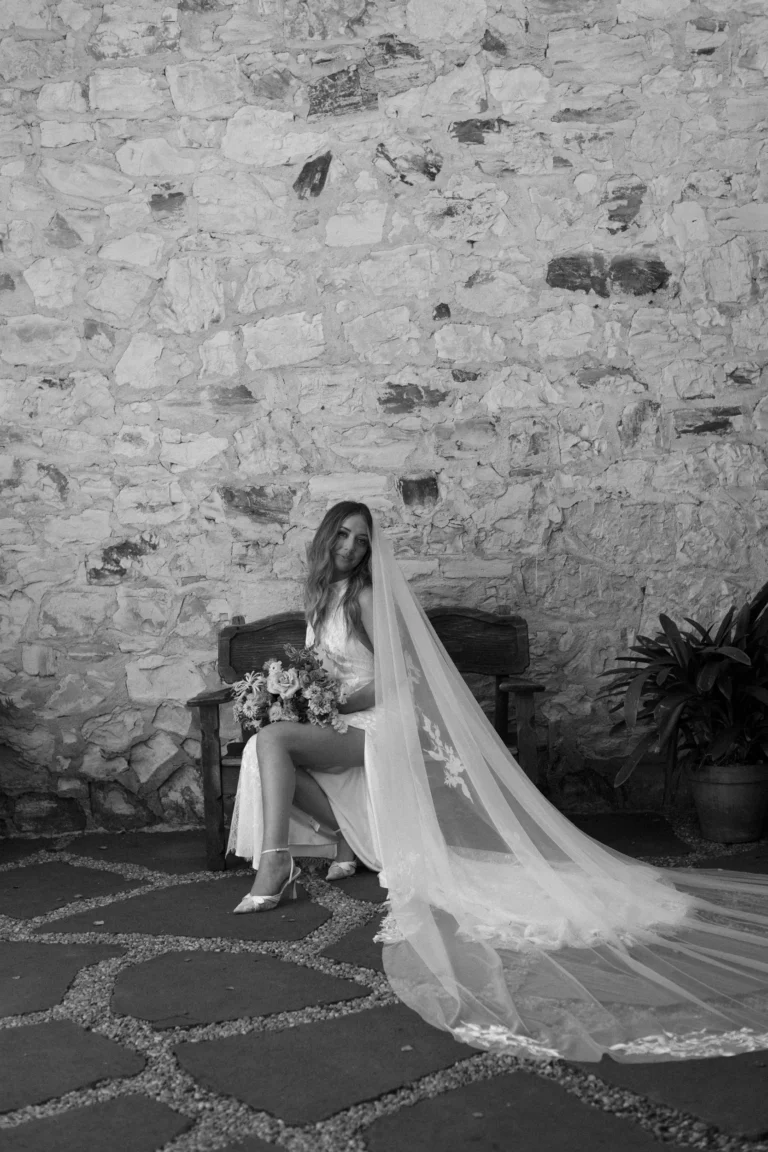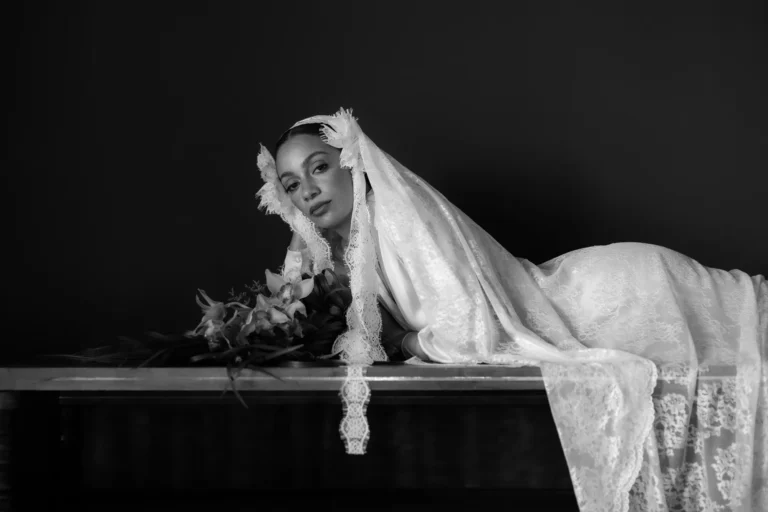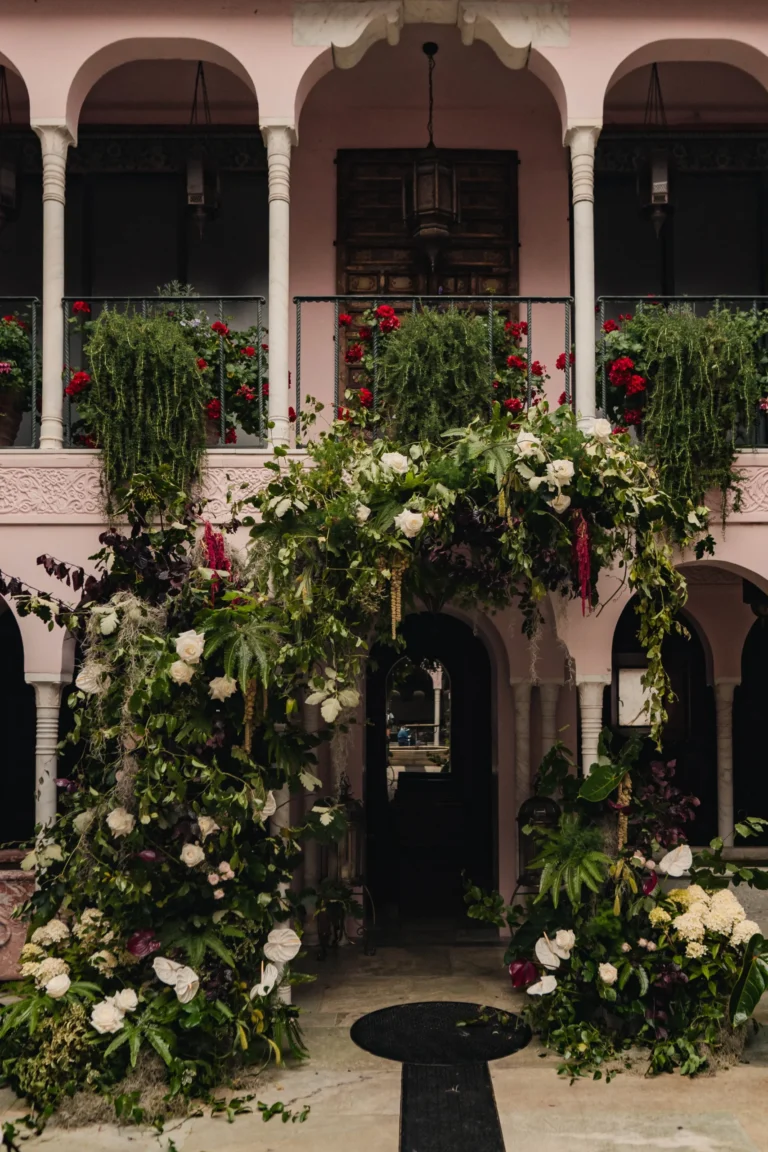







The professional landscape of wedding photography is currently undergoing a significant paradigm shift as the traditional focus on candid celebration is increasingly replaced by a demand for curated "content." Industry veterans, including prominent photographers with over a decade of experience such as Emily Tyler, have observed a growing trend where the logistical flow of wedding ceremonies is being secondary to the production of social media-ready imagery. This evolution from documentation to performance marks a turning point in the $70 billion global wedding industry, raising questions about the authenticity of the guest experience and the psychological impact of "performing" one’s own life milestones.
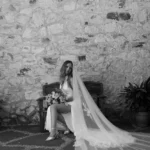
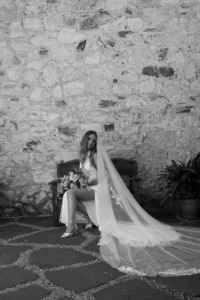
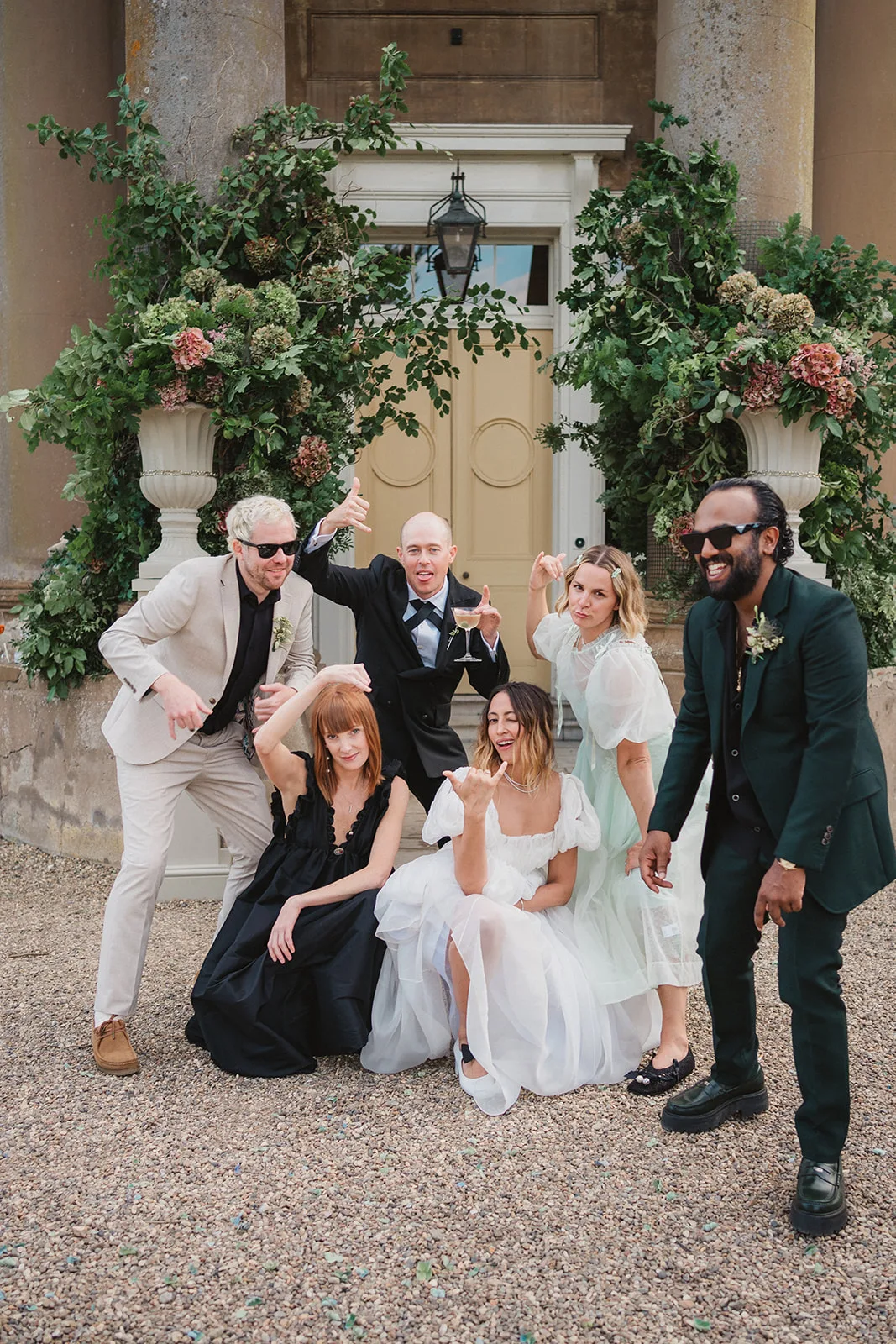
Historically, wedding photography served as a supplementary record of a private event, typically involving a set period for family formals and a limited window for couple portraits. However, the rise of platforms like Instagram and Pinterest has introduced a new set of expectations. Modern weddings are frequently structured around "content moments"—staged occurrences designed specifically for the camera rather than as natural extensions of the celebration. These include "first looks" with various family members, faux-champagne sprays, and highly choreographed "getting ready" sequences that can consume hours of the wedding itinerary.
The Chronology of Wedding Documentation: From Film to Viral Reels
The evolution of wedding photography can be traced through three distinct eras. In the pre-digital era, photographers were limited by the physical constraints of film, resulting in a focus on key milestones and essential portraits. The introduction of digital photography in the early 2000s allowed for "reportage" or documentary-style shooting, capturing a higher volume of candid interactions without the pressure of film costs.
The current era, beginning roughly around 2015, is defined by the "aestheticization" of the event. Data from wedding planning platforms indicates that nearly 80% of couples now use social media as their primary source of inspiration, leading to a desire to recreate specific "viral" images. This has necessitated a tighter, more rigid schedule where couples are frequently pulled away from their guests to participate in extended "mini-shoots" throughout the day. What was once a twenty-minute portrait session has, in many cases, evolved into a series of hour-long production windows scattered across the cocktail hour and reception.
Supporting Data: The Cost of the "Perfect" Image
The prioritization of content over experience is not merely a stylistic choice but an economic one. According to industry reports, the average cost of a wedding in the United Kingdom now exceeds £20,000, with photography and videography often accounting for 10% to 15% of the total budget. As couples invest significant capital into their visual assets, the pressure to produce a "return on investment" in the form of high-quality digital content increases.
A survey of wedding planners conducted in 2023 revealed that 65% of respondents felt that social media expectations had made wedding timelines "more difficult to manage." Furthermore, the emergence of a new professional category—the "Wedding Content Creator"—highlights this shift. Unlike traditional photographers who focus on high-resolution stills for long-term preservation, content creators are hired specifically to capture short-form video for immediate social media distribution. This adds another layer of production to the day, often requiring the couple to "perform" for multiple lenses simultaneously.
The Impact on Guest Experience and Event Atmosphere
The logistical consequences of a content-first wedding are often felt most acutely by the guests. Reports from venue managers and planners indicate a rising number of "horror stories" where hospitality standards are compromised to accommodate photography schedules. Common issues include guests being left in suboptimal weather conditions for extended periods while the couple completes indoor shoots, or significant delays in meal service to allow for sunset portrait sessions.
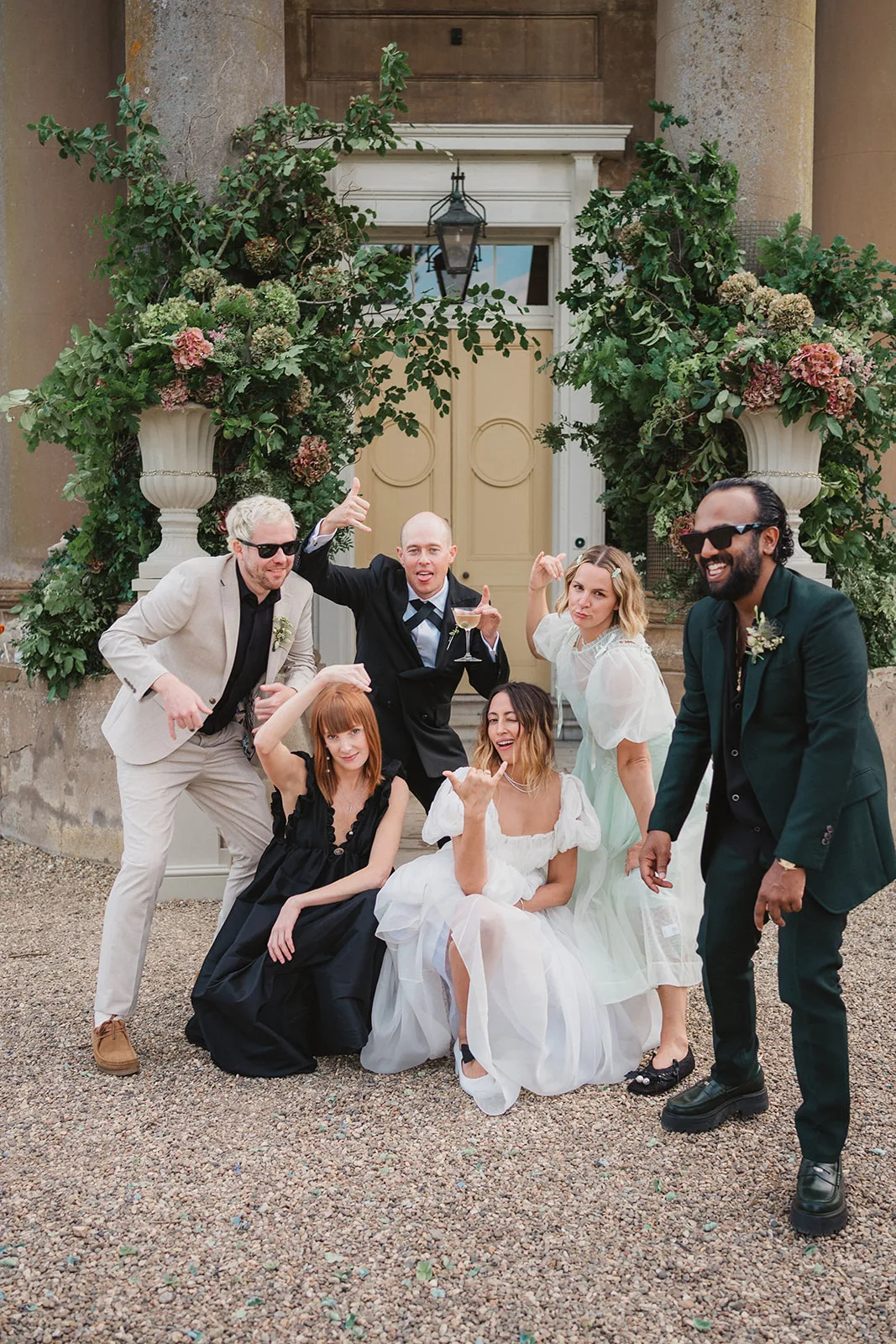
"The real story of a wedding day is the joining together of two worlds," notes Emily Tyler, an industry expert with ten years of experience. "It is the one day where every important thread in the tapestry of your life ends up in the same room. When the schedule becomes so tight that you’re constantly being pulled away, that connection is lost."
The disconnect between the visual representation of the event and the actual atmosphere is a growing concern among professionals. Observers have noted instances where weddings that appeared to be high-energy, joyous celebrations on Instagram were, in reality, characterized by long stretches of inactivity and guest confusion. This "Instagram vs. Reality" gap suggests that the pursuit of the perfect image can inadvertently stifle the very energy the photos are meant to capture.
Industry Perspectives: The Case for "Space" in the Schedule
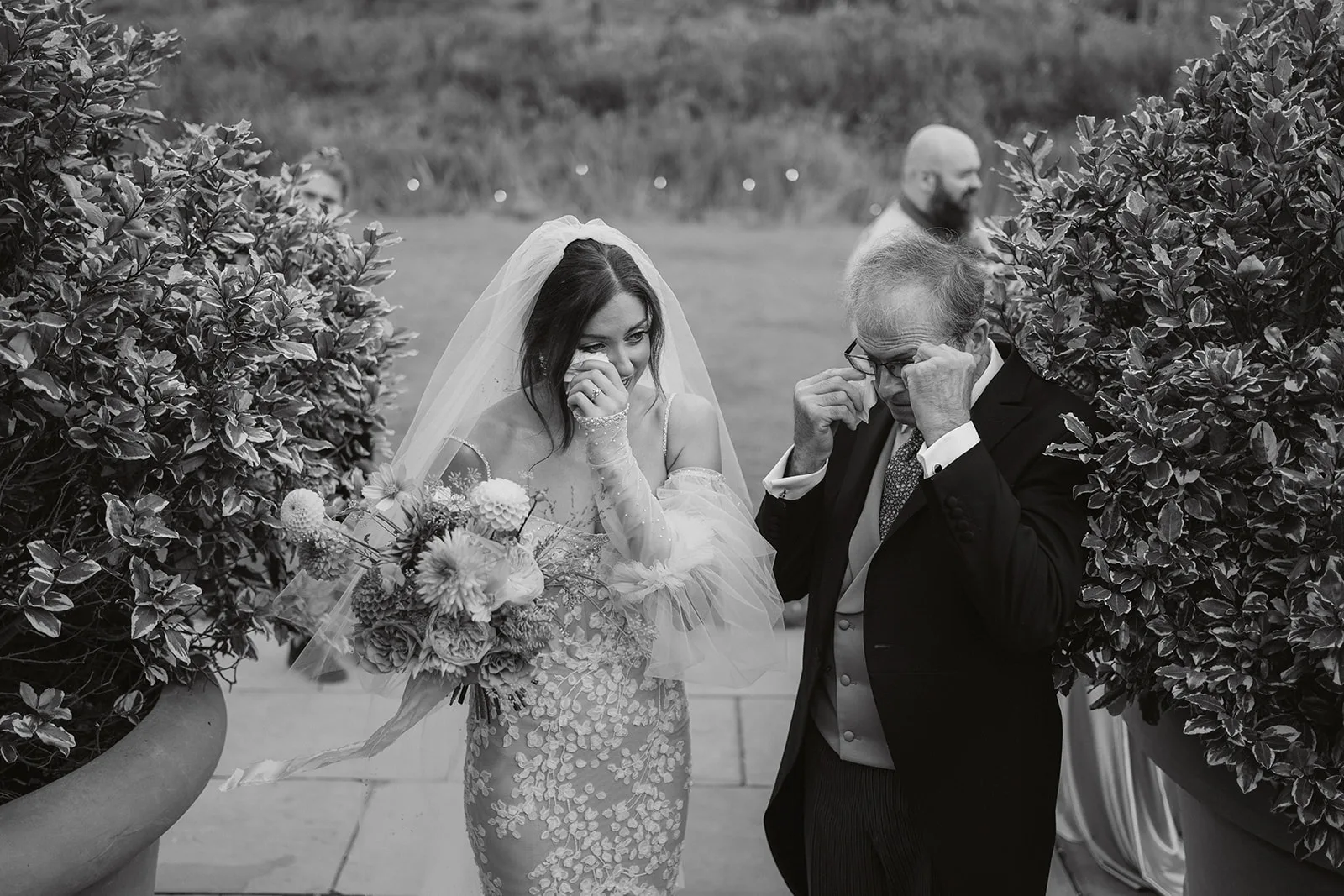
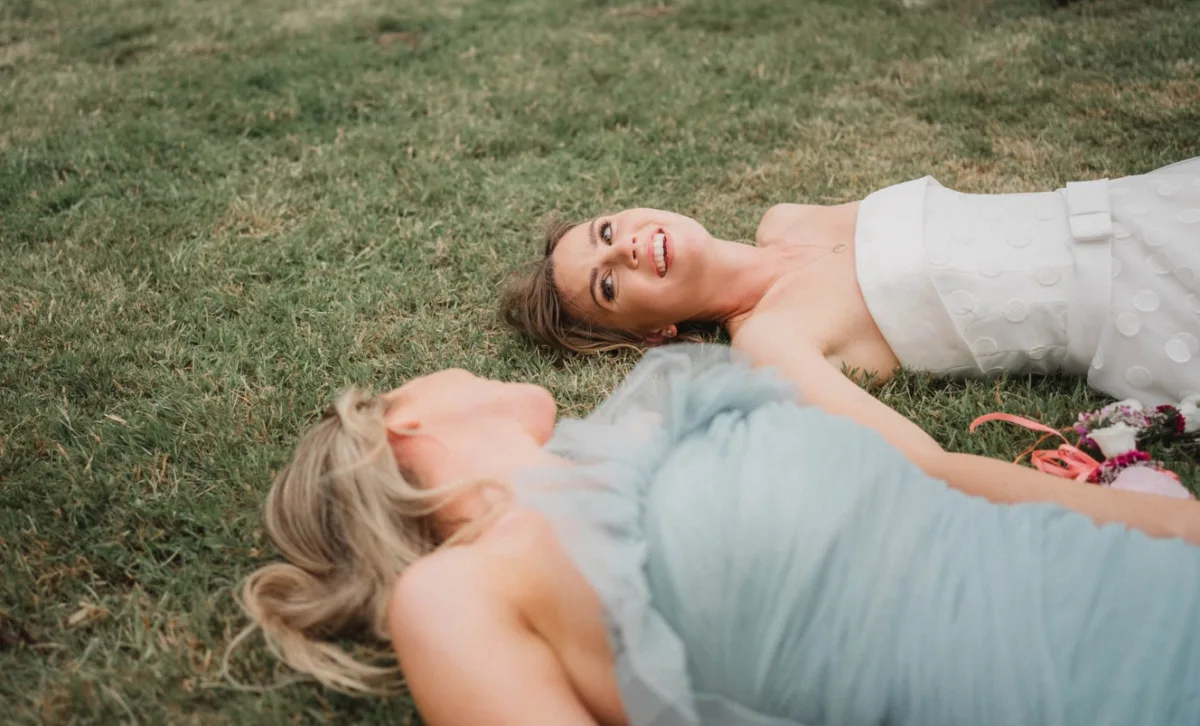
While photographers generally support their clients’ desires for specific images, many are now advocating for a return to a more balanced approach. The concept of "leaving space" in the day is being promoted as a luxury in itself. This involves intentionally under-scheduling the event to allow for spontaneous interactions, longer conversations, and genuine emotional moments that cannot be manufactured for a camera.
Professional feedback from the 2024 wedding season suggests that couples who prioritize "living" their wedding over "performing" it report higher levels of satisfaction and lower levels of stress. The anxiety of missing the "cocktail hour"—a common concern among modern couples—is often a direct result of over-packed photography agendas. Industry experts suggest that the most enduring images are rarely the ones recreated from a Pinterest board, but rather those that document authentic emotional peaks, such as the reaction of a room when a favorite song begins or the quiet conversations between long-separated relatives.
Psychological Implications of the Performance Culture
Psychologists who study the impact of social media on memory suggest that the "observer’s paradox"—the phenomenon where the act of observing or documenting an event changes the nature of the event itself—is particularly relevant to weddings. When individuals are hyper-aware of being photographed, they may engage in "self-monitoring," which can prevent them from entering a state of "flow" or genuine emotional presence.
In the context of a wedding, this means that a couple may remember the process of being photographed more vividly than the actual emotional experience of the ceremony or the reception. By treating the wedding as a photoshoot, the participants may inadvertently distance themselves from the milestone they are celebrating.
Future Outlook: A Return to Authenticity?
As the "content-heavy" wedding trend reaches a saturation point, there are early indications of a counter-movement. "Unplugged" ceremonies, where guests are asked to put away their phones, are becoming standard. Simultaneously, a growing niche of "anti-bride" or "documentary-only" photographers is gaining traction. These professionals refuse to stage moments, focusing instead on capturing the day as it unfolds naturally, without a predetermined shot list.
The long-term value of wedding photography remains undisputed; however, the methodology is under scrutiny. The consensus among veteran professionals is that photography should exist within the celebration, not instead of it. As the industry moves forward, the challenge for couples and vendors alike will be to balance the desire for high-quality digital assets with the fundamental purpose of the event: a communal celebration of a life transition.
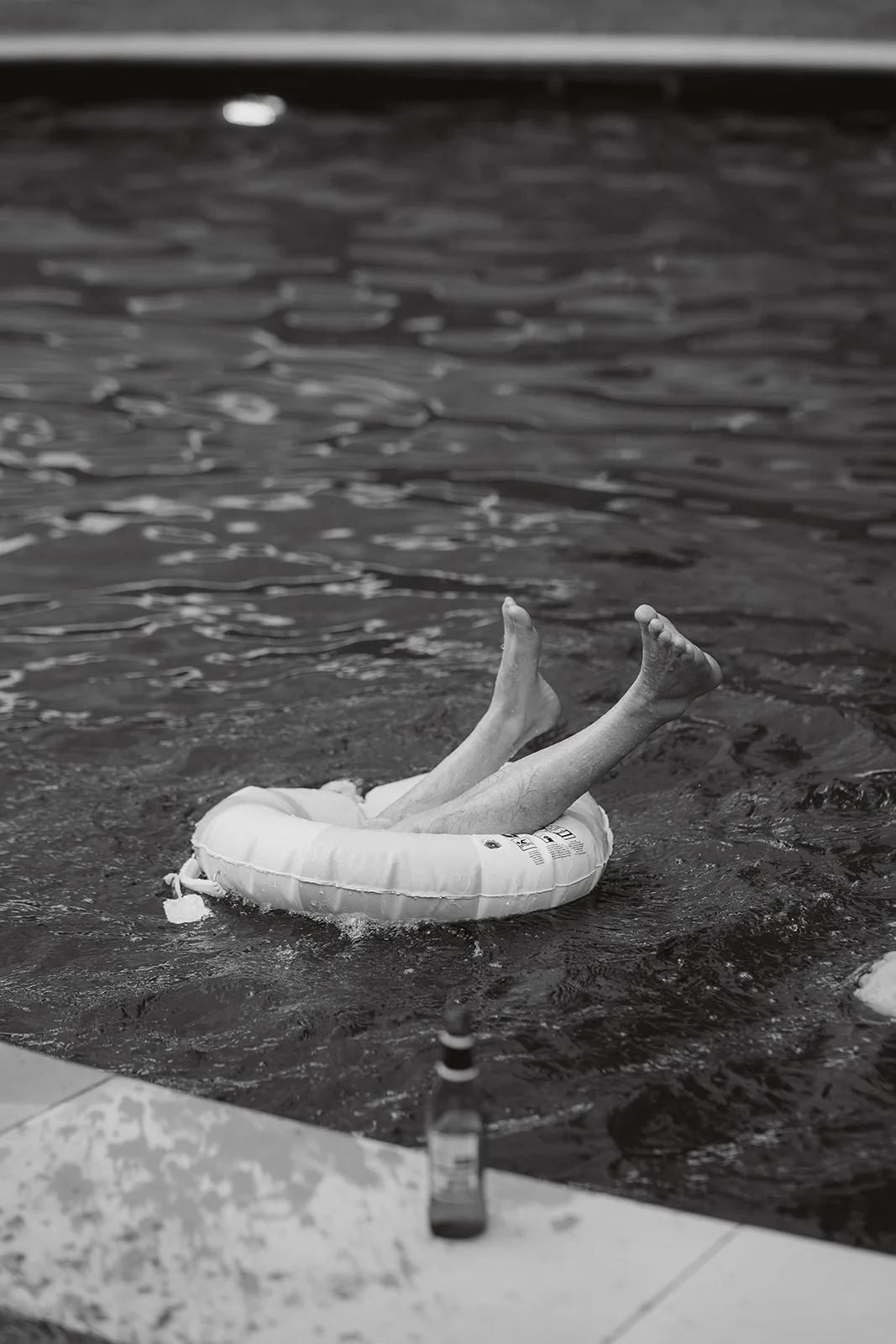
In conclusion, while the tools and platforms for sharing wedding stories have evolved, the core value of the event remains rooted in human connection. The shift toward content-driven weddings represents a significant change in how we value experiences, but as industry experts like Emily Tyler suggest, the most meaningful "content" is often that which is captured when the subjects forget the camera is even there. The future of the modern wedding may well depend on the ability of couples to reclaim their day from the pressure of the lens and return to the simple act of living the moment.