







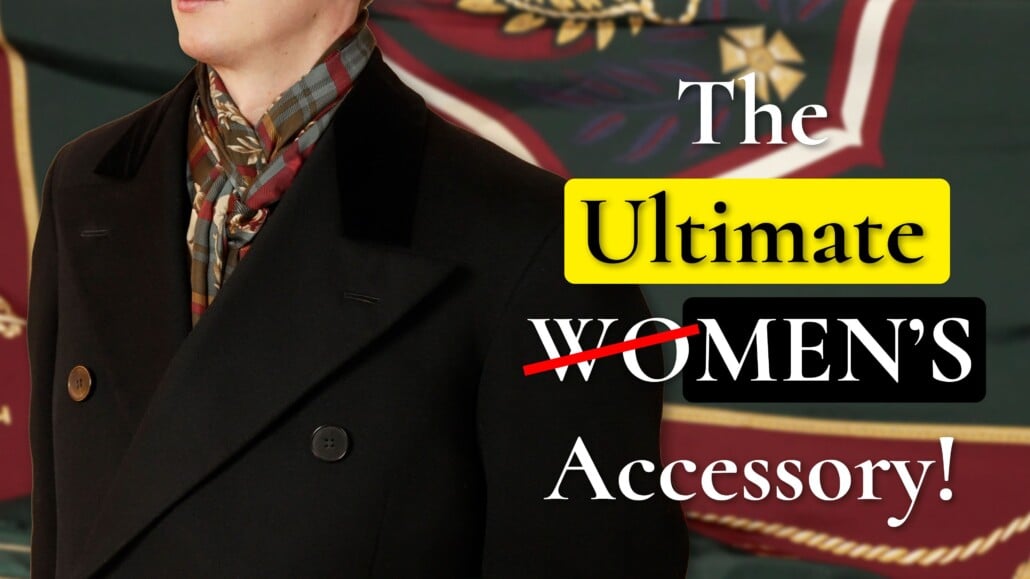
Silk scarves, once a subtle nod to sartorial sophistication, are experiencing a significant resurgence, transforming from an often-overlooked accessory into a pivotal element in modern menswear. Their unique capacity to impart warmth, infuse color, and add distinctive character without the heft of a traditional winter scarf or the inherent formality of a necktie positions them as a versatile and increasingly vital component of the contemporary male wardrobe. This shift reflects a broader evolution in men’s fashion, where personal expression and nuanced styling are gaining precedence over rigid sartorial conventions.
Historical Trajectory and Cultural Significance
The journey of the neck scarf in menswear is long and distinguished, tracing roots back to ancient civilizations and military attire. Early examples, such as the focale worn by Roman soldiers to protect their necks from chafing and cold, highlight its practical origins. Over centuries, this functional garment evolved, often signifying rank, affiliation, or social status. By the 17th century, Croatian mercenaries introduced cravats to France, influencing European aristocracy and setting the stage for elaborate neckwear. The 18th and 19th centuries saw the cravat become a symbol of refinement, meticulously tied and often made from fine silks.
However, the silk scarf as we recognize it today, distinct from the more structured cravat or tie, gained prominence in the early 20th century. It became a favorite among aviators and motorists for practical reasons—providing warmth and protection against the elements—but quickly adopted a stylish, adventurous connotation. Icons of Hollywood’s Golden Age further cemented its status, often seen draped casually or knotted elegantly, signaling a blend of leisure, sophistication, and understated rebellion. Post-World War II, while neckties became the ubiquitous symbol of corporate masculinity, silk scarves retreated somewhat into niche fashion, primarily associated with European elegance, bohemian artistry, or specific subcultures. The current revival, therefore, is not merely a trend but a re-evaluation of a classic accessory through a contemporary lens, recognizing its untapped potential for versatility and individual style.

The Modern Appeal: Beyond Utility
The renewed interest in silk scarves in menswear stems from a confluence of factors, moving beyond their traditional role as merely functional items. In an era where fashion boundaries are increasingly blurred and personal style is paramount, silk scarves offer a unique aesthetic proposition. They bridge the gap between the casual and the formal, providing a transitional accessory that can elevate an outfit without demanding strict adherence to dress codes.
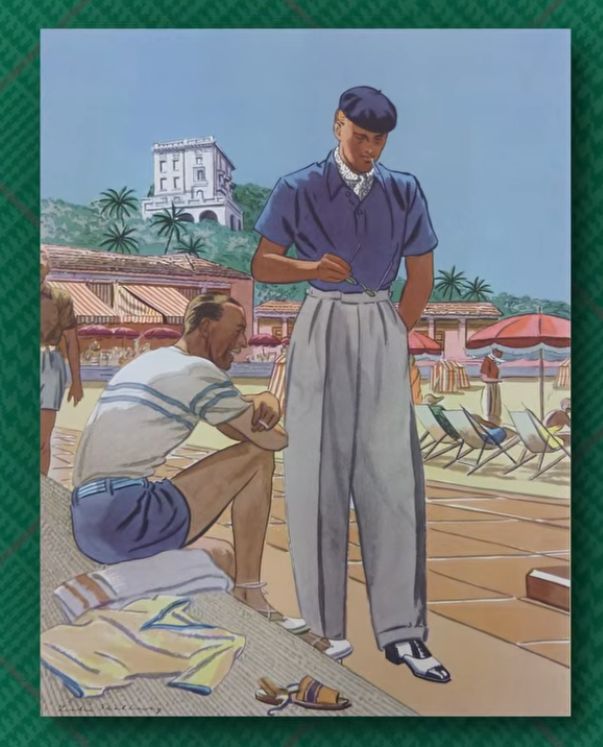
- Subtle Sophistication: Unlike a tie, which carries inherent corporate or ceremonial connotations, a silk scarf offers a softer, more artistic form of neckwear. It can soften the lines of a tailored jacket, add a touch of sprezzatura to a casual blazer, or provide a focal point for minimalist attire.
- Versatility in Warmth and Weight: Silk’s natural properties—lightweight yet insulating—make it ideal for transitional seasons. It provides a comfortable layer against a cool breeze without the bulkiness of wool or cashmere scarves, making it suitable for indoor wear or milder climates.
- Color and Pattern as Expression: Silk lends itself exceptionally well to vibrant colors and intricate patterns. This allows men to introduce visual interest, texture, and a pop of personality into their outfits, often serving as a conversation starter or a subtle reflection of their individuality.
- Texture and Drape: The luxurious feel and elegant drape of silk contribute significantly to its appeal. It moves fluidly, creating soft folds and a sense of effortless elegance that coarser fabrics cannot replicate. This tactile quality adds another dimension of sensory pleasure for the wearer.
According to anecdotal evidence from leading fashion retailers and stylists, there has been a noticeable uptick in inquiries and sales of men’s silk scarves over the past five years. While precise market data for this specific niche can be elusive, the broader men’s accessories market has shown consistent growth, with consumers increasingly investing in items that offer personalization and a distinctive flair. Industry observers suggest this trend aligns with a wider embrace of "quiet luxury" and a desire for investment pieces that transcend fleeting fads.
Selecting the Ideal Silk Scarf: Expert Guidance
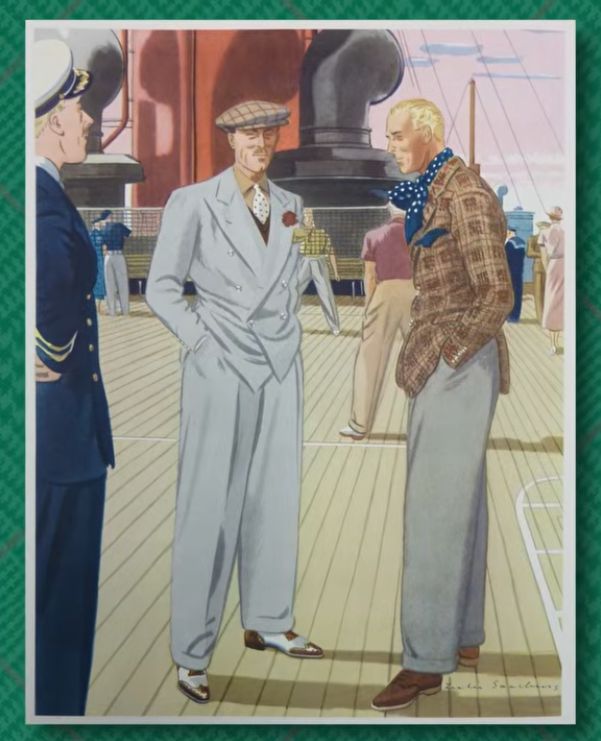
The key to successfully integrating a silk scarf into a menswear ensemble lies in thoughtful selection. Fashion experts emphasize that the choice should complement, rather than overwhelm, an existing wardrobe.
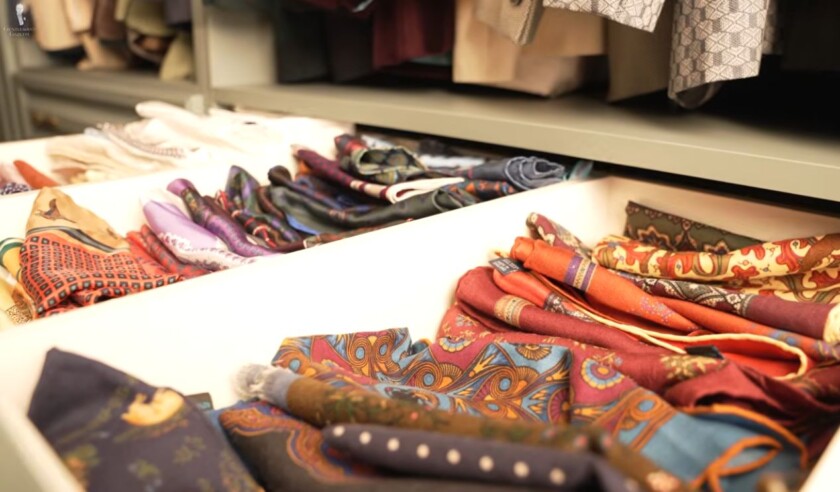
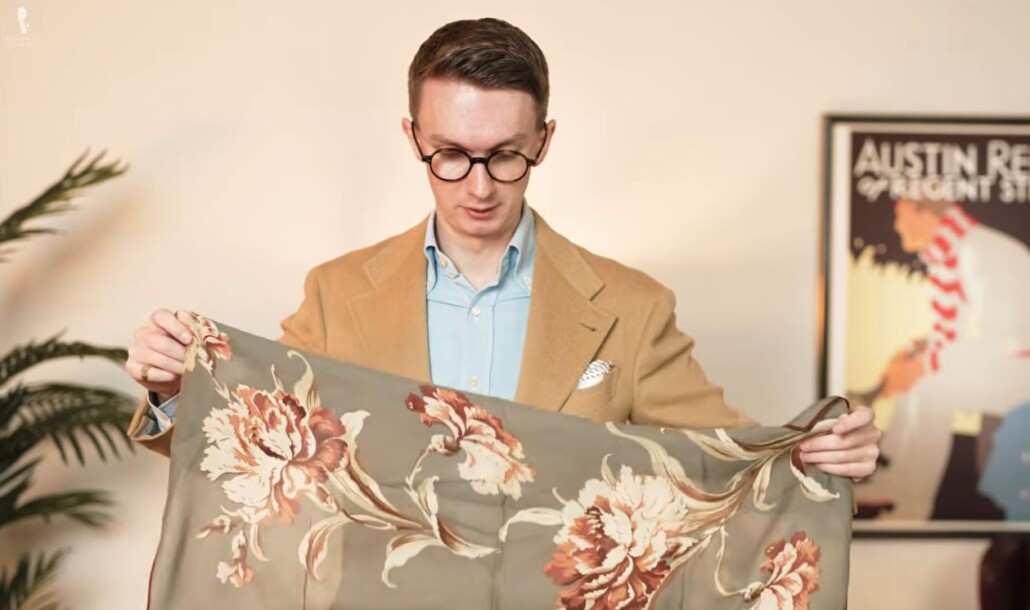
- Color and Pattern Psychology: While vibrant, bold patterns have their place, for broader versatility, stylists recommend opting for muted tones and classic motifs. Earthy greens, deep blues, subtle burgundies, and understated grays provide a strong foundation. In terms of patterns, large floral prints, when rendered in subdued colors, can read as sophisticated rather than flamboyant. Western-inspired motifs such as paisley, geometric designs, or subtle equestrian prints offer a masculine yet elegant aesthetic. The goal is to find patterns that offer visual depth without being overtly flashy. Avoiding overly saturated or neon colors is a common recommendation for beginners, as these can be challenging to integrate seamlessly into diverse outfits.
- Material Quality and Hand-Feel: The quality of the silk is paramount. High-grade silk, such as Charmeuse or Twill, offers a superior drape and luster. A heavier momme count (a unit of weight for silk) often indicates better quality and durability. The hand-feel should be smooth, soft, and luxurious, indicative of a well-crafted piece.
- Size Considerations: Silk scarves typically come in various square dimensions.
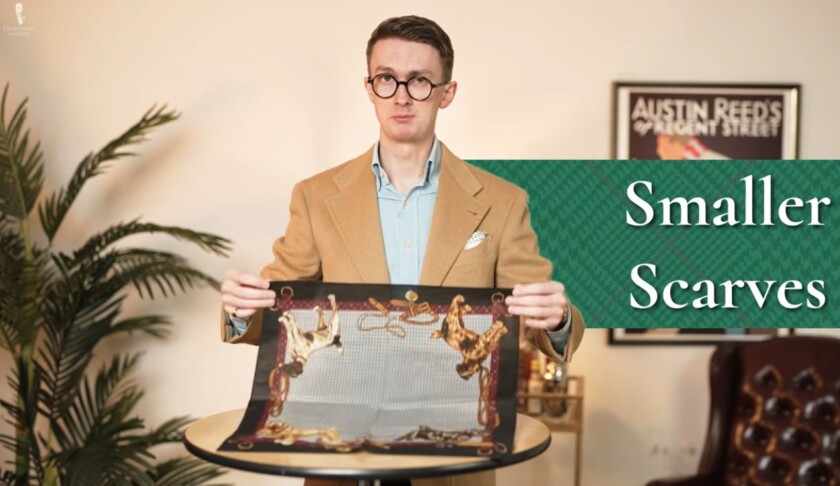
- Small Scarves (e.g., 50×50 cm or 20×20 inches): Ideal for neat, compact knots, often worn tucked inside a shirt collar or as a subtle accent. They offer less volume but are excellent for precise styling.
- Standard Scarves (e.g., 70×70 cm or 27×27 inches): The most versatile size for beginners, offering a good balance between ease of manipulation and styling options. They allow for a range of knots without excessive bulk.
- Large Scarves (e.g., 90×90 cm or 35×35 inches and above): Provide the most flexibility for elaborate drapes, voluminous knots, and under-the-collar styling. They create a more dramatic statement and offer greater warmth. For those new to silk scarves, a standard or larger square often provides more room for error and experimentation.
Mastering the Art of the Knot: Styling Approaches
The true artistry of wearing a silk scarf lies in its styling. Unlike ties with their limited knotting conventions, silk scarves offer a dynamic canvas for personal expression. However, not every knot suits every scarf size or every outfit.
For Large Scarves (90×90 cm and above): These generous dimensions allow for more dramatic and voluminous styles.
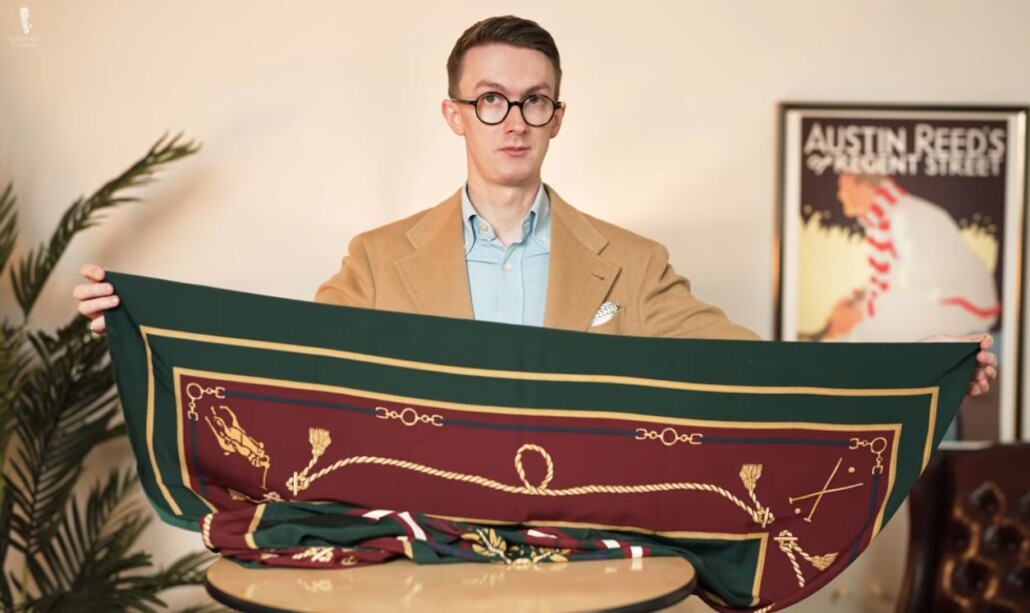
- The Ascot Knot: A classic choice, offering a relaxed yet refined look. Fold the scarf diagonally into a triangle, then roll it loosely into a band. Wrap it around the neck, cross the ends, and loop one end over and through, letting the ends drape elegantly under a blazer or over a shirt.
- The French Knot (or Four-in-Hand): While typically associated with ties, a looser interpretation works well with large silk scarves. Fold the scarf into a narrow band, wrap around the neck, cross one end over the other, and pull it through the loop. This creates a neat, slightly asymmetric knot.
- The Simple Drape: For maximum effortless elegance, simply drape the folded scarf around the neck, letting both ends hang freely. This works particularly well with open-collared shirts or under the lapels of a sport coat.
- The Once-Around: Wrap the scarf once around the neck, letting the ends fall to varying lengths. This offers light warmth and a casual, dynamic look.
For Small Scarves (50×50 cm to 60×60 cm): With less fabric, the focus shifts to neatness and precision.
- The Bandana Fold: Fold the scarf into a triangle, then fold the point towards the base to create a narrow band. Tie a simple knot at the front or side, often worn tucked inside an open shirt collar.
- The Square Knot (or Reef Knot): Similar to a shoelace knot, this creates a flat, symmetrical knot. Fold into a band, wrap around the neck, and tie a simple knot with the ends crossing over each other.
- The Under-the-Collar Tuck: Fold the scarf into a thin strip and tuck it neatly under the collar of a button-down shirt, letting only a hint of color or pattern peek out. This offers a discreet touch of elegance.
For Standard Scarves (70×70 cm to 80×80 cm): These versatile squares can often be folded into oblong shapes, allowing them to be styled like traditional rectangular scarves.
- The Parisian Knot: Fold the scarf in half lengthwise, drape it around your neck, and pull the loose ends through the loop created by the fold. This is a classic, neat, and warm knot.
- The Reverse Drape: Drape the scarf around the neck, with one end longer than the other. Loop the longer end once around the neck, letting both ends fall freely.
- The Fake Knot: Similar to the Parisian, but one end is slipped through a pre-tied loop on the other end, creating a clean, secure knot.
The overarching principle, as articulated by menswear commentators, is that larger scarves offer the greatest variety, smaller scarves excel with cleaner, more restrained styling, and standard silk scarves serve as an excellent bridge, adapting to both classic scarf-wearing techniques and lighter neckwear approaches.
Contextual Application: When and Where to Wear
The utility of a silk scarf extends to a multitude of social and professional settings, particularly where traditional neckwear feels either too formal or too casual. Fashion strategists highlight its role in offering a sophisticated alternative in specific scenarios.
- Transitional Weather: Silk scarves are invaluable during spring and autumn, providing light warmth without the bulk of heavier winter accessories. They are perfect for those cool mornings or evenings when a jacket alone isn’t quite enough.
- Elevating Casual Wear: Paired with an open-collared shirt, a polo, or a fine-gauge knit, a silk scarf can instantly elevate a casual outfit from mundane to refined. It adds a layer of intentionality and flair.
- Refining Resort Wear: For travel or leisure, especially in warmer climates, a silk scarf can lend polish to relaxed resort wear, such as linen shirts, lightweight blazers, or tailored shorts, without introducing undue formality.
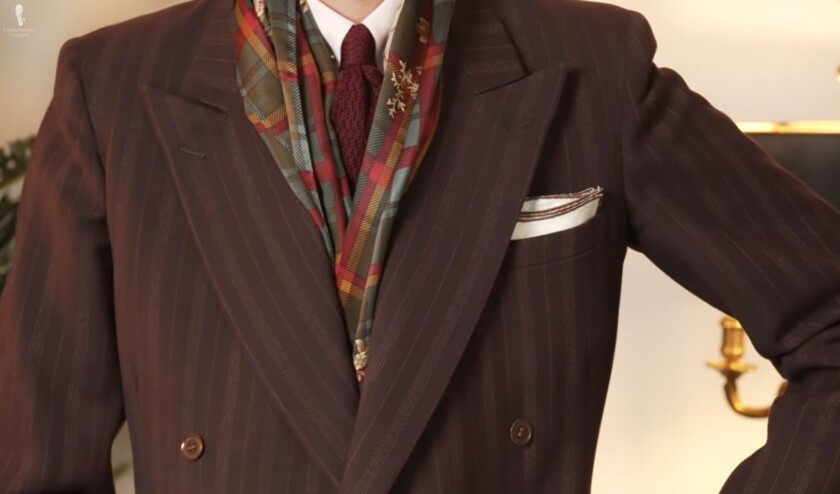
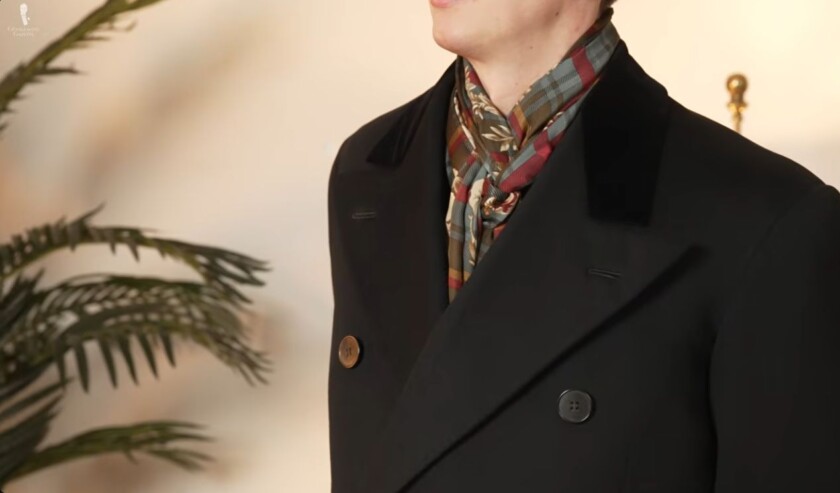
- Layering with Tailoring: When worn with a suit, sport coat, or overcoat, a silk scarf introduces an additional layer of texture and visual interest. It can complement a shirt and tie, or even replace the tie for a more relaxed yet elegant business-casual aesthetic. For instance, a patterned silk scarf under a pinstripe double-breasted suit with a knit tie adds depth without overwhelming. With an overcoat, it provides warmth while maintaining a sleek silhouette.
- Adding Variety to a Wardrobe: For men who regularly wear ties, pocket squares, and traditional scarves, the silk scarf offers a fresh avenue for accessory rotation, providing new textures, colors, and styling opportunities.
A prevailing style tip from industry professionals is to consider the silk scarf as a complementary piece rather than a dominant one, especially when starting out. Beginning with subtle colors and patterns allows for easier integration, building confidence before venturing into more expressive designs.
Broader Implications and Future Outlook
The renaissance of the silk scarf in menswear is more than a fleeting trend; it signals a deeper shift in masculine fashion. It reflects a growing appreciation for individuality, artisanal craftsmanship, and a desire to embrace accessories that offer both aesthetic pleasure and practical utility. This movement aligns with broader consumer trends favoring conscious consumption, where quality and versatility trump disposable fashion.
The increasing visibility of silk scarves on runways, in street style photography, and across prominent menswear publications suggests a lasting presence. As men continue to explore more nuanced and expressive ways of dressing, the silk scarf stands poised to become a staple accessory, moving beyond its underrated status to claim its rightful place as an essential item for the discerning gentleman. Its inherent elegance, combined with its unparalleled versatility, positions it as a timeless piece capable of adapting to the ever-evolving landscape of men’s fashion. This ongoing evolution underscores a broader cultural acceptance of men embracing accessories traditionally perceived as more feminine, reflecting a fluid and inclusive approach to contemporary style.