







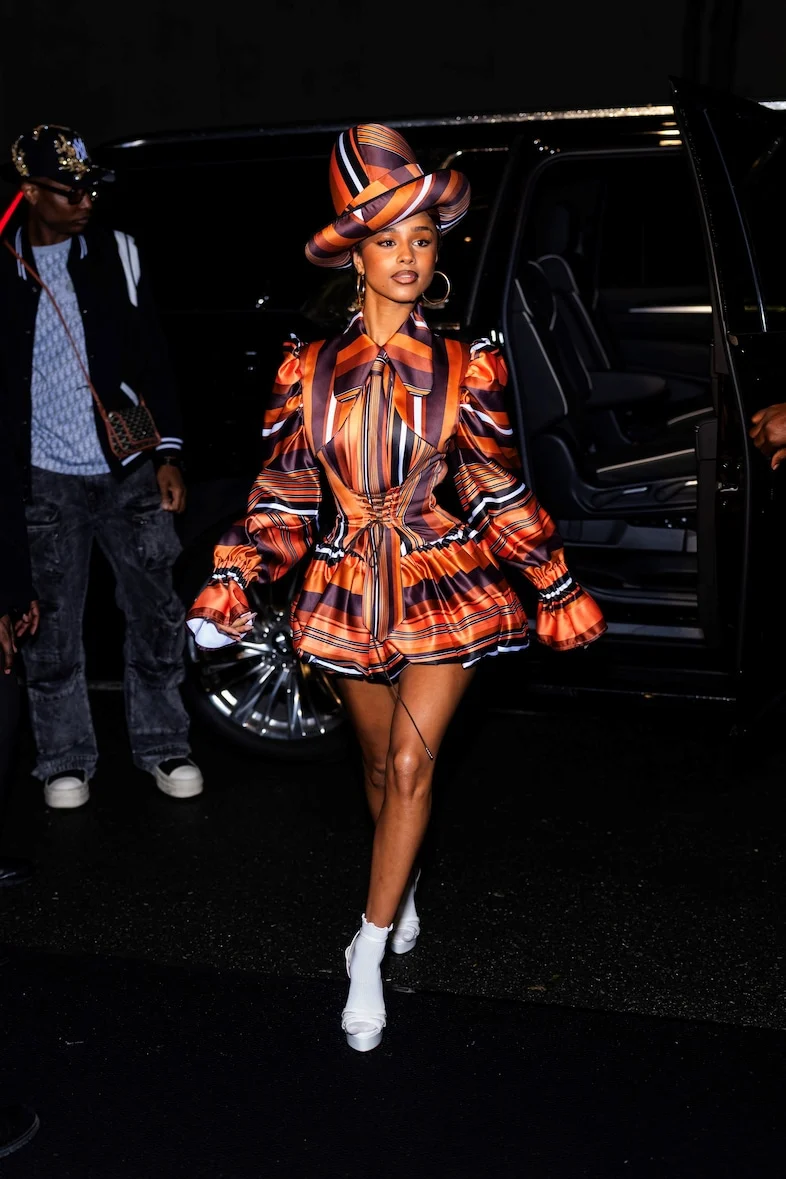
The antiquated phrase "mad as a hatter," rooted in the 18th century’s grim reality of mercury poisoning among milliners, paints a stark picture of the craft’s historical perils. During this era, hat makers, or "milliners," frequently used mercury nitrate in the felting process to transform animal fur into pliable felt, inadvertently exposing themselves to toxic vapours and absorption through the skin. This chronic mercury poisoning, often referred to as "mad hatter disease," manifested in neurological symptoms such as tremors, slurred speech, memory loss, paranoia, and vivid hallucinations, lending a tragic truth to the idiom. Fortunately, the industrial use of mercury was largely phased out by the mid-20th century, rendering such occupational hazards obsolete and allowing contemporary milliners to focus purely on the artistry of their craft.
Millinery, far from being a mere footnote in history, boasts a rich and prestigious lineage stretching back to the 1500s. From the elaborate headdresses of European royalty to the practical yet stylish bonnets of the Victorian era, hats have consistently served as powerful symbols of status, identity, and fashion. For centuries, a hat was an indispensable element of a complete ensemble, dictating social codes and reflecting prevailing aesthetic sensibilities. While the mid-20th century saw a decline in daily hat-wearing, the craft never truly disappeared, instead evolving into a niche art form championed by haute couture houses and bespoke artisans. Today, five centuries since its recorded origins, the art of millinery is experiencing a vibrant resurgence, driven by a dynamic new cohort of designers. These emerging talents are not merely replicating historical styles but are actively reimagining the very concept of headwear, blending traditional techniques with contemporary artistic vision, diverse materials, and a profound sense of individuality. This new crop of hat designers, comprising students, recent graduates, and independent brand builders, are carving out distinct niches within the fashion landscape, challenging conventions and elevating headwear to an expressive art form. Their innovative work was prominently featured during recent fashion events, including London Fashion Week (LFW), where their creations adorned runways and captivated industry observers, signalling a thrilling new chapter for an ancient craft.
The Enduring Allure of Headwear: A Historical Perspective and Modern Revival
The history of headwear is intrinsically linked to human civilization itself. Early head coverings served practical purposes – protection from the elements, warmth, or concealment – but quickly evolved to signify social standing, religious affiliation, military rank, and cultural identity. From ancient Egyptian nemeses to Roman circlets, medieval coifs to elaborate Renaissance turbans, and the iconic tricorns of the 18th century, hats have always been more than simple accessories. The Victorian era, in particular, witnessed a golden age of millinery, with bonnets, top hats, and decorative fascinators becoming essential components of daily attire, often dictating social propriety and personal flair. The early to mid-20th century saw an explosion of diverse hat styles, from cloches and fedoras to wide-brimmed sun hats, becoming synonymous with movie stars and fashion icons. However, the informalization of dress codes post-World War II, coupled with the rise of intricate hairstyles and the increasing popularity of automobiles (where large hats were impractical), led to a significant decline in everyday hat-wearing.
Despite this decline, millinery persisted in the realms of high fashion, ceremonial wear, and niche bespoke commissions. Master artisans continued to hone their skills, preserving traditional techniques while pushing artistic boundaries. The late 20th and early 21st centuries have witnessed a renewed appreciation for handcrafted, artisanal items, including headwear. This revival is fueled by several factors: a desire for unique self-expression in an increasingly homogenized world, a growing emphasis on sustainable and slow fashion, and the powerful visual impact of headwear in the age of social media. Contemporary milliners are capitalising on this shift, transforming hats from functional items or formal accessories into sculptural statements, artistic interventions, and extensions of personal identity. London Fashion Week, a global hub for innovation and emerging talent, has become a vital platform for these designers, showcasing how headwear can be both a nod to heritage and a daring leap into the future.
Spotlight on Emerging Millinery Talent
The current landscape of millinery is characterized by an eclectic mix of styles, techniques, and philosophies. The designers highlighted below exemplify this diversity, each bringing a unique perspective to the craft.
Storm Foster: Sculptural Forms and Interdisciplinary Influence
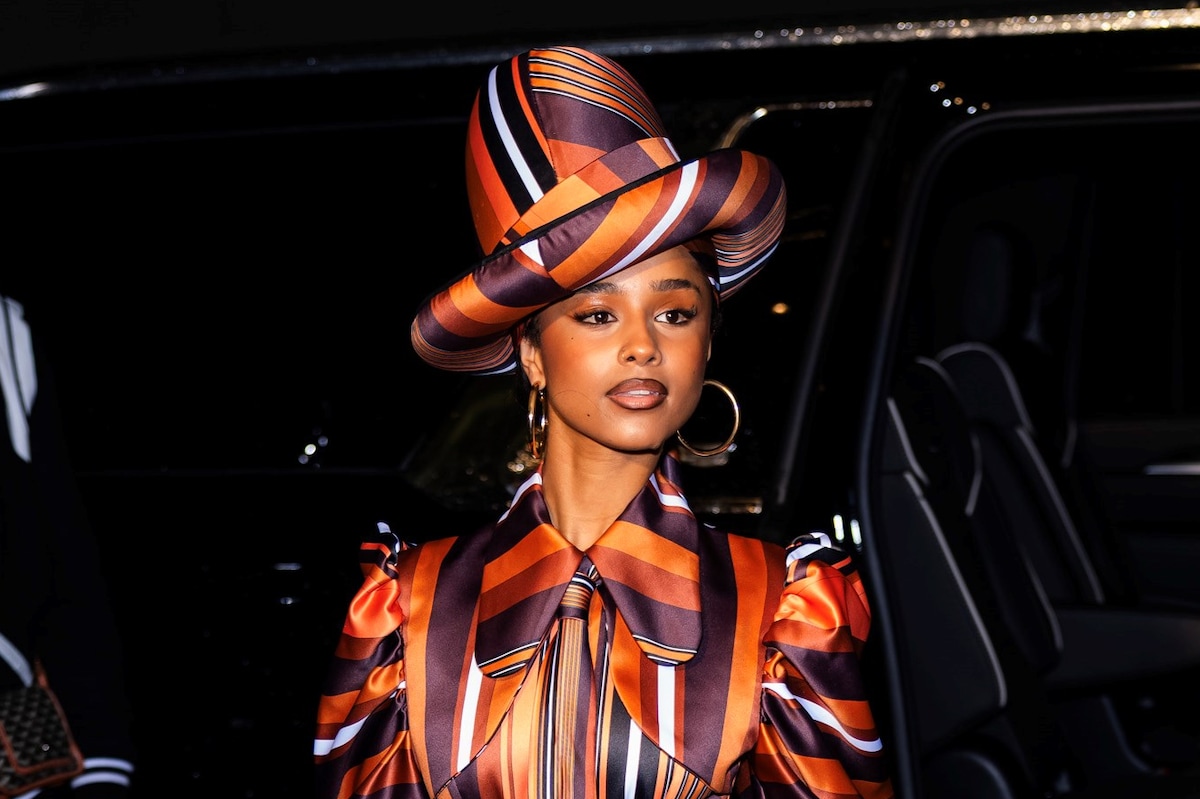
Storm Foster, a 27-year-old London-based creative, embodies the interdisciplinary approach increasingly common among contemporary designers. With a background in Fine Art, Foster approaches millinery not merely as a craft but as a sculptural discipline, treating each hat as a three-dimensional form to be meticulously constructed and manipulated. "I’d say my work is a mix between sculpture and fabric manipulation," Foster explains, highlighting her unique methodology. "Since I studied Fine Art, I tend to treat a hat like a 3D form that I’m building."
While not yet her sole profession, millinery is a rapidly growing facet of Foster’s multifaceted career. She juggles styling assisting, set design, prop buying, and theatre work, all of which, she notes, "definitely bleed into the way I approach a hat." This diverse experience enriches her perspective, allowing her to draw inspiration from various creative domains and infuse her headwear with a theatricality and structural integrity often found in set design or sculpture. Her recent collaboration with Swedish designer Petra Fagerström for London Fashion Week debut showcased her ability to integrate her sculptural headwear seamlessly into broader fashion narratives. Foster’s initial foray into hat-making was a black felt piece crafted for a Central Saint Martins course. However, she candidly admits that formal training provided only a foundation, with much of her learning coming from "playing around and watching YouTube." This self-taught ethos underscores a modern trend where accessibility to information empowers aspiring artisans to develop their skills outside traditional academic structures, emphasizing hands-on experimentation and digital learning as crucial components of skill acquisition. Her work signals a future where boundaries between art, fashion, and design are increasingly fluid, with headwear acting as a canvas for complex artistic expression.
Niall White: Military Aesthetics Meets Avant-Garde Glamour
At 25, Niall White has already established himself as a full-time milliner, navigating a demanding freelance career that spans from high-fashion collaborations to bespoke wedding commissions. His description of millinery as "quite a broad job description" reflects the versatile nature of the modern craft. "One week you’re designing for fashion collections and the next for someone’s wedding," he states, appreciating the inherent variety. When freed from client briefs, White’s personal artistic vision leans heavily into "military caps and helmets," infusing these historically rigid forms with unexpected materials and avant-garde flair. His work for designers Talia Byre and Patrick McDowell during London Fashion Week exemplifies his ability to merge distinct aesthetic vocabularies.
White’s journey into millinery began with an astonishingly ambitious first creation: "a huge lilac mohawk made of cardboard, wire, plaster of Paris, handmade feathers and a few cans of spray paint." This audacious piece, born from an inspiration for "showgirl aesthetic" but ultimately resembling a "Roman soldier helmet," reveals a fearless experimental spirit that continues to define his work. His favourite hat, a helmet crafted from "flat-back silver pearls and white ostrich feathers," showcases this fusion perfectly. The piece, with its "short peak at the front and the shape curves like a scorpion’s tail," draws inspiration from "Napoleonic officer helmets, which were often heavily adorned in gilded metal and bright horsehair plumes." White’s ability to reinterpret historical grandeur through contemporary materials and an imaginative lens positions him as a compelling voice in modern millinery, demonstrating how the past can inform a bold, futuristic aesthetic. His work challenges perceptions of masculine headwear, offering ornate and sculptural alternatives to traditional forms.
Virna Pasquinelli: Sculptural Craft and Transdisciplinary Exploration
Italian milliner Virna Pasquinelli, based in Surrey, represents a profound dedication to craft and a relentless pursuit of sculptural form. Her approach is deeply "rooted in a sculptural approach, exploring form and texture across textiles, metal, glass and mixed media." Pasquinelli leverages traditional millinery techniques as a foundational language, then "push[es] it towards more contemporary silhouettes with a strong visual identity." Her collaborations with prominent designers like Tolu Coker and Harris Reed, as well as her recognition as a recipient of the prestigious Queen Elizabeth Scholarship Trust (QEST) Award, underscore her exceptional skill and innovative vision within the industry. The QEST award, in particular, highlights her commitment to preserving and advancing traditional British craftsmanship, even as she reinterprets it.
For Pasquinelli, millinery is not an isolated discipline but an "entry point into a wider exploration of craft, which extends into props, set design and installations." This holistic view, where all creative outputs are "part of the same language, shaping ideas through making," resonates with the broader trend of interdisciplinary practice in contemporary art and design. Her first hat, a "green felt dome crown with a hand-shaped brim, formed into soft twists and swirls, almost elfin," evokes a whimsical, organic aesthetic. Her discovery of millinery was serendipitous; having moved to London in 2008 with plans for a year-long stay, she "fell in love immediately" with the craft after taking an evening course two and a half years later. This narrative emphasizes how passion can redirect career paths, leading to profound artistic dedication. Pasquinelli’s work exemplifies how deep respect for tradition can coexist with radical innovation, creating headwear that is both timeless and strikingly modern.
Ujjal Patel: Weaving Cultural Narratives into Wig-Hats
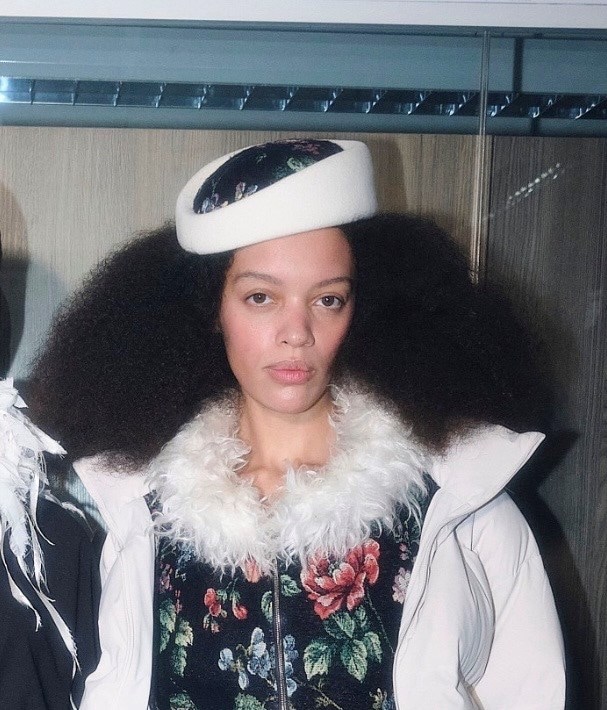
Ujjal Patel, a 23-year-old textile designer from Malawi currently studying at Central Saint Martins, offers a unique perspective on headwear that blurs the lines between millinery, textile art, and hair design. Her practice is "centred around material exploration of menswear, womenswear and occasionally accessories," focusing on "movement, adornment and cultural storytelling." Patel’s distinctive approach is characterized by "bringing together traditional craft and contemporary design through constructed forms." Her work gained significant attention during London Fashion Week when her innovative "hat-wigs" were featured in Macy Grimshaw’s MA collection, demonstrating a fresh and unconventional take on headwear.
Patel’s entry into millinery was, like Foster’s, somewhat accidental, stemming from "creating custom wigs for Macy Grimshaw’s BA womenswear collection." Each piece was developed "in response to a specific look," highlighting a collaborative and responsive design process. This year, she further evolved this concept into "wig-hats" for Grimshaw’s MA collection, marking a significant development in her practice. This organic growth underscores the dynamic nature of creative careers, where unexpected collaborations can open new avenues for artistic exploration. Her favourite creation, the "’hat hair’ collection," was particularly impactful, offering the excitement of seeing her work on the runway after a two-year hiatus from headpiece creation. This experience "reminded me how much I enjoy experimenting with wigs, and I definitely want to continue developing this further." Patel’s innovative wig-hats challenge conventional definitions of headwear, offering a fusion of hair art and sculptural adornment that tells cultural stories and explores identity through texture and form. Her work represents a powerful bridge between textile design, cultural heritage, and cutting-garde fashion.
Christopher Holland Brandt: Parody, Pop Culture, and DIY Aesthetics
Los Angeles-raised designer Christopher Holland Brandt, who relocated to London in 2024, injects a dose of irreverent humour and critical commentary into his headwear. His brand is built on designing and making "clothing inspired by the absurdity of American pop culture, reworking existing icons through a DIY bootleg practice." This approach positions his work within a broader trend of challenging corporate branding and consumerism through creative subversion. While hats were once the primary focus of his business, they now form "just one element of what I do, along with designing garments and accessories," indicating a natural expansion of his creative output.
Brandt’s first "properly made" hat was a bucket cap commissioned in 2020. This initial success spurred him to continue crafting bucket caps and baseball caps, often adorned with playful elements like "bunny, cat or puppy ears." These whimsical additions transform ordinary headwear into statements of playful rebellion and personal charm, reflecting a youth culture that embraces individuality and a touch of the absurd. His favourite hat, the "current iteration of my Pup Cap," exemplifies his ongoing engagement with these themes. Brandt’s work appeals to an audience that values authenticity, humour, and a distinctive, anti-establishment aesthetic. He successfully translates the spirit of streetwear and internet culture into tangible fashion pieces, demonstrating how headwear can be a vehicle for social commentary and lighthearted self-expression.
HURTENCE (Madeline Thornalley): Mental Tuning Devices and Instinct-Led Design
Madeline Thornalley, the creative force behind the London-based brand Hurtence, brings a deeply philosophical and instinct-driven approach to millinery. Her brand made its LFW debut with a collection famously "started with a single hat," underscoring the foundational role of headwear in her creative universe. Thornalley’s journey into millinery, as she describes, was one of persistent effort: "[Millinery] kept going wrong, but I kept trying, and I’m still making hats." This candid admission speaks to the dedication and resilience required in mastering a craft.
Thornalley articulates her unique vision by defining her hats as "mental tuning devices – hats become your character, or your character becomes the hat." This profound statement elevates headwear beyond mere adornment, positioning it as an instrument for psychological transformation and identity projection. Her hats are not just accessories; they are conduits for embodying different facets of oneself, tools for self-discovery and performance. While she dedicates herself to millinery full-time, Thornalley also engages in "making lampshades over at TON magazine," suggesting a broader fascination with form, light, and the way objects shape environments and perceptions. Her refusal to name a favourite hat – "I don’t like to have favourite hats because the last time I had a favourite, I lost it" – adds another layer of intriguing personality, hinting at a transient, evolving relationship with her creations. Hurtence’s LFW debut, widely praised, solidified Thornalley’s position as a designer who crafts not just hats, but potent symbols of inner worlds. Her work is a testament to the power of intuition and personal narrative in fashion, creating headwear that truly resonates on a deeper, almost spiritual level.
Broader Impact and Implications: The Future of Millinery
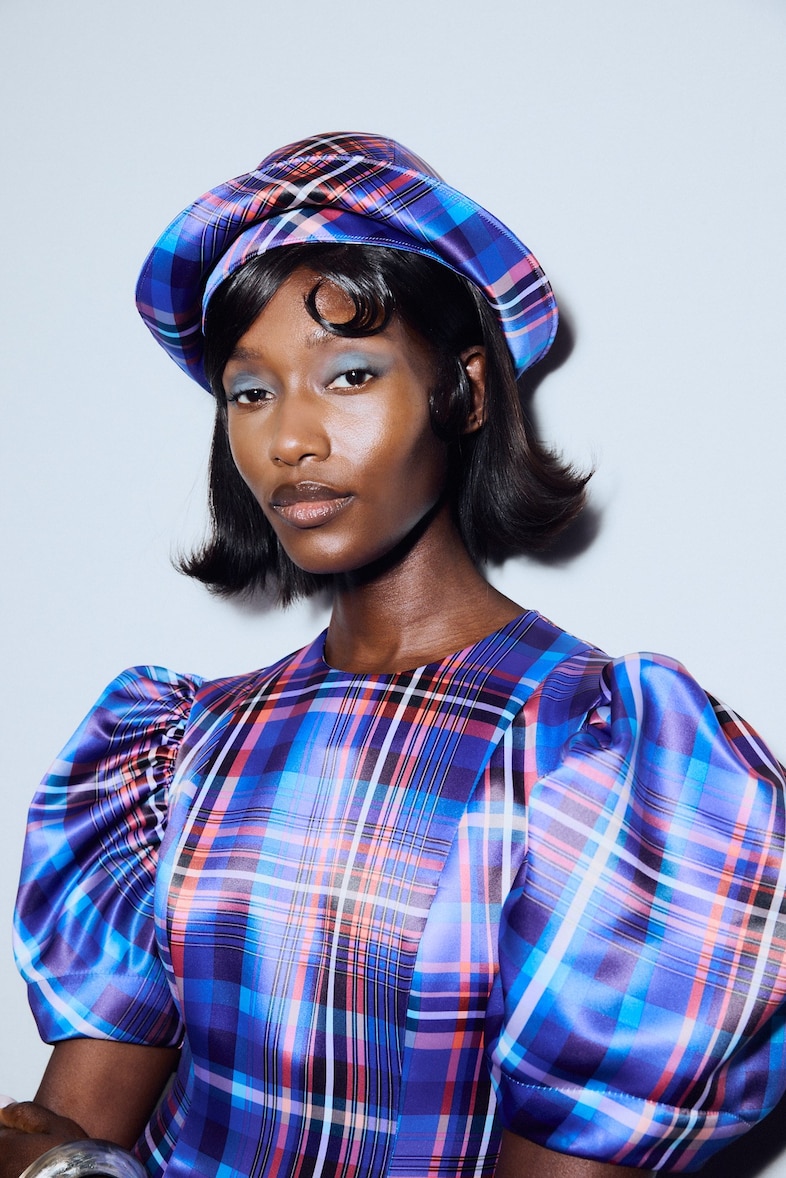
The collective work of these emerging milliners signals a dynamic shift in the fashion industry’s approach to headwear. Their contributions extend beyond aesthetic innovation, touching upon broader implications for fashion, identity, and craftsmanship.
Redefining Personal Style and Self-Expression: In an era where individuality is highly prized, hats are re-emerging as powerful tools for personal expression. These designers create pieces that are often bold, sculptural, and highly distinctive, allowing wearers to make strong statements about their identity, mood, and aesthetic preferences. Headwear is no longer just a functional item or a formal accessory but a central element in constructing a unique personal narrative.
The Blurring of Art and Fashion: Many of these designers, particularly Storm Foster and Virna Pasquinelli, come from fine art backgrounds or approach their craft with a sculptural sensibility. This fusion elevates millinery from a traditional craft to a contemporary art form, blurring the lines between wearable art and high fashion. Their creations are often seen as collectible pieces, valued for their artistic merit as much as their fashion appeal.
Sustainability and Artisanal Craft: The emphasis on handcrafted, bespoke, and often locally produced headwear naturally aligns with the growing demand for sustainable and ethical fashion. Millinery, by its very nature, often involves meticulous handwork and thoughtful material selection, contrasting sharply with the mass production models of fast fashion. This focus on craftsmanship ensures longevity and reduces waste, appealing to environmentally conscious consumers.
The Digital Age and Global Inspiration: While millinery is a tactile craft, the digital age plays a crucial role in its modern revival. Social media platforms provide an unprecedented global stage for these independent designers to showcase their work, connect with international clients, and draw inspiration from diverse cultures. From Ujjal Patel’s cultural storytelling through her wig-hats to Christopher Holland Brandt’s pop culture parodies, global influences and digital dissemination are vital for contemporary milliners.
Interdisciplinary Collaboration and Innovation: The collaborative spirit evident in Ujjal Patel’s work with Macy Grimshaw, or Storm Foster’s integration of set design and theatre into her millinery, highlights a future where creative disciplines increasingly intertwine. This cross-pollination of ideas and techniques leads to novel forms and functions for headwear, pushing the boundaries of what a hat can be.
Economic Growth for Independent Designers: The rise of these emerging talents also points to a growing micro-economy of independent fashion designers. With lower barriers to entry for establishing online brands and leveraging social media, these artisans are building sustainable businesses around their passion, contributing to the diversity and vibrancy of the fashion ecosystem.
In conclusion, the current generation of milliners is transforming an ancient craft into a forward-thinking art form. By blending historical knowledge with innovative materials, sculptural approaches, and a keen understanding of contemporary culture, designers like Storm Foster, Niall White, Virna Pasquinelli, Ujjal Patel, Christopher Holland Brandt, and Madeline Thornalley are not just making hats; they are crafting statements, fostering self-expression, and enriching the broader narrative of fashion. Their work signals a bright and imaginative future for headwear, firmly establishing its place as a pivotal element in the evolving landscape of global style.