








While the 1980s are often remembered for neon colors and synth-pop, the Every Day Carry (EDC) of a gentleman during this era was a refined, and increasingly high-tech, affair. This pivotal decade, characterized by economic booms, burgeoning consumerism, and the dawn of personal technology, saw men’s pockets and briefcases transform into carefully curated collections of tools and status symbols. The 1980s gentleman navigated a world where analog traditions met digital innovations, creating an EDC that was both functional and a statement of evolving identity.
The Rise of the Stylish Shield: Sunglasses as a Modern Essential

By the 1980s, the traditional dress hat, once a staple of masculine attire, had largely receded from daily wear. Its decline created a void in the gentleman’s ensemble, one that sunglasses rapidly filled. Propelled by an unprecedented surge in pop culture influence, shades transitioned from mere eye protection to an indispensable fashion accessory and a potent status symbol. Blockbuster films and iconic television series played a critical role in this shift. Top Gun (1986) cemented Ray-Ban Aviators as the epitome of cool and confidence, instantly elevating their wearers to a heroic, aspirational status. Similarly, Ferris Bueller’s Day Off (1986) showcased the rebellious charm of Ray-Ban Wayfarers, making them a must-have for those seeking a blend of classic style and youthful defiance. On the small screen, Miami Vice (1984-1989) turned Giorgio Armani and Persol sunglasses into symbols of sophisticated, sun-drenched power, synonymous with the show’s distinctive aesthetic.
This cultural omnipresence translated into booming sales. Ray-Ban, for instance, saw a remarkable 50% increase in Wayfarer sales after product placement in Risky Business (1983) and Miami Vice, illustrating the immense power of media in shaping consumer trends. The choice of sunglasses reflected not just personal style but also a connection to these aspirational figures and narratives, making them an essential and visible component of the 1980s gentleman’s daily carry.
Time on the Wrist: The Analog-Digital Divide

The wristwatch remained the paramount tool for punctuality and a key sartorial element, but the 1980s presented a compelling stylistic and technological dichotomy: the enduring elegance of analog timepieces versus the revolutionary utility of digital watches.
The Enduring Appeal of the Traditional Choice
For many gentlemen, the traditional analog wristwatch continued to signify refinement and status. This decade saw the height of popularity for two-tone metal colorways, typically combining gold and steel, which exuded a sense of luxurious versatility suitable for both business and leisure. Square or non-circular dials also emerged as a fashionable alternative to classic round designs, offering a distinctive, modern aesthetic. Esteemed brands such as Seiko, Omega, and IWC (International Watch Company) stood as middle-market and luxury staples. Seiko, having been at the forefront of the "quartz revolution," offered precision and reliability, often in innovative designs that appealed to a broader audience. Omega maintained its legacy of prestige and craftsmanship, while IWC, though perhaps less ubiquitous than Rolex, catered to a discerning clientele with its robust engineering and elegant designs, often preferred by seasoned professionals. These watches were not merely timekeepers but heirlooms, often passed down through generations, embodying timeless sophistication.
The Digital Revolution Takes Hold
Concurrently, the "gadget watch" arrived in earnest, democratizing advanced functionality. While digital watches had debuted in the 1970s as high-end, futuristic items – epitomized by Roger Moore’s Hamilton Pulsar in Live and Let Die (1973) – the 1980s ushered in an era of affordability and widespread adoption. Casio became the undisputed king of the wrist, transforming the digital watch into a mainstream phenomenon. Their innovative designs incorporated a range of practical complications, including lights for visibility in low light, multiple alarms, stopwatches, and even built-in calculators, which proved invaluable for students and business professionals alike. The introduction of the G-Shock in 1983 further solidified Casio’s reputation for rugged durability, catering to a more active lifestyle. Digital watches were often seen as a symbol of modernity and technological embrace, appealing to a younger, more tech-savvy demographic and marking a clear departure from traditional horology.

The Necessity of Coins: Loose Change & Payphones
In a world blissfully unaware of the impending smartphone revolution, a pocket full of quarters, dimes, and nickels was not merely convenient but a literal lifeline. The ubiquitous payphone booth, found on nearly every street corner, in bus stations, and within public buildings, served as the primary means of communication for anyone away from a landline. A sudden need to contact family, confirm a meeting, or summon assistance meant scrambling for loose change. This spare currency was typically kept in a dedicated coin purse, often a small leather pouch, or simply allowed to rattle freely within a trouser or jacket pocket, a familiar jingle accompanying the gentleman’s movements. This reliance on public infrastructure for communication stands in stark contrast to today’s instantaneous, private mobile connectivity, highlighting a fundamental difference in daily preparedness.
The Bifold Wallet and the "Card Boom"
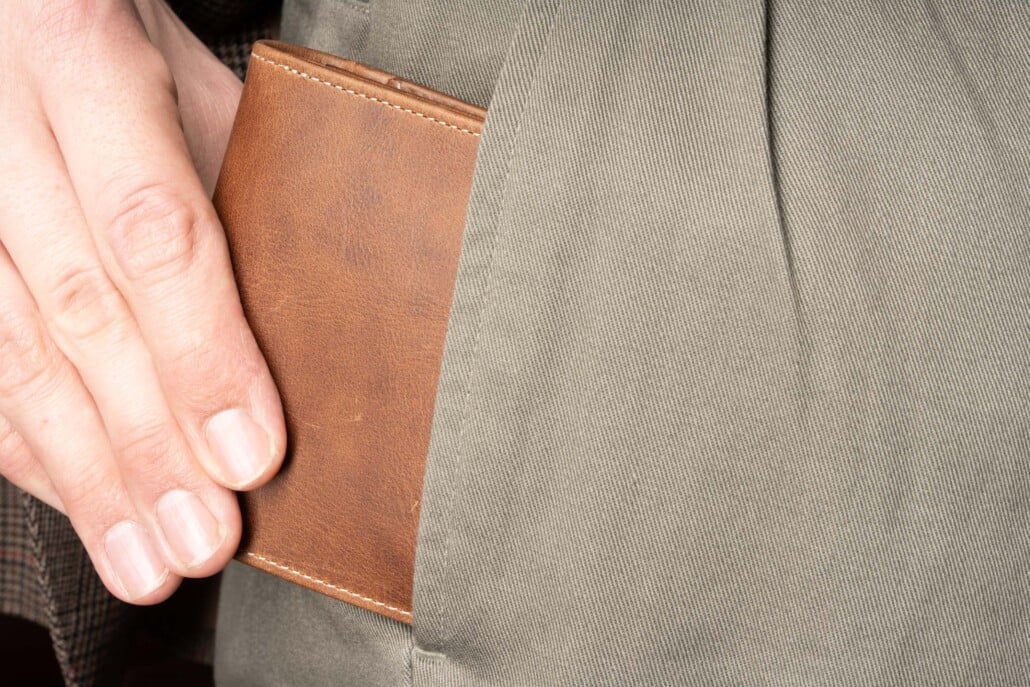
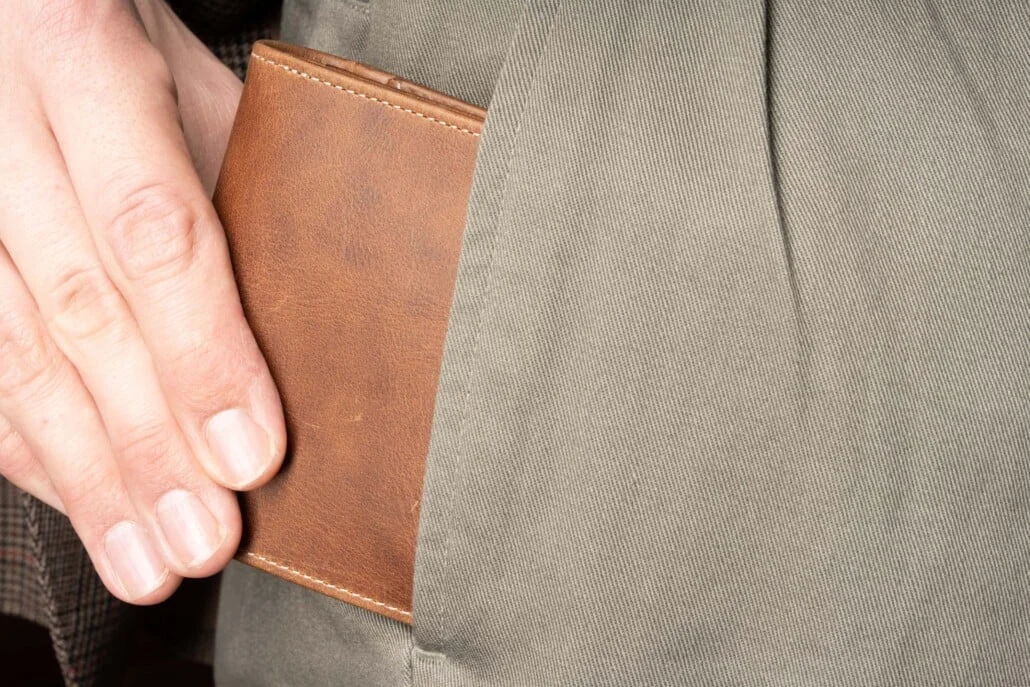
Traditional leather bifold wallets reigned supreme in the 1980s, primarily because men were carrying significantly more than just cash. The decade witnessed an unprecedented "card boom," transforming the wallet from a simple money holder into a complex organizer of personal finance and identity.
The 1980s saw an explosion in the variety of cards a man needed to carry:
- Credit Cards: Visa, MasterCard, and American Express became mainstream, facilitating consumer spending and offering a new level of financial flexibility. Carrying multiple credit cards was a sign of affluence and access.
- Debit Cards: While not as widespread as credit cards, early forms of debit cards began to appear, linked directly to bank accounts.
- Driver’s License/Identification: Essential for legal identification and proving age.
- Club Memberships: Health club memberships, video rental store cards, and various retail loyalty cards began to proliferate, requiring dedicated slots.
- Insurance Cards: Medical and auto insurance cards were crucial for emergencies.
- ATM Cards: The rise of automatic teller machines meant carrying a card for cash withdrawals, further reducing the need to carry large sums of cash.
This proliferation of plastic necessitated a robust wallet design, capable of accommodating a growing number of slots without becoming unwieldy. Leather, particularly full-grain varieties, was the material of choice, valued for its durability, ability to develop a rich patina over time, and its association with classic masculine elegance. The bifold, with its multiple compartments and card slots, perfectly met the demands of the "Power Carry" era.
The Art of Networking: Refined Business Cards & Cases
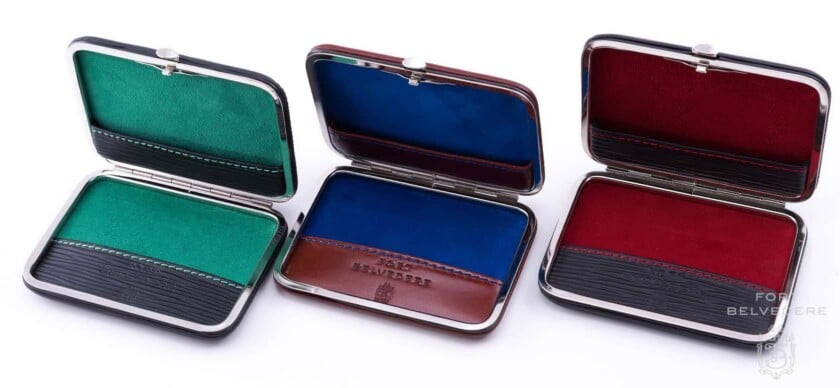
In the competitive corporate landscape of the 1980s, exchanging business cards was more than a professional necessity; it was a ritual, a tangible extension of one’s professional persona. The quality and presentation of a business card, and crucially, its case, were meticulously judged. For those operating in the upper echelons of the white-collar world, the case was often considered just as important as the card itself, signaling attention to detail and a commitment to professionalism.
The famous scene from American Psycho where Patrick Bateman obsesses over the minutiae of business card design – "That’s bone. And the lettering is something called Silian Rail" – while a satirical exaggeration, perfectly captured the era’s heightened awareness of such details. To avoid any perceived anxiety or lack of preparedness, gentlemen invested in exquisite leather or polished metal cases from prestigious brands. Louis Vuitton, with its iconic monogram, offered an undeniable statement of luxury. Cartier provided sophisticated, often minimalist, designs that whispered understated wealth. Armani, synonymous with the decade’s power dressing aesthetic, also offered sleek accessories that complemented their sartorial offerings. These card cases were not merely functional; they were sartorial extensions, carefully chosen to project an image of success, sophistication, and meticulous organization, reflecting the ambitious spirit of the 1980s professional.

The Checkbook: A Steadfast Financial Instrument
While credit cards were rapidly gaining traction, the checkbook remained a primary payment method for the majority of the 1980s, particularly for larger transactions like rent, utility bills, or significant purchases. Though its dominance began to decline towards the end of the decade, supplanted by the growing convenience of plastic, it held its ground for a significant portion of the era. Usually encased in a slim, elegant leather cover, the checkbook occupied a dedicated space alongside cash and credit cards within the gentleman’s wallet or briefcase, serving as a reliable pillar of 1980s personal finance. Its presence underscored a more traditional approach to money management, a methodical process of recording expenditures before the advent of instantaneous digital tracking.
The Personal Touch: Personalized Small Leather Goods
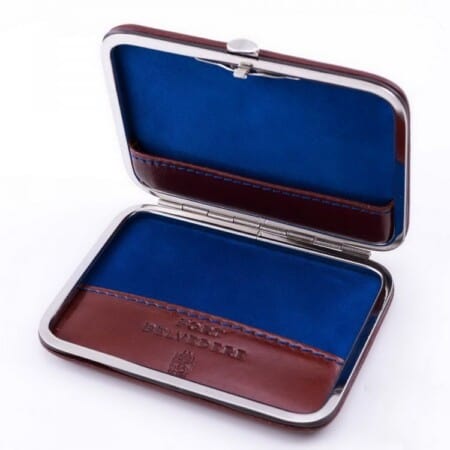
The 1980s, a decade that celebrated individual expression alongside material success, saw a significant rise in the popularity of personalized small leather goods. Thanks to advancements in manufacturing techniques, it became increasingly affordable for the average man to have items like key fobs, wallets, and card cases monogrammed or embossed with his initials. This trend allowed individuals to imbue their everyday essentials with a sense of "bespoke luxury" without incurring the prohibitive costs associated with historic custom-made products. These personalized items offered a subtle yet distinct way to assert one’s identity and ownership, reflecting a broader cultural appreciation for individuality and curated personal style. It democratized a touch of exclusivity, making sophisticated, individualized accessories accessible to a wider demographic.
The Analog Hub: The Daily Planner (The Filofax)
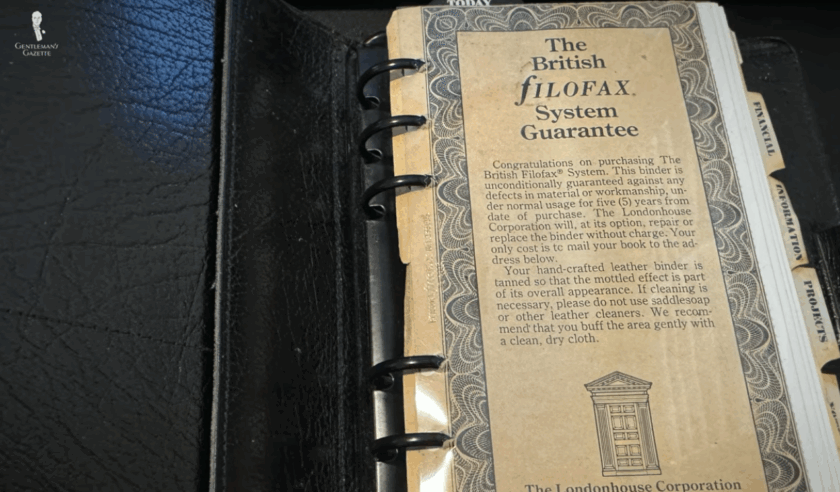
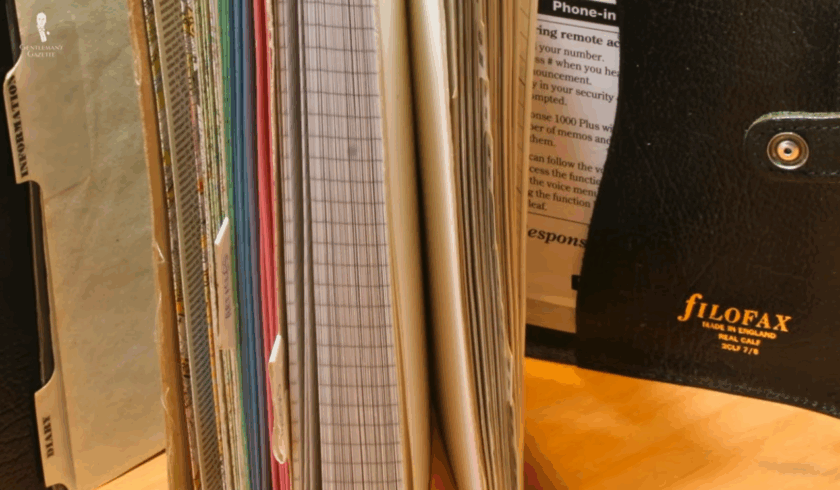
Before the advent of pocket-sized digital calendars and smartphones, the Filofax was the undisputed champion of personal organization for the ambitious 1980s professional. For the "yuppie" (Young Urban Professional) subculture, a leather-bound, ring-bound daily organizer was far more than just a diary; it was an indispensable tool for managing a demanding schedule, storing critical contact information, and keeping track of reminders and to-do lists.

The Filofax’s modular design, allowing users to customize its contents with various inserts—calendars, address books, notepads, financial trackers, and even mini calculators—made it incredibly versatile. It was a tangible symbol of efficiency and ambition, often prominently displayed during meetings or carried with an air of importance. Its presence signaled that its owner was organized, proactive, and in control of their bustling professional life. The Filofax became an iconic analog precursor to the smartphone, embodying the era’s drive for productivity and meticulous planning in a beautifully crafted, tactile package. Its cultural impact was significant, solidifying its place as a quintessential accessory for the upwardly mobile gentleman of the decade.
The Workhorse: The Ballpoint Pen
While the elegant fountain pen retained its status as the choice for the traditionalist and connoisseur, the ballpoint pen unequivocally became the 1980s workhorse. Its convenience, reliability, and affordability made it the ubiquitous writing instrument for everyday tasks. Unlike fountain pens, ballpoints required no special care, didn’t smudge easily, and could write on almost any surface, making them ideal for rapid note-taking, signing documents, and everyday correspondence.
The mass production of ballpoint pens also made them a popular item for corporate branding. Companies frequently personalized them with business logos, transforming them into effective and inexpensive "swag" that was widely distributed. Brands like Parker and Cross offered more refined, refillable options that bridged the gap between utilitarian and elegant, ensuring that a gentleman always had a dependable writing tool at hand. The ballpoint’s practicality perfectly aligned with the fast-paced, efficiency-driven ethos of the decade.
The Pocket Protector: A Practical Shield, A Cultural Cliché
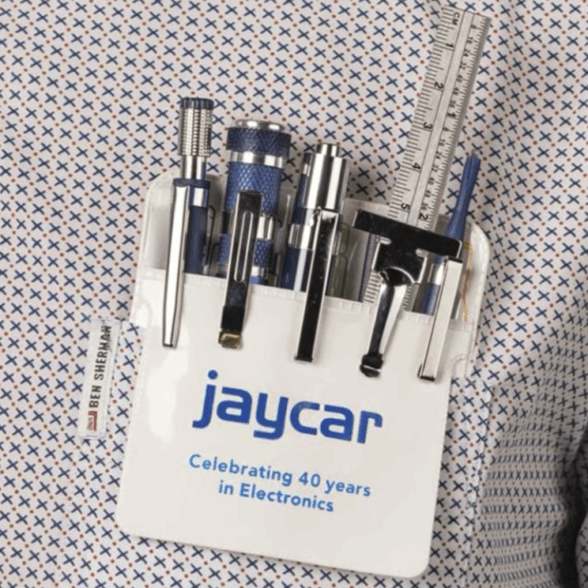
As ballpoint pens became cheaper and more disposable, the risk of an ink leak, which could irrevocably ruin an expensive dress shirt, increased proportionally. This practical concern gave rise to the widespread use of the pocket protector. Crafted typically from clear or white vinyl, this simple device was designed to fit snugly into a shirt’s breast pocket, providing a barrier against errant ink.
Engineers, office workers, and academics often sported the pocket protector as a purely functional item. It served its purpose admirably, safeguarding costly garments from unsightly stains. However, as the decade progressed, the pocket protector began to acquire a distinct cultural connotation. It became inextricably linked with a "nerdy" or overly studious stereotype, a visual shorthand in popular culture for characters lacking social grace but possessing intellectual prowess. By the close of the 1980s, while still performing its practical function, it had largely faded as a widespread fashion accessory, retreating into the realm of a pop-culture cliché, yet its presence in the EDC of many professionals was undeniable.
The Emblem of Professionalism: The Briefcase & Attaché Case
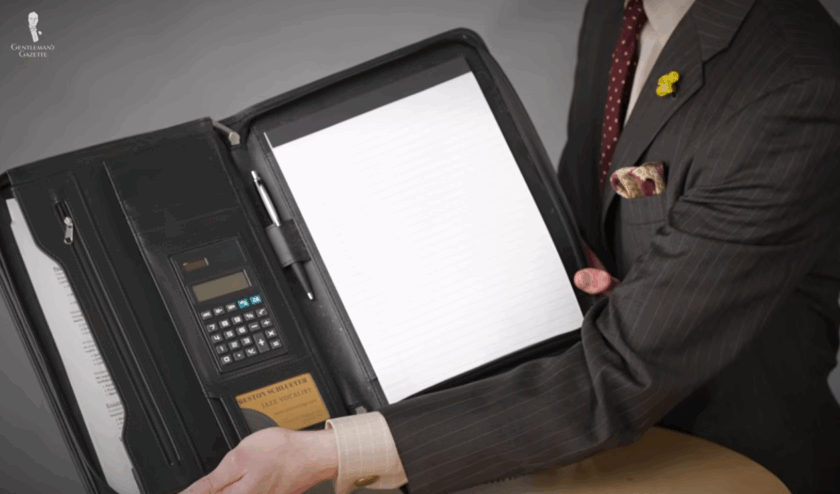
If you were a professional in the 1980s, carrying a briefcase or attaché case was not merely an option; it was an absolute necessity and a powerful symbol of your career status. These items were the mobile offices of the era, essential for transporting documents, contracts, calculators, and often a personal planner.
The choice between a briefcase and an attaché case often reflected a subtle distinction in professional identity. The hard-sided attaché case, typically made of leather or aluminum with a rigid frame and combination locks, projected an image of formidable authority, security, and gravitas. It was the preferred choice for executives, lawyers, and those whose work demanded a polished, unyielding presentation. Softer, more traditional leather briefcases, on the other hand, offered a slightly more relaxed yet still highly professional aesthetic. These came in various leathers—from smooth calfskin to textured alligator—and often featured multiple compartments and exterior pockets, catering to those who needed more flexibility and storage. Brands like Coach, Tumi, and Hartmann were popular, offering durability and style. The briefcase was an essential extension of the 1980s power suit, completing the ensemble of the upwardly mobile professional and serving as a crucial vessel for the tools of their trade.
The Personal Soundscape: The Sony Walkman
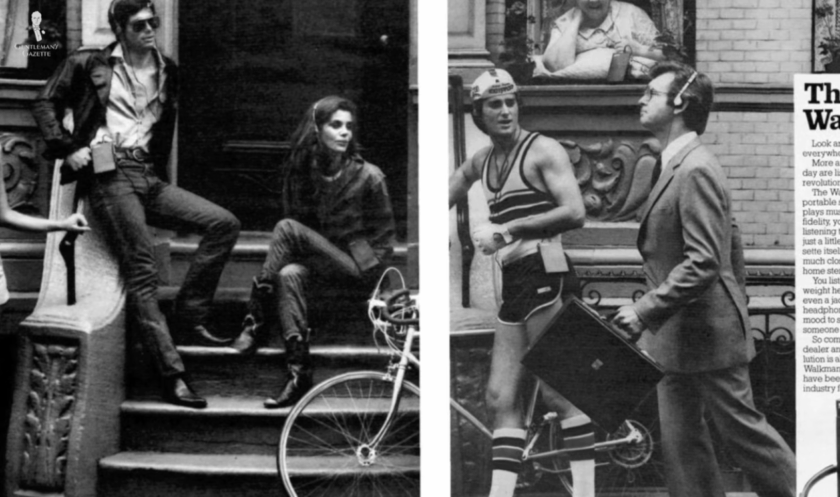
The Sony Walkman, introduced in 1979, was arguably the "poster child" for 1980s tech innovation and a device that profoundly revolutionized personal entertainment. It allowed individuals to carry their favorite music with them, creating a private soundscape in public spaces. This portable cassette player became an instant global phenomenon, selling millions of units and fundamentally altering how men commuted, relaxed, and exercised.
The Walkman liberated music from the confines of homes and cars, making it a truly personal and mobile experience. It was hip, trendy, and, for the fitness-obsessed 80s man, an essential companion for a jog through the park or a workout at the gym. Its sleek design, lightweight construction, and decent sound quality made it an irresistible gadget. The Walkman represented a significant cultural shift towards individualized media consumption, laying the groundwork for future portable music devices and becoming a defining element of the decade’s EDC across all demographics, from teenagers to professionals.
Bonus: The "Brick" Mobile Phone and Car Phone
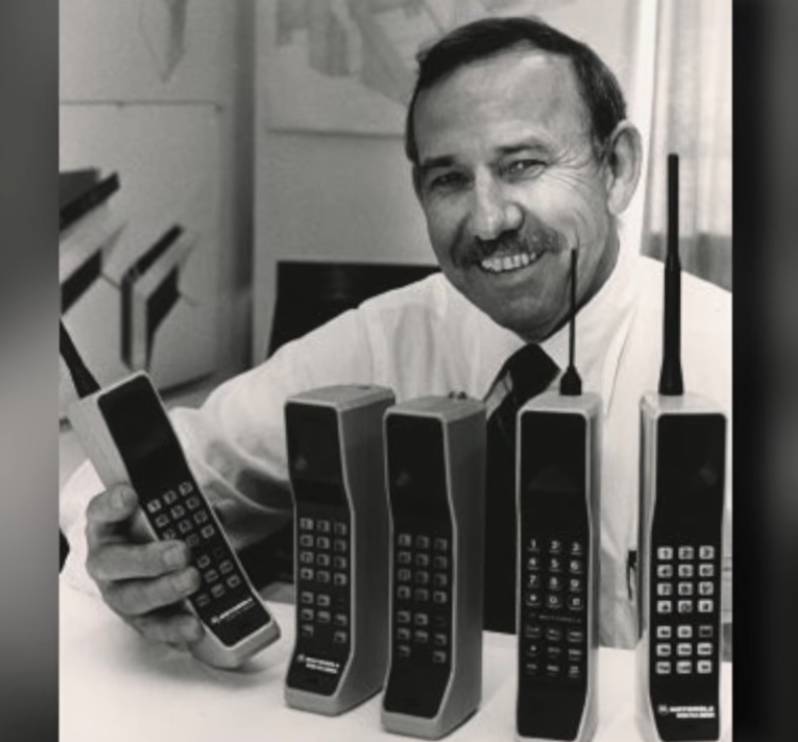
For a select few—the 1% on the bleeding edge of technology—the Motorola DynaTAC 8000X represented the ultimate status symbol: the "brick" mobile phone. Launched commercially in 1983, this monumental device was the world’s first handheld cellular phone. Weighing approximately 2.2 pounds (1 kg) and standing over 10 inches tall, it earned its nickname due to its size and weight. Its exorbitant price tag, initially around $3,995 (equivalent to over $11,000 today), and limited battery life (only 30 minutes of talk time) ensured its exclusivity. Owning a DynaTAC was a clear signal of immense wealth and power, often seen clutched by ambitious executives and stockbrokers in films like Wall Street. It was less a practical communication tool for the masses and more a dazzling technological flex, a precursor to the mobile revolution that would fully unfold in subsequent decades.
Also popular in the 1980s, and a staple for the previous two decades, was the car phone. These devices were hardwired directly into a vehicle’s electrical system, often featuring a handset and a separate transceiver unit. By the 1980s, car phones had become a common and indispensable tool for business professionals, real estate agents, and anyone who needed to maintain constant communication while on the move. The ability to make and receive calls from one’s car offered a significant competitive advantage in a fast-paced business environment. Specialized mounting devices were also entering the scene, allowing men to integrate their mobile phones with their cars for easier access and hands-free operation (though true hands-free technology was still rudimentary). These car-bound communication systems provided a critical link for professionals, bridging the gap between fixed-line telephones and truly portable personal devices.
Summary Table: 1980s EDC Essentials
| Item | Popular Brands | Key Feature | Cultural Significance |
|---|---|---|---|
| Sunglasses | Ray-Ban, Oakley, Persol | Wayfarers & Aviators | Iconic status symbol, media-driven fashion essential. |
| Wristwatch | Casio, Seiko, Omega, IWC | Digital complications or Two-tone metal | Blend of traditional elegance and modern tech utility. |
| Organization | Filofax | Leather-bound paper planners | Yuppie essential, symbol of meticulous professionalism. |
| Audio | Sony | The Walkman (Portable Cassette) | Revolutionary personal soundscape, fitness companion. |
| Professional | Parker, Cross, Montblanc | Ballpoint pens & Attaché cases | Everyday utility, corporate branding, status accessory. |
| Wallet | Louis Vuitton, Hartmann | Bifold, increased card slots | Financial hub for the "card boom," personal identity. |
| Mobile Phone | Motorola (DynaTAC) | "Brick" phone (early, expensive, exclusive) | Ultimate status symbol for the ultra-wealthy. |
Conclusion: A Decade of Transition
The Every Day Carry of the 1980s gentleman offers a fascinating snapshot of a decade in dynamic transition. It reflects a unique blend of established sartorial traditions and the exhilarating emergence of personal technology. From the classic elegance of a two-tone wristwatch and a fine leather briefcase to the groundbreaking portability of the Sony Walkman and the aspirational exclusivity of the "brick" phone, 1980s EDC was a testament to a society embracing both refinement and rapid innovation.
This era’s essentials laid much of the groundwork for modern daily carry. The emphasis on personal organization, the burgeoning need for mobile communication, and the desire for personalized entertainment were all seeds planted in the 1980s, blossoming into the smartphone-centric world we know today. The 1980s gentleman’s pockets and bags were not just receptacles for necessities; they were curated collections that spoke volumes about his ambition, his style, and his place in a rapidly changing world, forever bridging the gap between analog tradition and digital future.
We’ve already covered the 1920s and the 1960s. We invite those who lived through the 1980s to share their memories: which items were indispensable for your daily carry, and how accurate was our roundup? Your insights enrich our understanding of this pivotal decade.