








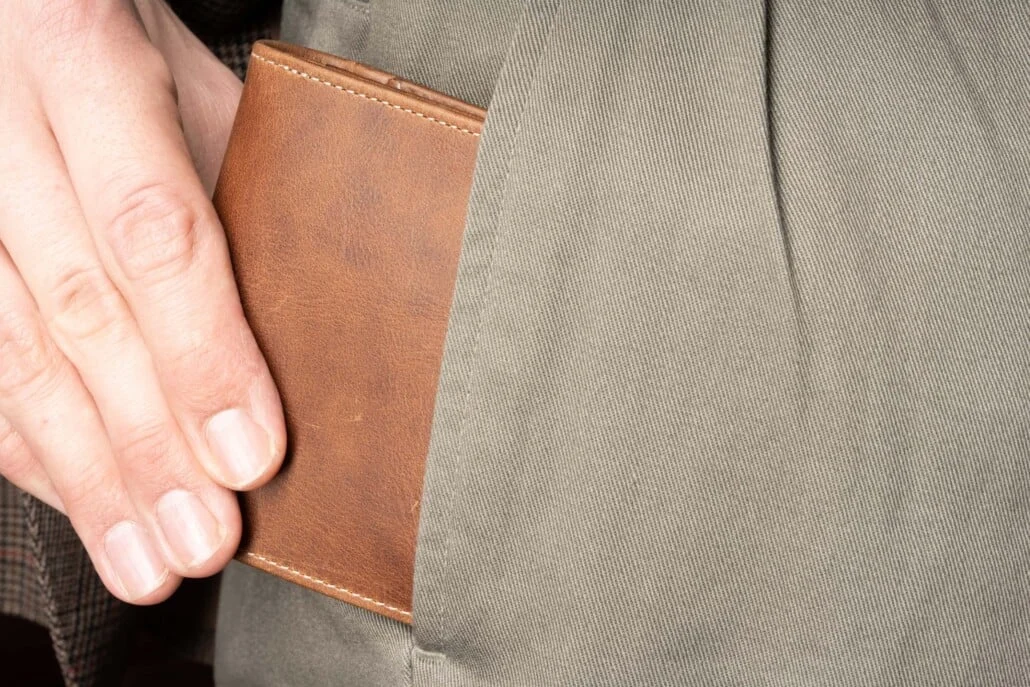
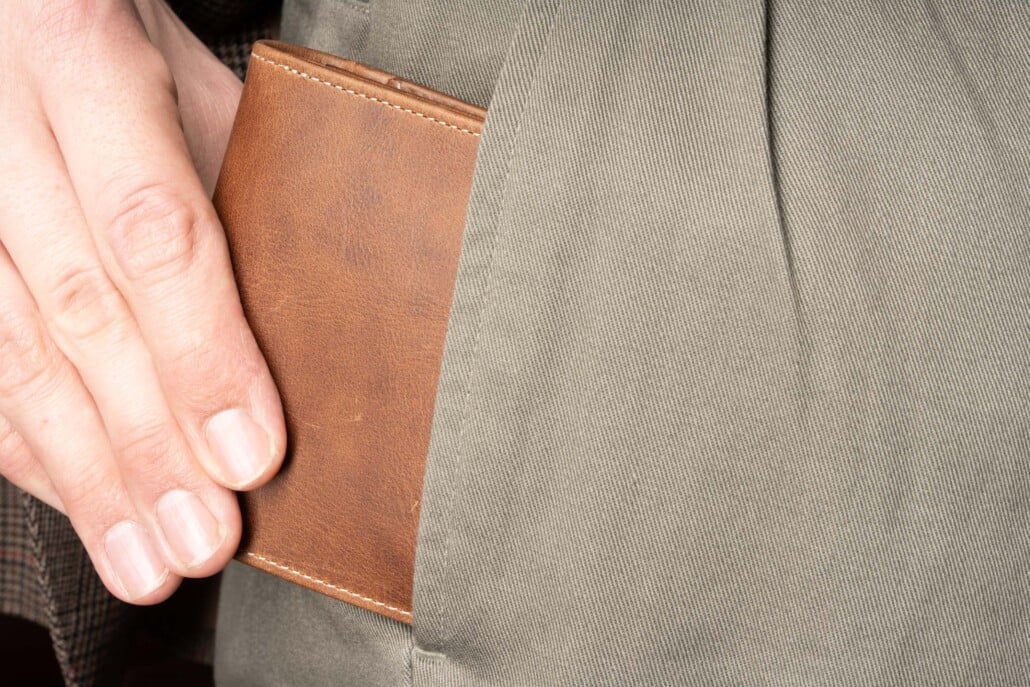
The 1980s, a decade synonymous with bold fashion, burgeoning consumerism, and the dawn of personal technology, saw the Everyday Carry (EDC) of a gentleman evolve significantly. Far from the minimalist approach of previous eras, the 80s EDC was a curated collection reflecting a dynamic shift towards convenience, status, and an increasingly sophisticated blend of analog tradition and digital innovation. This era, often remembered for its vibrant cultural output and economic boom, fostered a unique set of daily essentials that defined the professional, the trendsetter, and the man on the move.

A Decade of Transition: The Context of 1980s EDC
The 1980s in Western societies, particularly in the United States and Europe, marked a period of robust economic growth, often termed "Reaganomics" or "Thatcherism." This era saw the rise of the "yuppie" (young urban professional) as a cultural archetype, embodying ambition, wealth, and a keen interest in material symbols of success. Consumer culture flourished, driven by effective advertising campaigns and a growing middle class with disposable income. Technology, while still in its infancy compared to today, began its inexorable march into daily life, offering glimpses of a connected future. The gentleman’s EDC of this period was a microcosm of these broader societal trends, marrying traditional elegance with cutting-edge (for the time) gadgets.
The Eye of the Storm: Sunglasses as a Statement
By the 1980s, the traditional gentleman’s hat had largely receded from daily fashion, leaving a void for headwear and facial accessories. Sunglasses stepped into this gap, transforming from mere eye protection into a potent symbol of cool, sophistication, and status. Their popularity exploded, heavily influenced by Hollywood blockbusters and iconic television series. Films like Top Gun (1986) cemented Ray-Ban Aviators as the epitome of masculine cool, with sales of the classic model skyrocketing by an estimated 40% after its release. Tom Cruise’s character in Risky Business (1983) propelled the Wayfarer into unparalleled stardom, reviving the model from near obsolescence; Ray-Ban sold 360,000 pairs of Wayfarers in 1981, a figure that surged to 1.5 million by 1986. Miami Vice (1984-1989) showcased a range of sleek, often designer, shades, reinforcing the idea that sunglasses were an integral part of a powerful, modern image. Other brands like Oakley began their ascent, offering sportier, performance-oriented designs. The implication was clear: a gentleman’s ensemble was incomplete without a pair of high-quality sunglasses, signaling confidence, an awareness of contemporary style, and an affinity for the cultural touchstones of the era.
Timekeeping: The Analog-Digital Divide
Wristwatches remained an indispensable tool for punctuality, but the 80s presented a fascinating stylistic and technological dichotomy, reflecting consumer choices between tradition and innovation.

-
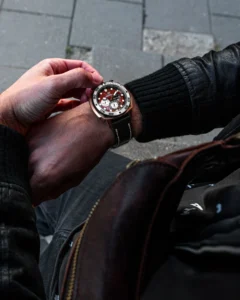
The Enduring Appeal of Analog: For the traditionally inclined, mechanical and quartz analog watches continued to symbolize refined taste. The era favored specific aesthetics: two-tone metal colorways (the harmonious blend of gold and steel), often seen on iconic models like the Rolex Datejust, became a hallmark of executive style. Square or non-circular dials, such as those popularized by Cartier’s Tank or some Omega Seamaster models, offered a distinctive, architectural elegance. Brands like Seiko, Omega, and IWC (International Watch Company) were staples in the middle to luxury segments, offering robust craftsmanship and timeless designs. These watches were not just time-telling devices; they were heirlooms, status markers, and testaments to horological artistry, often paired with tailored suits and expensive cars. IWC, pronounced ee-veh-tseh by aficionados, maintained its reputation for precision and understated luxury, appealing to a discerning clientele.
-
The Digital Revolution Takes Hold: While digital watches first appeared in the 1970s as expensive novelties (e.g., Roger Moore’s Hamilton Pulsar in Live and Let Die), the 1980s democratized them. Technological advancements and mass production made digital watches widely affordable, transforming them into accessible "gadgets." Casio emerged as the undisputed king of the digital wrist, pioneering features that became commonplace: integrated lights for low-light visibility, multiple alarms, stopwatches, and even built-in calculators (the Databank series being particularly popular). The introduction of the Casio G-Shock in 1983, with its unparalleled durability and distinctive rugged aesthetic, further solidified Casio’s market dominance, appealing to a younger, more active demographic. These digital timepieces represented the leading edge of personal technology, offering functionality that analog watches simply couldn’t, and for many, they symbolized a forward-looking, pragmatic approach to daily life. Seiko also contributed significantly to the digital watch market, particularly with its innovative quartz technology and advanced features.
The Financial Toolkit: Wallets, Change, and the Card Boom
In an era predating mobile payment systems and ubiquitous internet access, a gentleman’s financial instruments were tangible and diverse, reflecting a rapidly evolving economy.

-
Loose Change and Payphones: The pre-smartphone world meant that communication on the go relied heavily on public infrastructure. A pocket full of quarters was not merely convenient but a literal lifeline, enabling calls from the omnipresent phone booths. In 1985, there were approximately 2.6 million payphones in the U.S., a figure that would drastically decline in subsequent decades. This spare change was often stored in a dedicated coin purse, or more casually, simply jingled in a trouser pocket. The necessity of carrying change underscored a different pace of life, where impromptu communication required physical currency and a fixed location, a stark contrast to today’s instant global connectivity.
-
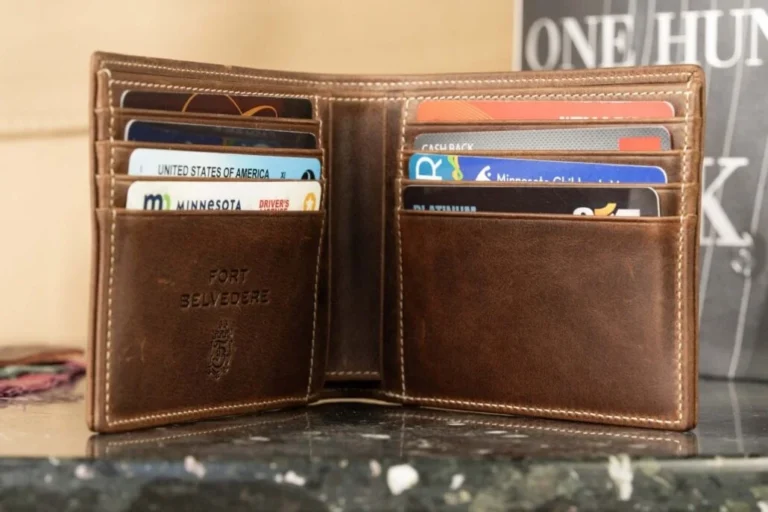
The Bifold Wallet and the "Card Boom": Traditional leather bifold wallets reigned supreme, but their contents were rapidly expanding beyond just cash. The 1980s witnessed an explosion in the variety of plastic cards a man needed to carry. Credit cards like Visa and MasterCard achieved widespread acceptance, becoming essential for larger purchases and a symbol of financial credibility. The number of credit cards in circulation in the U.S. grew substantially, with millions of new accounts opened throughout the decade. ATM (Automated Teller Machine) cards granted unprecedented access to funds, revolutionizing banking and reducing the need to carry large sums of cash. Store loyalty cards, gas cards, and various membership cards further swelled the wallet’s capacity. This era marked the transition to the "Power Carry" – a wallet designed to accommodate multiple cards, reflecting a more complex and credit-driven economy. Brands like Fort Belvedere offered robust, multi-layered leather wallets designed to handle this increased demand without unsightly bulk, often featuring multiple card slots and divided cash pockets.
-
The Enduring Checkbook: Despite the rise of credit cards, the checkbook remained a primary payment method for significant transactions throughout most of the 1980s. It was a staple for paying rent, utilities, or making large retail purchases. Data from the Federal Reserve shows that checks were still the dominant non-cash payment method in the early 80s, though their usage began to decline by the end of the decade as electronic payments gained traction. Typically housed in a refined leather cover, often coordinated with the wallet, the checkbook sat alongside cash and credit cards as a pillar of 80s financial management.
Professional Presence: Networking and Organization
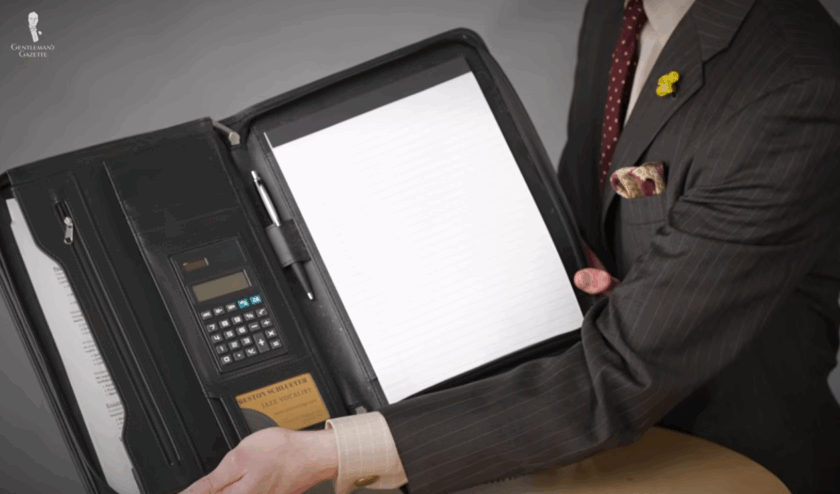
The corporate landscape of the 1980s placed a high premium on professionalism, networking, and meticulous organization, reflecting the decade’s competitive business ethos.
-
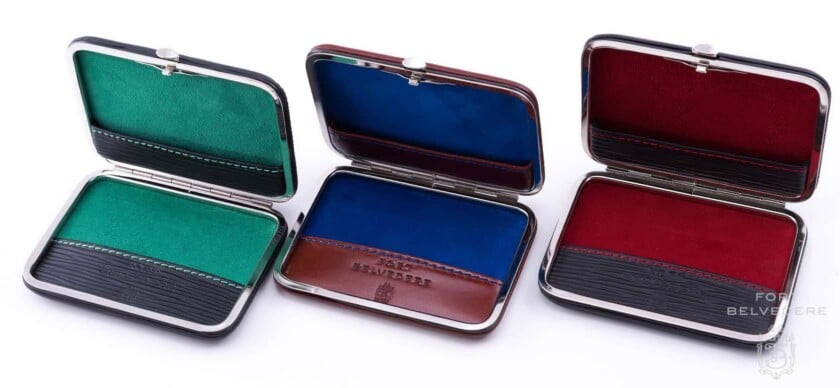
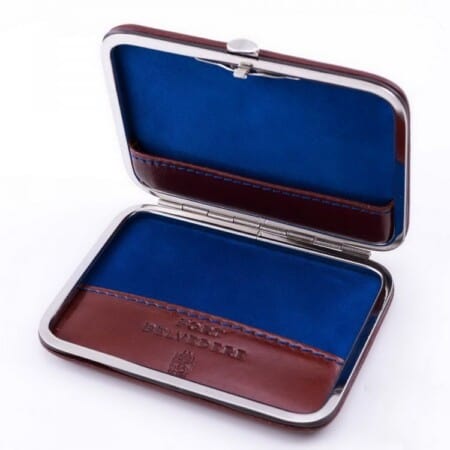
Refined Business Cards and Cases: Exchanging business cards was more than a mere formality; it was a crucial ritual in the white-collar world, a tangible representation of one’s professional identity. The quality and presentation of the card were paramount, but equally important was the case in which it was carried. As famously satirized in Bret Easton Ellis’s American Psycho, where Patrick Bateman’s obsession with the superiority of his "bone" colored business card with "Silian Rail" lettering underscored the absurd lengths to which some went to project status, the minutiae of business card aesthetics could induce profound anxiety among status-conscious executives. To avoid such social missteps, gentlemen invested in elegant leather or metal card cases from prestigious brands like Louis Vuitton, Cartier, or Armani. These cases protected the cards from wear and tear, ensuring a pristine presentation, and served as subtle indicators of discerning taste and professional gravitas.
-
Personalized Small Leather Goods: The 1980s celebrated individuality and the "personal touch." Advances in manufacturing made it more affordable to personalize items. Key fobs, wallets, and card cases were frequently monogrammed or embossed with initials, offering a sense of bespoke luxury without the prohibitive cost of entirely custom-made products. This trend allowed the average man to imbue his everyday essentials with a unique identity, reflecting a growing appreciation for craftsmanship and personalization in consumer goods. The choice of leather—often aniline-dyed or bridle leather—was critical, promising longevity and a rich patina over time, echoing the broader trend of investing in quality accessories.
-
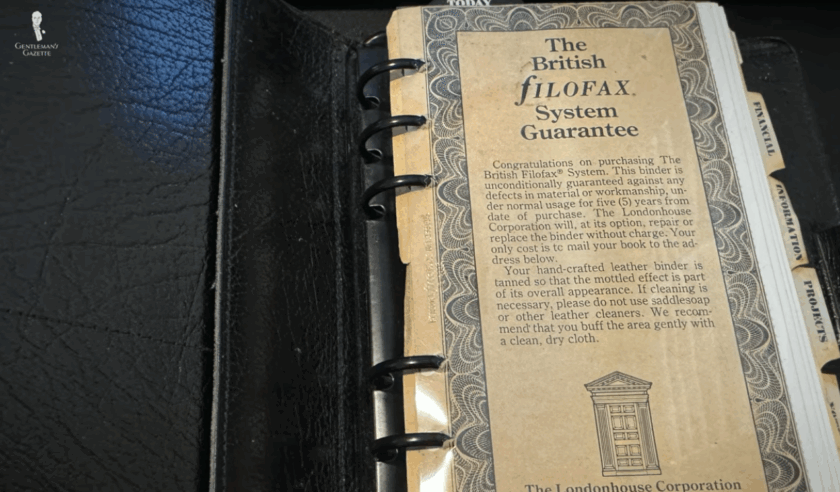
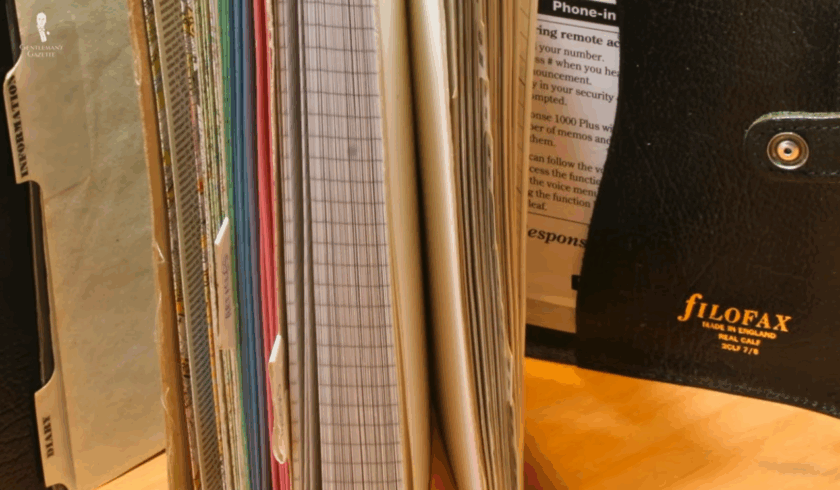
The Daily Planner: The Ubiquitous Filofax: Before the advent of digital calendars and smartphones, the Filofax was the ultimate organizational tool for the professional. For the "yuppie" subculture, a leather-bound daily organizer was an indispensable accessory for managing appointments, contact information, to-do lists, and reminders. Introduced in the UK, the Filofax system, with its customizable, ring-bound inserts, became a global phenomenon. Sales peaked in the mid-1980s, transforming it into a status symbol, a personal assistant, and the analog precursor to the modern smartphone, centralizing a vast array of information critical to daily operations. Cultural commentators noted its role in shaping the image of the efficient, ambitious professional. Competitors like Day-Timer also flourished, but Filofax held a special place in the 80s zeitgeist, often seen peeking from a briefcase or clutched during a power lunch.
-
The Ballpoint Pen: Workhorse and Statement: While the fountain pen retained its allure for traditionalists and connoisseurs, the ballpoint pen became the undisputed workhorse of the 80s. Its convenience, reliability, and affordability made it ubiquitous. Ballpoints were cheap enough to be distributed as corporate "swag," often personalized with business logos, serving as subtle marketing tools. Yet, discerning gentlemen still carried high-quality ballpoints from brands like Parker (the Jotter being particularly iconic for its sleek design and reliability) or Cross. Montblanc and Waterman also offered luxury ballpoint options, recognizing that a good pen was essential for signing documents and making an impression in a professional setting. These pens struck a balance between practicality and understated elegance, with a smooth ink flow that facilitated swift note-taking.
-
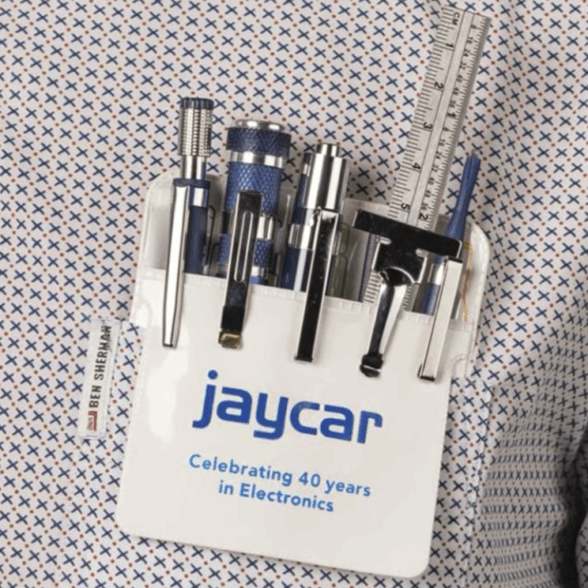
The Pocket Protector: A Practical Necessity: As ballpoint pens became more prevalent and disposable, so too did the risk of ink leaks. The pocket protector, typically a clear plastic or vinyl sleeve, emerged as a practical shield. It was a common sight in the chest pockets of engineers, scientists, and office workers, designed to save expensive dress shirts from unsightly ink stains. While born of necessity and lauded for its utility, the pocket protector unfortunately evolved into a pop-culture cliché, becoming associated with a "nerdy" image that largely faded by the close of the decade, a testament to the fleeting nature of some practical fashion accessories as cultural perceptions shifted.
-
The Briefcase and Attaché Case: The Mobile Office: For any professional in the 1980s, a briefcase was a non-negotiable part of their daily ensemble. More than just a bag, it was a mobile office, a symbol of authority, and a repository for important documents. The traditional leather briefcase, often rigid and structured, remained popular. However, the attaché case, with its sleeker, more angular profile and often made of polished leather or even aluminum, gained significant traction. It projected an image of executive power and seriousness, perfectly complementing the sharp suits and power dressing of the era. Attachés from brands like Zero Halliburton (known for its aluminum cases) became particularly emblematic of corporate high-flyers. Briefcases were meticulously organized, housing contracts, reports, and sometimes even early portable calculators or small dictaphones, making them essential for conducting business on the go.
The Dawn of Personal Technology: Entertainment and Communication
The 1980s ushered in a new era of personal electronics, fundamentally altering how individuals interacted with media and communicated, laying the groundwork for the digital age.
-
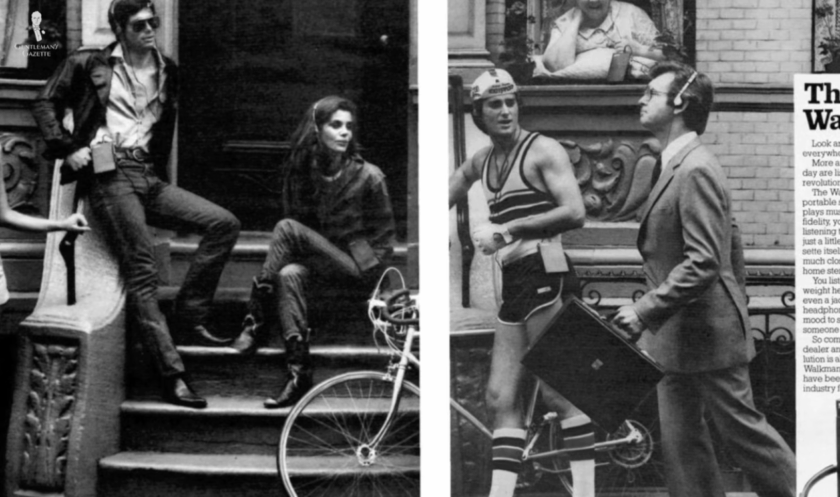
The Sony Walkman: A Cultural Revolution: The Sony Walkman, introduced in 1979, was the quintessential "poster child" for 80s tech innovation and a genuine cultural phenomenon. It revolutionized personal entertainment by allowing individuals to carry their music with them, creating a private soundscape in public spaces. This portable cassette player instantly became an essential EDC item across all social strata, from students to executives. For the fitness-obsessed 80s man, it was an indispensable companion for jogging, working out, or simply commuting. By 1985, Sony had sold over 10 million Walkmans globally, and by the end of the decade, the number had soared past 50 million units. Its impact was profound, fostering a sense of individual privacy, altering public behavior, and paving the way for future portable music devices like the Discman and eventually, digital audio players.
-
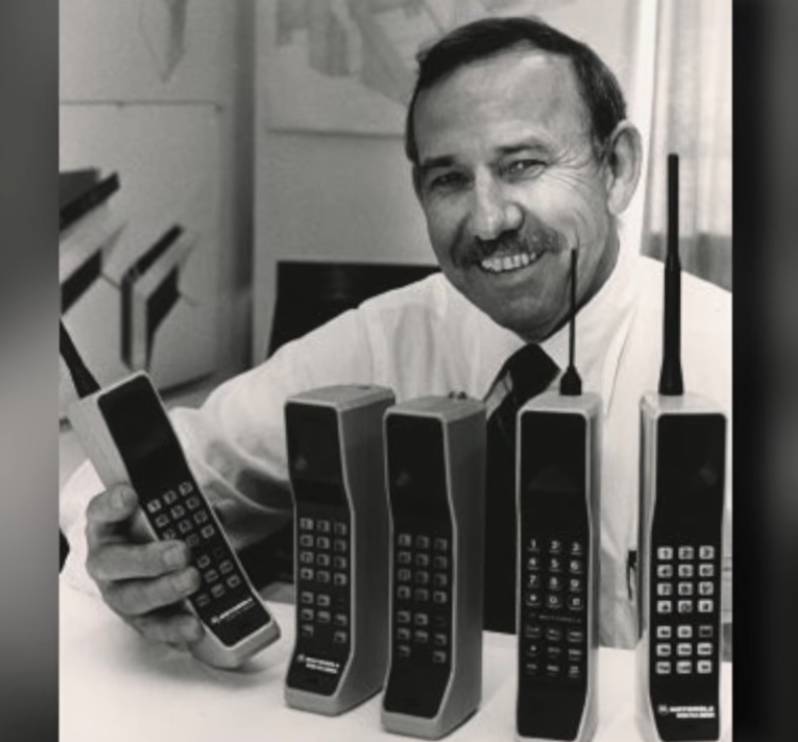
The "Brick" Mobile Phone: An Executive Exclusivity: While not a common EDC item for the average gentleman, the "brick" mobile phone represented the bleeding edge of personal communication and an ultimate status symbol for the elite 1%. The Motorola DynaTAC 8000X, first commercially available in 1983, was the pioneering handheld mobile phone. Priced at an exorbitant $3,995 (equivalent to over $12,000 today, adjusted for inflation), it was massive (over a foot long and weighing 2.5 pounds), offered only 30 minutes of talk time after a 10-hour charge, and could store just 30 numbers. Despite its limitations, owning a DynaTAC signaled immense wealth and influence. Its appearance in films like Wall Street further cemented its image as a power accessory, a tool for the ultimate deal-maker. Industry analysts at the time predicted its transformative potential, even while acknowledging its prohibitive cost.
-
The Car Phone: A More Common Mobile Solution: More prevalent than the handheld "brick" for business professionals was the car phone. These devices were hardwired directly into a vehicle’s electrical system, offering greater power and range than early portables. By the 1980s, car phones had become a common tool for sales representatives, executives, and anyone whose business demanded constant connectivity while traveling between locations. Specialized mounting devices were entering the market, allowing for easier integration and access, highlighting the growing desire for mobile communication, even if it was tethered to an automobile. Companies like AT&T and Motorola were key players in this nascent mobile telecommunications market, gradually expanding coverage and improving functionality.
The Legacy of 1980s EDC: Bridging Eras
The everyday carry of a gentleman in the 1980s was a fascinating amalgamation of tradition and innovation. It showcased a society caught between the analog past and the digital future, where classic leather goods coexisted with groundbreaking electronic gadgets. The decade’s emphasis on status, professionalism, and personal expression profoundly shaped the items men chose to carry.