











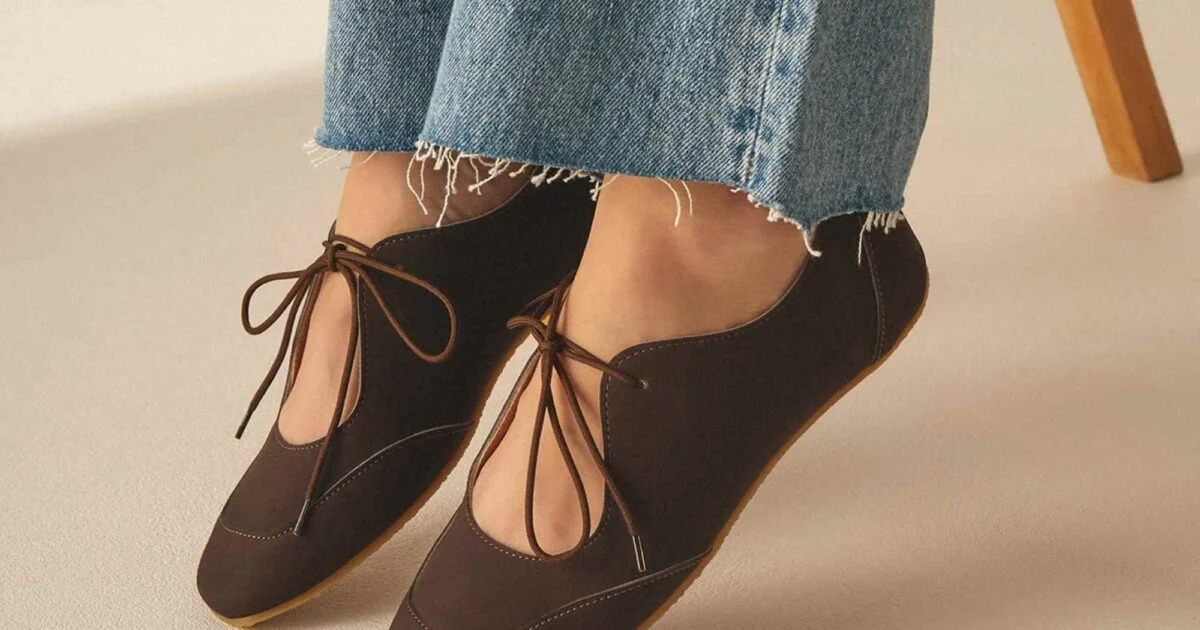
The global fashion industry is undergoing a significant transformation, driven by increasing consumer awareness and a pressing need for environmental and social responsibility. Within this evolving landscape, footwear, particularly the ubiquitous flat shoe, stands out as a category where comfort, style, and sustainability are converging. Consumers are no longer merely seeking aesthetically pleasing or comfortable shoes; they are actively searching for products that are long-lasting, produced with minimal environmental impact, and made under ethical labor conditions. This comprehensive guide explores the multifaceted aspects of selecting sustainable flat shoes, highlighting key considerations from material sourcing to brand transparency, and showcasing brands that are leading the charge in this crucial sector.
The Evolving Landscape of Footwear: Beyond Trend Cycles
Flat shoes have long held a foundational position in footwear wardrobes worldwide, transcending transient fashion cycles. From the classic elegance of ballet flats, inspired by dancers’ slippers, to the practical sophistication of loafers and the casual versatility of mules, this category of footwear is celebrated for its adaptability. It serves diverse needs, proving ideal for daily walking, appropriate for professional office environments, and easily dressed up or down depending on the design and occasion. While emerging trends, such as mesh flats and innovative ballet sneakers like Puma’s Speedcat, may capture fleeting attention, the enduring appeal of flats lies in their inherent practicality and timeless aesthetic.
However, the contemporary footwear market is increasingly defined not just by style but by its environmental and social footprint. The broader movement towards sustainable fashion has brought into sharp focus the impact of manufacturing processes, material choices, and supply chain ethics. This paradigm shift compels consumers and industry stakeholders alike to look beyond immediate trends and consider the long-term implications of their choices, prioritizing durability, ethical production, and ecological responsibility.
Defining Sustainable Footwear: A Multifaceted Approach
The pursuit of sustainability in footwear is a complex endeavor, requiring a holistic approach that addresses multiple stages of a shoe’s lifecycle. Key pillars include material innovation, responsible production processes, ethical labor practices, and principles of circularity.
1. Materials:
The choice of materials represents one of the most significant factors in determining a shoe’s sustainability profile.
- Traditional Animal-Derived Materials: Historically, leather and suede have been dominant materials in shoe manufacturing due to their durability and aesthetic appeal. However, their production is associated with substantial environmental and ethical concerns. The livestock industry contributes significantly to greenhouse gas emissions, deforestation, and water consumption. Furthermore, the tanning process for leather often involves toxic chemicals, including chromium, which can pollute waterways and pose health risks to workers and local communities. For brands that continue to use these materials, responsible sourcing is paramount. Certification bodies like the Leather Working Group (LWG) assess tanneries based on their environmental compliance, water and energy consumption, and chemical management, providing a benchmark for more responsibly produced leather.
- Vegan Alternatives: The demand for vegan flat shoes has surged, prompting innovation in non-animal-derived materials. However, "vegan" does not automatically equate to "sustainable." Many early leather alternatives were synthetic, derived from fossil fuels (e.g., PU and PVC), which contribute to plastic pollution and are not biodegradable. The focus has thus shifted towards developing lower-impact vegan materials:
- Bio-Oil-Based Materials: These materials reduce reliance on petrochemicals by incorporating plant-based oils, offering a more renewable resource base.
- Recycled Natural Rubber: An alternative to synthetic rubber, which is petroleum-based, recycled natural rubber minimizes waste and reduces demand for virgin resources.
- Plant-Based Leathers: Innovations such as apple skin leather, grape-based leather, pineapple leather (Piñatex), and mushroom leather (Mylo) utilize agricultural waste or fast-growing natural resources, offering biodegradable or significantly lower-impact alternatives.
- Hemp: A highly sustainable fiber that requires minimal water and pesticides, known for its strength and durability.
Careful scrutiny of the composition and manufacturing process of vegan materials is crucial for discerning truly sustainable options.
2. Production Processes:
Sustainable production extends beyond materials to encompass the manufacturing journey itself.
- Low-Waste Cutting Techniques: Design and manufacturing strategies that minimize fabric or material offcuts during the cutting process.
- Renewable Energy: Utilizing solar, wind, or other renewable energy sources in factories significantly reduces the carbon footprint associated with production.
- Made-to-Order Models: This approach eliminates overproduction, a major contributor to textile waste, by producing items only when a customer places an order.
- Local Production: Manufacturing closer to consumption markets can reduce transportation emissions and often allows for greater oversight of labor conditions.
3. Labor Practices:
Ethical labor is a non-negotiable component of sustainability.
- Living Wages: Ensuring that all workers in the supply chain, from raw material cultivators to factory employees, earn a wage sufficient to cover basic needs and allow for discretionary income.
- Safe Working Conditions: Providing healthy and secure environments free from hazards, forced labor, or discrimination.
- Transparency and Worker Empowerment: Open communication about supply chain practices and supporting workers’ rights to organize and collectively bargain.
4. Circularity:
A sustainable shoe should be designed for longevity and its eventual end-of-life.
- Durability and Repairability: High-quality construction and materials that ensure a long product life, reducing the frequency of replacement.
- Recyclability: Designing shoes with components that can be easily disassembled and recycled into new products.
- Take-back Programs: Brands offering to reclaim worn-out shoes for recycling or repurposing.
The Environmental and Social Imperative for Sustainable Choices
The traditional footwear industry carries a heavy environmental and social burden. Globally, over 24 billion pairs of shoes are produced annually, with significant implications:
- Water Usage: Producing a single pair of leather shoes can require thousands of liters of water, primarily for animal husbandry and tanning. Cotton cultivation for shoe linings also demands extensive irrigation.
- Chemical Pollution: Dyes, adhesives, solvents, and tanning agents used in manufacturing can contaminate water sources and soil if not managed responsibly, impacting ecosystems and human health.
- Waste Generation: The fast fashion model encourages rapid consumption and disposal. An estimated 300 million pairs of shoes are thrown away each year in the UK alone, contributing to landfill waste where non-biodegradable components persist for centuries. Manufacturing processes also generate considerable waste from material offcuts.
- Carbon Emissions: Energy-intensive production processes, combined with globalized supply chains involving extensive shipping and air freight, result in significant greenhouse gas emissions, exacerbating climate change.
- Labor Exploitation: The pursuit of lower production costs often leads to exploitative labor practices in developing countries, including child labor, forced labor, unsafe working conditions, and poverty wages.
The sustainable footwear market, though still a niche, is projected to grow significantly, reflecting a shift in consumer values. Reports indicate the global ethical fashion market size was valued at approximately USD 6.35 billion in 2023 and is expected to expand at a compound annual growth rate (CAGR) of 10.9% from 2024 to 2030, driven by increasing awareness of environmental degradation and social inequalities. This growth underscores the imperative for both brands and consumers to prioritize ethical and sustainable practices.
Navigating the Market: The Role of Independent Ratings and Transparency
For consumers committed to making informed, sustainable choices, navigating the myriad claims made by brands can be challenging. Marketing often employs "greenwashing," where brands make unsubstantiated or misleading claims about their environmental or ethical practices. This is where independent rating systems become invaluable.
Platforms like Good On You provide comprehensive, evidence-based ratings of fashion and beauty brands’ impact on people, the planet, and animals. Their world-leading methodology scrutinizes various aspects, including:
- Environmental Policies: Resource use, waste management, chemical use, carbon emissions.
- Labor Practices: Worker rights, fair wages, safety, transparency in the supply chain.
- Animal Welfare: Use of animal products, certifications, animal testing.
Brands are rated on a scale, typically from "Not Good Enough" to "Great," allowing consumers to quickly assess a brand’s overall sustainability performance. Opting for brands independently rated "Good" or "Great" significantly increases the likelihood of purchasing a product that aligns with genuine ethical and environmental standards, thereby fostering greater transparency and accountability within the industry.
Spotlight on Leading Brands in Sustainable Flat Footwear
The following brands have been independently assessed and rated "Good" or "Great" by rigorous sustainability methodologies, offering a range of stylish and ethically produced flat shoes:
-
Agazi: Hailing from Poland, Agazi is a dedicated vegan footwear brand. Its extensive collection includes sneakers, sandals, heels, and a notable array of flat shoes. Agazi distinguishes itself through its commitment to non-animal-derived materials, specifically utilizing innovative alternatives such as hemp, apple skin-based leathers, and grape-based leathers. This focus ensures their products are free from animal components while exploring novel, lower-impact material solutions.
-
ESSÄN: Founded in 2016 by Marre Muijs, ESSÄN was established as a direct response to the prevalent overproduction and transient trend-chasing characteristic of the mainstream fashion industry. The brand operates on a philosophy of careful craftsmanship over mass production, eschewing the traditional fashion calendar in favor of a single, permanent collection. ESSÄN implements limited production runs and employs low-waste cutting techniques, emphasizing quality, longevity, and a reduced environmental footprint in its shoes and accessories.
-
Christy Dawn: This US-based brand presents a minimalist showroom aesthetic, specializing in vintage-inspired women’s clothing and footwear. Christy Dawn’s unique approach to sustainability lies in its local production model and the predominant use of surplus (deadstock) fabric. By repurposing materials that would otherwise go to waste, the brand significantly reduces its environmental impact. Their commitment to local manufacturing in the US also supports local economies and allows for closer oversight of labor practices.
-
Elk: A prominent name in independent Australian design, Elk was established in Melbourne in 2004. The brand is recognized for its bi-annual collections, which are meticulously informed by a design ethos where simplicity, innovative design, and robust sustainability principles intersect. Elk’s longevity in the market and consistent adherence to its core values underscore its commitment to responsible fashion.
-
Reformation: Based in Los Angeles, Reformation has carved a niche with its mantra of creating "killer clothes that don’t kill the environment." The brand is distinguished by its proactive approach to social sustainability, ensuring that a significant proportion of its suppliers pay a living wage to their workers. Furthermore, Reformation invests in providing training and resources to its suppliers, aimed at continuously improving working conditions throughout its complex supply chain, demonstrating a commitment to both environmental and human welfare.
-
Vesica Piscis: As a vegan footwear brand operating out of Spain, Vesica Piscis exemplifies a commitment to minimizing environmental impact. The brand utilizes a high proportion of lower-impact materials in its shoe production. A cornerstone of their sustainable practice is the exclusive use of renewable energy sources in their manufacturing facilities. Additionally, Vesica Piscis operates on a made-to-order basis, a strategic choice that drastically reduces potential waste from overproduction, aligning with circular economy principles.
-
Etiko: An Australian pioneer in organic fair trade clothing and shoes, Etiko has consistently set industry benchmarks for ethical conduct. The brand is renowned for its unwavering commitment to upholding and actively campaigning for the human rights of individuals working within traditionally exploitative industry supply chains. Etiko’s dedication extends to ensuring fair wages, safe conditions, and respect for workers across its entire production process, from material sourcing to final manufacturing.
The Complementary Role of the Secondhand Market
Beyond purchasing new sustainable footwear, the secondhand market plays an indispensable role in fostering a more circular and responsible fashion ecosystem. Opting to shop for flat shoes on platforms like Vinted, eBay, or through local thrift shops significantly reduces the demand for new production, thereby conserving resources, minimizing waste, and lowering carbon emissions associated with manufacturing. This approach extends the lifecycle of existing garments and footwear, preventing them from ending up in landfills prematurely. Embracing the secondhand economy is not merely a budget-friendly option; it is a powerful act of conscious consumption that directly contributes to the principles of a circular economy, where products are kept in use for as long as possible.
The Future of Flat Footwear: Innovation, Responsibility, and Consumer Empowerment
The trajectory of flat footwear, and indeed the entire fashion industry, is increasingly oriented towards innovation, transparency, and responsibility. The ongoing development of advanced bio-based and recycled materials promises even more sustainable alternatives, pushing the boundaries of what is possible in ethical design. As consumer awareness continues to grow, there will be an escalating demand for greater supply chain transparency, compelling brands to disclose more about their practices and impacts.
Ultimately, consumer choices will remain a potent catalyst for change. By prioritizing comfort, durability, style, and, crucially, sustainability, individuals empower brands committed to ethical practices and incentivize others to follow suit. The long-term implications are profound: a fashion industry that not only creates desirable products but also champions environmental stewardship, social equity, and a healthier planet for future generations. The journey towards a fully sustainable footwear industry is ongoing, but the path is clear, marked by collective action, innovation, and an unwavering commitment to responsible consumption.
Editor’s Note: This article is based on information compiled from independent brand ratings and industry analyses. Good On You publishes comprehensive ratings of fashion and beauty brands’ impact on people, the planet, and animals, providing a valuable resource for conscious consumers. This article is regularly updated to reflect current brand ratings and industry developments.