






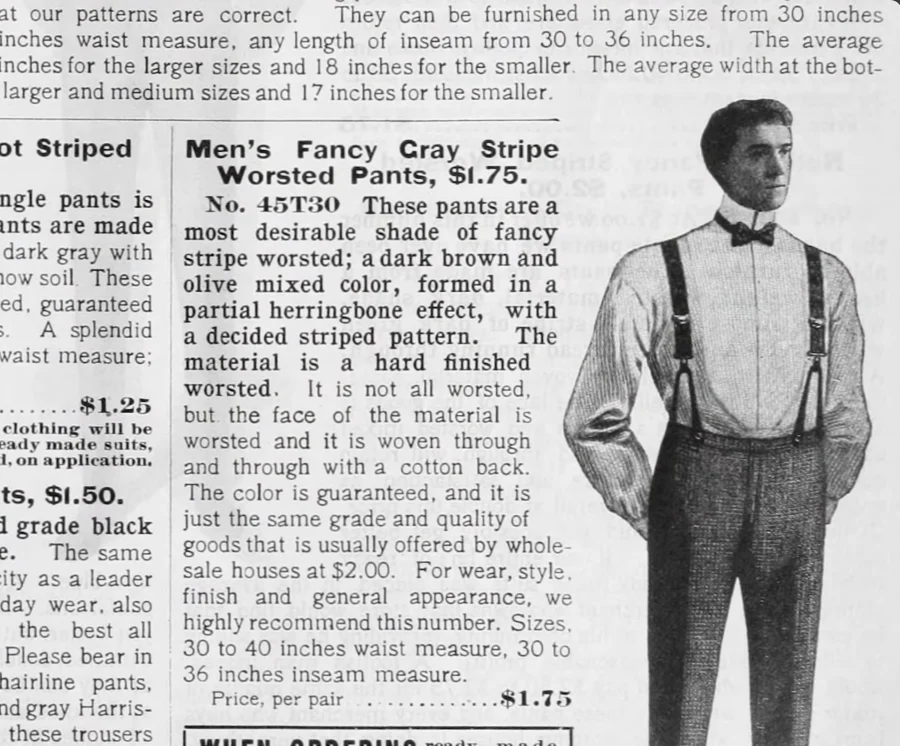
From the late 18th century through the early decades of the 20th century, suspenders, known as braces in many parts of the Commonwealth, held an undisputed reign as the quintessential method for securing a gentleman’s trousers. While contemporary menswear has largely embraced the belt as the default, a discerning cohort of stylish individuals continues to champion the classic elegance and superior comfort that only a meticulously chosen pair of braces can provide. This article delves into the fascinating origins of this iconic accessory, explores its historical dominance over the belt, and assesses its significant, albeit evolved, role in the modern wardrobe.
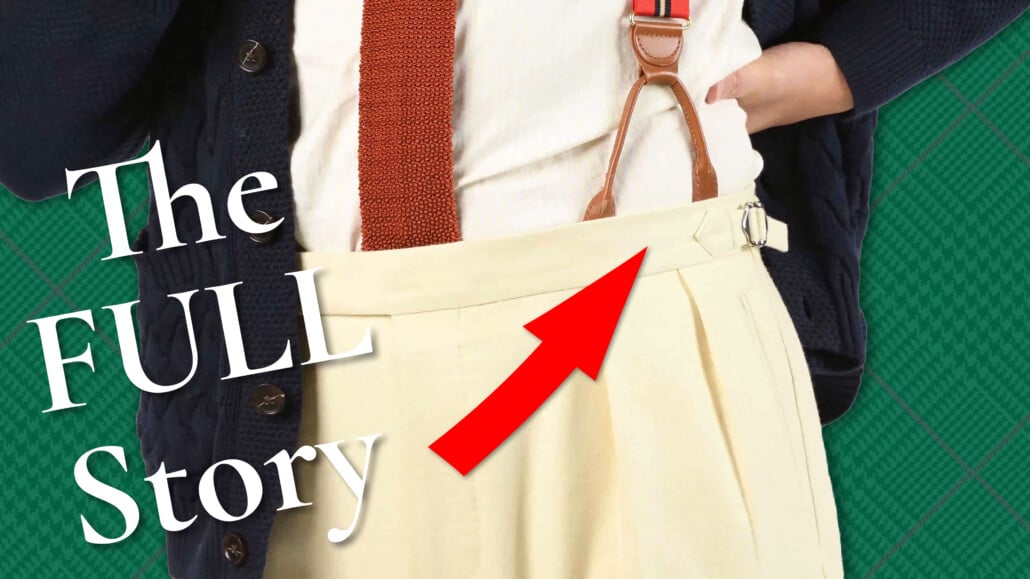
A Crucial Distinction: Suspenders vs. Braces
Before charting its historical trajectory, it is imperative to clarify the nomenclature that often leads to confusion. In the United States and Canada, these shoulder-worn straps are universally referred to as suspenders. Conversely, in the United Kingdom, Australia, and New Zealand, the term braces is predominantly used. Fundamentally, both terms describe the same garment: straps worn over the shoulders, designed to attach to the trouser waistband. Traditionally crafted from silk for formal occasions or from rayon or elastic for everyday utility, they are celebrated for delivering superior comfort and maintaining a pristine trouser drape that belts often cannot. The distinction in terminology became more firmly established around the turn of the 20th century, reflecting diverging linguistic preferences across the Anglosphere.

The Genesis of a Sartorial Staple: Early Prototypes and Necessity
Unlike the belt, which boasts an ancient lineage dating back approximately 5,000 years to the Bronze Age, the precursors to modern suspenders are a relatively recent invention, emerging in France roughly 300 years ago. These early iterations were rudimentary: simple fabric ribbons or strips, often worn discreetly as undergarments, attached to trousers via buttons or rudimentary buttonholes. Historical accounts suggest figures such as Benjamin Franklin were early adopters of this nascent French style, appreciating its practical utility.
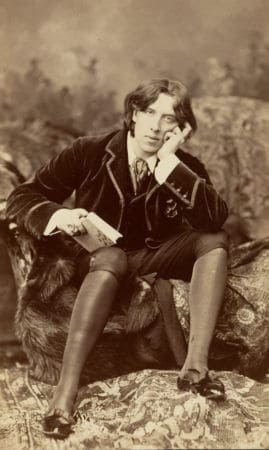
The widespread adoption and eventual necessity of suspenders in the 18th and 19th centuries were not primarily driven by fashion but by fundamental functional requirements dictated by the prevailing sartorial norms. During this period, men’s trousers were cut with an exceptionally high rise, often extending well above the natural waistline. This design aesthetic, which aimed to elongate the leg and create a smooth, unbroken line when worn with waistcoats, rendered traditional belts impractical or, at best, aesthetically awkward. A belt cinched at the anatomical waist would appear incongruous and cause uncomfortable bunching beneath the waistcoat, disrupting the desired silhouette. Suspenders elegantly solved this dilemma, allowing high-waisted trousers to hang flawlessly from the shoulders, ensuring a smooth, uncreased front and superior comfort, particularly for gentlemen engaging in active pursuits or those with varying waistlines.
The Thurston Revolution: Birth of the Modern Brace
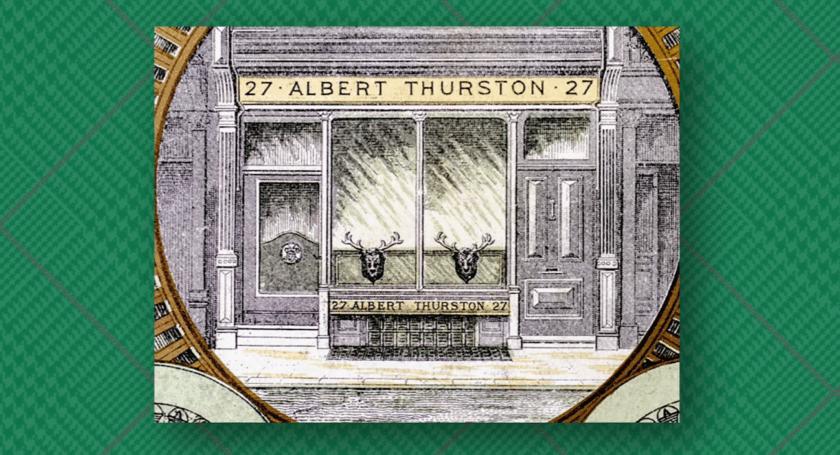
The true "modern" suspender, as we largely recognize it today, is widely attributed to the innovative designs of London haberdasher Albert Thurston in the 1820s. Thurston’s company, founded in 1820, quickly became a pivotal establishment, transforming simple straps into a sophisticated, indispensable accessory. His key innovations included the use of sturdier, tightly woven fabrics, adjustable buckles, and, crucially, the incorporation of leather ends designed to attach to buttons sewn inside the trouser waistband. This design elevated suspenders from mere functional undergarments to a refined component of men’s attire, even if still largely concealed beneath waistcoats or jackets. Albert Thurston’s legacy endures, with his company continuing to produce high-end braces, a testament to the timeless quality and enduring appeal of his original designs.
Evolution of Design: Form and Function
Following Thurston’s foundational work, the design of suspenders continued to evolve, offering variations that catered to different levels of security, comfort, and formality. The most notable evolution occurred in the configuration of the straps at the back:
- X-back: Features two straps crossing over at the back, offering maximum stability and distribution of tension.
- Y-back: Characterized by two straps merging into a single strap at the center back before descending to the trousers. This style is often considered more streamlined and slightly more formal.
- H-back: Less common, with two parallel straps at the back, connected by a horizontal bar.
Materials also diversified. While early versions might have used sturdy cotton or linen, the 19th century saw the introduction of more refined options. Silk became the material of choice for formal braces, offering a luxurious feel and appearance. For everyday wear, more durable and flexible materials like rayon and elastic gained prominence, especially as manufacturing processes became more advanced in the late 19th and early 20th centuries. The shift from purely utilitarian materials to those that also conveyed status and style underscored the suspender’s growing importance in men’s fashion.
The Golden Age: Suspenders as the Undisputed Standard
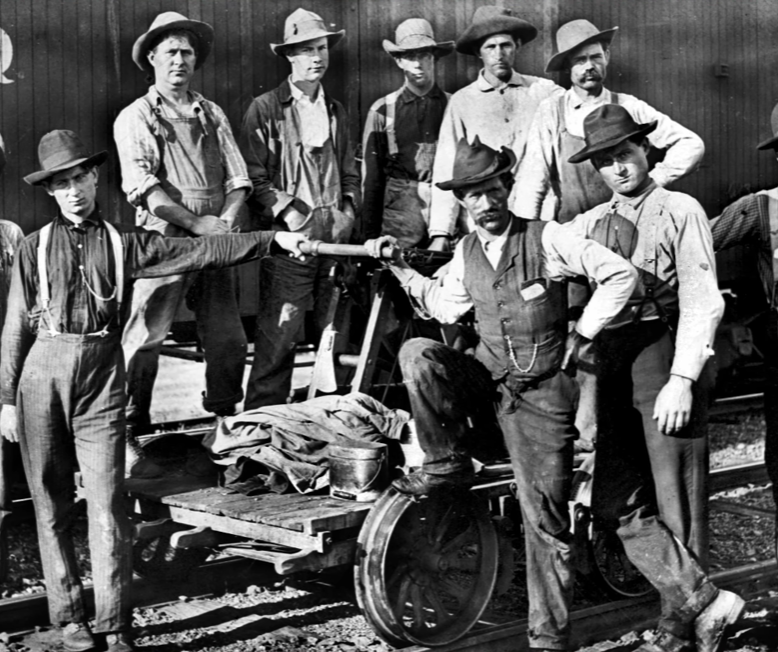
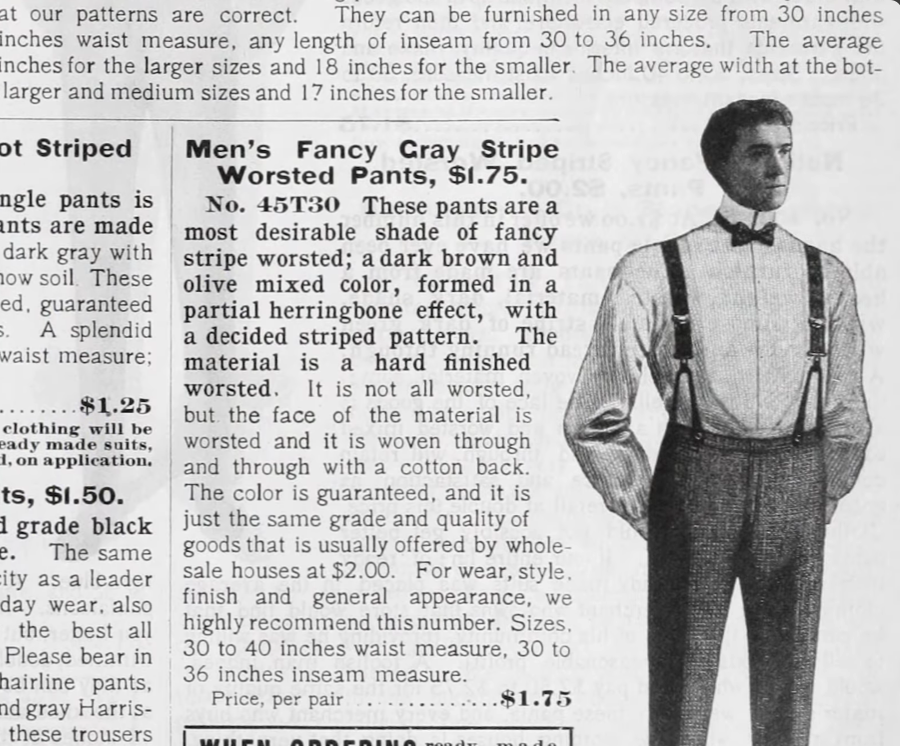
Throughout the latter half of the 19th century and into the early 20th century, suspenders were the virtually undisputed gold standard for holding up men’s trousers across all social strata. From the impeccably dressed urban gentleman to the rugged railway worker, as depicted in historical photographs, braces provided the necessary support and comfort for trousers that were designed to fit loosely around the waist and hang smoothly from the shoulders. The emphasis in tailoring during this era was on a masculine silhouette that featured a full chest and a relatively slim, unconstricted waist. Braces facilitated this aesthetic by allowing trousers to be cut generously without a tight waistband that would cut into the midsection or create unsightly bulges. This period cemented suspenders as a symbol of proper attire and sartorial discernment.
Mark Twain’s Curious Innovation: A Detached Perspective
Interestingly, not everyone was enamored with suspenders. The celebrated American author and humorist, Mark Twain (Samuel Clemens), famously disliked them. His aversion was so profound that it spurred him to action, leading him to patent an "improvement in adjustable and detachable straps" in 1871. Twain’s invention was conceived as an alternative mechanism to cinch the waistband, functioning somewhat similarly to the side-adjusters that would later be popularized by the company DAKS in 1934 for beltless trousers. While Twain’s ingenious device did not gain traction as a replacement for suspenders in men’s trousers, its underlying technology found an unexpected and enduring application in women’s corsets and, ultimately, survives to this day in the design of bra straps. This anecdote highlights the pervasive nature of suspenders in the 19th century and the lengths to which some went to find alternatives.
The Decline: The Rise of the Belt and Shifting Fashions
The dominance of suspenders began to wane in the early 20th century, primarily due to a confluence of shifting fashion trends, societal changes, and practical considerations. The pivotal factor was the gradual lowering of trouser waistlines. As the 1920s brought a more relaxed and less formal aesthetic, trousers began to be cut to sit closer to the natural waist or even lower. This new silhouette made belts a much more practical and comfortable option.

World War I also played a significant role in accelerating the belt’s ascendancy. Military uniforms often incorporated belts, not just for holding up trousers but also for carrying essential equipment. Soldiers returning from the war carried this practical habit into civilian life, further normalizing the belt. The post-war era also saw a broader move towards less formal dressing and the rise of ready-to-wear clothing. Belts were simpler to integrate into mass-produced garments and offered a quicker, more versatile adjustment for different body types. Suspenders, with their specific button attachments, began to be perceived as more cumbersome and, increasingly, as old-fashioned or overly formal, confined to niche applications.
The Modern Resurgence: A Niche of Elegance and Comfort
While suspenders may no longer be the ubiquitous necessity they once were, they have experienced a significant resurgence among connoisseurs of classic style and bespoke tailoring. For many, choosing suspenders today is a deliberate statement—a nod to sartorial tradition, a preference for superior comfort, and an appreciation for the impeccable drape they impart to trousers.
In contemporary menswear, suspenders remain the gold standard for formal wear, particularly with tuxedos and high-waisted suits, where they ensure a clean, unbroken line and prevent the waistband from creasing or slipping. Beyond formal occasions, many men favor suspenders for their inherent comfort; unlike belts, which can constrict the waist, suspenders distribute the weight of trousers evenly across the shoulders, leading to a more relaxed feel and a smoother silhouette. They also offer an opportunity for subtle personal expression, with a vast array of colors, patterns, and materials available to complement various outfits.
A Contemporary Take on the Suspender Silhouette
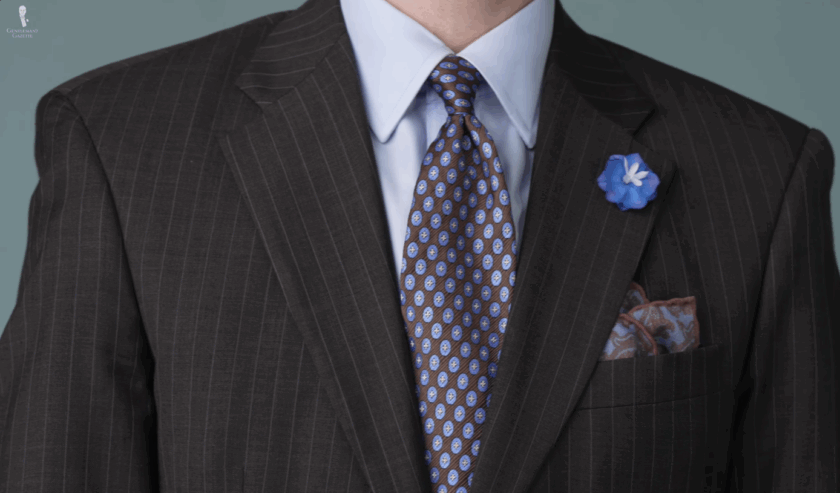
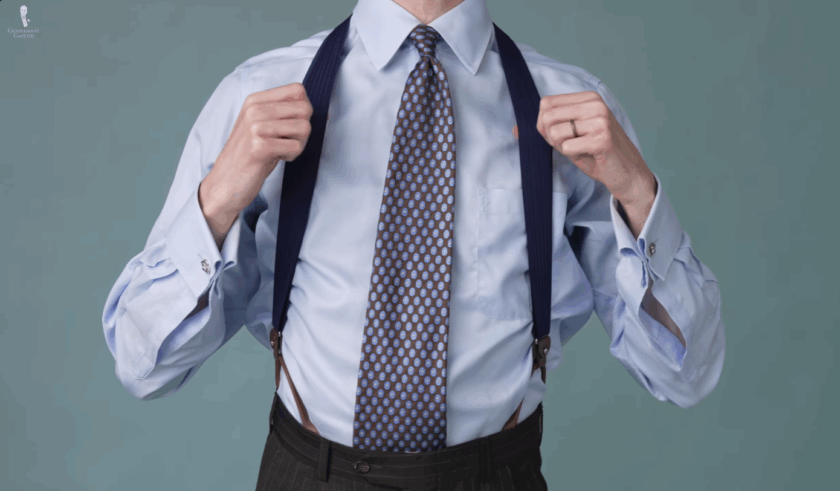
Demonstrating the enduring relevance of suspenders, one can effortlessly integrate them into modern ensembles. For instance, an outfit might be anchored by navy blue suspenders featuring elegant brown leather accents. This color palette can then serve as the foundation for the entire look, perhaps with a dark charcoal brown two-piece suit that subtly incorporates light blue and tan pinstripes. A pastel blue dress shirt, perhaps from a reputable maker like Charles Tyrwhitt, with a classic collar and French cuffs, would provide a refined backdrop. The French cuffs could be adorned with distinctive cufflinks, such as those from a "Predator and Prey" collection, showcasing intricate designs.
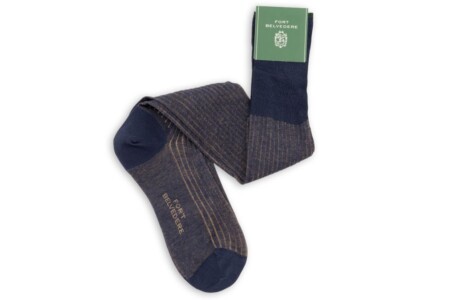
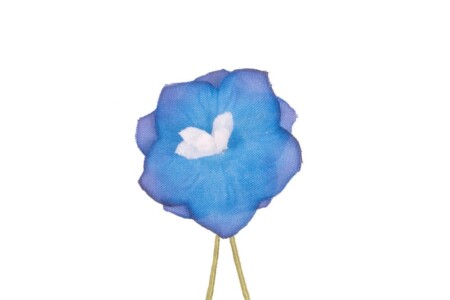
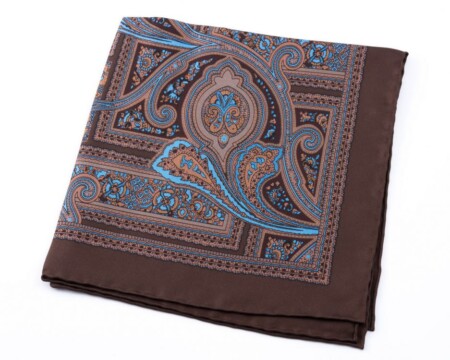
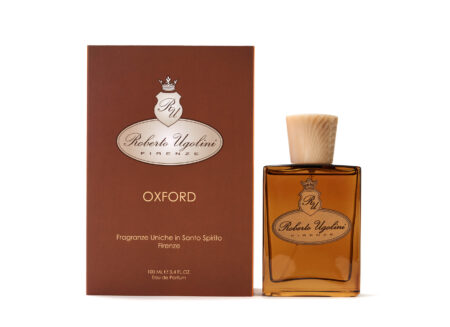
Accessories further enhance the coordinated aesthetic. A vintage brown silk tie with a repeating motif in blue and tan, paired with a pocket square featuring lighter blue and brown paisley patterns and a brown accented edge, ties the ensemble together. Footwear might consist of dark brown Adelaide-style Oxfords with broguing, complemented by two-tone shadow-stripe socks in tan and navy blue. A blue delphinium boutonnière adds a touch of natural elegance, while a sophisticated fragrance like "Oxford" from the Roberto Ugolini collection completes the refined presentation. This meticulously curated outfit exemplifies how suspenders continue to play a vital role in creating a polished, cohesive, and distinctly classic masculine aesthetic in the 21st century.
Conclusion: An Enduring Icon
The journey of suspenders, from rudimentary ribbons to sophisticated sartorial statements, reflects a rich tapestry of fashion evolution, functional necessity, and cultural shifts. While their widespread popularity waned as trouser rises lowered and belts became the urban standard, suspenders have steadfastly maintained their position as the gold standard for formal wear and traditional tailoring. They offer a level of comfort, a flattering drape, and a subtle elegance that a belt simply cannot replicate. For those who value heritage, comfort, and an uncompromised silhouette, suspenders remain an indispensable and timeless accessory, ensuring their place in the annals of menswear history continues well into the future.