









For centuries, tea has transcended its simple origins as a beverage to become a profoundly refined ritual, a testament to the power of thoughtful preparation and mindful consumption. This transformation from ordinary drink to civilizing practice hinges on several key elements: the quality of the tools, the precision of the brewing process, and the adherence to established etiquette. More fundamentally, tea offers a rare opportunity in a hurried world to slow down, cultivate consideration for others, and elevate a daily act into a meaningful social ceremony. This article delves into the essential guide to brewing and drinking tea with the utmost refinement, exploring its rich history, intricate customs, and enduring cultural impact.
The Historical Tapestry of Tea as a Ritual

Tea’s journey from an ancient medicinal herb to a global cultural phenomenon is a captivating chronology. Originating in China over 5,000 years ago, according to legend, with Emperor Shen Nung discovering it by accident, tea first gained prominence for its purported health benefits. By the Tang Dynasty (618-907 AD), it had become a widespread drink, eventually reaching Japan in the 9th century, where Zen Buddhist monks integrated it into their spiritual practices, giving birth to the highly formalized chanoyu, or Japanese tea ceremony. This early emphasis on mindfulness and aesthetic appreciation laid groundwork for tea as more than mere sustenance.
Tea made its way to Europe in the 17th century through Portuguese traders and the Dutch East India Company. However, it was its introduction to Britain in the 1660s by Catherine of Braganza, wife of King Charles II, that truly cemented its place in Western high society. Initially an expensive luxury, tea was served in exclusive coffee houses and later, elegant tea gardens. By the Victorian era, afternoon tea had become a quintessential British institution, a daily social ritual that dictated specific times, attire, and, crucially, a detailed code of conduct. This historical evolution underscores how tea became synonymous with gentility, hospitality, and sophisticated social interaction, evolving from a simple refreshment to a deliberate act of grace and community.
Beyond the Brew: Tea as a Cultivating Pursuit

Like other pursuits associated with refined living, tea has developed its own traditions, specialized tools, and standards of conduct. These elements are not intended to be stiff or overly theatrical; rather, they serve to encourage a more thoughtful, deliberate approach to an otherwise mundane activity. A properly prepared and presented cup of tea rewards patience, neatness, and a keen awareness of those sharing the experience. It is fundamentally about extending hospitality and demonstrating courtesy, as much as it is about the sensory pleasure of flavor.
The act of preparing and serving tea can be a meditative process, a pause in the day’s rush. J. M. Barrie’s whimsical query, “Would you like an adventure now, or would like to have your tea first?” from Peter Pan, perfectly encapsulates the inviting calm and gentle expectation that tea evokes. Similarly, Fyodor Dostoevsky’s defiant declaration, "I say let the world go to hell, but I should always have my tea," from Notes from Underground, speaks to the deeply personal solace and essential comfort that tea can provide, even amidst chaos. These sentiments highlight tea’s profound psychological and social resonance across cultures and eras.
The Essential Components of a Refined Tea Service

While a traditional tea service doesn’t require extravagance, it does demand a selection of fundamental pieces, each contributing to the overall experience. A complete setup typically includes:
- A Kettle: For boiling water, ideally a classic stovetop or electric kettle that brings water to a rolling boil.
- A Teapot: The heart of the service, where the tea infuses.
- A Tea Strainer: Crucial for filtering loose leaves, ensuring a smooth pour.
- Teacups and Saucers: The vessels for drinking, designed for both function and elegance.
- A Milk Jug (or Creamer): For serving milk or cream.
- A Sugar Bowl: For offering sugar, either granulated or cubes.
- Teaspoons: For stirring milk and sugar.
- Sugar Tongs: For hygienically serving sugar cubes.
- A Serving Tray: To present the entire service neatly and elegantly.
These pieces do not necessitate significant expense. Vintage, thrift, and charity shops often prove to be excellent sources for finding quality tea sets at reasonable prices, particularly older sets that may have seen little use. The thrill of discovering a unique, historically significant piece can add another layer of enjoyment to the tea ritual.
Choosing the Right Tea Set: Form Meets Function
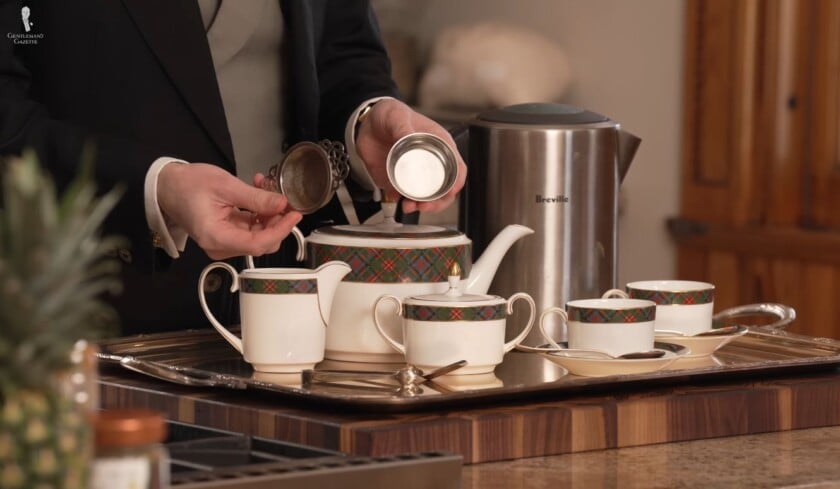
At the very least, teacups and saucers should be crafted from bone china. This material is renowned for its exceptional properties: it is thinner, lighter, and possesses a delicate translucence that heavier ceramic wares lack. Its fine texture provides a superior drinking experience, allowing the tea’s warmth to be felt without scalding the hands. Bone china, developed in 18th-century England, is known for its durability despite its delicate appearance, a result of its unique composition including bone ash. Esteemed manufacturers like Wedgwood, Royal Doulton, and Spode have historically championed its use in refined tea services.
For the teapot, two traditional routes are commonly followed:
- Matching Bone China: Often part of a complete set, offering a cohesive and aesthetically pleasing presentation. These teapots excel at retaining heat, ensuring the tea remains at an optimal temperature throughout the service.
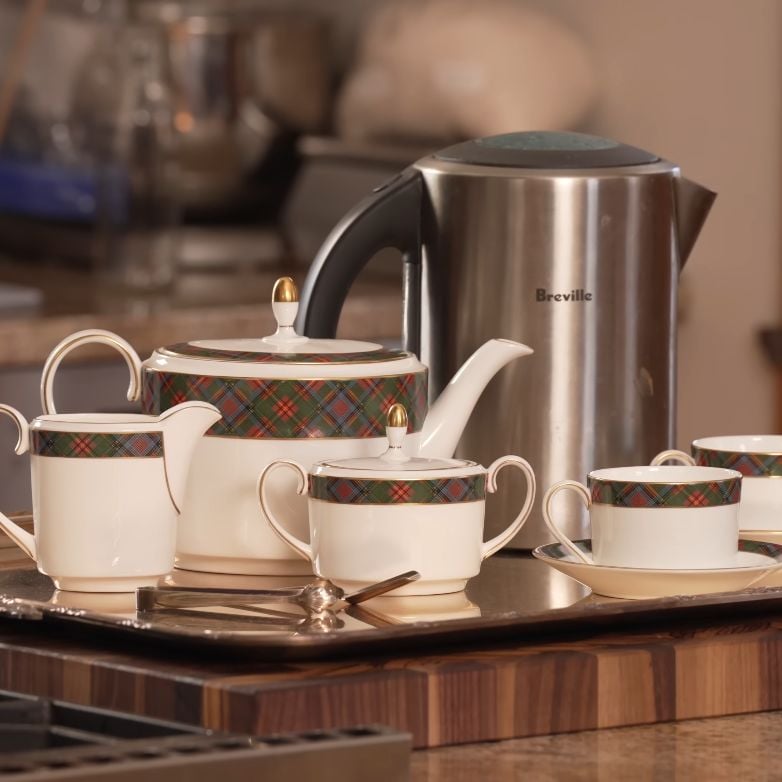
- Silver or Silver-Plated: These highly polished teapots exude an air of classic grandeur. Silver is an excellent conductor of heat, but careful pre-warming is essential to prevent the tea from cooling too quickly. Their reflective surfaces add a touch of timeless elegance to any setting.
Distinguishing a teapot from a coffee pot in a traditional service is simple: a teapot is typically shorter, rounder, and squatter, designed to allow tea leaves ample space to unfurl. A coffee pot, by contrast, is usually taller and more tapered, optimized for retaining the heat of coffee and for a more direct pour.
The Supremacy of Loose-Leaf Tea
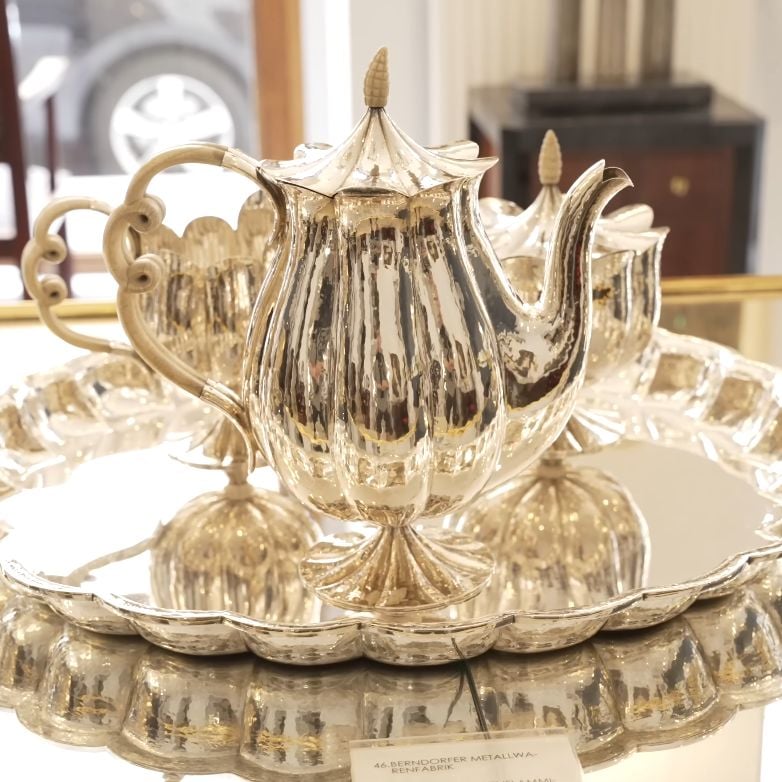
For a truly proper tea experience, brewing with loose leaves is paramount, far surpassing the convenience of tea bags or restrictive infusers. Loose leaves require ample room to circulate freely within the teapot, allowing them to fully unfurl and release their complex aromas and flavors. This unhindered infusion produces a depth and nuance of taste that pre-packaged tea bags, often containing lower-quality "dust" and "fannings," simply cannot achieve. Research into tea chemistry consistently demonstrates that the larger surface area and unrestricted movement of loose leaves lead to a more efficient extraction of beneficial compounds and flavor notes.
This is precisely why a tea strainer is an indispensable piece of the service. It effectively filters the leaves as the tea is poured into the cup, ensuring a smooth, clear drink without sacrificing the rich quality of a real infusion. A simple stainless steel strainer is perfectly functional, while a silver-plated version offers a refined upgrade, making it an excellent traditional gift.
The Art of Brewing: A Precise Science
The brewing stage is foundational to the entire tea experience. Good tea service begins with good tea, and that means mastering the basics of preparation.
-
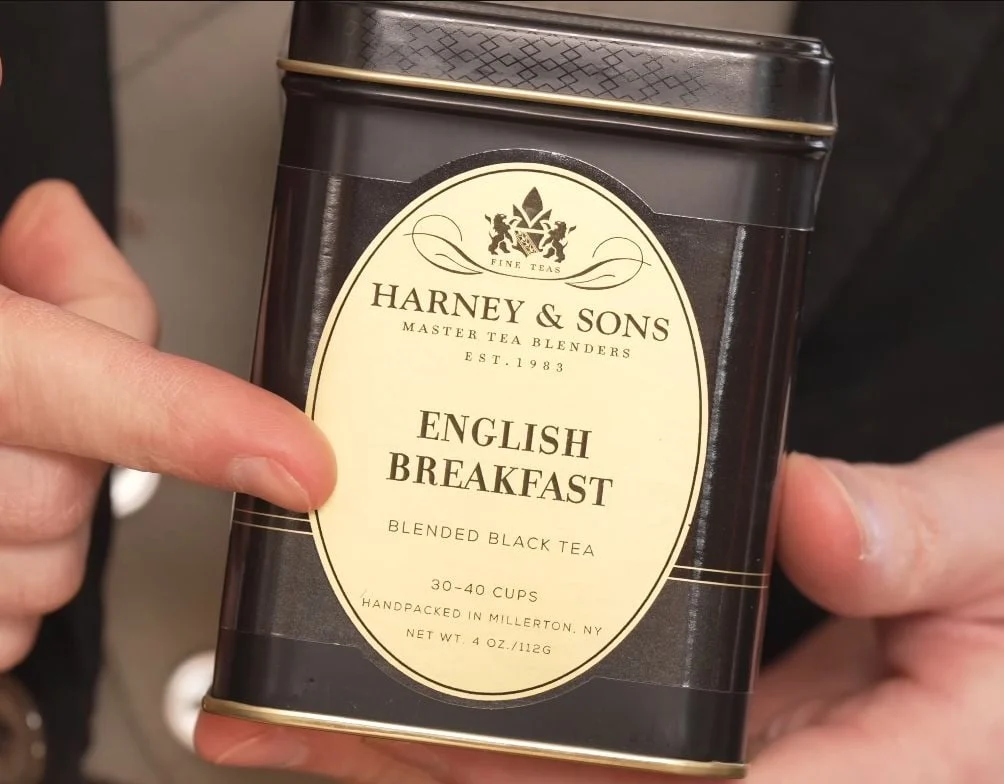
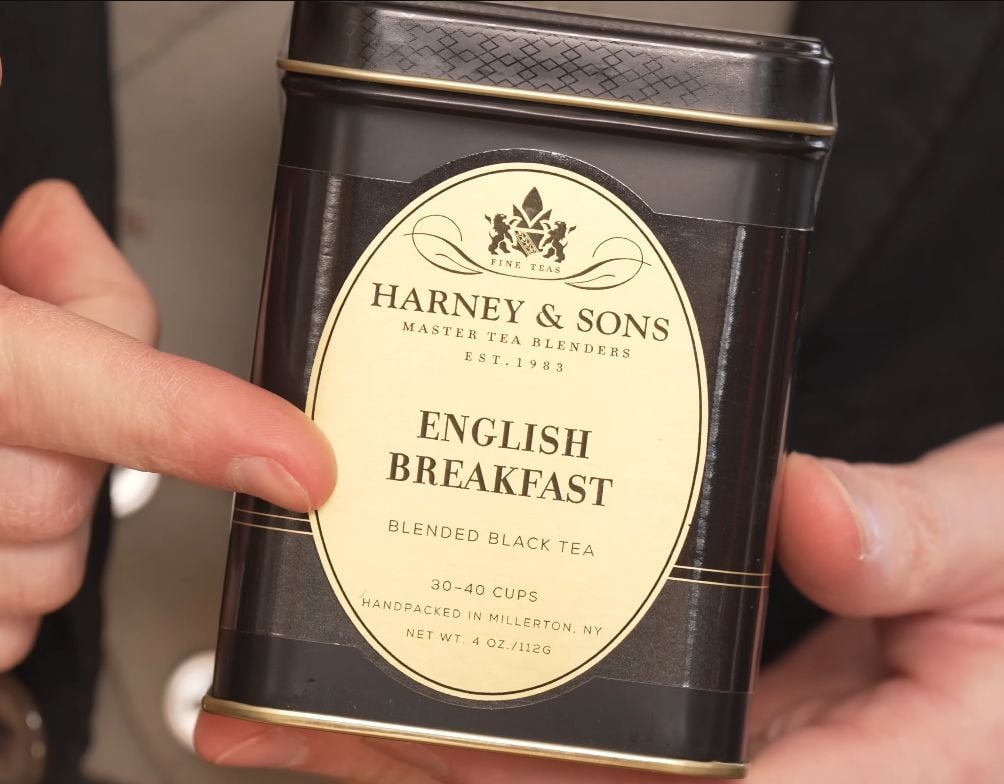
Water Temperature: For robust black teas such as English Breakfast, the water must reach a full, rolling boil—approximately 100°C (212°F). This high temperature is essential for extracting the full flavor and color from black tea leaves. For more delicate teas like green or white tea, lower temperatures (e.g., 70-85°C) are typically recommended to prevent bitterness.
-
Filtered Water: Whenever possible, use filtered water. Hard water, characterized by a high mineral content (calcium, magnesium), can significantly impact the taste of tea, often flattening or weakening its delicate flavors. Studies published in journals like the Journal of Agricultural and Food Chemistry have shown how mineral ions in hard water can bind to tea compounds, altering their solubility and taste profile. Filtered water, free from impurities and excessive minerals, consistently yields a cleaner, brighter, and more authentic tea flavor.
-
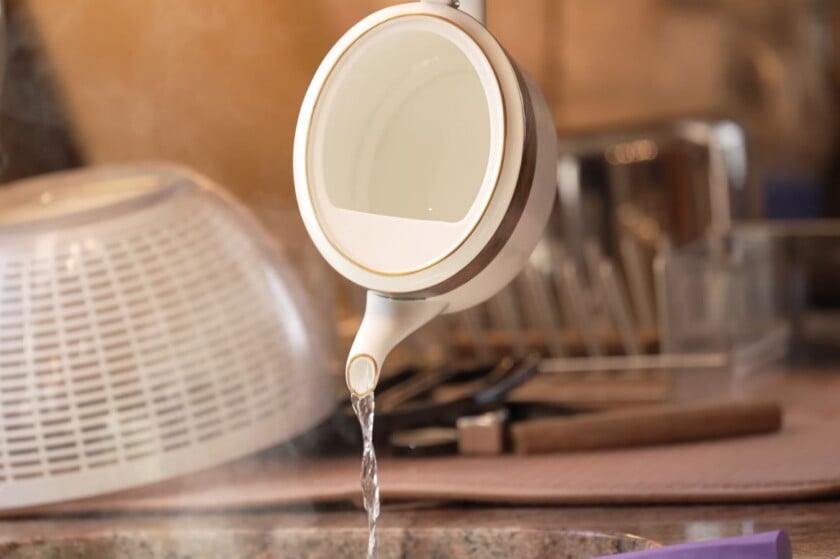
Warming the Teapot: Before adding the tea leaves, pour a small amount of hot water into the teapot, swirl it around, and then discard it. Briefly replacing the lid helps trap the heat. This crucial step gently pre-warms the ceramic or metal, preventing a rapid drop in water temperature when the freshly boiled water is added for brewing. Maintaining a consistent temperature is vital for optimal infusion and flavor development.
-
Correct Tea Quantity: The traditional adage holds true: use one portion of tea per person, plus one extra for the pot. While a specialized caddy spoon is traditional, a heaped teaspoon per serving is a practical alternative. This ensures adequate strength and flavor for all cups.
-
Filling the Pot: Once the leaves are in, pour freshly boiled water into the teapot until it is approximately three-quarters to four-fifths full. Leaving a small amount of space at the top is intentional; it allows for better heat and steam circulation within the pot, promoting a more thorough and even infusion of the leaves.
-
Steeping Patiently: Allow the tea to steep for three to five minutes, depending on the desired strength. Shorter steeping times result in a lighter brew, while longer times yield a stronger, more robust cup. Over-steeping, however, can lead to bitterness, especially with black teas, due to the excessive extraction of tannins.
Preparing the Accompaniments: Milk, Sugar, and Lemon

While the tea is steeping, preparing the accompaniments is a vital part of the service.
-
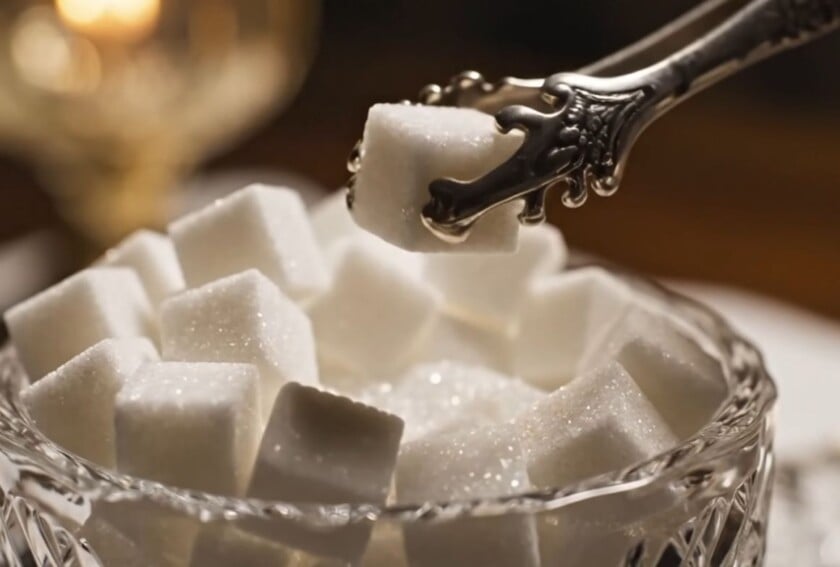
Milk and Sugar: Milk should be poured into a spouted milk jug, preferably made of matching china or silver. Sugar belongs in a sugar bowl, presented either as coarse white granulated sugar with a communal spoon or as white sugar cubes accompanied by elegant sugar tongs.
- Milk Type: Whole milk is traditionally preferred for its richness, which complements the robust flavor of black tea. Skim or low-fat milk can be used, but may result in a thinner taste. Non-dairy alternatives are increasingly common and should be offered if guests have dietary preferences.
- Sugar Choices: While white sugar is traditional, offering brown sugar or alternative sweeteners can cater to diverse tastes. The presentation, however, remains key: neatness and ease of access for guests.
-
Lemon: Lemon is typically served with lighter, more delicate teas, such as Earl Grey or certain green teas, rather than with a robust breakfast blend, especially if milk is also being offered. The acidity in lemon can cause milk to curdle, creating an unappetizing appearance and taste. If lemon is provided, the slices should be thin, deseeded, and arranged neatly on a separate small plate with a small fork for serving.
The Etiquette of Pouring Tea for Guests
Once the tea has steeped to perfection, the serving process should be deliberate and unhurried, reflecting the host’s attentiveness.
- Pour Slowly: Tea should never be poured in haste. A slow, controlled pour minimizes the risk of spills and conveys a sense of care and professionalism in the service.
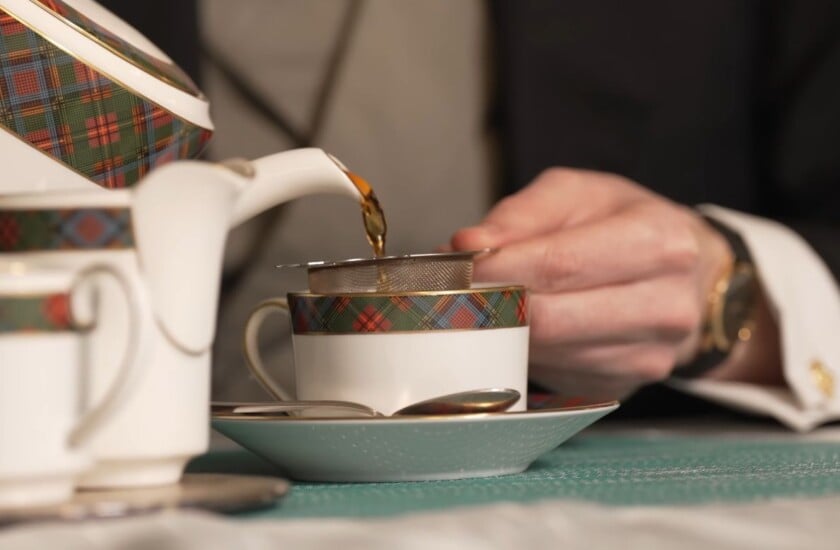
- Always Use the Strainer: Hold the tea strainer directly over the cup and pour the tea gently through it. This ensures that no loose leaves enter the cup, maintaining a clean and pleasant drinking experience.
- Do Not Overfill: Fill each cup to approximately three-quarters full. This leaves sufficient room for guests to add milk or sugar without the risk of overflowing, and it makes the cup easier and safer to handle.
- Serve Others First: A hallmark of good hosting, the individual pouring the tea should ensure that all guests are served before pouring their own cup. This demonstrates courtesy and puts the comfort of others first.
- Return the Pot Within Reach: After the initial round of serving, the teapot should be returned to the table with its handle conveniently positioned for guests. Subsequent servings are typically self-service, and easy access ensures comfort for everyone.
Adding Milk and Sugar: A Dance of Delicacy
Once the tea is served, guests may customize their cup with milk or sugar, adhering to specific points of etiquette.
-
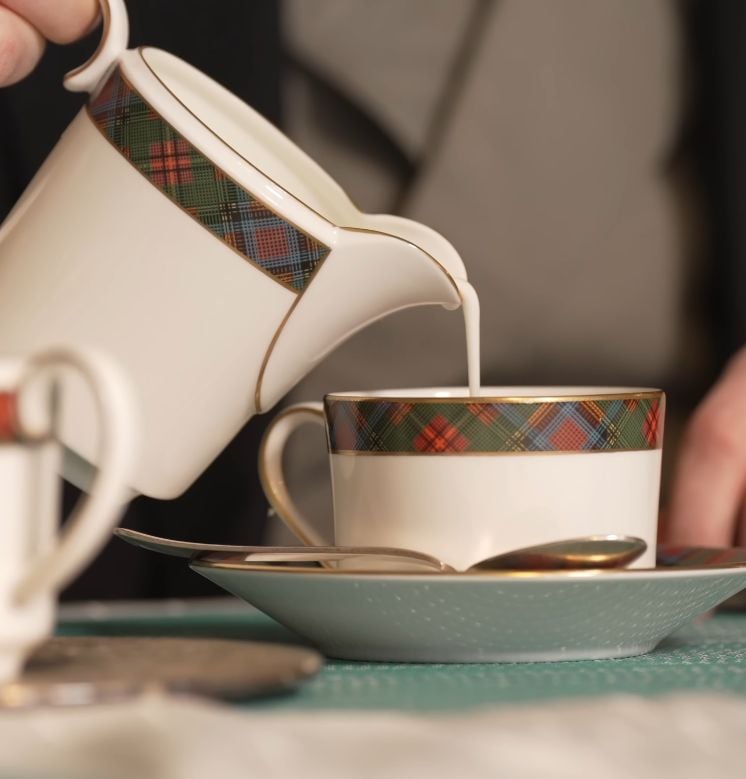
Milk After Tea: There has been a long-standing debate over whether milk should be added before or after the tea. Historically, "milk-in-first" (MIF) was practiced with delicate china to prevent the sudden temperature change from cracking the cup. However, in contemporary etiquette, especially in a group setting, adding milk after the tea is generally preferred. This allows each person to accurately gauge the strength of the brew and adjust the milk to their individual taste. The milk jug should be returned to its place with consideration for the next person.
-
Careful Sugar Use: If granulated sugar is offered, it should be added with the communal sugar spoon, which is then immediately returned to the bowl. Crucially, the spoon should never touch the tea itself. A wet spoon returned to the sugar bowl will cause the sugar to clump, which is unhygienic and unpleasant for others. If sugar cubes are provided, they should be added with tongs as gently as possible. Dropping a cube carelessly can cause splashing, marring the cup and potentially the table.
-
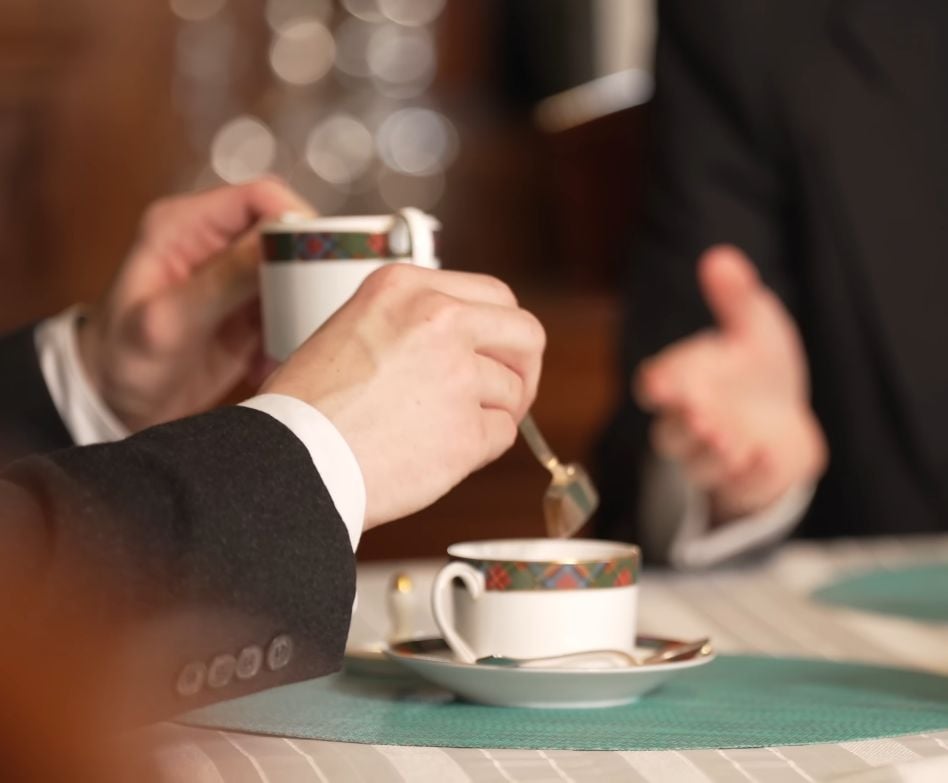
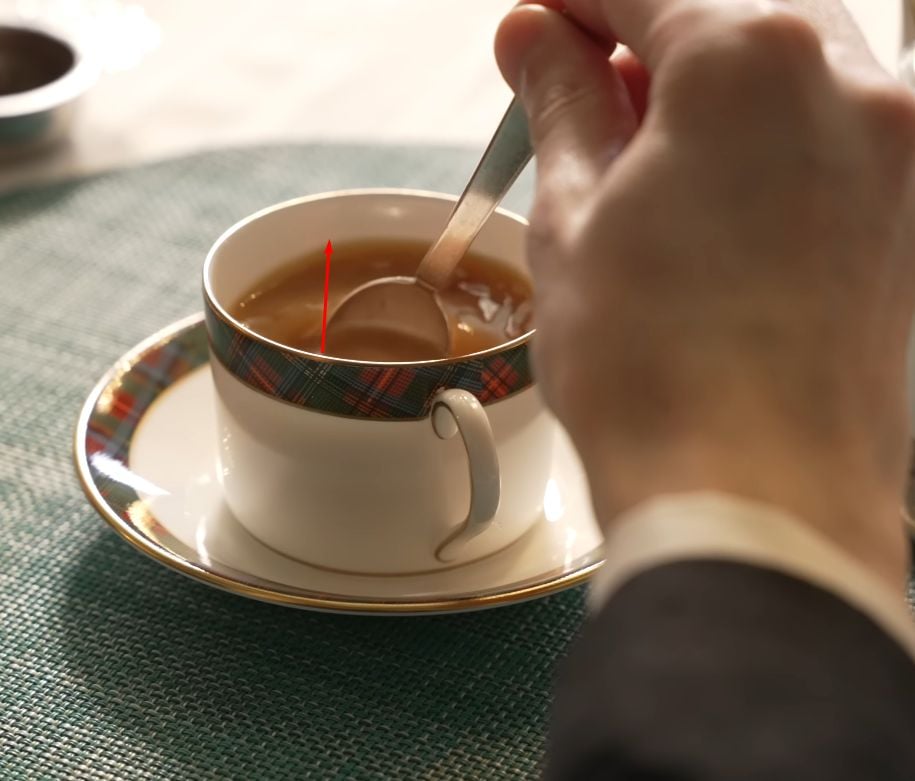
Neat Stirring: Once milk or sugar has been added, stir with the teaspoon from your saucer. The correct motion is a gentle back-and-forth movement from 12 to 6 o’clock, rather than an energetic circular swirl. This method is neater, quieter, and more elegant, preventing unnecessary clinking against the cup. After stirring, the spoon should be placed back on the saucer, parallel to the cup handle, never left in the cup.
Holding the Cup and Saucer: The Epitome of Poise
Tea etiquette extends to how the cup is held, a subtle yet significant indicator of refinement.
-
Cup Position on Saucer: After serving, the cup should be returned to its saucer with the handle positioned between 4 and 5 o’clock for a right-handed person. The teaspoon rests on the saucer, parallel to the handle. Left-handed drinkers should simply mirror this arrangement. This standardized placement makes it easy to lift and return the cup gracefully.
-
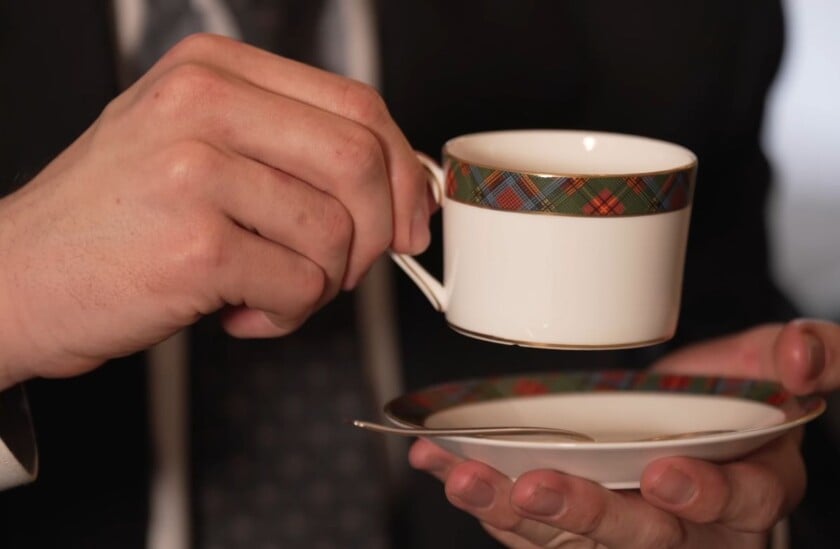
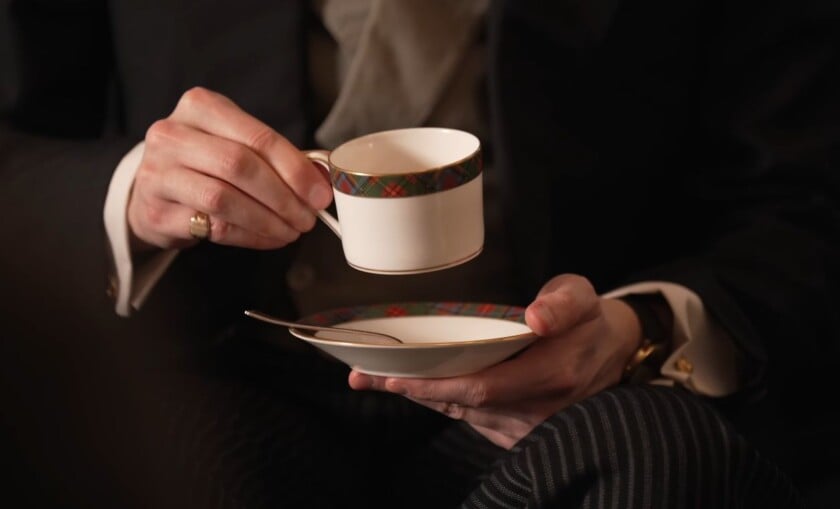
Proper Handle Grip: When lifting the cup, the handle should be pinched lightly between the thumb and forefinger, with the middle finger providing gentle support underneath. This is distinct from hooking fingers through the handle, which can appear less elegant, especially with delicate bone china. This "pinch" grip is one of the clearest signs of polished tea manners.
- The Pinky Finger: Despite popular caricature, the pinky finger should remain down. A raised pinky is a widespread misconception and is actually considered a faux pas in traditional etiquette. The remaining fingers should either be tucked neatly into the palm or used discreetly to steady the cup, ensuring a composed grip.
-
Drinking Posture: When drinking, the handle will naturally settle at 3 o’clock (or 9 o’clock for left-handed drinkers). After each sip, the cup should be returned to the saucer, resuming its original slight angle.
Drinking Tea in Various Settings
Regardless of the setting—at a table, seated without one, or standing—the overarching goal remains consistent: maintain controlled movements, composed posture, and handle the cup and saucer with care.
-
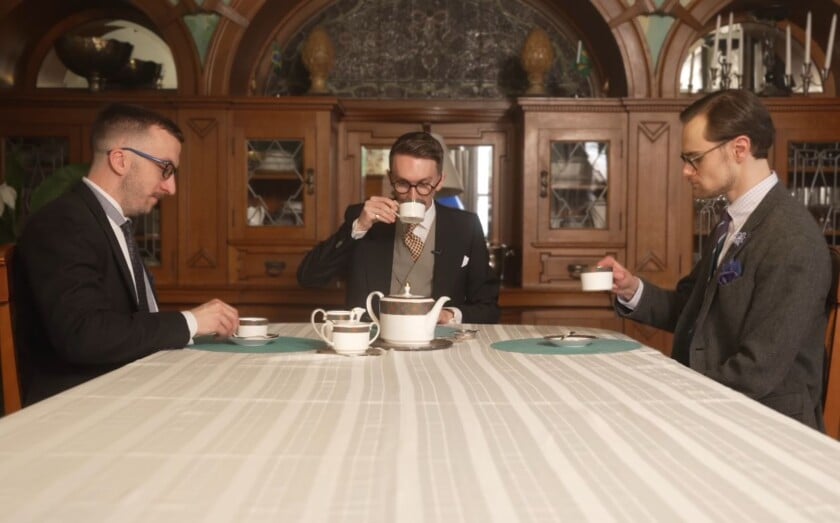
Seated at a Table: When seated at a table, the cup and saucer remain together on the table until the moment of drinking. Lift only the cup to your mouth, leaving the saucer and teaspoon undisturbed on the table. After each sip, return the cup promptly and quietly to its saucer.
-
Seated Without a Table: If seated in a setting without a table, such as a lounge or parlor, the saucer should be held steady in the non-dominant hand, resting comfortably in the lap or just above it. The dominant hand then lifts only the cup to drink. The same principle applies: the saucer remains in place, and the cup is returned to it immediately after drinking. This prevents spills and maintains a tidy appearance.
-
Standing: When standing, the saucer is again held in the non-dominant hand, close to the body, typically around the natural waistline for stability. The cup is raised and returned without lifting the saucer toward the face. This maintains a refined posture and reduces the risk of accidental spillage.
In all scenarios, posture is paramount. Sit or stand upright, move with deliberate control, and ensure the entire action of drinking tea is composed and graceful.
Common Tea Etiquette Mistakes to Avoid
Much of proper tea etiquette boils down to avoiding habits that make the experience feel sloppy, rushed, or inconsiderate. Key mistakes to circumvent include:
- Loud Stirring: Avoid clinking the spoon against the cup.
- Leaving the Spoon in the Cup: The teaspoon always rests on the saucer after stirring.
- Hooking Fingers Through the Handle: Use the delicate pinch grip.
- Holding the Cup with Both Hands: Unless the cup is excessively hot, a single-hand grip is customary.
- Slurping Tea: Drink quietly and gracefully.
- Dunking Biscuits or Food: In formal settings, this is generally considered uncouth. Enjoy accompaniments separately.
- Ignoring Guests: The host should remain attentive to guests’ needs.
- Complaining About the Tea: Maintain a polite demeanor, even if the tea is not to your preference.
- Raising the Pinky Finger: This is a common misconception and an actual faux pas.
- Overfilling the Cup: Leads to spills and difficulty handling.
- Pouring Too Quickly: Risks splashes and appears careless.
- Not Using a Strainer with Loose-Leaf Tea: Results in a less refined drink.
The True Mark of a Gentleman at Tea
Ultimately, the true refinement in the art of tea drinking transcends mere adherence to rules or the elegance of the equipment. It lies in the atmosphere and tone cultivated around the occasion. A gentleman understands that tea is more than a beverage; it is a vehicle for courtesy, connection, and mindful engagement.
He serves with care, ensuring every detail contributes to the comfort and enjoyment of his guests. He listens attentively, engaging in conversation that enriches the shared experience. He makes those around him feel valued, comfortable, and considered. Good tea etiquette, therefore, is not about rigid formality for its own sake, but rather a profound expression of hospitality and respect. This spirit of generosity and mindfulness is what imbues the ritual with its lasting charm and significance. The cup, the brewing, and the manners all matter, but the quintessential mark of a gentleman is the gracious spirit in which the tea is shared, fostering moments of genuine human connection in a world that often rushes past them.