










For centuries, tea has transcended its simple role as a beverage, evolving into a profound ritual of civility and social grace across diverse cultures. What might appear as an ordinary daily refreshment can, with a modicum of attention and care, transform into a remarkably refined experience, underscoring principles of consideration, patience, and meticulousness. This transformation is not merely about the quality of the brew itself, but encompasses the instruments employed, the precision of the brewing process, and the intricate dance of etiquette that frames the entire occasion. More fundamentally, the ritual of tea offers a poignant opportunity to decelerate the pace of modern life, extend thoughtful hospitality to others, and elevate a humble drink into a truly civilizing practice.

Historical Roots and Cultural Evolution of Tea Rituals
The journey of tea from its origins in ancient China as a medicinal tonic to its status as a global social phenomenon is a rich tapestry interwoven with cultural exchange and evolving customs. Introduced to Europe in the 17th century, tea rapidly gained traction, particularly within British society, where it was initially a luxury commodity. By the 18th and 19th centuries, tea had become deeply ingrained in the social fabric, giving rise to elaborate rituals and specific codes of conduct that mirrored societal hierarchies and aspirations for refinement.

The establishment of afternoon tea, attributed to Anna, the Seventh Duchess of Bedford, in the mid-19th century, epitomizes this evolution. Facing a "sinking feeling" between lunch and dinner, her private practice of taking tea with a light snack soon blossomed into a fashionable social event, complete with specific serving times, attire, and, crucially, a defined set of manners. This historical context underscores that refined tea drinking is not a static set of rules but a living tradition that has adapted over time, always emphasizing hospitality, decorum, and the creation of a congenial atmosphere.
The Essential Elements of a Traditional Tea Service
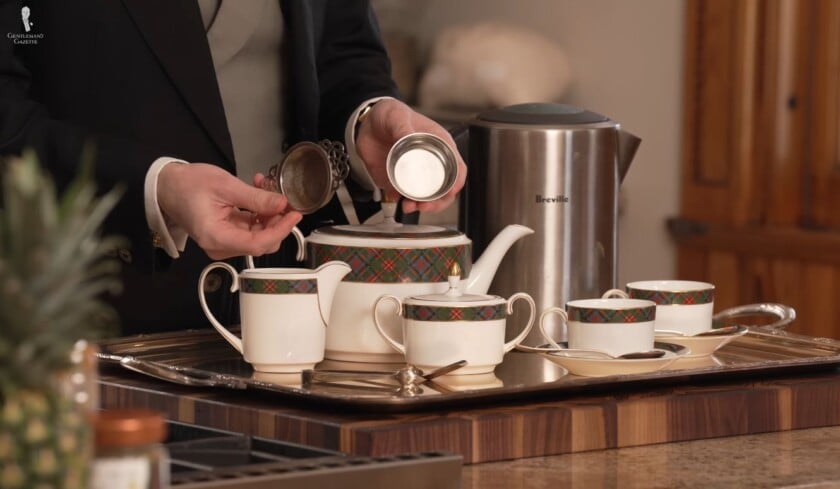
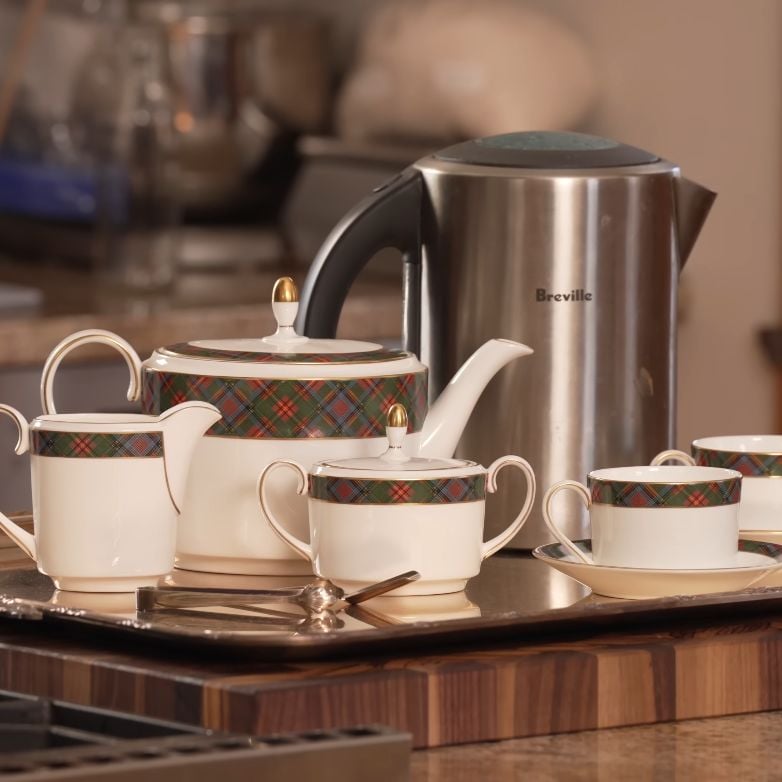
Central to the art of refined tea drinking is the assembly of the correct implements. A traditional tea service, while not necessarily extravagant, demands a selection of key components, each playing a vital role in both functionality and aesthetic presentation.
- Kettle: The source of freshly boiled water, ideally electric for convenience and precise temperature control.
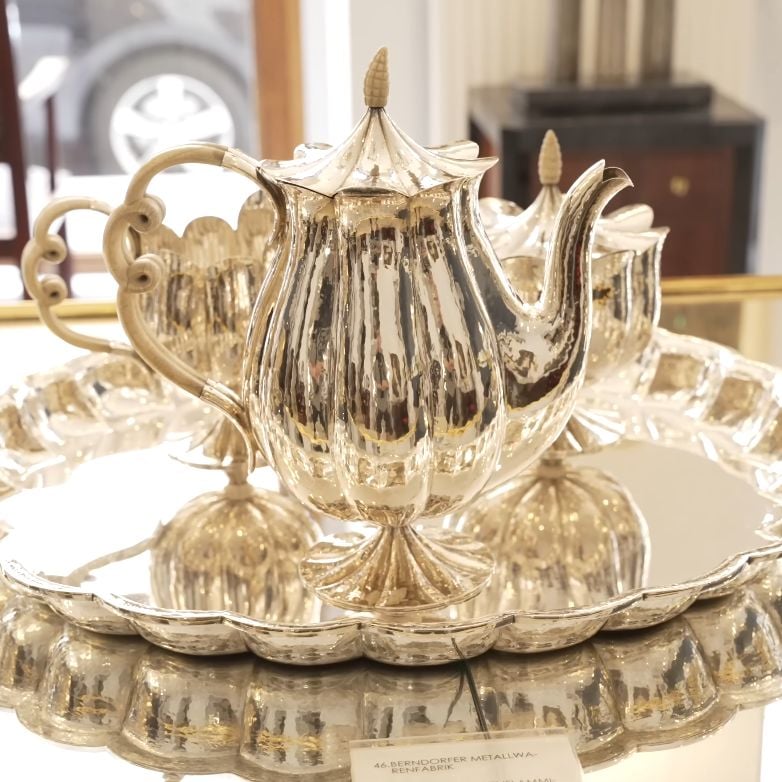
- Teapot: The heart of the brewing process. Traditionally, these are either ceramic (often bone china) or silver-plated. Ceramic teapots excel at heat retention, while silver-plated varieties offer an undeniable touch of grandeur. Historically, the material choice reflected social standing and taste. A notable distinction exists between teapots and coffee pots: teapots are typically shorter, rounder, and squatter, designed for optimal leaf expansion, whereas coffee pots are taller and more tapered.
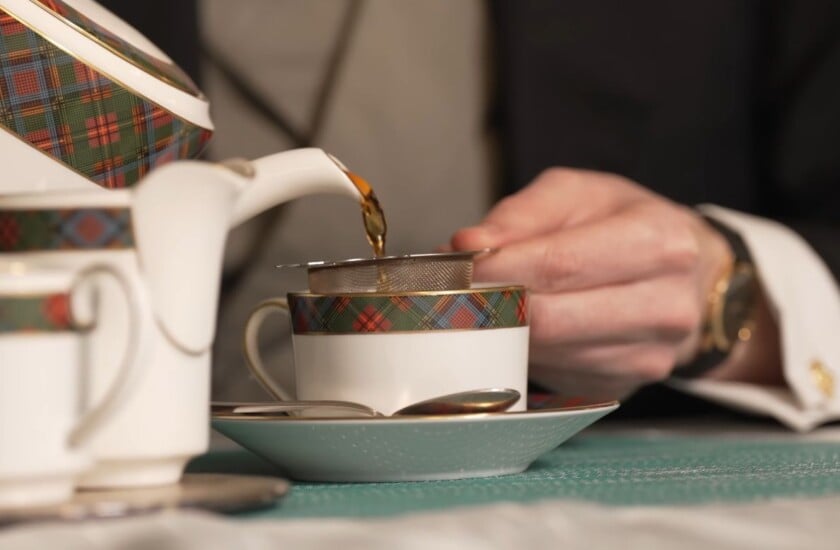
- Tea Strainer: An indispensable tool for loose-leaf tea. It ensures a smooth pour, separating the infused leaves from the liquid. Stainless steel strainers are practical, but a silver-plated version adds to the ceremonial feel.
- Teacups and Saucers: These should ideally be crafted from bone china, known for its delicate translucence, lightness, and superior tactile experience compared to heavier ceramic alternatives. The thinness of bone china also allows for a finer appreciation of the tea’s temperature and flavor.
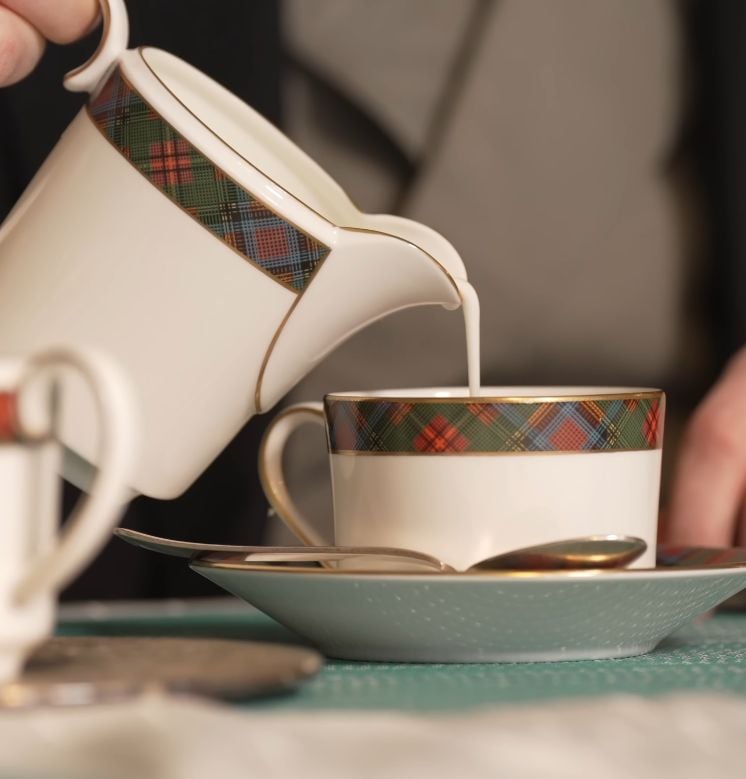
- Milk Jug: A spouted vessel specifically for milk, offering a controlled pour.
- Sugar Bowl: For presenting sugar, either as granulated sugar with a communal spoon or, more formally, as white sugar cubes accompanied by sugar tongs.
- Teaspoons: Small, delicate spoons for stirring, perfectly proportioned for teacups.
The acquisition of such a set need not be a costly endeavor. Vintage, thrift, and charity shops frequently yield high-quality, often unused, antique tea sets at remarkably reasonable prices, providing an opportunity to embrace tradition without significant expense. This practice of sourcing vintage items also connects to a broader appreciation for craftsmanship and sustainability.
The Imperative of Loose-Leaf Tea
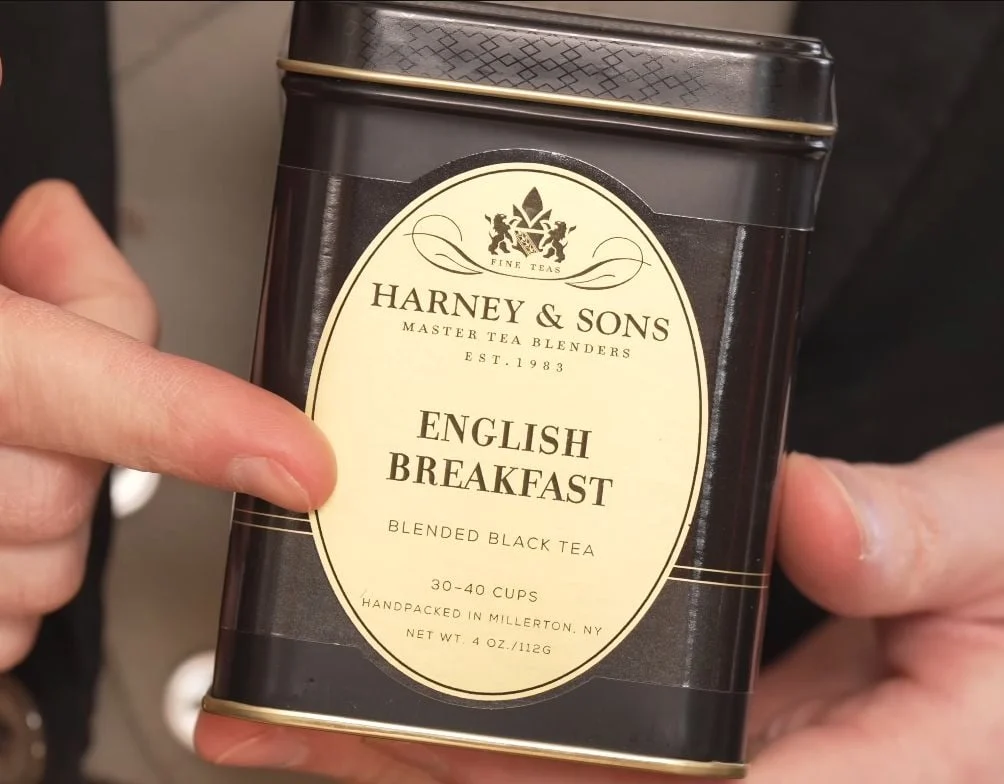
At the core of a truly refined tea experience lies the unwavering preference for loose-leaf tea over pre-packaged tea bags. The distinction is not merely one of snobbery but is rooted in fundamental principles of tea quality and infusion dynamics. Loose tea leaves, when brewed, require ample space to unfurl and circulate freely, allowing for a complete and nuanced extraction of their essential oils, aromas, and flavors. This process, known as "the dance of the leaves," is crucial for developing a full-bodied, aromatic, and complex cup.
Conversely, most commercial tea bags contain "fannings" or "dust," which are the smallest particles of tea leaves, often of lower grade. Confined within a small bag, these particles cannot expand fully, leading to a restricted infusion and often a flatter, less vibrant flavor profile. Research into tea chemistry has consistently shown that the surface area and freedom of movement for tea leaves directly impact the efficiency of flavor compound extraction, favoring loose-leaf preparations for a superior sensory experience.
The Precision of Proper Tea Brewing
The brewing stage is foundational, dictating the character of the tea and setting the tone for the entire service. Adhering to precise steps ensures an optimal infusion:
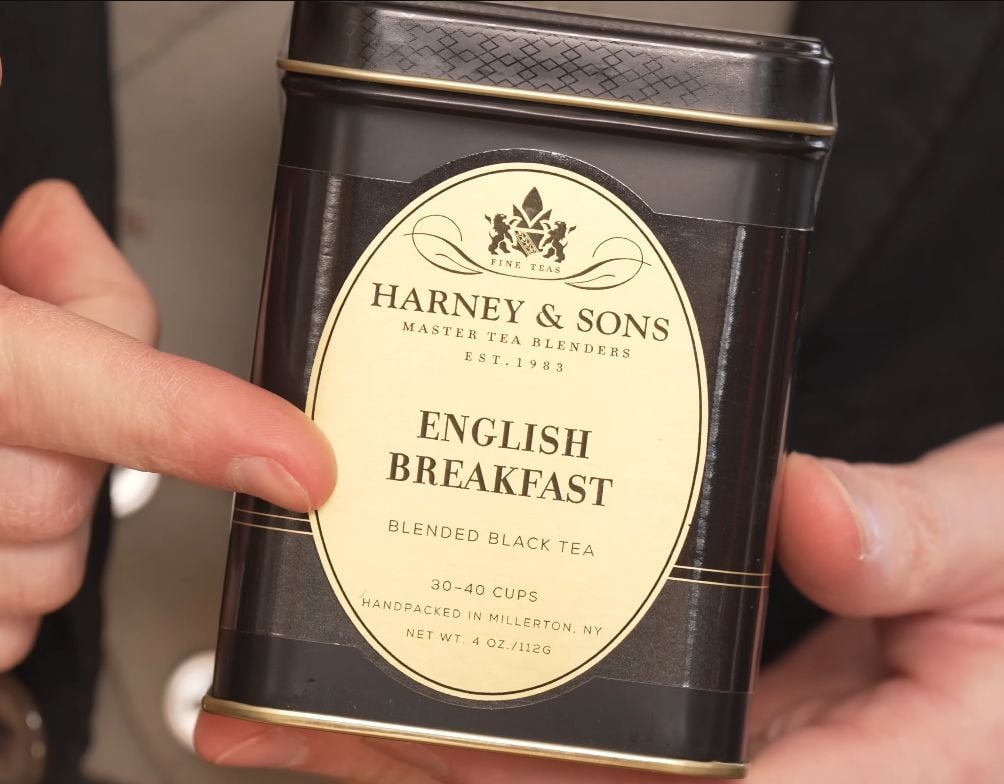
- Water Temperature: For robust black teas, such as a classic English Breakfast blend, the water must reach a rolling boil, approximately 100°C (212°F). Different tea types (green, white, oolong) require varying temperatures, but for traditional black tea service, maximum heat is essential for proper extraction.
- Filtered Water: The quality of water significantly impacts tea flavor. Hard water, characterized by high mineral content, can chemically interact with tea compounds, often resulting in a duller or weaker taste. Filtered water, free from impurities, allows the tea’s intrinsic flavors to shine through, yielding a cleaner, brighter cup.
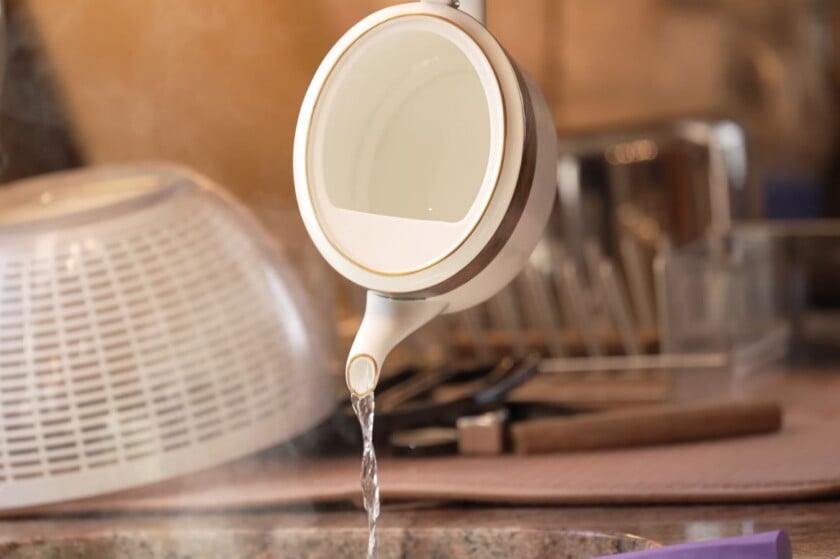
- Warming the Teapot: Prior to adding tea leaves, a small amount of hot water should be swirled within the teapot and then discarded. This preheats the ceramic or metal, preventing a sudden drop in water temperature when the freshly boiled water is added, thereby ensuring a consistent brewing environment.
- Correct Tea Quantity: The traditional guideline is "one portion of tea per person, plus one extra for the pot." While a specialized caddy spoon is customary, a heaped teaspoon per serving offers a practical alternative. This ratio ensures a strong, flavorful brew, particularly when serving multiple guests.
- Filling the Pot: Once the leaves are in, freshly boiled water should fill the teapot to about three-quarters to four-fifths capacity. Leaving a small air gap at the top facilitates better heat and steam circulation, optimizing the infusion process.
- Steeping Patience: The steeping time is critical and depends on desired strength. For most black teas, three to five minutes is standard. Under-steeping results in a weak, watery brew, while over-steeping can lead to bitterness.
The Art of Accompaniments: Milk, Sugar, and Lemon
While the tea steeps, the accompaniments should be prepared with equal care. These additions are not merely functional but contribute to the overall presentation and individual enjoyment.
- Milk Service: Milk is poured into a spouted milk jug. The long-standing debate over whether milk should be added to the cup before or after the tea ("milk-in-first" or MIF) has historical roots. Proponents of MIF often cite the practice’s origin in protecting delicate china from cracking due to sudden temperature changes, a concern more prevalent with early, less robust porcelain. Modern etiquette, however, largely favors adding milk after the tea has been poured. This allows each guest to accurately assess the tea’s strength and customize their cup to their precise taste, fostering individual preference and minimizing waste.
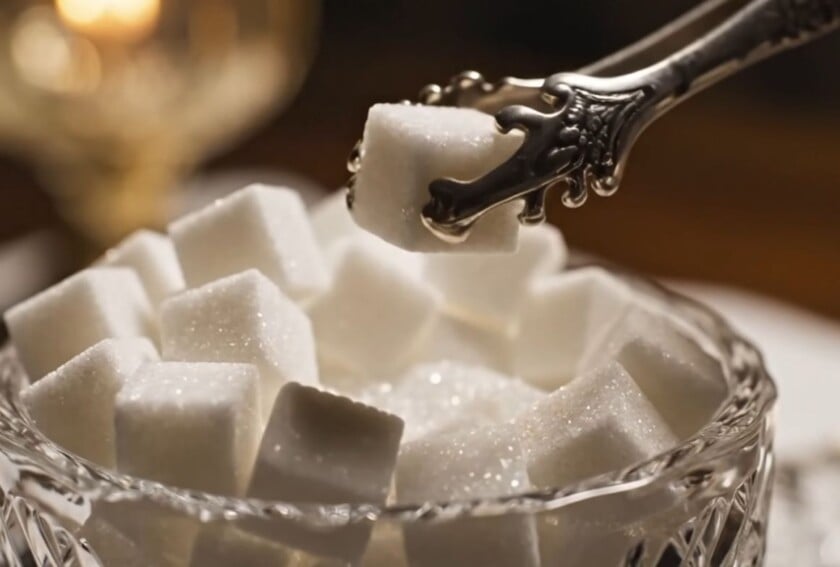
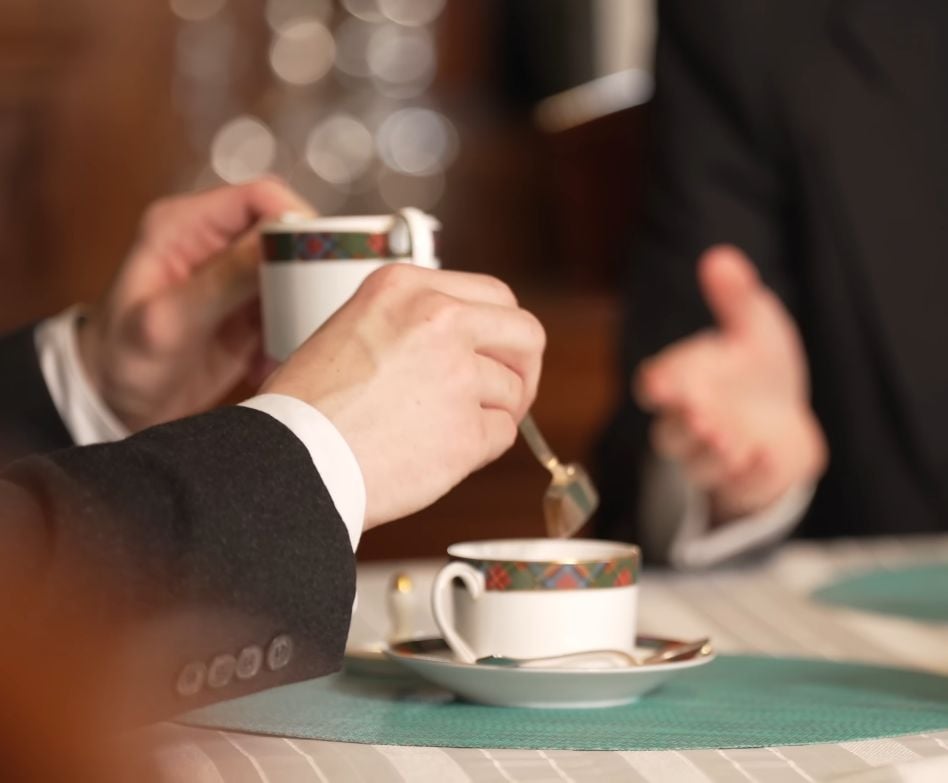
- Sugar Presentation: Sugar should be presented in a dedicated sugar bowl. Granulated white sugar, served with a communal spoon, or white sugar cubes, accompanied by silver sugar tongs, are the traditional options. The etiquette surrounding sugar is specific: if using granulated sugar, the communal spoon should never touch the tea itself, as a wet spoon returned to the bowl will cause the sugar to clump. When using sugar cubes, they should be gently placed into the cup with tongs, avoiding any careless dropping that could splash the hot tea.
- Lemon (Judiciously Offered): Lemon slices, if offered, are typically reserved for lighter, more delicate teas that benefit from a citrus note, rather than robust breakfast blends which pair better with milk. If served, lemon should be presented on a separate plate with a small fork or tongs for hygienic and elegant handling.
The Choreography of Serving and Partaking

Once the tea has steeped, the serving process unfolds as a deliberate and unhurried performance, reflecting the host’s consideration for their guests.
- Slow and Steady Pour: Tea should be poured slowly and steadily to prevent spills and maintain an air of calm. Rushing the pour detracts from the refinement of the ritual.
- Consistent Use of the Strainer: Every pour must pass through the tea strainer, held closely to the cup, ensuring no loose leaves enter the cup and the drink remains smooth.
- Appropriate Fill Level: Each cup should be filled to approximately three-quarters full. This leaves sufficient space for milk or sugar and ensures the cup can be handled safely and comfortably without risk of overflow.
- Host Serves First: The host traditionally ensures all guests are served their first cup before pouring their own. This act of deference underscores the principle of hospitality.
- Teapot Accessibility: After the initial round, the teapot is returned to the table within easy reach of guests, with its handle conveniently positioned. Subsequent servings are often handled individually by guests, maintaining a relaxed yet refined atmosphere.
Holding the Cup and Saucer: The Nuances of Grip and Posture
Tea etiquette extends beyond the pouring to the very act of holding and drinking.
- Cup Position on Saucer: After serving, the teacup is returned to its saucer with the handle positioned between 4 and 5 o’clock for a right-handed person, with the teaspoon resting parallel to the handle on the saucer. Left-handed individuals mirror this arrangement.
- Proper Handle Grip: The teacup handle should be lightly pinched between the thumb and forefinger, with the middle finger providing gentle support underneath. Crucially, the fingers should not be hooked through the handle. This delicate grip is a hallmark of polished tea manners, offering control and elegance.
- Debunking the Pinky Myth: Contrary to popular misconception, a raised pinky finger is considered a faux pas in traditional etiquette. The remaining fingers should be neatly tucked into the palm or used discreetly to steady the cup, maintaining a composed and understated demeanor.
- Drinking in Various Settings:
- At a Table: The cup and saucer remain together on the table until a sip is desired. Only the cup is lifted to the mouth, with the saucer and teaspoon remaining on the table. After each sip, the cup is returned to the saucer.
- Seated Without a Table: The saucer is held steady in the non-dominant hand, resting comfortably in the lap or just above it. The dominant hand then lifts only the cup to drink, returning it to the saucer immediately after each sip.
- Standing: The saucer is held in the non-dominant hand, close to the body, typically around the natural waistline for stability. As with other settings, only the cup is raised to the lips, without lifting the saucer towards the face.
In all scenarios, posture is paramount. An upright, composed stance, combined with controlled, deliberate movements, ensures that the entire action remains elegant and self-possessed.
Common Departures from Traditional Etiquette
Much of tea etiquette can be distilled into the avoidance of habits that disrupt the tranquility and elegance of the experience. These common faux pas include:
- Clinking the Teaspoon: Stirring should be quiet and gentle, moving the spoon back and forth from 12 to 6 o’clock, rather than a circular swirl that causes clinking.
- Slurping or Loud Sips: Drinking should be discreet and silent.
- Dunking Biscuits or Food: In formal or refined settings, dunking any food item into the tea is considered poor manners. Accompaniments should be enjoyed separately.
- Leaving the Teaspoon in the Cup: After stirring, the teaspoon is always returned to the saucer, parallel to the cup handle.
- Overfilling the Cup: Filling a cup to the brim risks spills and makes it difficult to handle gracefully.
- Pointing with the Pinky Finger: As noted, this is a widespread misconception of elegance and is generally discouraged.
The Enduring Significance of Courtesy and Connection
Ultimately, the true essence of refined tea drinking extends far beyond the mechanics of brewing or the strictures of etiquette. It resides in the intangible atmosphere created around the occasion and the spirit in which the tea is shared. The equipment matters, the brewing matters, and the manners matter, but these elements serve a larger purpose: to foster an environment of courtesy, consideration, and connection.
Etiquette experts and cultural commentators consistently emphasize that these rituals are not about pretension but about respect—respect for the tradition, for the beverage, and most importantly, for the individuals gathered. A gentleman, in this context, treats tea as more than a mere beverage; he approaches it as an opportunity to demonstrate hospitality, engage in thoughtful conversation, and ensure that those around him feel comfortable, valued, and respected. In an increasingly fast-paced and digitized world, the deliberate slowness and mindful engagement of a traditional tea service offer a powerful counterpoint, reinforcing timeless values of grace, mindful living, and genuine human connection. It is this spirit of shared civility that truly marks the refined experience of tea.