
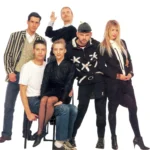





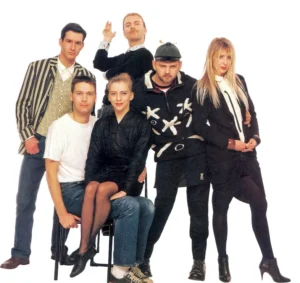
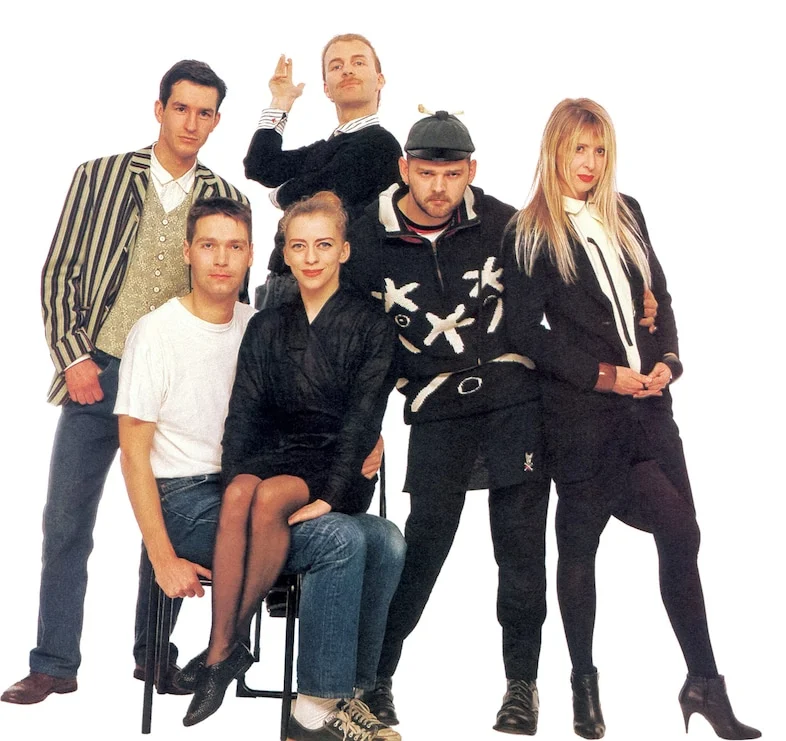
Antwerp, Belgium – This weekend, the MoMu fashion museum in Antwerp opens its doors to a landmark exhibition, “The Antwerp Six,” marking the first major retrospective dedicated to the trailblazing collective of Belgian designers who irrevocably altered the global fashion landscape. Coinciding with the 40th anniversary of their pivotal emergence, the exhibition, which began on March 28 and runs until January 17, 2027, celebrates the individual brilliance and collective legacy of Dries Van Noten, Ann Demeulemeester, Walter Van Beirendonck, Dirk Van Saene, Dirk Bikkembergs, and Marina Yee. This unprecedented showcase delves into the serendipitous events that propelled them from the hallowed halls of the Royal Academy of Fine Arts Antwerp to international acclaim, revealing the chaotic genesis of a fashion legend and its enduring resonance.
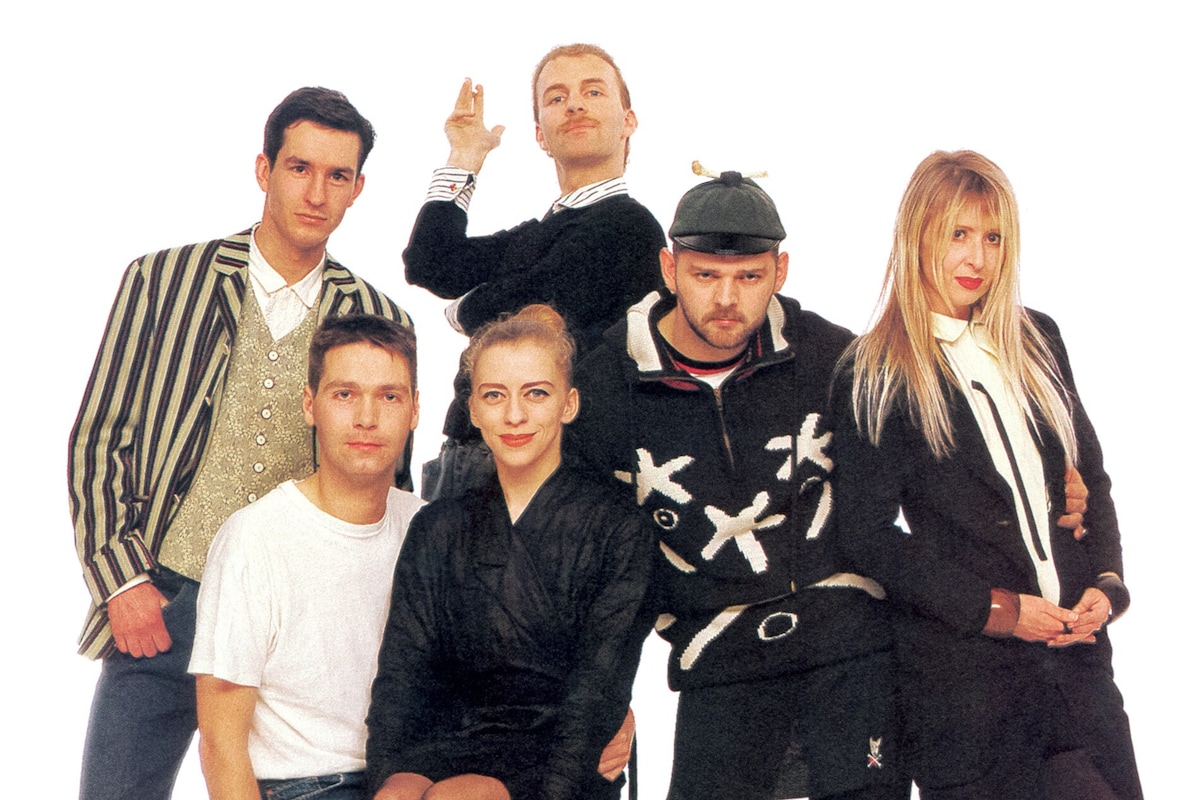
The story of the Antwerp Six is one steeped in the unique educational environment of Belgium’s Royal Academy of Fine Arts. In the early 1980s, under the visionary leadership of figures like Linda Loppa, the Academy fostered an avant-garde approach to fashion design, encouraging conceptual thinking, technical mastery, and a strong individual voice. This stood in stark contrast to the more commercially driven fashion education prevalent in other major fashion capitals. The six designers, all graduates of the Academy in the early 1980s, shared a radical perspective that challenged the prevailing opulent trends of the era, advocating for a more intellectual, often deconstructed, and deeply personal aesthetic. Their training emphasized craftsmanship, unconventional silhouettes, and a sense of narrative within their collections, laying the groundwork for a distinct Belgian design sensibility.
The pivotal moment in their collective history occurred in 1986, a year etched into fashion lore. Frustrated by the lack of international recognition for Belgian talent, the six designers, along with entrepreneur Geert Bruloot—who had recently opened the avant-garde fashion boutique Louis and was instrumental in organizing the trip—embarked on an audacious journey to London. Their destination was the British Designer Showcase, a precursor to what is now known as London Fashion Week. This expedition was far from a meticulously planned corporate venture; it was, as MoMu curator Romy Cockx aptly describes, “improvised and chaotic.” The designers famously piled into a cramped van, their precious collections carefully stowed, only to face an immediate hurdle: they nearly missed their showing after misplacing the van’s keys.
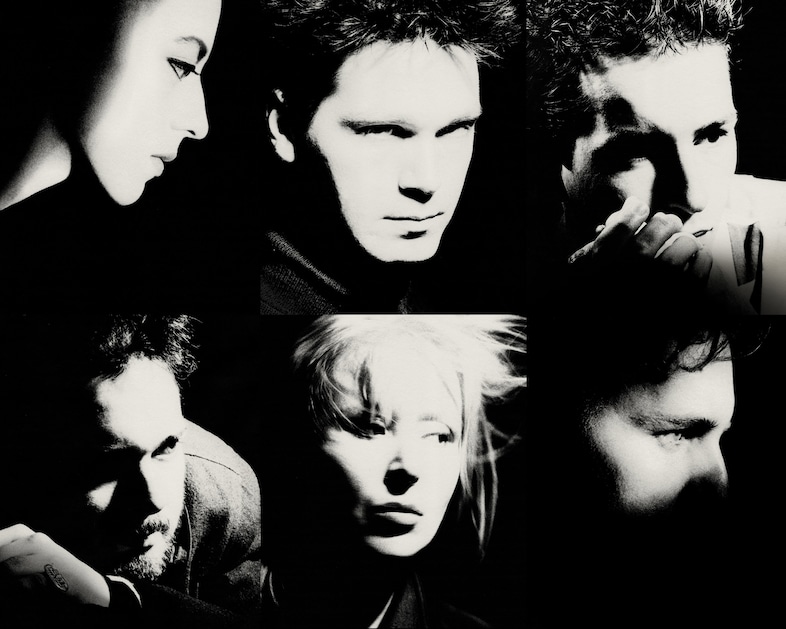
Upon arrival, their challenges compounded. Despite securing a spot at the prestigious showcase, their allocated exhibition space was a small, easily overlooked booth tucked away upstairs, far from the main foot traffic and the attention of influential buyers and international press. Undeterred by this initial setback, the designers resorted to a guerrilla marketing tactic that would become legendary: they photocopied flyers featuring their work and distributed them downstairs, directly engaging attendees and beckoning them to discover their hidden collections. This bold, unconventional approach paid off spectacularly. The raw energy and distinct vision presented in their impromptu display captivated key industry figures, most notably buyers from influential American luxury retailer Barneys, who were among the first to recognize the groundbreaking potential of the Antwerp contingent. It was the international fashion press, impressed by their unified yet diverse presentation, who coined the enduring moniker “The Antwerp Six,” solidifying their status as a formidable new force in global fashion.
Despite the collective identity bestowed upon them by the media, the designers themselves never truly operated as a cohesive unit or a singular fashion house. “They are often described as a group, but they don’t perceive themselves that way,” explains Romy Cockx. Their collaboration was, in essence, a strategic alliance born out of necessity—a temporary pooling of resources to gain international exposure. Each designer possessed a fiercely individual brand and vision, distinguishing them from traditional design collectives. Dries Van Noten became known for his masterful use of color, intricate prints, and rich fabrics, blending Eastern and Western influences with a romantic sensibility. Ann Demeulemeester carved out a niche with her poetic, often melancholic designs, characterized by deconstruction, asymmetry, and a monochromatic palette. Walter Van Beirendonck championed avant-garde, often provocative, and gender-fluid designs, infused with pop culture references and a playful spirit. Dirk Van Saene explored themes of art and performance, presenting highly conceptual and often hand-crafted pieces. Dirk Bikkembergs pioneered a fusion of fashion and sportswear, often incorporating military and utilitarian elements with a strong emphasis on masculinity. Marina Yee, the most elusive of the group, focused on sustainable practices and an intimate, artisanal approach to design.
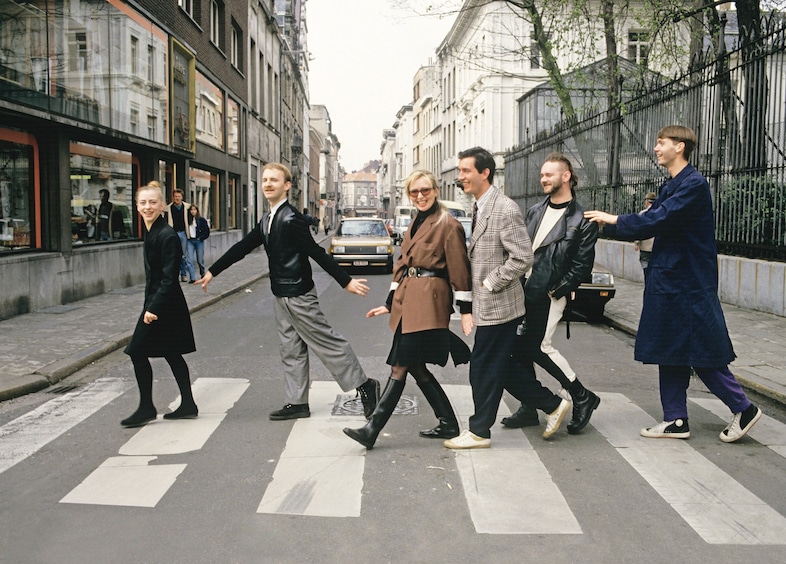
This exhibition, therefore, faces the complex challenge, as guest curator Geert Bruloot notes, of "how to capture a myth, while doing justice to six radically different designers." It seeks to illustrate their shared academic roots and the pivotal London breakthrough while simultaneously honoring the unique aesthetic journeys each designer embarked upon immediately thereafter. Within three years of their London debut, the "Antwerp Six" had become a household name, yet their individual careers rapidly diverged, leaving the collective designation as a powerful symbol rather than an active operating entity.
The impact of the Antwerp Six extended far beyond their individual careers; they profoundly reshaped the landscape of fashion education. As MoMu curator Kaat Debo highlights, “Before their rise, fashion schools were rarely seen as launching pads for global careers.” Historically, prominent fashion institutions like Central Saint Martins in London or Parsons School of Design in New York held sway, but the success of the Antwerp Six placed the Royal Academy of Fine Arts Antwerp firmly on the international map. This unprecedented visibility led to a surge in applications from aspiring designers worldwide, eager to learn in an environment that had nurtured such groundbreaking talent. The Academy’s fashion department subsequently underwent unparalleled internationalization and professionalization, becoming a beacon for avant-garde design and fostering a new generation of influential Belgian designers, including the likes of Martin Margiela, Raf Simons, and Kris Van Assche, who, while not part of the original Six, are undeniable products of the system they influenced. This transformation solidified Antwerp’s reputation as a global fashion city, a legacy directly traceable to their success.
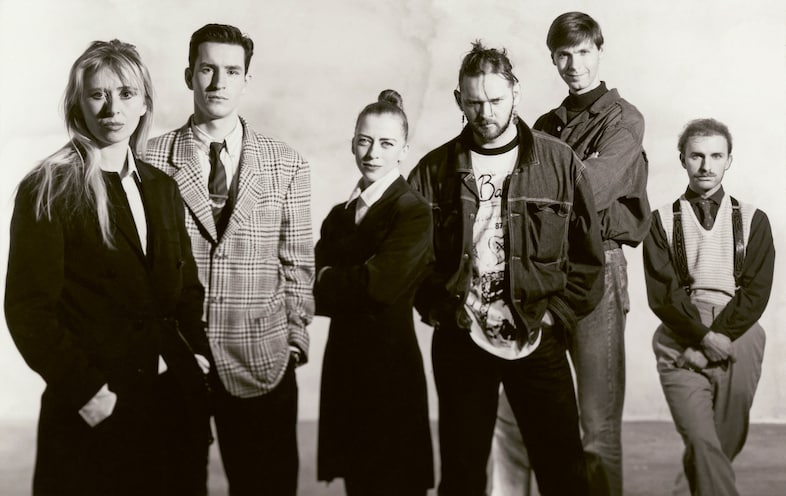
Crucially, the phenomenon of the Antwerp Six, as Geert Bruloot emphasizes, “was never meant to exist. There was no strategy, no manifesto, just a spontaneous coming together of six distinct personalities at a particular moment in time.” This organic, almost accidental, genesis is precisely why its "formula can never be replicated." In today’s highly commercialized and digitally driven fashion industry, the conditions that allowed for such a pure, unscripted breakthrough are largely absent. The power of the Antwerp Six lies in its unreplicable blend of spontaneity, coincidence, and impeccable timing, occurring at a moment when the fashion world was ripe for disruption and open to new, unconventional voices. Attempts to decode their success in search of a repeatable formula miss the essence of their impact, which was fundamentally rooted in their authenticity and independent spirit.
Furthermore, the exhibition aims to contextualize the Antwerp Six within a broader narrative of Belgian fashion history, challenging the potential oversimplification that the "myth" might engender. Bruloot points out that the Antwerp fashion world of the 1980s was a tightly knit community. Designers, stylists, photographers, and students were deeply interconnected, frequently collaborating across disciplines to create comprehensive concepts for collections, including innovative invitations, lookbooks, and presentations. This vibrant ecosystem of mutual support and creative synergy was crucial to their development and subsequent success. The exhibition explores this "complex network of designers and collaborators," showcasing that the Six were not isolated figures but rather prominent voices within a thriving, albeit niche, creative scene.
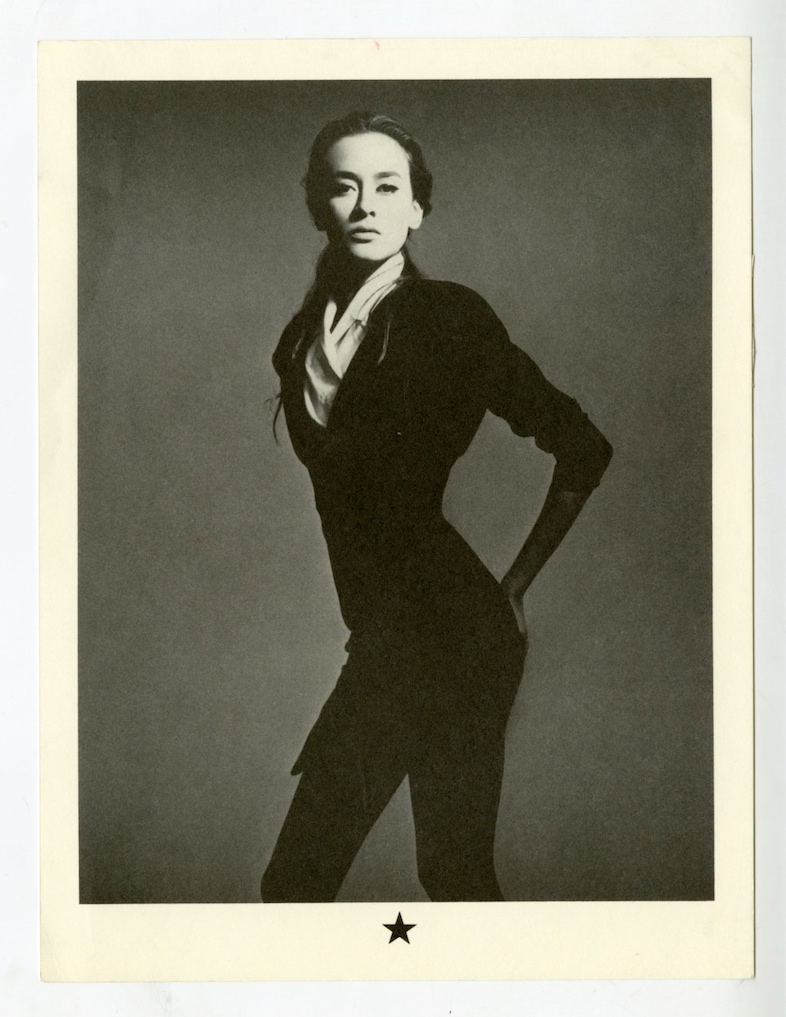
The enduring legacy of the Antwerp Six continues to shape contemporary fashion. Their pioneering spirit, their commitment to individual vision, and their ability to challenge established norms have inspired countless designers globally. The exhibition at MoMu serves not only as a nostalgic look back but also as a powerful reminder of the profound influence a small group of determined individuals can have on a global industry. It celebrates their unique contribution to fashion history, highlighting how their "less glamorous" breakthrough ultimately paved the way for Belgium to become a recognized center of fashion innovation and intellectual design. The MoMu exhibition, co-curated by Geert Bruloot, Kaat Debo, and Romy Cockx, promises an immersive journey into the origins of a fashion phenomenon, offering unparalleled insights into the minds and works of these six iconic figures, and reinforcing their indelible mark on the past, present, and future of design.