





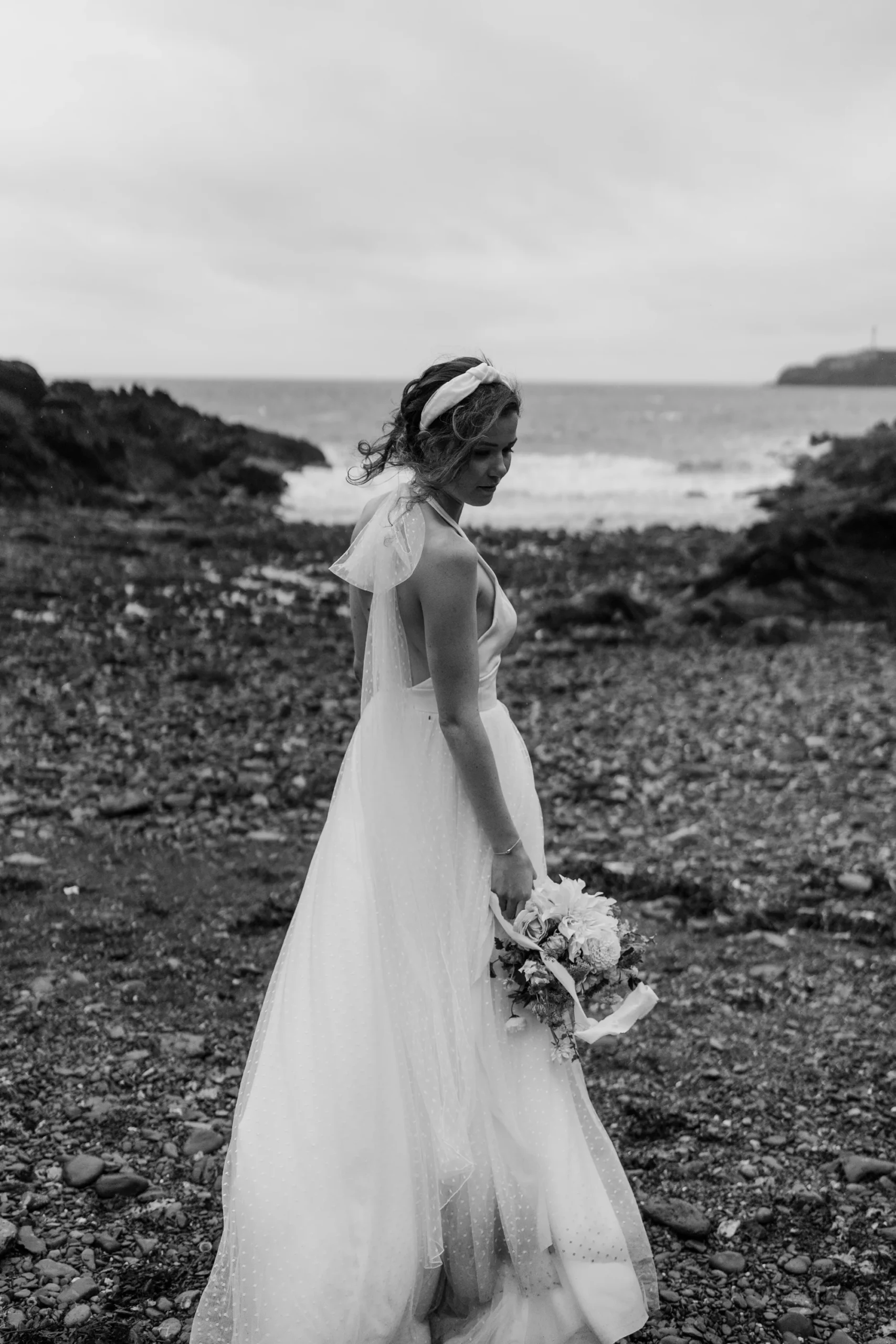
The global wedding industry, valued at approximately $70 billion, has long been criticized for its "one-day-only" consumption model, which frequently results in significant textile waste and environmental degradation. However, a burgeoning movement toward circularity is beginning to reshape the sector, led by boutique innovators like Lulu The Label. Founded in London in 2019 by designer Lucy, the company has transitioned from a small-scale creative project into a recognized leader in sustainable bridal accessories. By specializing in the conversion of wedding dress off-cuts into high-end keepsakes—ranging from silk scrunchies to bespoke pet accessories—the label addresses a critical gap in the textile lifecycle: the management of high-quality remnants that are typically discarded during the garment alteration process.
The Evolution of Zero-Waste Bridal Accessories
Lulu The Label was established against the backdrop of an increasing consumer demand for ethical fashion. The company’s origins trace back to Lucy’s final year of her Fashion Design degree, where she was confronted with the volume of high-quality remnant fabrics produced during the construction of her final collection. Recognizing the inherent value of these materials, she initiated "scrap-busting" projects to minimize waste. The initial prototypes, primarily hair scrunchies, were shared via social media platforms, where they garnered immediate traction among eco-conscious consumers.
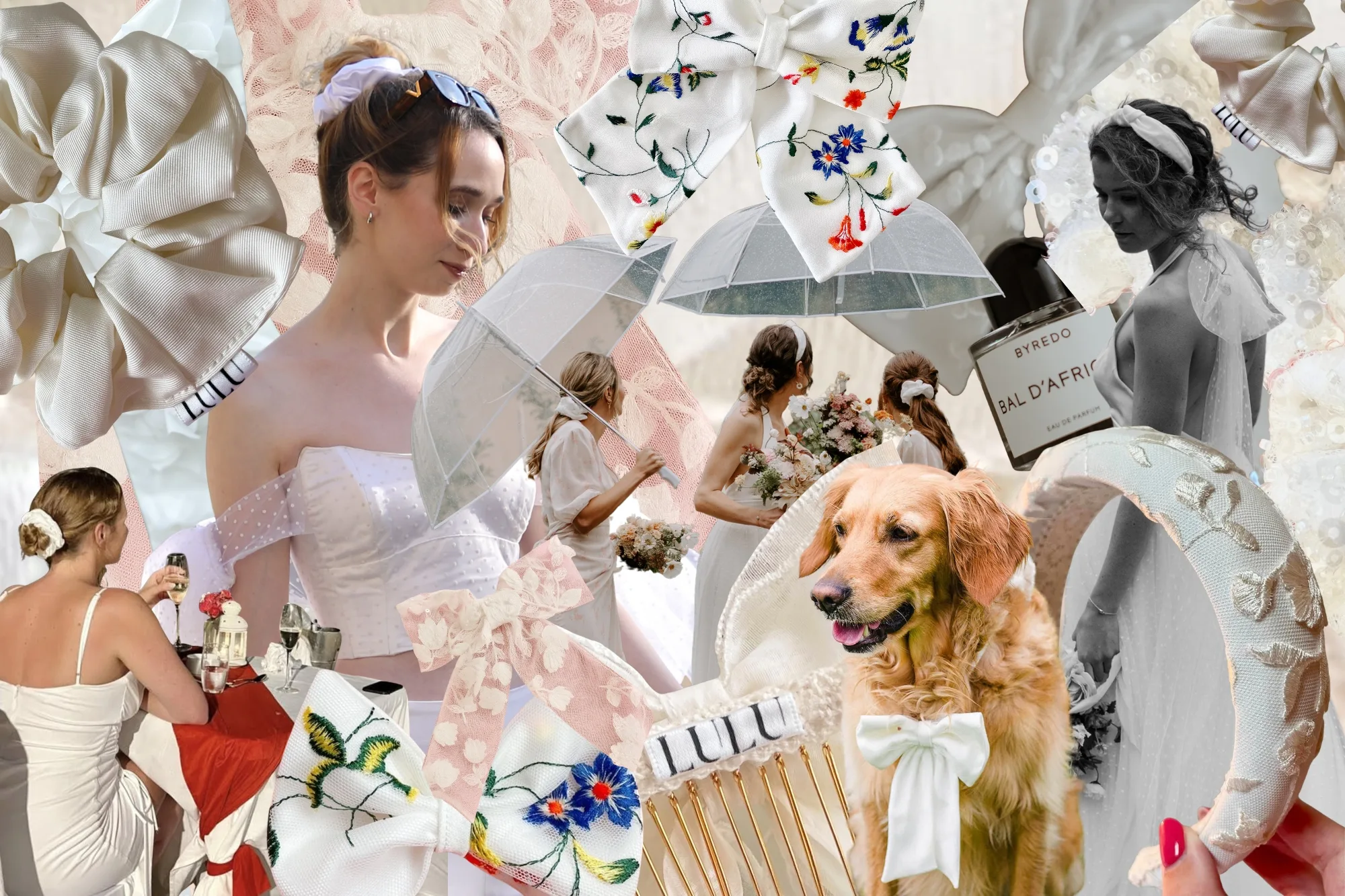
The transition from a student project to a formalized business was fueled by Lucy’s professional background in British luxury couture. Having worked for several prominent UK designers, she observed firsthand the discrepancies between traditional high-fashion production and environmental sustainability. This experience solidified her commitment to a zero-waste philosophy. By 2019, Lulu The Label was officially launched with a mandate to provide elegant, sustainable alternatives to mass-produced bridal accessories. The brand’s efforts were later recognized by Sir David Attenborough, providing a significant endorsement of its contribution to environmental conservation through creative textile reuse.
A Chronology of Sustainable Innovation
The growth of Lulu The Label follows a clear trajectory of increasing sophistication in its service offerings and sustainability metrics.
- 2019: Inception and Initial Market Entry. The brand launched with a focus on utilizing silk remnants from couture production to create everyday accessories. The primary sales channel was direct-to-consumer through digital platforms.
- 2020–2021: Expansion and Stockist Acquisition. Despite the global slowdown in the wedding industry due to the pandemic, the brand focused on building partnerships with sustainable boutiques and established a presence in several niche bridal magazines. This period saw the refinement of the "zero-waste pattern cutting" technique.
- 2022: Diversification into Pet Accessories. Recognizing the trend of "pet humanization" within the wedding industry, the label introduced dog bows and bandanas. These products were designed to be functional, featuring collar-slot designs that integrated pets into wedding ceremonies without compromising their comfort.
- 2023–2024: Formalization of the Bespoke Off-Cut Service. In response to direct inquiries from brides, the company launched a formal service allowing clients to send their own dress remnants to the London studio. This marked a shift from selling pre-made goods to providing a circular service model.
Addressing the Environmental Footprint of the Global Wedding Industry
To understand the impact of businesses like Lulu The Label, one must consider the broader context of textile waste. Estimates suggest that during the production and alteration of a single wedding gown, up to 15% to 20% of the fabric can be lost as off-cuts. Given that millions of weddings occur annually, the cumulative volume of discarded silk, lace, and tulle is substantial. These materials are often non-biodegradable or require specific conditions to break down, contributing to the 92 million tons of textile waste produced globally each year.
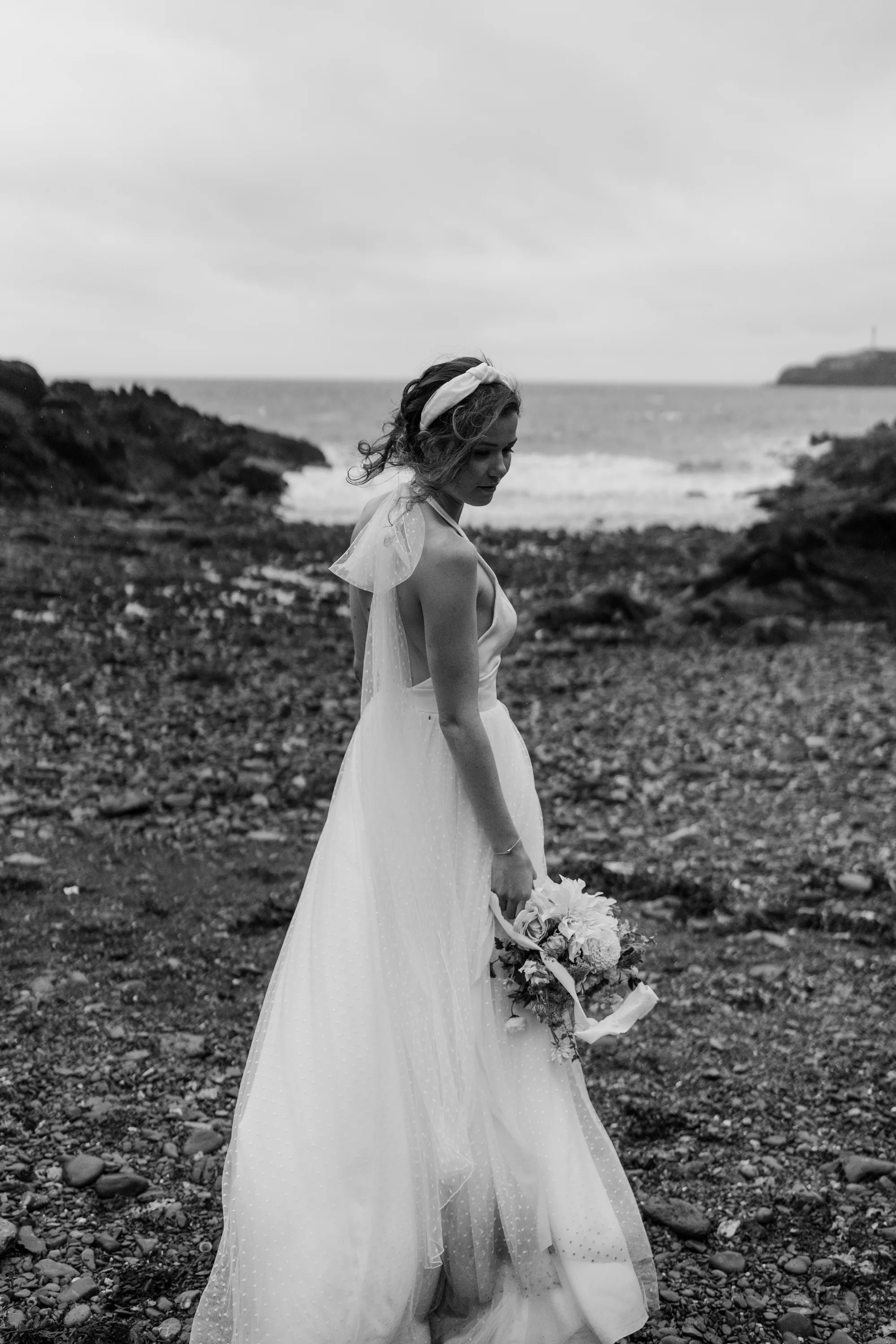
Lulu The Label’s model utilizes a zero-waste pattern cutting approach, ensuring that every square inch of received fabric is allocated to a specific product. Furthermore, the company’s commitment to sustainability extends to its logistics and packaging. All orders are fulfilled using plastic-free, recyclable materials, addressing the "hidden" waste often associated with e-commerce. By transforming off-cuts into items like pocket squares, hair pins, and drawstring bags, the brand effectively extends the utility of the original garment, moving away from the "disposable" mindset of the wedding industry.
The Logistics of Circularity: The Bespoke Off-Cut Service
The core of the current business model is a highly personalized consultation process. Brides are encouraged to retain all remnants from their dress alterations—a practice that was previously uncommon in bridal salons. The process is structured to ensure quality control and client satisfaction:
- Initial Consultation: Clients provide details regarding the fabric type, volume of off-cuts, and the specific items they wish to have created. This often involves 1-1 video consultations to discuss bespoke designs.
- Material Assessment: Because bridal fabrics vary in weight and texture (from heavy satins to delicate organzas), the label provides expert advice on which accessories are most suitable for the specific material. For instance, heavier silks may be better suited for structured bows, while lighter tulles are used for delicate hair ties.
- Production and Innovation: In cases where fabric volume is insufficient for a requested item, the studio employs "two-tone" techniques, merging the client’s fabric with existing studio remnants to create a cohesive, hybrid design.
- Logistical Security: Given the sentimental and financial value of wedding dress fabric, the company mandates tracked shipping methods, such as Royal Mail Tracked or Next Day Delivery, to mitigate the risk of loss during transit.
The Expanding Market for Pet-Inclusive Wedding Celebrations
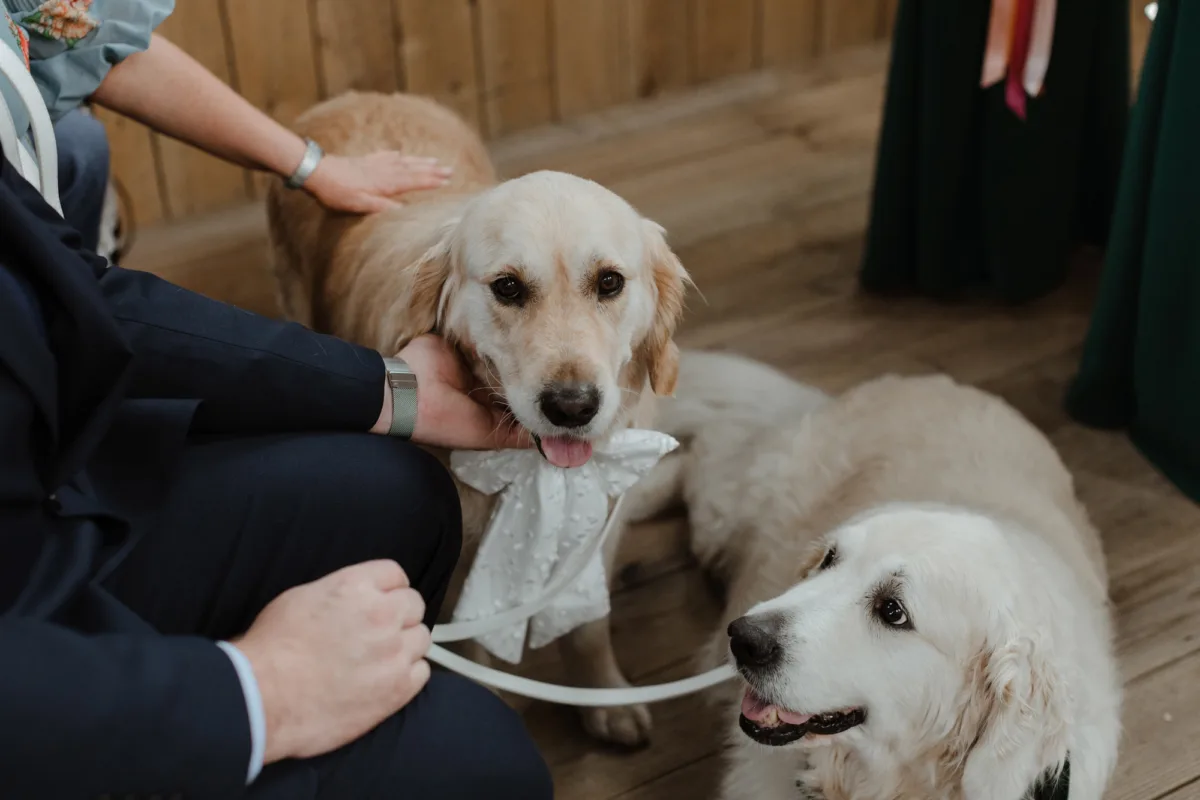
A notable development in Lulu The Label’s portfolio is the expansion into pet accessories. Market data indicates that a growing percentage of couples—approximately 10% to 15% in the UK and North America—now include their pets in their wedding ceremonies. This has created a demand for high-quality, aesthetically pleasing pet attire that matches the bridal party’s theme.

The dog bow and bandana collection is designed with a focus on durability and ease of use. Unlike traditional pet costumes, which can be restrictive, these accessories are designed to slide onto existing collars. This functionality ensures that the animal remains comfortable throughout the event. The use of wedding dress off-cuts for these items allows for a seamless visual connection between the couple and their "four-legged" family members, a detail that has proven highly popular for wedding photography and social media documentation.
Analysis of Consumer Sentiment and Market Impact
The success of this circular model is driven by more than just environmental concerns; it is rooted in the emotional value of the "keepsake." In interviews and testimonials, clients frequently cite the desire to "wear a piece of their wedding dress every day" as a primary motivator. This sentiment transforms a utilitarian accessory into a vessel for memory, which inherently discourages the "throwaway" culture associated with fast fashion.
Industry analysts suggest that this "sentimental sustainability" is a powerful tool for small businesses. By offering a service that cannot be replicated by mass-market retailers, Lulu The Label occupies a protected niche in the luxury market. The ability to create bespoke pieces for grooms, fathers, and bridesmaids—such as matching pocket squares and bow ties—allows the brand to capture a larger share of the wedding party’s expenditure while reinforcing the theme of family unity.
Broader Implications for the Fashion Industry
The recognition of Lulu The Label by figures such as David Attenborough signals a broader shift in how the fashion industry perceives waste. It suggests that the future of luxury may not lie in the acquisition of new materials, but in the creative "upcycling" of existing ones. As environmental regulations tighten and consumers become more discerning about the origins of their clothing, the "service-based" model of fashion—where designers act as consultants for the reuse of materials—is likely to expand.
The implications for the bridal sector are particularly significant. Designers and seamstresses are increasingly being asked to consider the "afterlife" of the garments they create. Lulu The Label provides a blueprint for how this can be achieved without sacrificing the elegance and prestige associated with the bridal experience. By proving that sustainability and luxury are not mutually exclusive, the brand is helping to set a new standard for the next generation of designers.
Conclusion
Lulu The Label represents a successful synthesis of traditional couture craftsmanship and modern environmental ethics. From its origins as a scrap-busting university project to its current status as a recognized leader in sustainable bridal accessories, the company has consistently demonstrated the viability of the circular economy. By providing a practical solution for textile waste and offering couples a way to preserve the legacy of their wedding day, the brand is contributing to a more sustainable and meaningful future for the global wedding industry. As the trend toward ethical consumption continues to grow, the model established by Lucy in her London studio offers a compelling vision for the future of fashion.