












Superdry, the internationally recognised casual wear brand, is poised for a significant physical retail expansion, with plans to launch 21 new stores across the United Kingdom and continental Europe throughout 2026. This ambitious initiative was confirmed by CEO Julian Dunkerton in a statement to Drapers, marking a pivotal moment in the company’s ongoing strategy to revitalise its brand presence and market share. The move underscores a renewed confidence in the brick-and-mortar retail experience, positioning physical outlets as a crucial pillar in Superdry’s overarching omnichannel approach amidst a dynamic and often challenging global retail landscape. This expansion is not merely about increasing footprint; it represents a strategic investment in direct consumer engagement, brand visibility, and the creation of immersive shopping environments designed to reconnect with core customers and attract new demographics.
A Brand’s Journey: From Global Ascent to Strategic Reassessment
Superdry’s journey has been one of remarkable highs and notable challenges. Founded in 2003 by Julian Dunkerton and James Holder, the brand quickly carved out a distinctive niche with its unique fusion of vintage Americana styling, Japanese-inspired graphics, and British tailoring. Its rapid ascent saw it become a global phenomenon, with its iconic logo and distinctive product lines resonating with a broad consumer base across continents. Superdry established a strong presence on high streets and in shopping centres worldwide, becoming synonymous with quality casual wear and an aspirational lifestyle.
However, like many established fashion retailers, Superdry encountered significant headwinds in the latter half of the 2010s and early 2020s. Shifting consumer preferences towards faster fashion cycles, the relentless rise of e-commerce, intense competition from both luxury and budget brands, and macroeconomic pressures began to erode its market position. The brand faced criticism for an overreliance on discounting, a perceived lack of innovation in its product lines, and an inventory strategy that often left it with excess stock. These factors contributed to a period of financial instability, marked by profit warnings, declining share prices, and a series of strategic reviews.
Julian Dunkerton, who stepped down as CEO in 2019 but returned to the helm in 2020, has since been spearheading a comprehensive turnaround strategy. This strategy has focused on several key areas: rationalising product ranges, enhancing digital capabilities, improving supply chain efficiencies, and, critically, stabilising the company’s financial foundations. The period preceding this expansion announcement has seen Superdry undertake various measures, including cost-cutting initiatives, selective store closures in underperforming locations, and efforts to strengthen its balance sheet. This new commitment to physical expansion in 2026, therefore, is not a naive leap but a calculated step emerging from a period of rigorous internal restructuring and strategic recalibration, signifying a belief that the brand is now in a stronger position to pursue growth.
The Strategic Rationale: Reaffirming the Power of Physical Retail
The decision to open 21 new stores is a clear declaration of Superdry’s commitment to a robust omnichannel retail model, where physical and digital channels work in synergistic harmony. In an era often characterised by predictions of the "retail apocalypse," Superdry’s strategy acknowledges the enduring value and unique advantages that brick-and-mortar stores offer.
Enhancing Brand Visibility and Identity
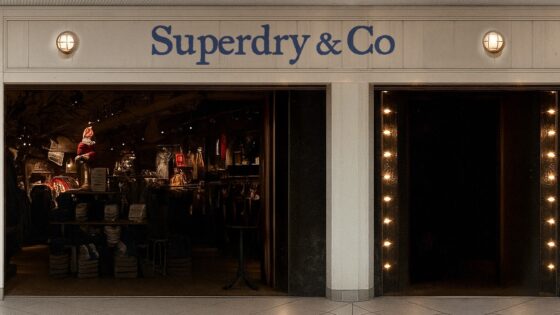
Physical stores serve as powerful billboards for a brand. They offer a tangible representation of Superdry’s identity, allowing customers to immerse themselves in the brand’s aesthetic, feel the quality of its products, and experience its unique atmosphere. This direct sensory engagement is crucial for a brand like Superdry, which prides itself on distinctive design and material quality. New, strategically located stores can reignite brand excitement, attract passers-by, and reinforce Superdry’s presence in key retail hubs.
Cultivating Experiential Shopping
Modern retail trends indicate a clear shift towards experiential shopping, where stores offer more than just transactional opportunities. New Superdry stores are expected to be designed to provide engaging and memorable experiences, potentially incorporating digital elements, personalised styling services, or spaces for community events. This approach aims to transform shopping into a leisure activity, encouraging longer dwell times and fostering deeper connections with the brand.
Complementing E-commerce and Driving Omnichannel Growth
Rather than competing with online sales, new physical stores are integral to a comprehensive omnichannel strategy. They facilitate services such as click-and-collect, enabling customers to order online and pick up in-store, enhancing convenience and reducing delivery costs. Stores also serve as convenient hubs for returns and exchanges, simplifying the customer journey. Furthermore, the presence of a physical store often boosts online sales in the immediate vicinity, as it builds trust and allows customers to preview products before purchasing digitally.
Direct-to-Consumer Control and Margin Improvement
Expanding the company’s own retail network allows Superdry to maintain greater control over its brand presentation, pricing, and customer service standards. This direct-to-consumer (DTC) approach can also lead to improved profit margins compared to wholesale channels, providing a healthier financial foundation for future investments and innovations.
Geographic Focus: Targeting Growth in Key Markets
The expansion across the UK and Europe highlights Superdry’s focus on its core markets, where the brand already possesses significant recognition and customer loyalty. The selection of specific locations will undoubtedly be a meticulous process, based on detailed market analysis, demographic trends, and strategic retail opportunities.
The United Kingdom: Reasserting Domestic Strength
The UK remains Superdry’s home market and a critical battleground for its revival. While the British high street has faced considerable challenges, opportunities exist in revitalised urban centres, bustling retail parks, and affluent market towns. Superdry’s new UK stores are likely to target locations with high footfall and a demographic aligned with its core customer base, aiming to re-establish a strong domestic presence and serve as a showcase for new collections and brand concepts. This re-investment in the UK retail landscape also signals confidence in the domestic economy and consumer spending power, despite ongoing inflationary pressures.
European Expansion: Tapping into Diverse Markets
Europe represents a vast and diverse retail landscape with significant growth potential for Superdry. The brand has historically enjoyed strong popularity in various European countries, including Germany, France, Spain, and the Benelux region. The new European stores are likely to focus on strategic cities and prime retail destinations within these and potentially other high-growth markets. Factors influencing location choices will include tourist traffic, local fashion trends, economic stability, and the competitive landscape. Expanding in Europe allows Superdry to diversify its revenue streams, mitigate risks associated with over-reliance on a single market, and tap into new consumer bases seeking premium casual wear with a distinctive edge. The unified market of the European Union also offers efficiencies in logistics and brand management, making targeted expansion a logical step.
Anticipated Store Concepts and Operational Implications
The new Superdry stores are expected to reflect a modern retail approach, integrating design elements that resonate with contemporary consumer expectations while maintaining the brand’s core identity.
Evolving Store Design and Customer Experience
It is anticipated that the new stores will feature updated interior designs, potentially emphasising sustainability through material choices and energy efficiency. Digital integration could play a significant role, with features like interactive displays, augmented reality elements, or seamless checkout experiences. The focus will likely be on creating an inviting, visually appealing, and intuitive shopping environment that highlights Superdry’s product range effectively and encourages exploration. Merchandising strategies will be crucial to present cohesive collections and tell compelling brand stories.
Investment and Job Creation
Opening 21 new stores represents a substantial capital investment for Superdry, encompassing lease agreements, fit-out costs, inventory stocking, and marketing. This expansion will also lead to significant job creation, not only in direct retail roles such as store managers and sales associates but also in supporting functions like logistics, visual merchandising, and regional management. This commitment to employment can be seen as a positive economic contribution in the communities where the new stores are established.
Supply Chain and Logistics
The expansion will necessitate robust supply chain planning and logistics management to ensure efficient inventory distribution to new locations across multiple geographies. Superdry will need to leverage its existing infrastructure while potentially optimising routes and warehousing capabilities to support the increased store count without compromising efficiency or sustainability goals.
Inferred Statements and Industry Reactions
While specific new statements beyond Julian Dunkerton’s confirmation to Drapers are not yet public, the announcement allows for logical inferences regarding internal sentiment and external industry perspectives.

Julian Dunkerton’s Vision
CEO Julian Dunkerton is likely to articulate this expansion as a critical component of his long-term vision for Superdry’s resurgence. He would emphasise the brand’s unique appeal, the strategic importance of physical touchpoints for building brand equity, and the company’s renewed focus on product innovation and customer-centricity. His message would likely convey confidence in the brand’s turnaround strategy, highlighting how these new stores are an investment in future growth and a testament to Superdry’s enduring relevance in the global fashion market. He might underscore the integration of these new physical spaces into a broader omnichannel ecosystem, ensuring a seamless experience for customers regardless of how they choose to shop.
Industry Analyst Perspectives
Industry analysts and retail experts would likely view this expansion with cautious optimism. While acknowledging the challenging retail environment, they might commend Superdry’s proactive stance and its commitment to physical retail as a vital component of brand building. Analysts would likely focus on several key aspects:
- Execution Risk: The success of the expansion will hinge on meticulous site selection, effective store design, and efficient operational management.
- Product Relevance: The ability of Superdry to consistently deliver desirable and innovative products that resonate with target consumers will be paramount.
- Financial Discipline: Analysts would closely monitor the financial performance of these new stores and their contribution to overall profitability, especially given Superdry’s recent financial restructuring efforts.
- Competitive Dynamics: How this expansion positions Superdry against established competitors and emerging brands in both the UK and European markets.
Potential Consumer Sentiment
For loyal Superdry customers, the news of new stores could be met with enthusiasm, offering more accessible locations to shop the brand’s collections. It could signal a renewed sense of vitality for a brand they appreciate. For broader consumers, new, modern Superdry stores could reignite interest and present an opportunity to rediscover the brand, especially if the new concepts offer a fresh and engaging shopping experience.
Broader Industry Context: The Evolving Role of Physical Retail
Superdry’s expansion comes at a fascinating juncture for the retail industry. The narrative of the "retail apocalypse" has largely been superseded by a more nuanced understanding of retail evolution. Physical stores are not disappearing; rather, their role is transforming.
The Rise of Experiential and Purpose-Driven Retail
Today’s most successful physical stores are those that offer more than just a place to buy goods. They are destinations for experiences, community engagement, and brand storytelling. Superdry’s investment in new stores aligns with this trend, suggesting a move towards creating more dynamic and appealing retail environments.
The Omnichannel Imperative
The pandemic accelerated the adoption of e-commerce, but it also underscored the limitations of a purely digital approach for many brands. Consumers increasingly expect a seamless experience across all touchpoints – online, mobile, and in-store. Superdry’s expansion solidifies its commitment to an omnichannel model, recognising that physical presence enhances digital reach and vice versa.
Sustainability and Ethical Considerations
Modern consumers are increasingly discerning about the environmental and social impact of their purchases. New store designs and operational strategies may incorporate sustainability features, aligning with broader corporate responsibility goals and appealing to an eco-conscious customer base. This can range from energy-efficient lighting and sustainable building materials to ethical sourcing and transparent supply chains, all of which contribute to a positive brand image.
Conclusion: A Bold Step Towards Renewed Growth
Superdry’s plan to open 21 new stores across the UK and Europe in 2026 represents a bold and strategic declaration of intent. Following a period of introspection and restructuring, this expansion signals a renewed confidence in the brand’s ability to thrive in a competitive retail landscape. It underscores a fundamental belief in the enduring power of physical retail as a cornerstone of brand building, customer engagement, and omnichannel synergy. While significant challenges persist in the global retail sector, Superdry’s proactive investment in its physical footprint, coupled with its ongoing efforts to refine product offerings and operational efficiencies, positions the brand for a potential resurgence. The success of this expansion will undoubtedly be closely watched by industry observers, serving as a key indicator of Superdry’s long-term trajectory and its capacity to adapt and flourish in the ever-evolving world of fashion retail.