









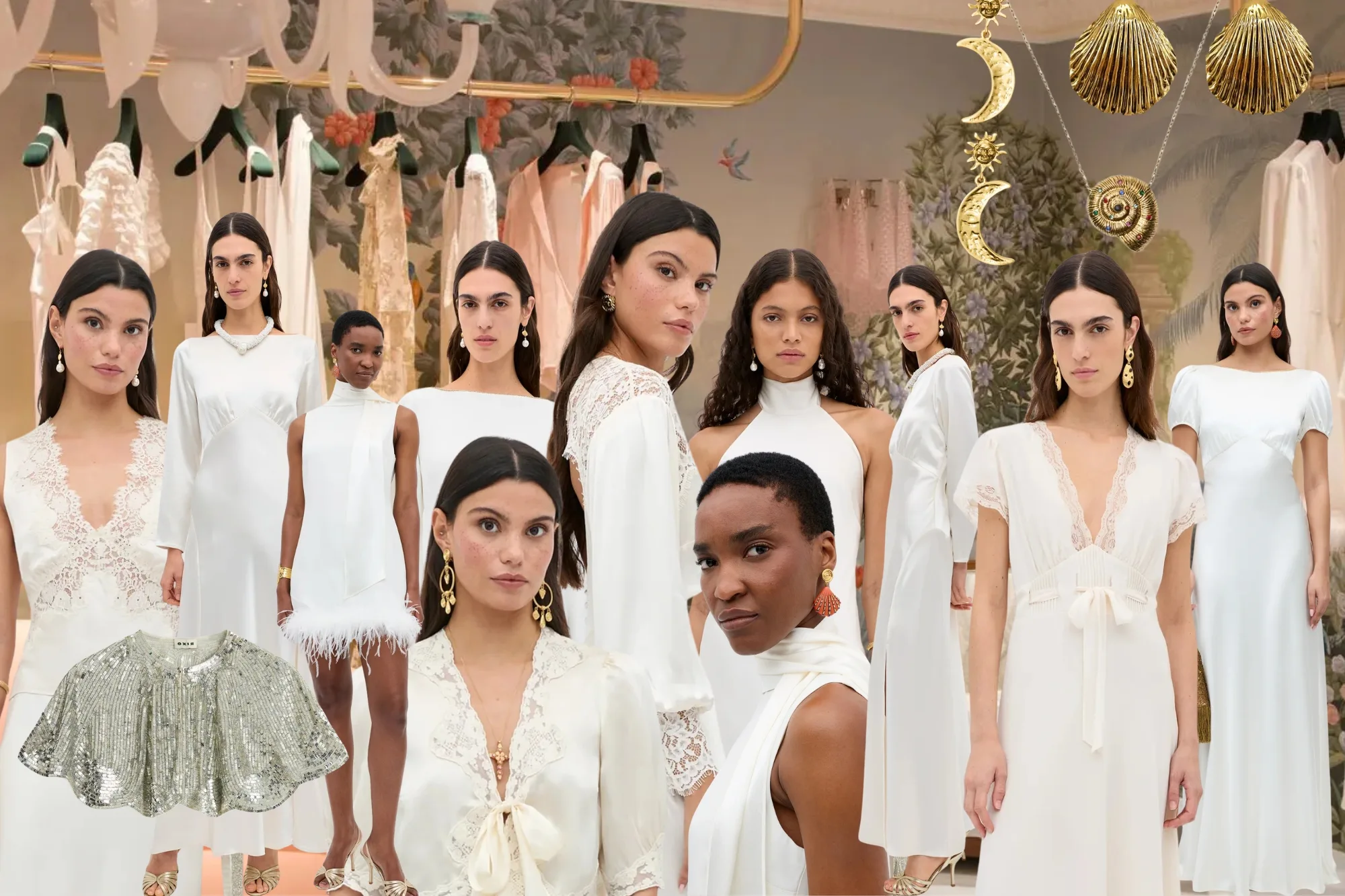
RIXO, the British fashion label founded by Henrietta Rix and Orlagh McCloskey, has emerged as a disruptive force in the global bridal wear sector by bridging the gap between high-street accessibility and luxury vintage aesthetics. Since its inception in 2015, the brand has cultivated a distinct market niche, offering silk gowns and tailored bridal separates at price points significantly lower than traditional couture. As the brand celebrates its tenth anniversary in 2025, its trajectory from a university living room to a multi-channel international retailer provides a case study in independent brand scaling and the evolving consumer demand for timeless, re-wearable wedding attire.
The Evolution of RIXO: A Chronology of Independent Growth
The foundation of RIXO was laid at the London College of Fashion, where Henrietta Rix and Orlagh McCloskey were studying fashion management. Driven by a shared interest in vintage sourcing and textile design, the duo launched the brand six months after graduation without the backing of external investors or a formal corporate framework. In the initial phase, the founders operated out of their shared apartment, managing every aspect of the business from fabric procurement to pattern development and order fulfillment.
A critical turning point occurred in 2016 when the brand secured a pop-up space at Selfridges, followed by a wholesale partnership with the luxury e-commerce platform Net-a-Porter. These milestones transitioned RIXO from a boutique operation into a globally recognized label. By 2023, the brand had solidified its physical retail presence with the opening of its flagship "House of RIXO" on King’s Road in Chelsea, London. This 5,000-square-foot space serves as a multi-functional hub, integrating the main collections with rental services, pre-loved garments, and a dedicated bridal suite.
Strategic Positioning in the Bridal Market
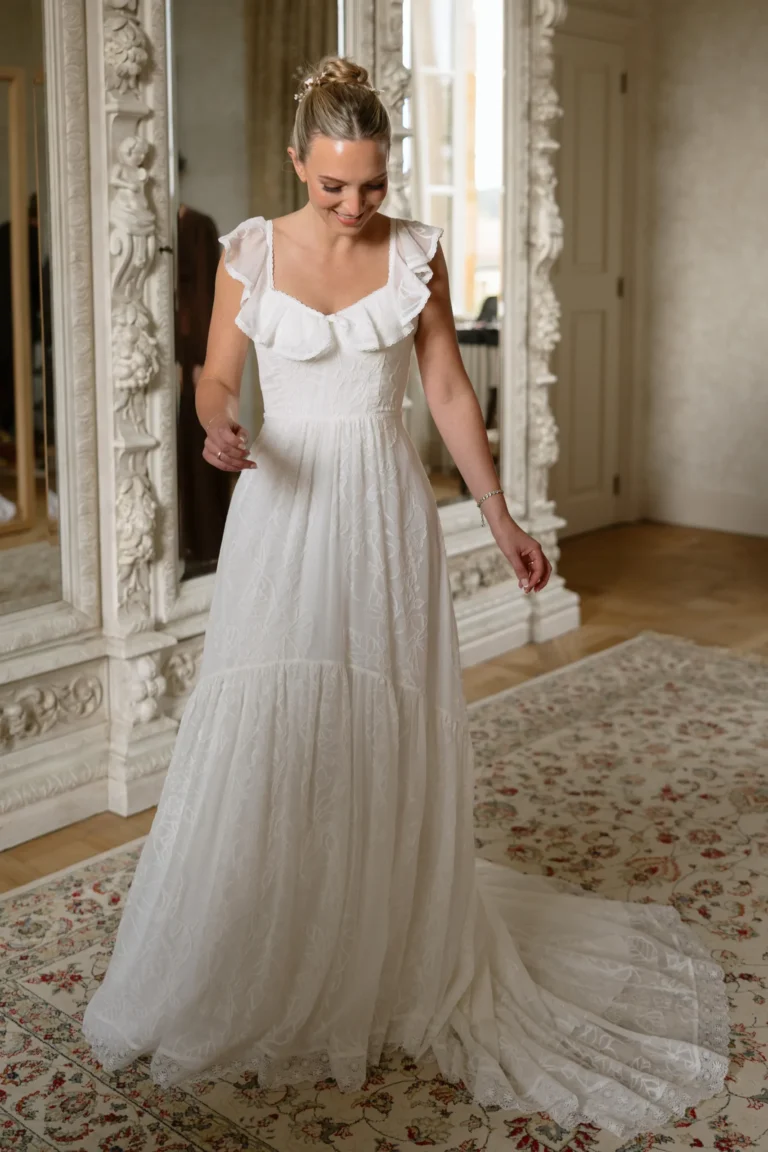
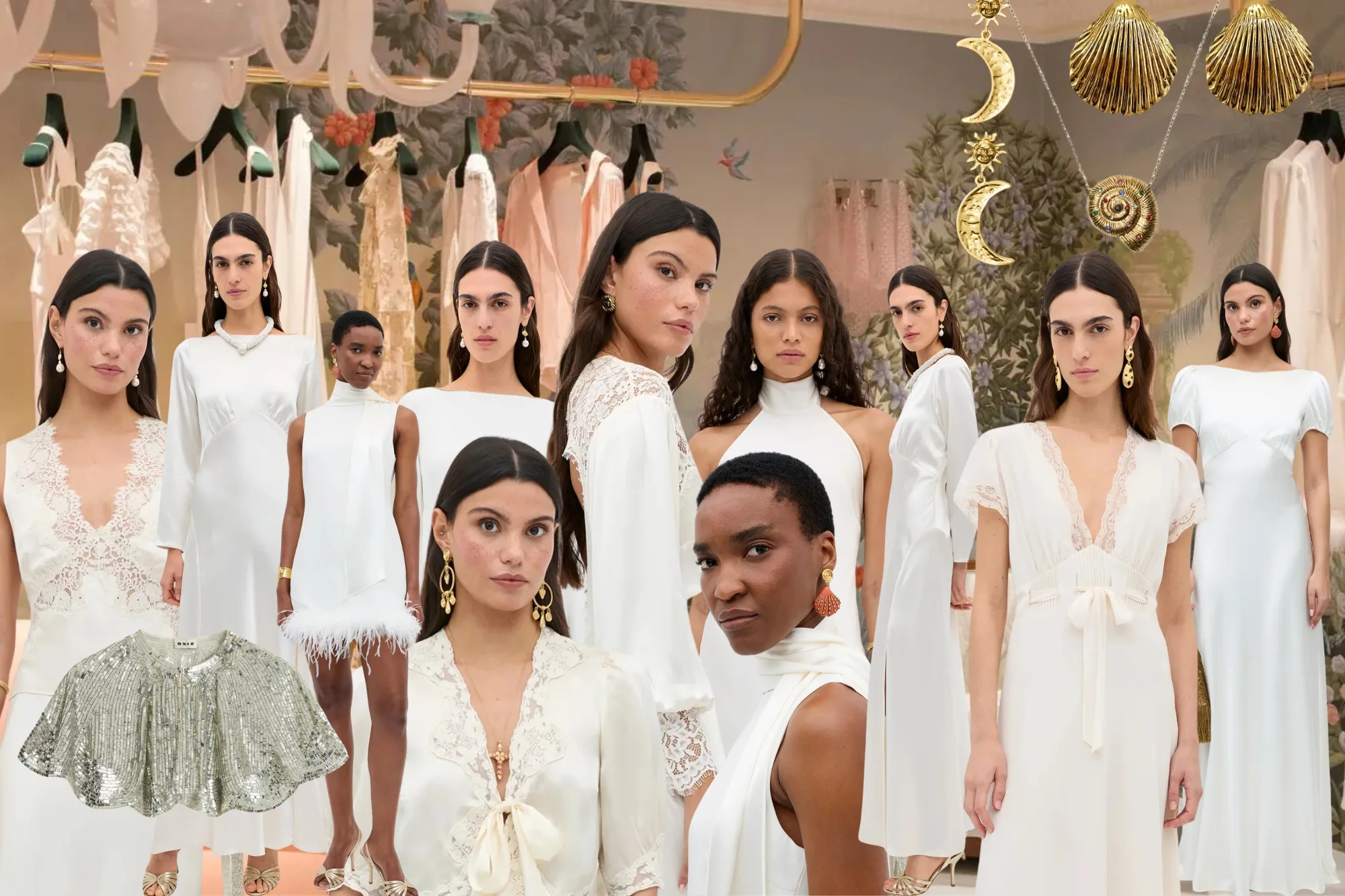
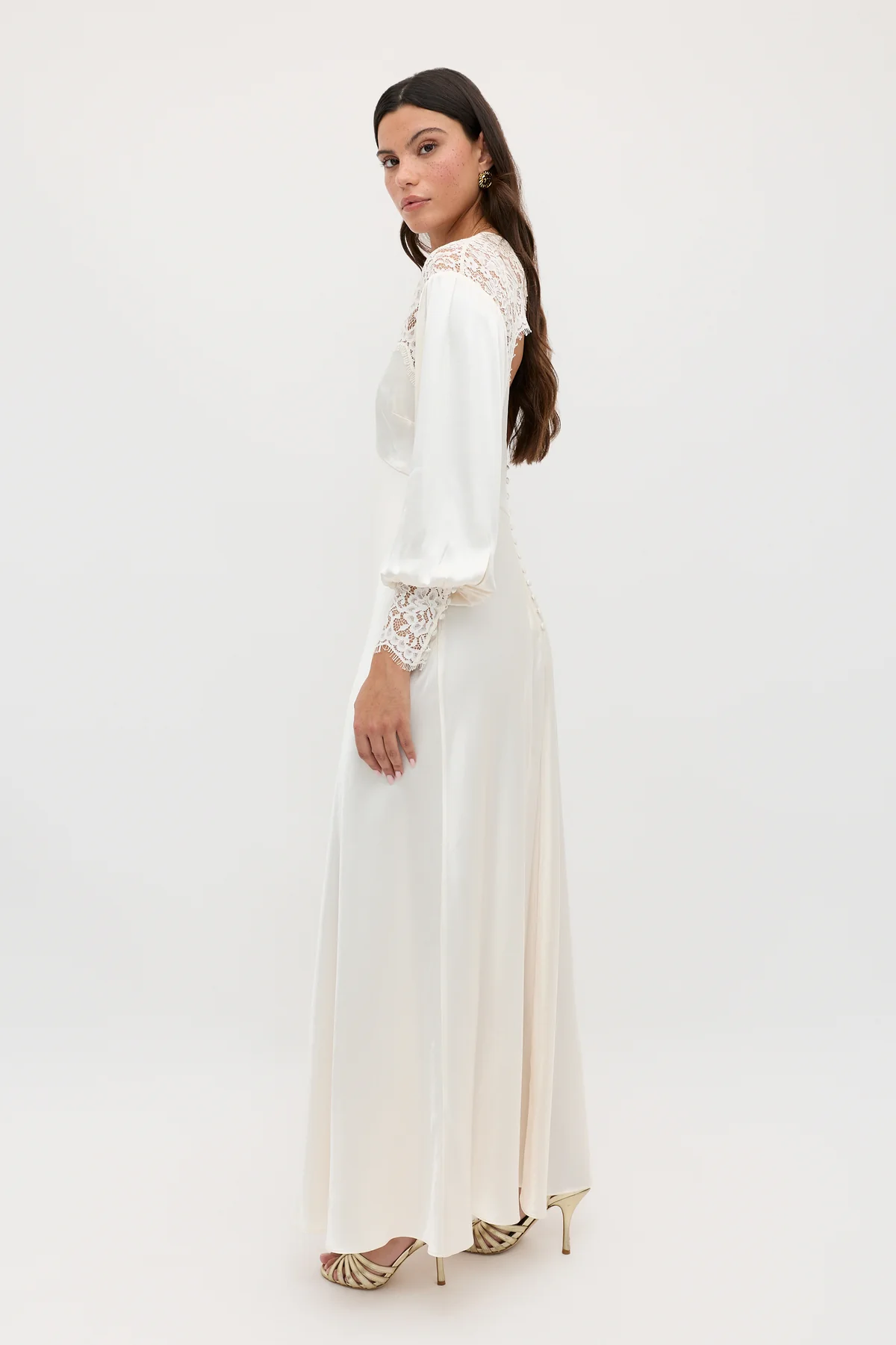
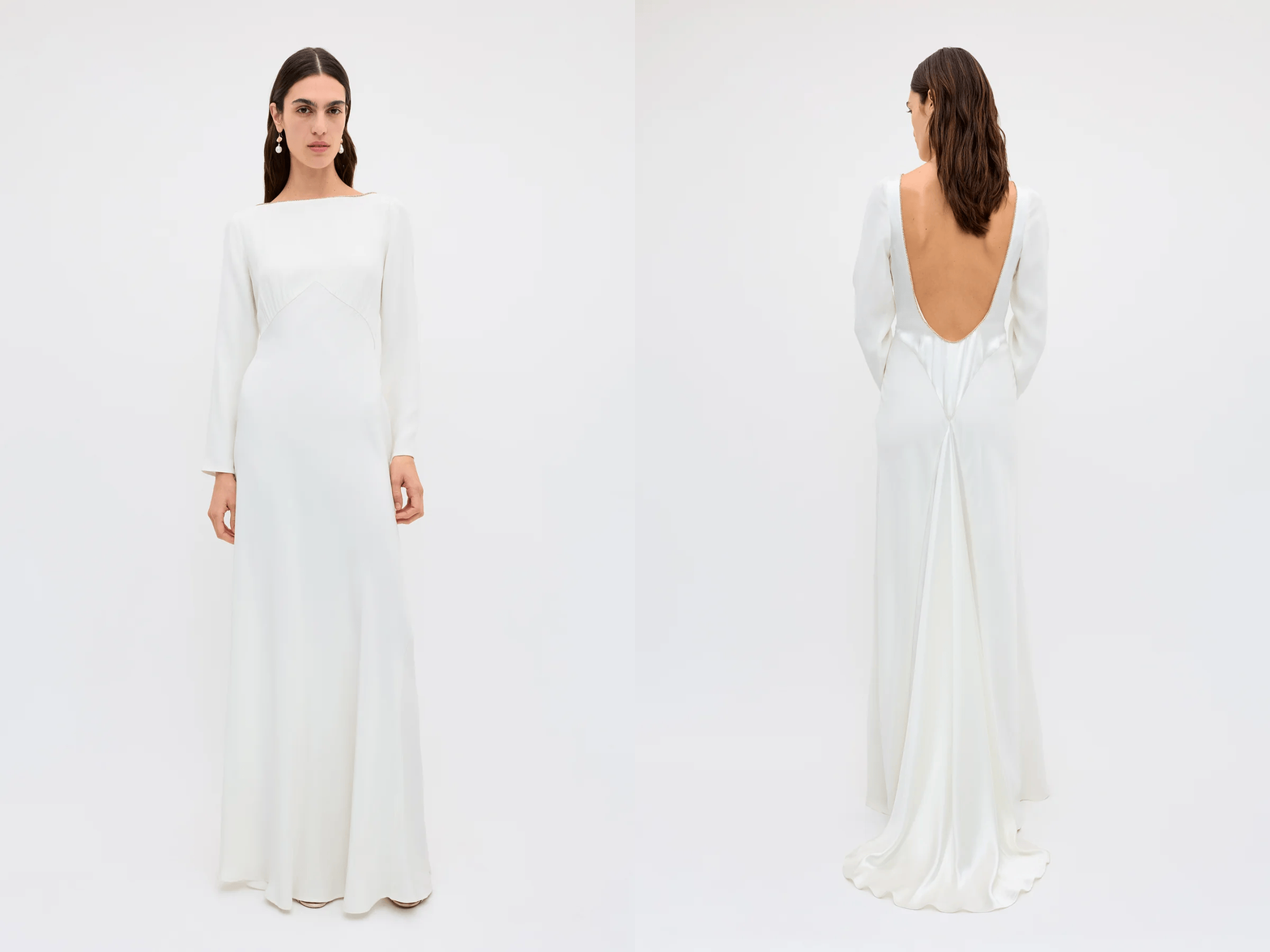
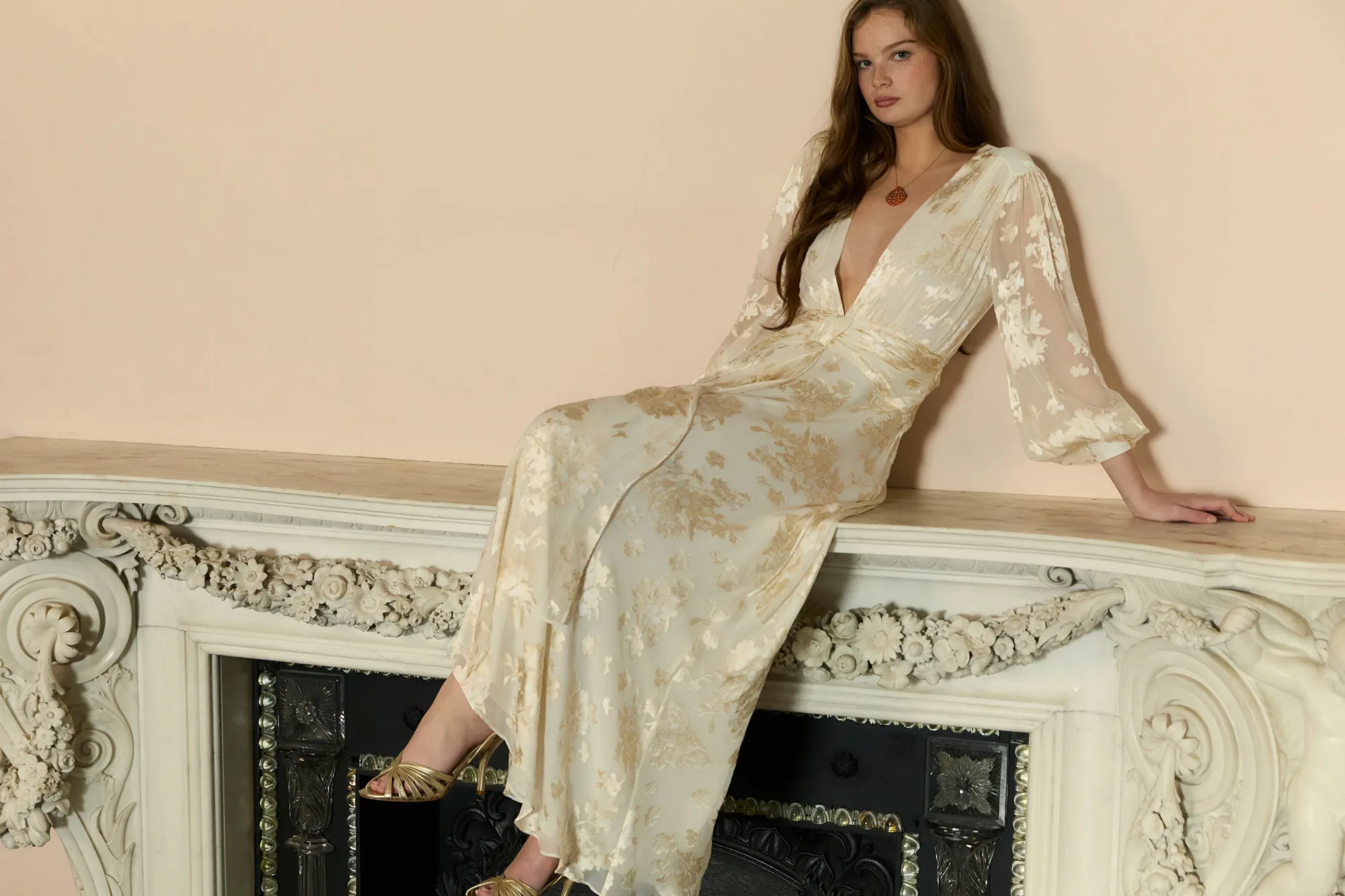
The RIXO bridal collection is defined by a departure from transient trends in favor of mid-century silhouettes, specifically drawing inspiration from the 1930s and 1970s. The design language emphasizes bias-cut silks, lace separates, and soft tailoring—elements that contrast with the structured, voluminous gowns that have historically dominated the bridal industry.
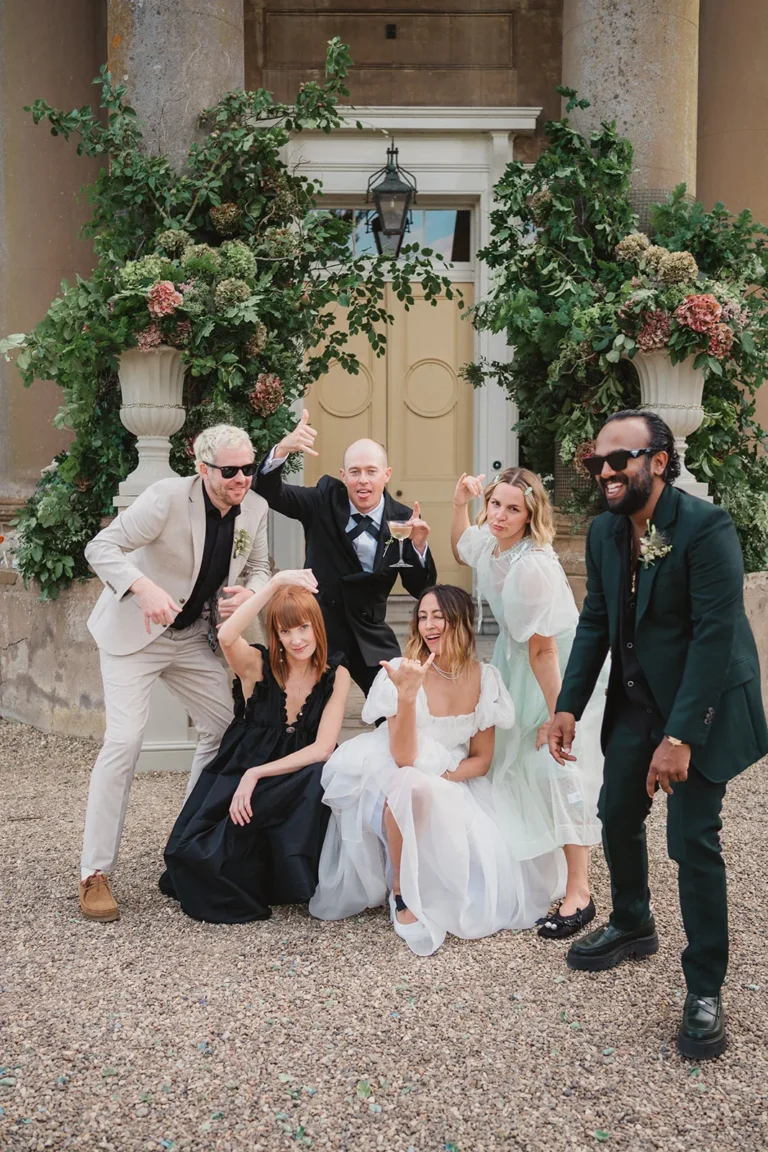
Market analysts suggest that RIXO’s success in the bridal sector is largely due to its "price-accessible" model. While the average cost of a wedding dress in the United Kingdom often exceeds £1,500, RIXO offers silk options ranging from £300 to £600. This pricing strategy appeals to a growing demographic of "pragmatic brides" who prioritize value and the ability to re-wear their wedding attire for subsequent occasions. The inclusion of bridesmaid dresses in complementary prints further allows the brand to capture a larger share of the wedding party spend, providing a cohesive aesthetic that avoids the uniform look of traditional bridal parties.
The House of RIXO: A New Model for Experiential Retail
The opening of the House of RIXO on King’s Road represented a significant investment in experiential retail. Unlike traditional bridal boutiques that may feel exclusionary or overly formal, the Chelsea flagship aims to foster a community atmosphere. The inclusion of a coffee kiosk and a cocktail bar within the retail space reflects a shift toward "lifestyle" shopping, where the transaction is secondary to the brand experience.
The bridal suite within the House of RIXO operates on a private appointment basis. For a fee of £25 to £30—which is redeemable against purchases over £250—prospective brides receive a one-hour consultation with specialized stylists. This model ensures a personalized service while maintaining a high conversion rate for the business. To accommodate different consumer segments, the brand also offers a more informal bridal service at its Notting Hill location on Westbourne Grove, where appointments are conducted on the shop floor with a lower deposit requirement.
Product Diversification and Sustainability Initiatives
Beyond its core bridal and ready-to-wear lines, RIXO has expanded into knitwear, accessories, and separates. This diversification is coupled with a commitment to sustainable business practices, which is increasingly a priority for contemporary fashion consumers. The flagship store’s "pre-loved" and rental sections allow the brand to participate in the circular economy, extending the lifecycle of its garments and making the brand accessible to a wider audience.
The founders’ decision to remain independent and self-funded has allowed RIXO to maintain creative control and avoid the pressures of rapid, investor-driven expansion. This independence is reflected in their "hand-painted prints" and the refusal to follow the traditional fashion calendar. Instead, the brand focuses on "limited runs" to reduce waste and maintain a sense of exclusivity for its customers.
Market Analysis and Industry Implications
The rise of RIXO coincides with a broader shift in the wedding industry. Post-pandemic bridal trends have seen an increase in "micro-weddings," civil ceremonies, and multi-day celebrations, all of which require different types of attire. RIXO’s collection of chic minis and tailored suits caters specifically to the "rehearsal dinner" and "city hall wedding" segments.
According to retail data, the accessible luxury segment is one of the fastest-growing areas in the fashion industry. Brands that can offer high-quality fabrics—such as RIXO’s use of silk and velvet—at mid-market prices are well-positioned to capture consumers who are moving away from fast fashion but remain priced out of the ultra-luxury market. RIXO’s ability to maintain a gross margin while offering competitive prices is attributed to its lean operational structure and its direct-to-consumer (D2C) strength.
Operational Excellence and Brand Advocacy
A significant component of RIXO’s marketing strategy is its community-centric approach. The #HumansOfRIXO campaign, which features real customers wearing the brand’s designs, serves as a powerful tool for brand advocacy. By showcasing a diverse range of women, the brand reinforces its image as an inclusive and authentic label.
Operational challenges, such as logistics and global shipping, were handled in-house during the brand’s formative years, providing the founders with a deep understanding of their supply chain. Industry experts note that this "hands-on" beginning is often a prerequisite for long-term stability in the volatile fashion sector. As the brand entered its tenth year in 2025, it reported consistent year-on-year growth, bolstered by its expansion into the US and Irish markets.
Technical Specifications and Consumer Guidance
For consumers navigating the RIXO bridal experience, the brand provides specific guidelines to ensure the best possible fit and garment care. The bridal appointments emphasize the importance of "minimal makeup" and "nude undergarments" during fittings to protect the delicate silk fabrics. Furthermore, the brand encourages brides to bring their wedding shoes to appointments to accurately assess hem lengths, particularly for their signature floor-length bias-cut gowns.
The technical construction of RIXO garments often utilizes a bias cut—a technique where the fabric is cut at a 45-degree angle to the grain. This allows the material to drape elegantly over the body’s contours, providing a flattering fit without the need for complex internal boning or corsetry. This focus on comfort and natural movement has become a hallmark of the RIXO bridal aesthetic.
Future Outlook for the RIXO Brand
As RIXO moves beyond its first decade, the brand is expected to continue its focus on physical retail expansion while enhancing its digital footprint. The success of the House of RIXO suggests that there is a strong appetite for physical "brand worlds" that offer more than just inventory. Future growth may include further international flagships in major fashion capitals and an expansion of their bridal accessories line to include footwear and millinery.
The legacy of RIXO lies in its ability to democratize "vintage-inspired" elegance. By proving that a wedding dress does not need to cost thousands of pounds to be considered "special," Henrietta Rix and Orlagh McCloskey have not only built a successful business but have also influenced the broader conversation around value and style in the modern wedding industry. Their story remains a significant example of how clear vision and operational tenacity can transform a small-scale creative project into a global fashion powerhouse.