









The Netherlands is increasingly recognized as a vanguard in the global movement towards sustainable and ethical fashion, fostering a vibrant ecosystem of brands committed to positive environmental and social impact. Driven by a growing consumer demand for transparency and responsibility, Dutch labels are setting new benchmarks in an industry historically plagued by environmental degradation and exploitative labor practices. Among these innovators are internationally acclaimed names such as MUD Jeans, celebrated for its pioneering circular denim model, alongside emerging leaders like CAES and RVDK, all of whom have earned top ratings from rigorous independent assessment systems for their commitment to people, planet, and animals. This burgeoning landscape positions the Netherlands as a pivotal player in reshaping the future of fashion.
The Global Imperative: Confronting Fashion’s Environmental and Social Footprint
The fashion industry stands as one of the world’s most polluting sectors, trailing only the oil and gas industry in its environmental impact. Annually, it is responsible for an estimated 10% of global carbon emissions, more than international flights and maritime shipping combined. The production of textiles is incredibly resource-intensive, consuming vast quantities of water—for instance, producing a single cotton t-shirt can require up to 2,700 liters of water, equivalent to what an average person drinks in 2.5 years. Beyond water consumption, the industry’s reliance on synthetic fibers, which are essentially plastic, contributes significantly to microplastic pollution in oceans, while chemical dyes and finishes contaminate waterways and harm ecosystems.
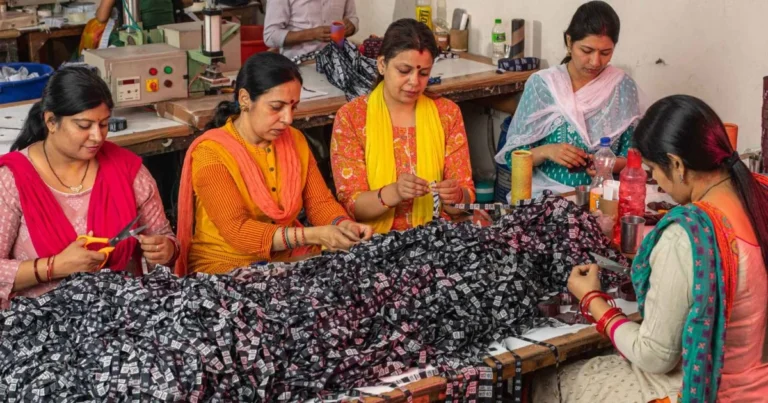
Socially, the fast fashion model often relies on low-wage labor in developing countries, where garment workers, predominantly women, frequently face unsafe working conditions, long hours, and wages far below a living standard. Issues such as child labor, forced labor, and the suppression of unionization efforts remain persistent challenges across complex global supply chains. The drive for rapid production cycles and ever-decreasing costs incentivizes these unsustainable practices, creating a stark contrast to the glamorous image often portrayed by the industry.
However, over the past decade, a profound shift has begun to take hold. Triggered by increasing public awareness through investigative journalism, documentaries, and social media campaigns, consumers are becoming more conscious of their purchasing power. This burgeoning "conscious consumerism" is pushing brands to re-evaluate their production processes, material sourcing, and labor practices. Organizations and rating systems like Good On You have emerged as crucial guides, offering transparent assessments of brands’ sustainability credentials, thereby empowering consumers to make informed choices and holding companies accountable.
Defining the Pillars of a Better Brand: People, Planet, and Animals
A truly responsible brand distinguishes itself by demonstrating a comprehensive commitment to positive impact across three core dimensions: its treatment of people, its stewardship of the planet, and its respect for animal welfare. Understanding these criteria is fundamental to discerning genuinely ethical fashion from superficial "greenwashing" claims.
People: Upholding Human Rights and Fair Labor
The ethical treatment of workers throughout the entire supply chain is paramount. This encompasses rigorous policies and verifiable practices against child labor and forced labor, ensuring safe and healthy working environments, and upholding the fundamental right of workers to join unions and bargain collectively. Crucially, a responsible brand commits to paying a living wage—a wage sufficient to afford a decent standard of living for the worker and their family, covering food, housing, healthcare, education, transport, and other essential needs. This goes beyond minimum wage requirements, which often fall short of actual living costs in many production regions. Transparency in supply chains, from raw material sourcing to final garment assembly, is vital for monitoring and ensuring these labor standards are met. Organizations like the Fair Wear Foundation and the Clean Clothes Campaign continually advocate for these rights, pushing brands to adopt more equitable labor practices.
Planet: Minimizing Environmental Footprint
Environmental responsibility involves a holistic approach to resource management and pollution reduction. Better brands prioritize the use of lower-impact materials such as organic cotton, recycled fibers (e.g., recycled polyester, recycled cotton), Tencel Lyocell, hemp, and innovative bio-based alternatives like Desserto cactus leather. These materials often require less water, fewer pesticides, and reduced energy during their production compared to conventional options.
Furthermore, responsible brands actively work to reduce their carbon emissions across their operations, from manufacturing to transportation, often investing in renewable energy sources and optimizing logistics. They implement robust water management strategies to minimize water usage and prevent pollution from dyes and chemicals, ensuring safe disposal of any unavoidable waste. The adoption of circular economy principles, designing products for longevity, repairability, and recyclability, is also a hallmark of forward-thinking brands, aiming to keep materials in use for as long as possible and minimize waste sent to landfills.
Animals: Promoting Welfare and Vegan Alternatives
Animal welfare is another critical dimension. Ideally, a truly responsible brand uses no or very few animal products. This means avoiding materials derived from cruel or unsustainable practices, such as fur, angora, down feathers (unless certified responsible), shearling, karakul, and exotic animal skins and hairs. The trend towards 100% vegan fashion is gaining significant momentum, with brands opting for innovative plant-based or recycled alternatives to traditional leather and wool, driven by both ethical considerations and the environmental impact associated with animal agriculture. Certifications like PETA-Approved Vegan or those from the Responsible Wool Standard (for brands still using wool) provide consumers with assurances regarding animal treatment.
The Dutch Advantage: A Nurturing Ground for Sustainable Innovation
The Netherlands has cultivated an environment uniquely conducive to the growth of ethical and sustainable fashion brands. Several factors contribute to its emergence as a European leader in this domain:
- Innovation and Design Culture: The Dutch are renowned for their pragmatic approach to design and innovation. This extends to fashion, where designers often blend aesthetics with functionality and a strong sense of social responsibility. There’s a cultural inclination towards problem-solving and finding creative solutions to complex challenges, including those posed by fast fashion.
- Progressive Policy Landscape: While specific fashion regulations are often at the EU level, the Netherlands has a strong track record of supporting circular economy initiatives and sustainable business practices. Government grants, incubators, and policy discussions frequently center on fostering innovation that aligns with environmental goals, indirectly benefiting sustainable fashion startups. The EU’s Textile Strategy, for instance, aims to make textiles more durable, repairable, and recyclable, aligning perfectly with the ethos of many Dutch brands.
- Conscious Consumer Base: The Dutch population exhibits a relatively high level of environmental awareness and a willingness to embrace sustainable lifestyles. Surveys consistently show a significant segment of Dutch consumers prioritizing ethical considerations when making purchasing decisions, particularly among younger demographics. This strong domestic demand provides a fertile ground for sustainable brands to flourish and test their models before scaling internationally.
- Strategic Location and Logistics: As a major trading nation with excellent logistical infrastructure, the Netherlands is well-positioned to facilitate sustainable supply chains. Its ports and distribution networks can efficiently handle responsibly sourced materials and distribute finished products with a relatively lower carbon footprint compared to other regions.
Spotlight on Pioneering Dutch Brands
The Netherlands is home to a growing number of brands that embody these principles, earning high ratings for their commitment to sustainability.
MUD Jeans: Revolutionizing Denim with a Circular Model
Widely recognized as a pioneer, MUD Jeans has fundamentally reimagined the lifecycle of denim since its inception in 2013. Their groundbreaking "Lease a Jean" model allows customers to lease jeans for a monthly fee, returning them after a year to be recycled into new denim or upcycled into new products. This innovative approach dramatically reduces waste and encourages longevity. MUD Jeans uses up to 40% post-consumer recycled cotton in their new collections, blended with GOTS certified organic cotton, significantly reducing water consumption (saving up to 92% water compared to industry average for a pair of jeans) and chemical use. Their production facilities are carefully selected for ethical labor practices, ensuring fair wages and safe conditions. Their commitment to a truly circular economy for denim makes them a global benchmark.
CAES: Timeless Design with Conscious Materials
CAES (pronounced "case") embodies a philosophy that "fashion does not have to be fast or seasonal." This Dutch brand focuses on creating timeless, minimalist wardrobe staples designed for longevity, countering the disposability of fast fashion. Their commitment to sustainability is evident in their meticulous material choices, which include innovative lower-impact options such as Desserto cactus leather, known for its significantly reduced environmental footprint compared to animal leather, recycled cotton, and Tencel Lyocell—a sustainably produced fiber derived from wood pulp that is highly resource-efficient. CAES demonstrates a strong commitment to transparency by partly tracing its supply chain and implementing a code of conduct that aligns with key principles of the ILO Four Fundamental Freedoms, addressing aspects like worker safety and non-discrimination. This blend of enduring style and responsible production appeals to the discerning, conscious consumer.
RVDK (Ronald van der Kemp): Haute Couture with a Conscience
Ronald van der Kemp’s RVDK stands as a unique proposition in the high fashion world, proving that luxury and sustainability are not mutually exclusive. As a guest member of Haute Couture, RVDK specializes in "couture d’upcycling" – creating exquisite, one-of-a-kind pieces from existing materials, including deadstock fabrics, vintage garments, and textile remnants that would otherwise go to waste. This approach drastically reduces the demand for new resource-intensive production. Van der Kemp’s philosophy is rooted in creating high-quality, long-lasting products that challenge the transient nature of seasonal fashion. By utilizing preferred materials and emphasizing craftsmanship, RVDK not only minimizes its climate impact but also significantly limits the use of chemicals and water typically associated with conventional luxury fashion. The brand’s commitment to transforming discarded materials into wearable art represents a powerful statement against fashion waste and offers a compelling alternative for those seeking luxury with a responsible ethos.
The Broader Impact: Local Sourcing and Economic Implications
The emphasis on brands based or produced in the Netherlands also highlights the broader benefits of local sourcing. While global supply chains are an economic reality, supporting local fashion labels can yield significant positive outcomes:
- Reduced Carbon Footprint: Shorter transportation distances for raw materials and finished goods inherently lead to lower greenhouse gas emissions, contributing to overall climate action goals.
- Economic Resilience and Job Creation: Investing in local production strengthens regional economies, creating and sustaining jobs within the community, fostering specialized skills, and contributing to local tax bases.
- Enhanced Oversight and Accountability: Localized production often allows for closer monitoring of labor practices and environmental compliance. Brands can more easily visit their factories, build stronger relationships with their workforce, and ensure that their ethical standards are genuinely upheld.
- Cultural Preservation: Supporting local designers and artisans helps preserve unique design traditions and craftsmanship, enriching the cultural fabric of a nation.
While local production can sometimes entail higher costs, the perceived value—both in terms of quality and ethical assurance—is increasingly justifying this premium for a growing segment of consumers.
Looking Ahead: The Future Trajectory of Sustainable Fashion
The trajectory for sustainable fashion in the Netherlands and globally points towards continued innovation, increased regulatory pressure, and heightened consumer engagement. Future developments are likely to include:
- Advanced Material Science: Further breakthroughs in bio-based textiles, regenerative agriculture for natural fibers, and efficient recycling technologies will offer even more sustainable alternatives.
- Digital Transparency: Blockchain technology and digital product passports could provide unprecedented levels of transparency across supply chains, allowing consumers to trace a garment’s journey from fiber to finished product.
- Policy Evolution: Governments and international bodies are expected to introduce more stringent regulations on textile waste, chemical use, and supply chain due diligence, pushing all brands towards greater responsibility. The EU’s forthcoming regulations on green claims and extended producer responsibility will significantly impact how brands operate.
- Collaborative Ecosystems: Increased collaboration between brands, innovators, policymakers, and consumers will be essential to drive systemic change. Industry-wide initiatives focused on circularity and shared infrastructure for recycling and repair will become more prevalent.
- Consumer Empowerment: Platforms that rate and review brands, coupled with educational campaigns, will continue to empower consumers to demand more from the fashion industry, making ethical and sustainable choices the norm rather than the exception.
The Netherlands, with its pioneering brands and progressive outlook, is poised to remain at the forefront of this transformative journey. By championing responsible practices and fostering innovation, Dutch fashion is not just creating beautiful clothes, but also contributing to a more equitable and sustainable future for the planet and its inhabitants. The ongoing commitment from brands like MUD Jeans, CAES, and RVDK serves as a compelling testament to the power of purpose-driven business in reshaping one of the world’s most influential industries.