







A Synthesis of Heritage: The Ceremonial Framework
The wedding of Oliwia and James was characterized by its deliberate integration of Polish and Scottish rites, a choice that underscores the importance of ancestral identity in modern matrimonial services. Central to the proceedings was the Scottish handfasting ceremony, an ancient Celtic tradition where the couple’s hands are tied together to symbolize their commitment. In this instance, the knot was tied by Oliwia’s brother, Cyprian, using Ferguson and Stirling tartans—a symbolic gesture of the two families intertwining.
Parallel to the Scottish customs, the couple incorporated the traditional Polish "Bread, Salt, and Vodka" ceremony. This ritual, deeply rooted in Slavic history, involves the parents presenting the newlyweds with these three symbolic items. The bread represents the hope that the couple will never know hunger; the salt serves as a reminder of life’s inevitable challenges; and the vodka symbolizes a wish for a life filled with joy and celebration. Notably, the bread used in the ceremony was baked by the bride’s father, adding a layer of personal craftsmanship to the formal ritual.
The ceremony was officiated by Linda Robertson, a close family friend, which allowed for a narrative-driven service that deviated from standard liturgical or civil scripts. This shift toward "celebrant-style" officiating by trusted individuals is a documented trend in Scotland, where the Marriage (Scotland) Act 2002 has allowed for greater flexibility in who can perform legal ceremonies, provided they are authorized by the Registrar General.
Chronology of the Union: From Pandemic to Proposal
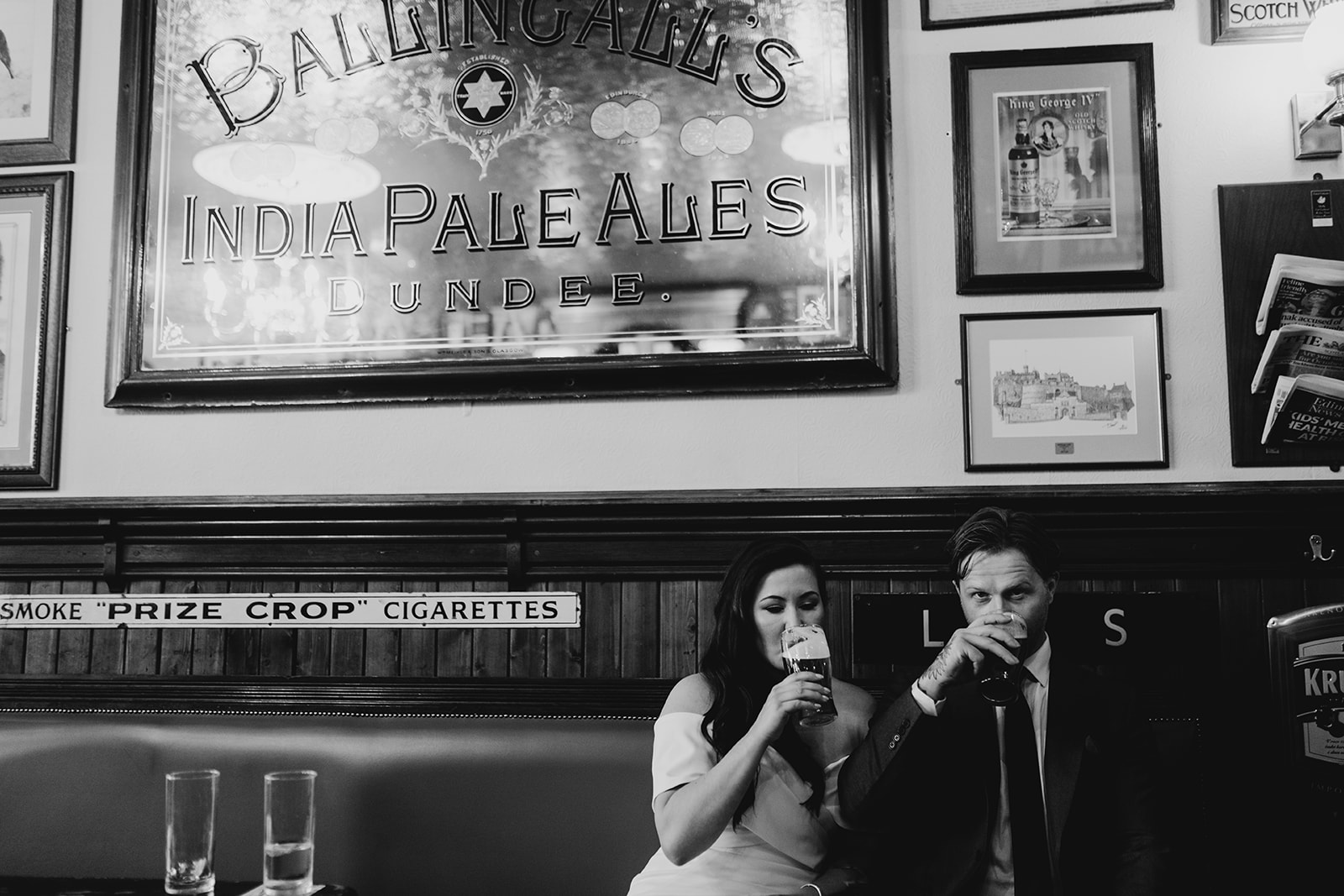
The journey leading to the August 30 celebration began during the global COVID-19 pandemic. Oliwia and James first connected via the digital dating platform Hinge, meeting for their inaugural date at the Allan Park Hotel in Stirling as social distancing restrictions began to ease. Their relationship developed against the backdrop of Edinburgh’s Leith district, a hub for young professionals and creatives, where they eventually established a home and adopted a dog, Bonnie, from Poland in 2021.
The engagement occurred in 2024 during a planned excursion to Sicily. James proposed on a hotel balcony overlooking Mount Etna and the Ionian Sea, following a local wine-tasting session. The proposal followed a year of preparation, during which the couple focused on securing a venue that resonated with their shared history in Stirlingshire. The timeline from engagement to wedding spanned approximately twelve months, a duration consistent with the UK average for wedding planning, allowing for the coordination of international guests and specialized vendors.

Venue and Aesthetic Direction: The Rise of the "Tin Shed"
The selection of The Tin Shed at Knockraich Farm as the venue was a strategic decision based on both geography and atmosphere. Located in Fintry, the farm is a family-run enterprise that has pivoted toward the luxury event market, offering a "blank canvas" approach that appeals to couples seeking a departure from traditional hotel ballrooms. The venue’s aesthetic—characterized by corrugated metal, exposed timber, and expansive views of the Stirlingshire countryside—complemented the couple’s "mid-century retro" theme.
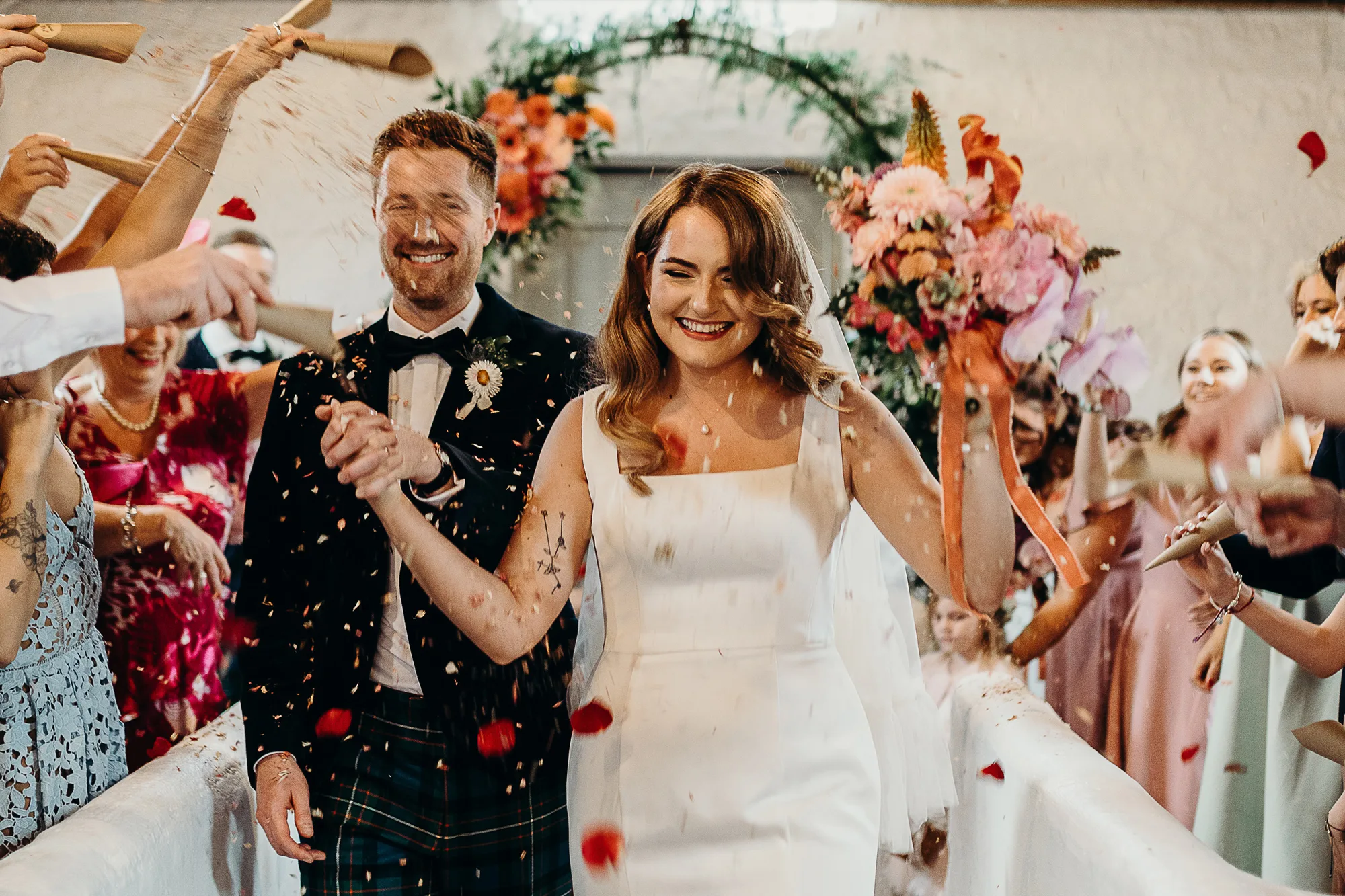
The visual palette of the day was a bold departure from traditional bridal whites and pastels. Oliwia and James opted for a vibrant scheme of pinks, reds, and oranges. This color story was executed through:
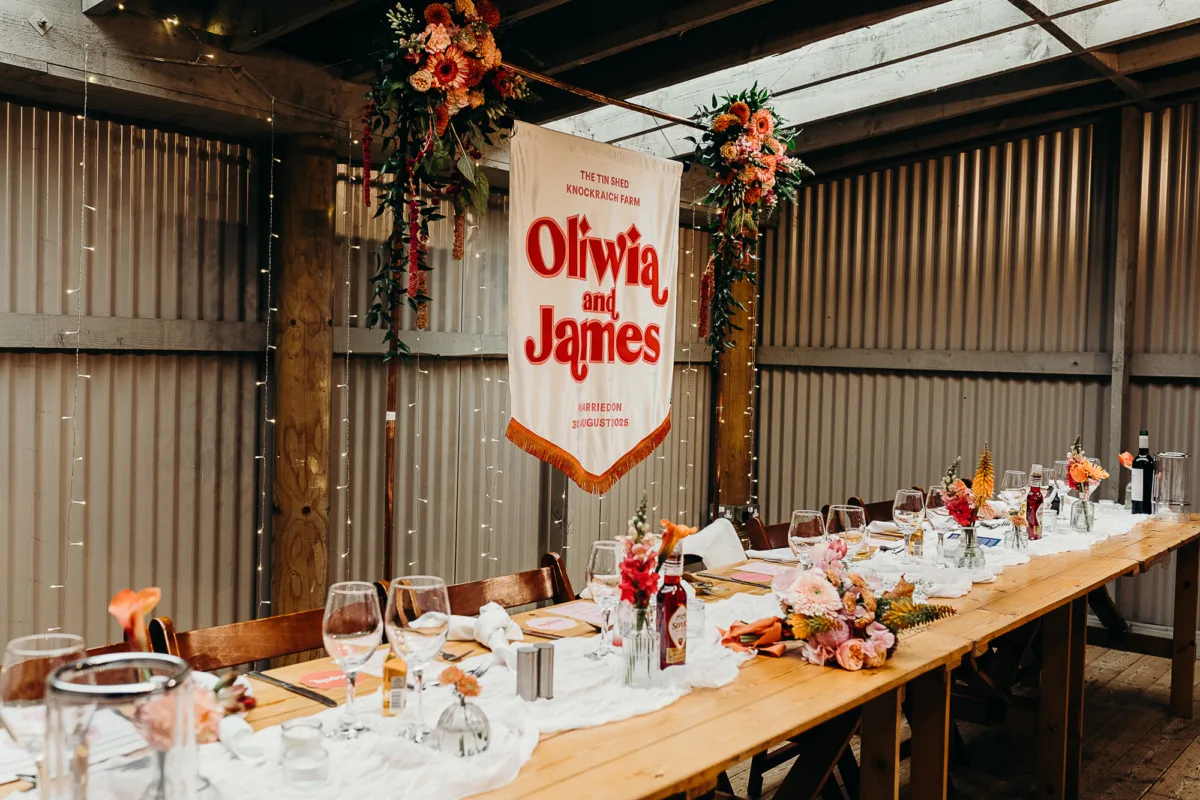
- Floral Arrangements: Seasonal blooms in saturated hues.
- Decorations: Streamers provided by "Peace in the Neighbourhood" and a custom-made banner by artist Tara Collette.
- Confectionery: A two-tiered, heart-shaped chocolate raspberry cake with red and cream ruffles, designed by Rude Cookies.
Industry analysts note that the "retro-rustic" trend is increasingly popular among Millennials and Gen Z couples who prioritize "Instagrammable" authenticity over conventional formality. The use of streamers and heart-shaped cakes reflects a 1960s and 70s kitsch revival that has gained significant traction in the 2024-2025 wedding seasons.
Artisanal Craftsmanship and Attire
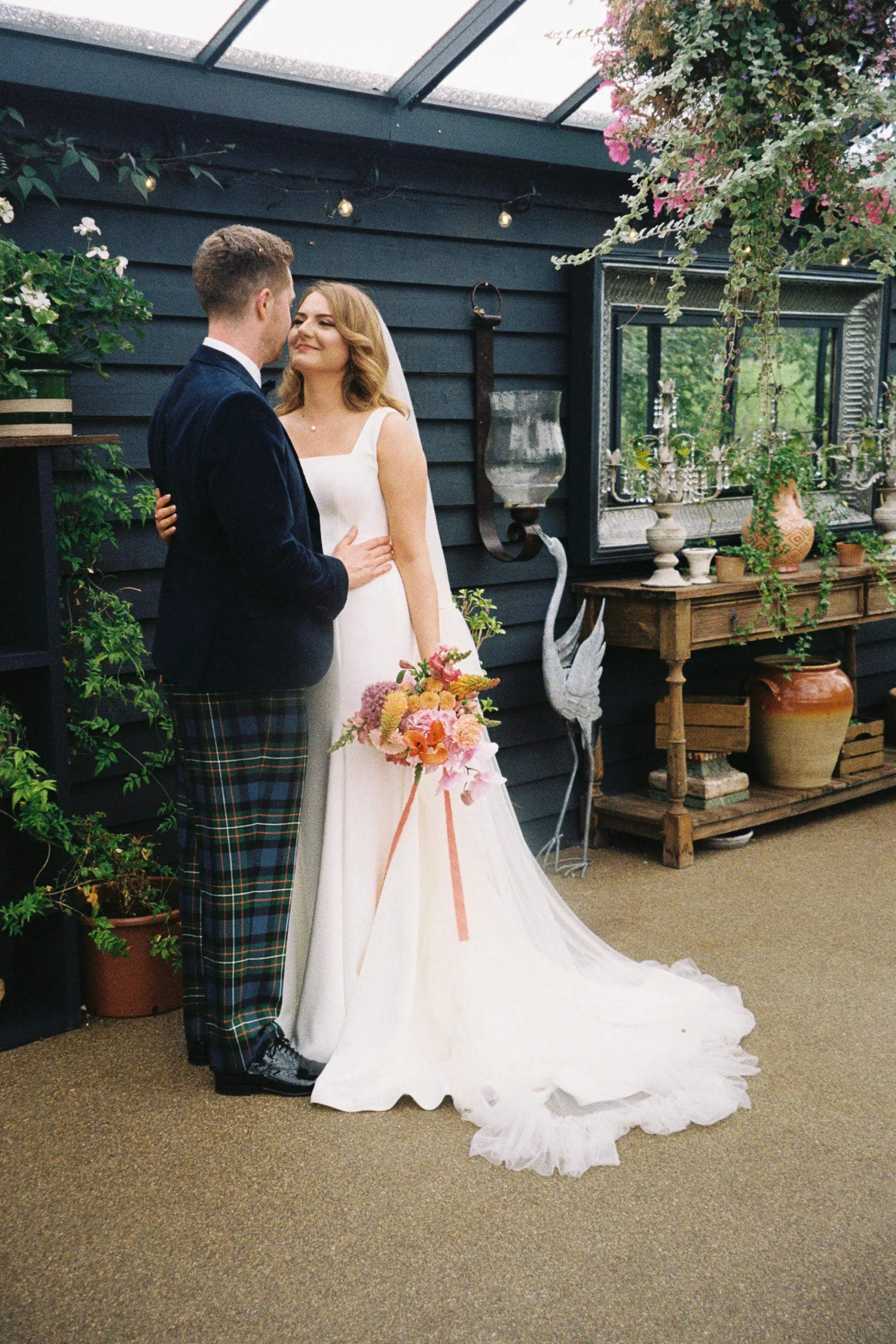
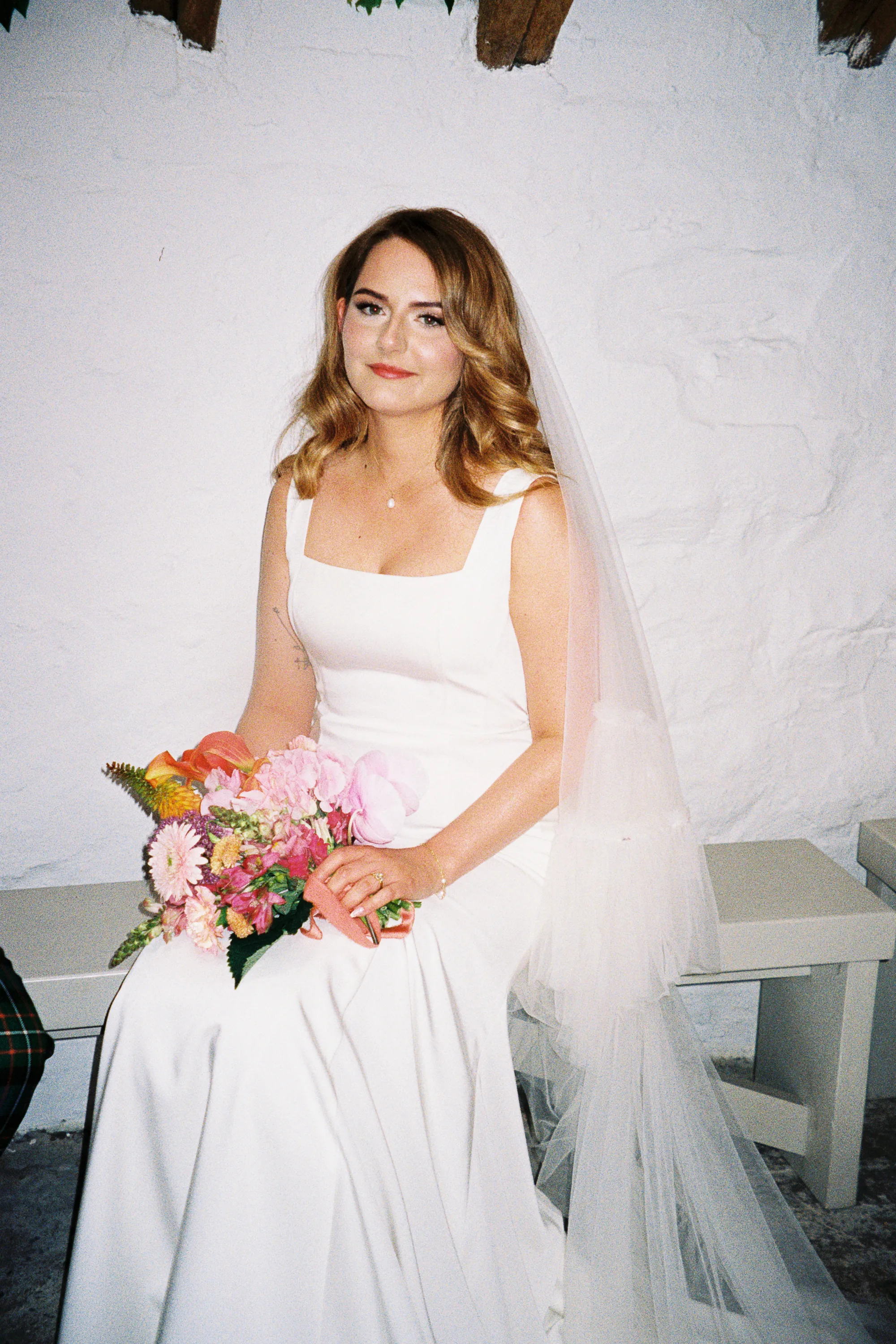
The attire for the wedding emphasized local craftsmanship and heritage brands. Oliwia wore the "Berkeley" gown by designer Freda Bennet, a piece discovered at Emma Roy of Edinburgh. The gown’s clean lines served as a modern counterpoint to the vibrant surroundings. In a tribute to her family history, the bride wore her late grandmother’s gold ring, featuring a red stone, which had been a daily fixture of her grandmother’s life.
James adhered to Scottish sartorial tradition with a contemporary twist. He wore ancient Ferguson tartan trews paired with a midnight navy velvet jacket and a black bowtie, all sourced from Kinloch Anderson, a historic Edinburgh-based outfitter established in 1868. James also wore his late father’s watch, further cementing the theme of ancestral presence throughout the day.
The wedding rings were produced by Ian Gallacher, a local jeweller. The choice to utilize local artisans rather than national chains is reflective of a broader "support local" movement within the Scottish wedding sector, which contributes an estimated £1.47 billion to the national economy annually.
Gastronomy and Cultural Fusion
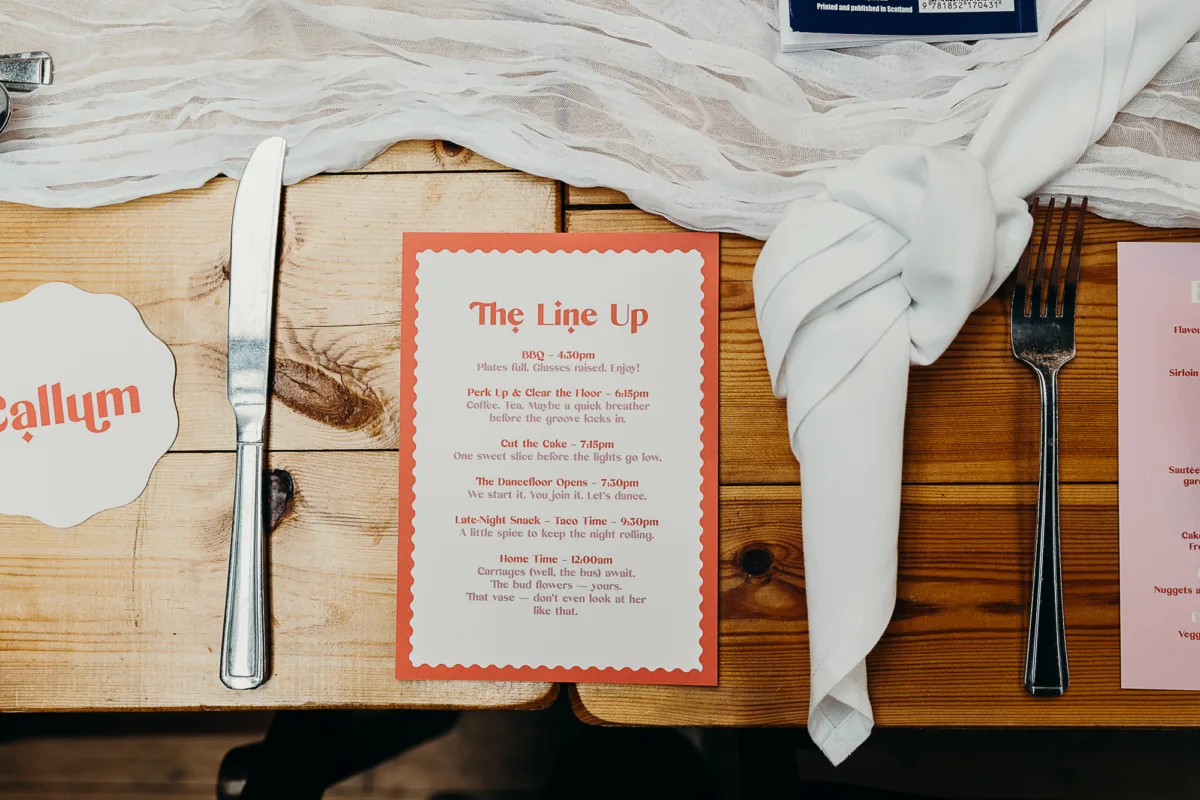
The catering, managed by Regis Banqueting, was designed to facilitate a relaxed, communal atmosphere. The main meal consisted of a barbecue buffet featuring a variety of meats and seafood. However, the evening reception saw a more distinct return to Polish culinary roots.
The bride’s family constructed a "strzecha"—a traditional Polish rustic hut-style display—to serve a "countryside table." This featured:

- Traditional Smoked Meats: Authentic Polish sausages and pork loin.
- Smalec: A traditional spreadable lard with cracklings and onions, served on sourdough bread.
- Pickles: Fermented vegetables, a staple of Polish hospitality.
This culinary integration served as a bridge between the two guest groups, allowing the Scottish attendees to experience authentic Polish flavors in a celebratory context. The evening’s entertainment, provided by Miss Mobile Disco, further blended the cultures by mixing contemporary hits with traditional Polish music, ensuring that the dance floor remained a shared space for both nationalities.
Photography and the Documentary Style
The visual documentation of the wedding was handled by Solen Collet, a photographer known for a "natural documentary" approach. This style of photography eschews traditional staged portraits in favor of candid, fly-on-the-wall imagery that captures the emotional resonance of the day. The preference for documentary-style photography has seen a sharp increase as couples move away from the "perfectionist" aesthetic of the early 2010s toward a more "effortless" and "authentic" representation of their events.
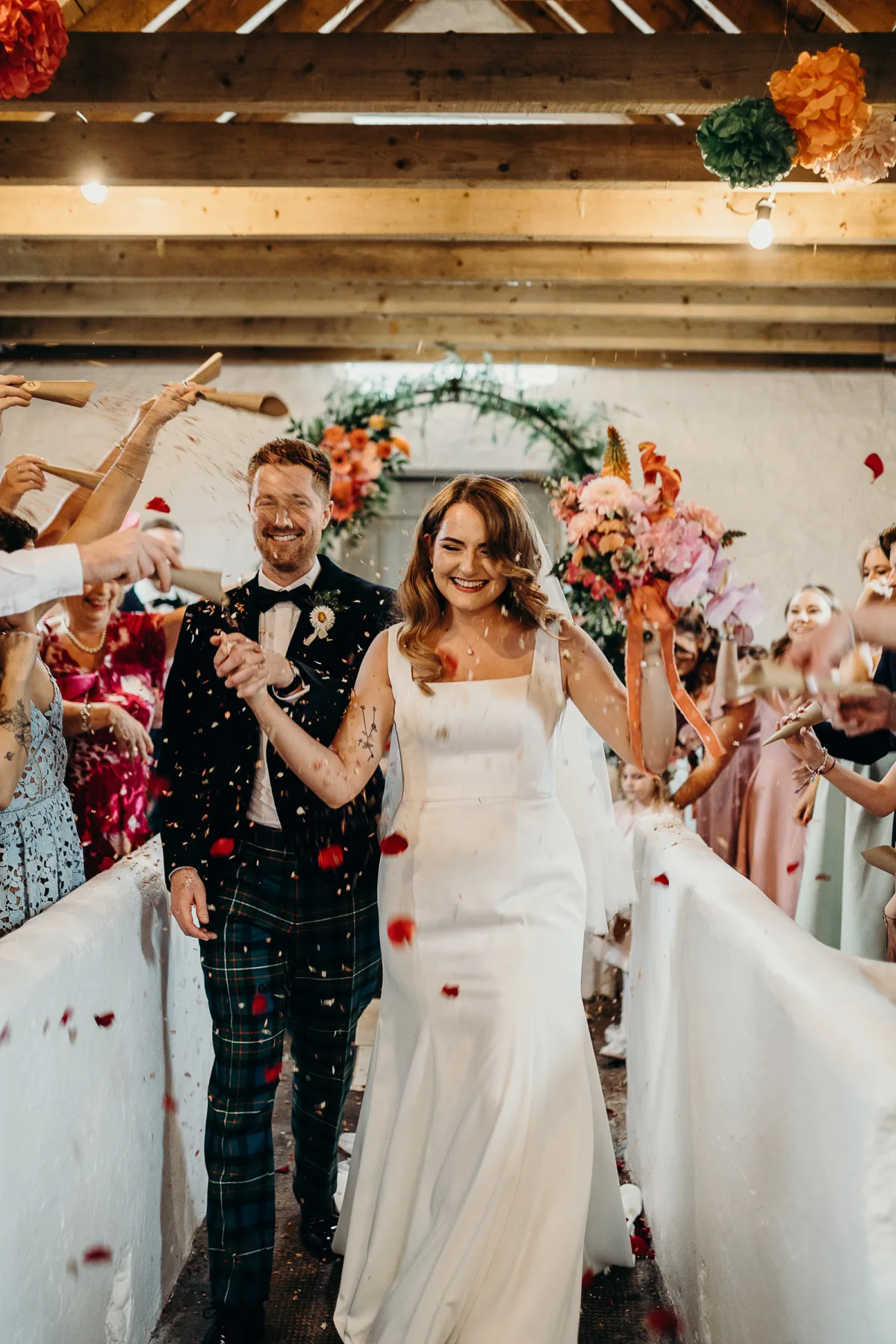
Collet’s use of film-inspired grading and retro compositions aligned with the couple’s mid-century theme, providing a cohesive visual narrative that prioritized movement and light over rigid posing.
Economic Implications and Concluding Observations
The wedding of Oliwia and James highlights several key trends currently shaping the event industry in 2025. First, the success of the "DIY-luxe" model—where couples source high-end professional vendors for core elements (photography, catering) but handle aesthetic styling themselves—is becoming a standard for mid-to-high-range weddings. Second, the integration of dual-national traditions is no longer seen as a logistical hurdle but as a primary creative driver for the event.
In her "Wedded Wisdom," Oliwia emphasized the necessity of rigorous financial planning and early vendor acquisition, noting that the couple utilized spreadsheets to manage their budget effectively. While they ultimately exceeded their initial financial projections, the investment was viewed as a successful expenditure on a "true-to-self" experience that avoided long-term debt—a balance that many modern couples strive to achieve in an inflationary economy.
Ultimately, the Scottish-Polish union at Knockraich Farm stands as a case study in modern matrimonial success: a celebration that honors the past through specific ritual and craftsmanship while embracing a contemporary, vibrant future. The event underscores Stirlingshire’s position as a premier destination for destination weddings that require both natural beauty and the flexibility to accommodate complex, multicultural requirements.