








The quest for workwear that simultaneously prioritizes the well-being of its makers and minimizes environmental impact presents a significant challenge within the global fashion industry. While the market is saturated with mass-produced garments, a large proportion of these items rely heavily on virgin polyester—a material derived from petroleum and fundamentally a form of plastic. This widespread reliance contributes substantially to greenhouse gas emissions during production, perpetuates dependence on non-renewable fossil fuels, and exacerbates the global microplastic crisis. Recognizing this critical need for more responsible alternatives, industry experts and ethical fashion advocates are highlighting brands that are actively innovating to offer durable, functional, and stylish workwear options designed with people and the planet in mind.
The Dual Landscape of Workwear: Functionality Meets Fashion
Workwear, as a category, broadly encompasses two distinct yet interconnected realms. The first is specialized personal protective equipment (PPE) and utilitarian gear, meticulously engineered for demanding environments such as construction sites, manufacturing floors, or outdoor trades. These garments are characterized by reinforced stitching, abrasion-resistant fabrics, and design features like extra pockets, tool loops, and robust fasteners, all intended to shield the wearer from injury and enhance operational efficiency. The primary focus here is uncompromising safety and extreme durability.
The second category, which this guide primarily addresses, is fashion-inspired workwear. While it does not typically qualify as PPE, it draws heavily from the aesthetic and inherent ruggedness of its industrial counterpart. This style often overlaps with "heritagewear," celebrating timeless, robust designs. It includes staples such as heavy-denim jeans and jackets, sturdy overshirts, classic overalls, resilient outerwear designed for harsh weather, and thick-soled, hard-wearing boots. Both types of workwear share a fundamental design philosophy centered on longevity and durability—principles that are inherently aligned with circular economy models, where products are designed to last, be repaired, and eventually recycled, rather than discarded. These garments are often constructed with critical reinforcing details, including metal rivets at stress points, flat-felled seams (a common feature in quality denim), double-layered fabric in high-wear areas, and the use of heavy or densely woven textiles engineered to withstand extensive use and repeated laundering.
The Environmental Imperative: Shifting Away from Synthetic Dominance
One of the most pressing environmental hurdles in sourcing responsible workwear lies in the pervasive use of synthetic fabrics. Polyester and nylon, while undeniably durable and resistant to degradation, pose a formidable environmental threat. Their inherent longevity—lasting for hundreds of years in landfills—is a double-edged sword. While it might seem logical for an industry focused on long-lasting garments to embrace such materials, the ecological cost is profound. These fossil fuel-derived materials originate from petroleum, a finite, non-renewable resource. Their production processes are energy-intensive and release significant quantities of greenhouse gases, contributing directly to climate change. Furthermore, as these essentially plastic garments are worn and washed, they shed microscopic plastic fibers, known as microplastics, which enter waterways, accumulate in ecosystems, and contaminate food chains, with largely unknown long-term health implications for humans and wildlife. A 2017 study published in Environmental Science & Technology estimated that over 700,000 microplastic fibers could be released per wash cycle from synthetic clothing.
The fashion industry’s pivot towards sustainability necessitates a concerted shift away from virgin synthetics. Historically, robust workwear predates the invention of synthetic fibers, demonstrating the inherent strength and reliability of natural alternatives. Materials like organic cotton, hemp, and linen, particularly when densely woven into structures such as canvas, duck, or twill, offer exceptional durability. These natural fibers are often more environmentally benign. Organic cotton, for instance, is cultivated without synthetic pesticides or fertilizers, significantly reducing soil and water pollution compared to conventional cotton. Hemp is renowned for its minimal water requirements, rapid growth, and inherent strength, while linen, derived from flax, is similarly low-impact and incredibly durable. Crucially, these untreated natural fibers are biodegradable, returning to the earth without persistent pollution at the end of their lifecycle.
While finding non-synthetic options for highly specialized personal protective construction clothing remains challenging due to specific performance requirements (e.g., inherent flame resistance, advanced waterproofing often achieved with chemical treatments), the emphasis on secondhand and surplus markets for such items is a viable and responsible strategy. The inherent durability of these garments means many used items retain significant functional life. For fashion-forward workwear, however, the landscape of sustainable alternatives is rapidly expanding, driven by innovative brands committed to ethical practices and lower-impact materials.
The Rise of Conscious Brands: A Curated Selection
Our editorial team has meticulously evaluated and curated a selection of brands that meet rigorous sustainability criteria, earning "Good" and "Great" ratings for their commitment to environmental stewardship, fair labor practices, and animal welfare. These businesses are at the forefront of crafting hard-wearing jeans, overshirts, overalls, trousers, and boots that honor the aesthetic and resilience of traditional work gear while significantly reducing their ecological footprint.
Wuxly Movement: This Canadian outerwear brand exemplifies innovation in sustainable performance. Wuxly Movement combines cutting-edge tech-based materials with recycled content to produce elite-performing garments. Drawing on Canada’s rich heritage in quality manufacturing, the founder’s vision was to innovate using more responsible materials, crucially avoiding animal products entirely. Their range, available in sizes 2XS-3XL, offers durable outerwear that aligns with both performance needs and ethical consumer values, demonstrating that high-quality, vegan, and sustainable outerwear is not only possible but also desirable. The brand’s focus on recycled materials helps divert waste from landfills and reduces the demand for new virgin resources, showcasing a commitment to circularity.
ISTO.: From Portugal, ISTO. operates on a refreshingly simple mandate: to create timeless, season-transcending staple items for any wardrobe. Rejecting the fast-fashion cycle of constant new collections, ISTO. offers a single, permanent collection, emphasizing quality over quantity. This approach inherently promotes slower consumption and reduces waste. The brand is a proponent of organic materials, ensuring a lower environmental impact from fiber sourcing. Furthermore, ISTO. stands out for its radical transparency, openly disclosing the true cost of its garments to consumers, fostering a deeper understanding of ethical pricing and value. Available in sizes XS-XL, ISTO. provides a model for how fashion can prioritize longevity, ethical sourcing, and consumer education.
BEDI: Canadian brand BEDI crafts handmade bags, knits, and outerwear, driven by a powerful creative ethos: to inspire a better tomorrow through conscious consumption. BEDI is a leader in promoting circularity through its innovative material selection, which includes upcycled airline seat leather and reclaimed fishing nets, transforming waste into valuable resources. They also utilize vegan cactus leather and sustainably grown cotton, showcasing a diverse approach to lower-impact materials. Rooted in a slow fashion philosophy, BEDI’s pieces are designed for utility and built for life, intended to be cherished across generations, embodying a profound commitment to durability and minimal environmental impact. The brand’s range is available in sizes XS-XL, offering a tangible example of how design can intersect with sustainability and resourcefulness.
WAWWA: This UK brand is dedicated to creating clothing that prioritizes the Earth and its inhabitants. WAWWA’s commitment is evident in its use of organic, Fair Trade, and vegan-friendly materials, coupled with a strong emphasis on positive social impact throughout its supply chain. The brand incorporates recycled materials, utilizes lower-impact non-toxic dyes, and reuses its offcuts to minimize textile waste, showcasing a comprehensive approach to reducing its environmental footprint. By choosing organic and Fair Trade, WAWWA addresses both ecological concerns and ethical labor practices, ensuring fair treatment for workers. Available in sizes XS-2XL, WAWWA represents a holistic vision for responsible fashion.
Brothers We Stand: This online store champions responsible men’s clothing, meticulously selected for style and sustainability in the UK. Brothers We Stand is built on the vision of helping consumers curate a wardrobe of stylish, sustainably-made menswear that is 100% vegan. It serves as a go-to platform for individuals seeking better menswear options, streamlining the process of finding ethical and environmentally conscious apparel. By aggregating brands that adhere to high standards of sustainability and ensuring all products are vegan, Brothers We Stand empowers consumers to make impactful choices without compromising on style. Sizes are available from S-XL, catering to a broad male demographic.
Patagonia: A globally recognized leader in outdoor apparel, Patagonia truly embodies the spirit of the great outdoors. The brand manufactures high-performance clothing for a wide array of activities including trail running, climbing, mountain biking, surfing, skiing, and snowboarding. Patagonia is highly rated for its "Good" labor practices, ensuring fair wages and safe working conditions across its supply chain. Environmentally, it stands out for its extensive use of recycled polyester, significantly reducing reliance on virgin materials. The company has also made substantial commitments to reducing its overall energy consumption and greenhouse gas emissions, reflecting a deep-seated corporate responsibility. Patagonia offers an inclusive size range from 2XS-3XL, and actively promotes circularity through initiatives like Worn Wear, encouraging repair and resale to extend product life.
Lucy & Yak: This independent, handmade, and responsible UK brand brings a playful and vibrant take to classic garments. Lucy & Yak is celebrated for its unisex designs, catering to everyone with an emphasis on inclusivity and unique style. The brand’s commitment to ethical production is central to its identity, ensuring fair wages and good working conditions for its artisans. Their use of organic cotton and recycled materials underscores a dedication to minimizing environmental impact. By offering pieces in inclusively sized UK 4-32, Lucy & Yak demonstrates that ethical fashion can also be joyful, accessible, and fashion-forward, brightening up the day for both wearers and makers.
Sük Workwear: Based in Melbourne, Australia, Sük Workwear is on a mission to curate ethically made workwear that celebrates and dignifies all workers. The brand’s core ethos is built around valuing people and ensuring equitable practices throughout its production. While Sük Workwear is actively working to increase its use of lower-impact materials to achieve an even higher overall sustainability score, it already earns a "Good" rating for its strong commitment to people and animals. This indicates a solid foundation in ethical labor and animal welfare, making it a promising choice for consumers who prioritize social responsibility. The brand offers an impressive inclusive size range in AU sizes 4-30, striving to make ethical workwear accessible to a diverse customer base.
The Broader Implications and Future Outlook
The growing availability of responsible workwear brands signals a crucial shift in the broader fashion industry. Consumers are increasingly demanding transparency, ethical production, and environmental consciousness, propelling smaller, innovative brands to the forefront. This movement is not only offering tangible alternatives but also influencing larger industry players to re-evaluate their supply chains, material sourcing, and production methods.
The long-term implications are significant. A sustained shift towards natural, recycled, and upcycled materials could dramatically reduce the fashion industry’s carbon footprint, mitigate microplastic pollution, and lessen dependence on finite resources. Furthermore, a renewed focus on durability and repairability fosters a circular economy, challenging the prevalent fast-fashion model of disposability. The ongoing innovation in textile science also promises new breakthroughs, such as truly biodegradable synthetics or advanced closed-loop recycling systems, which could further revolutionize sustainable material options for even the most demanding workwear applications.
Ultimately, the choice to invest in sustainable workwear is a powerful one. It supports businesses committed to positive change, champions ethical labor practices, and contributes to a healthier planet. As awareness grows and more brands adopt responsible practices, the ideal of workwear that protects both its wearer and the world around them becomes an increasingly attainable reality, shaping a more conscious and sustainable future for fashion.
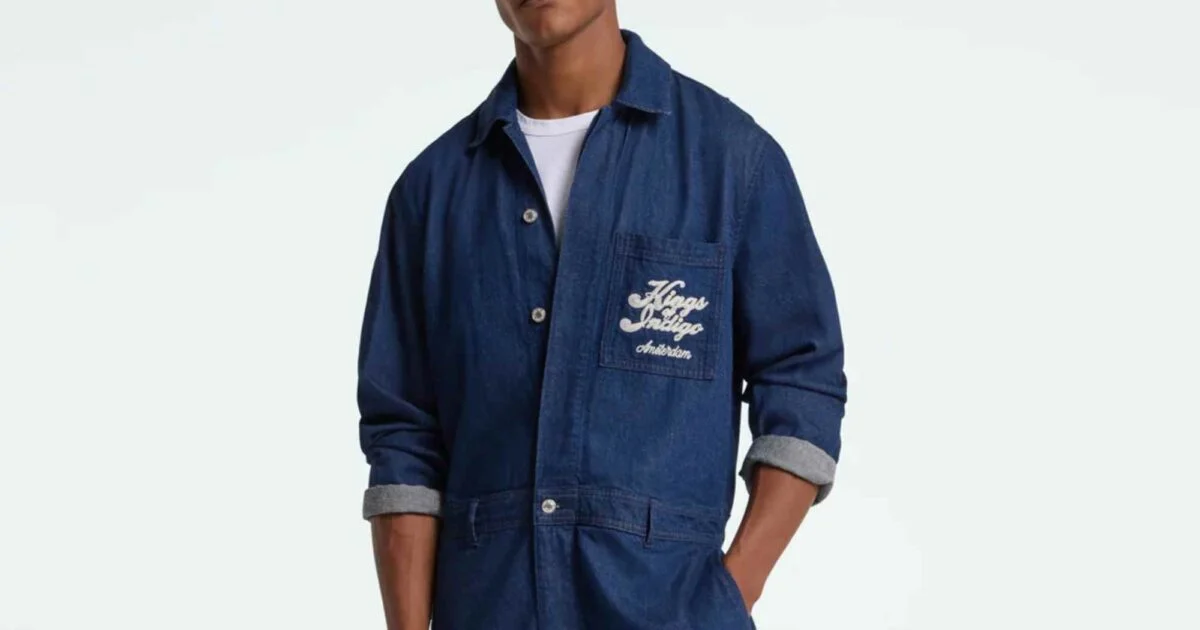
Editor’s note: Feature image via Kings of Indigo, all other images via brands mentioned. Good On You publishes the world’s most comprehensive ratings of fashion and beauty brands’ impact on people, the planet, and animals. Use the directory to search thousands of rated brands.
We updated this article on 12 February 2026. Our editors frequently make updates to articles to ensure they’re up to date. We updated the workwear guide and refreshed our selection of brands.