





The global fashion landscape is undergoing a significant transformation, driven by a growing consumer awareness of the industry’s environmental and social footprint. As more individuals seek to align their purchasing decisions with their personal values, the demand for sustainable fashion has surged. However, this burgeoning movement has frequently encountered significant barriers to accessibility, particularly concerning size inclusivity and affordability. Many ethical brands, while commendable in their efforts, have historically struggled to offer extended sizing or price points that cater to a broad demographic, leaving a considerable segment of the population feeling excluded from the sustainable fashion conversation. This article delves into these critical challenges and highlights pioneering brands that are actively working to bridge this gap, offering ethically produced garments that are both size-inclusive and economically accessible.
The Dual Challenge: Size Inclusivity and Affordability in Ethical Fashion
The journey towards a truly equitable and sustainable fashion industry is multifaceted, requiring systemic changes that address both production practices and consumer accessibility. Two of the most persistent hurdles identified by consumers and advocates alike are the limited availability of size-inclusive options and the perceived high cost of ethical garments. These issues often compound, making it particularly daunting for individuals with specific sizing or budget needs to engage with sustainable fashion.
The Struggle for Size-Inclusive Sustainable Options
Historically, the mainstream fashion industry has been criticized for its narrow representation of body types, largely catering to a limited range of sizes. This exclusionary practice has been mirrored, and at times exacerbated, within the nascent sustainable fashion sector. While the body positivity movement has gained significant momentum in recent decades, advocating for the acceptance and celebration of all body shapes and sizes, its convergence with the ethical fashion movement has been slow. Critics argue that despite their shared values of equity and justice, these movements have often failed to fully integrate, leaving plus-size shoppers with limited sustainable choices.
Data indicates that the average American woman, for example, wears a size 16-18, a demographic often categorized as "plus-size." Yet, a substantial portion of fashion brands, including many sustainable labels, cap their sizing at XL or 2XL, effectively alienating a significant market segment. This oversight is not merely a matter of marketing; it reflects underlying challenges in design, production, and investment. Developing extended size ranges requires additional investment in pattern making, fit modeling, and potentially different material allocations, which smaller, independent sustainable brands, often operating on tighter margins, may find difficult to absorb. Industry analysts suggest that brands failing to embrace size inclusivity are not only missing out on a lucrative market—the global plus-size clothing market was valued at over $200 billion in recent years and is projected to grow further—but are also undermining the very principles of fairness and accessibility that define ethical fashion. Advocates emphasize that true sustainability must encompass social equity, meaning fashion that is accessible and empowering for all bodies.
Demystifying the Price Tag: Understanding Affordability in Ethical Apparel
Another significant barrier to widespread adoption of sustainable fashion is its perceived high price point, especially when juxtaposed against the "ridiculously low prices" of fast fashion. This perception, however, often overlooks the true cost embedded in ethically produced garments. The price tag of a sustainable item reflects a commitment to fair labor practices, responsible sourcing, and environmentally sound production methods—costs that are frequently externalized or circumvented by fast fashion brands.
For instance, paying living wages to garment workers, ensuring safe working conditions, and investing in audited and certified suppliers all contribute to higher production costs. Similarly, utilizing lower-impact materials like organic cotton, recycled fabrics, or innovative bio-materials, and employing eco-friendly dyeing processes, are often more expensive than conventional, environmentally damaging alternatives. These practices stand in stark contrast to the fast fashion model, which thrives on rapid production cycles, cheap labor, and synthetic materials, resulting in garments that are inexpensive at the point of sale but carry significant hidden environmental and social costs.
To combat the sticker shock, proponents of sustainable fashion often advocate for the "cost per wear" rule. This economic principle encourages consumers to evaluate an item’s value not by its initial price, but by how many times it can be worn and enjoyed. A high-quality, ethically made garment, though more expensive upfront, is designed for durability and longevity, leading to a much lower cost per wear over its lifespan compared to a cheaply made, disposable fast fashion item. For example, a $100 ethical dress worn 50 times costs $2 per wear, whereas a $20 fast fashion dress worn only 5 times before falling apart costs $4 per wear. This perspective shifts consumer mindset from quantity to quality, promoting mindful consumption and long-term financial savings. Furthermore, investing in versatile, timeless pieces that can be styled in multiple ways further enhances their cost per wear, offering both economic and environmental benefits.
Empowering the Ethical Consumer: Strategies for Value-Aligned Shopping
Recognizing these challenges, a growing number of brands and consumer initiatives are striving to make ethical fashion more inclusive and affordable. Beyond supporting emerging sustainable labels, consumers have several avenues to align their wardrobe with their values without breaking the bank or compromising on fit.
Beyond New Purchases: The Power of Circular Fashion
While discovering new ethical brands is exciting, industry experts consistently emphasize that purchasing second-hand clothing remains one of the most sustainable options available. The circular economy model, which prioritizes reuse, repair, and recycling, significantly reduces the environmental impact associated with new production. Platforms like Vestiaire Collective, eBay, thredUP, Thrift+, Depop, and Vinted have democratized access to pre-owned fashion, offering a vast array of styles, sizes, and brands at accessible price points. These marketplaces not only provide affordable alternatives but also extend the lifecycle of garments, diverting them from landfills. For plus-size consumers, specialized platforms such as The Plus Bus Boutique offer curated second-hand options, further addressing the inclusivity gap.
Beyond second-hand, consumers are encouraged to rediscover and restyle existing garments, engage in clothing swaps, or learn basic repair skills to extend the life of their wardrobe. This shift towards conscious consumption, coupled with the growing availability of affordable and size-inclusive ethical brands, is pivotal in making sustainable fashion a reality for everyone.
Leading the Charge: Brands Championing Inclusivity and Value
Despite the industry’s persistent challenges, a cohort of pioneering brands is actively working to dismantle barriers to entry, proving that ethical fashion can indeed be accessible to all. These brands, meticulously assessed by independent ratings systems like Good On You, demonstrate a commitment to both social and environmental responsibility, alongside a dedication to broader sizing and reasonable pricing.
Yes Friends
Price: $
Sizing: 2XS – 4XL
Yes Friends, a UK-based fashion brand, has distinguished itself by making sustainable, ethical, and notably affordable clothing. Their business model, which leverages large-scale production and a direct-to-consumer approach, enables them to offer high-quality garments, such as organic cotton t-shirts, at remarkably low prices (e.g., £7.99 for a t-shirt that costs less than £4 to make). This strategy directly challenges the notion that ethical fashion must be expensive, demonstrating that fair wages and responsible production can coexist with accessible pricing. Their extensive size range, spanning from 2XS to 4XL, further solidifies their commitment to inclusivity, ensuring a wide array of body types can access their ethically made essentials.
Q for Quinn
Price: $
Sizing: XS – 3XL
Q for Quinn focuses on creating sustainable, non-toxic, and eczema-friendly clothing for all ages, prioritizing health and comfort alongside ethical production. Their commitment to using organic and responsibly sourced materials for their essentials aligns with core sustainable values. The brand’s sizing, from XS to 3XL, offers a respectable range for individuals seeking conscious choices in comfortable, everyday wear. By specializing in essentials, Q for Quinn makes sustainable choices straightforward for consumers looking to build a foundational wardrobe of ethically produced, skin-friendly garments.
Joyya
Price: $
Sizing: XS – 4XL
Joyya represents a powerful fusion of social enterprise and sustainable apparel manufacturing. This New Zealand-based brand, with roots in Kolkata, India, goes beyond simply making organic apparel; it actively creates dignified employment opportunities in communities affected by extreme poverty and human trafficking. By providing stable, fair-wage jobs, Joyya transforms lives and fosters economic stability. Their organic apparel, offered in sizes XS to 4XL, serves as a tangible product of their broader mission, allowing consumers to directly contribute to social change with every purchase. This model exemplifies how fashion can be a force for profound positive impact.
SeamsFriendly
Price: $$
Sizing: 4XS – 16XL and beyond through custom sizing (at no extra cost), with height options
SeamsFriendly stands out for its exceptional commitment to size inclusivity and personalized fit. The brand creates beautifully tailored clothes designed to flatter all body types, with an unparalleled sizing range from 4XS to an astounding 16XL, and even offering custom sizing at no extra charge. This innovative approach addresses a critical need in the ethical fashion market, where standard extended sizing often falls short. By focusing on function and utility in designs and utilizing lower-impact materials like organic cotton and linen, SeamsFriendly ensures sustainability is woven into every garment. Furthermore, their unique customization options—allowing shoppers to alter necklines, sleeve lengths, fabric choices, and more—empower consumers to create truly unique, perfectly fitting, and long-lasting pieces, aligning perfectly with the principles of conscious consumption and reduced waste.
Purusha People
Price: $$
Sizing: XS – 4XL
Purusha People infuses activewear with thoughtful, dainty details, offering a range of organic, plant-based pieces designed for comfort and performance. Their commitment to using lower-impact materials ensures that their activewear not only supports a healthy lifestyle but also a healthier planet. With sizing extending to 4XL, Purusha People makes ethical and aesthetically pleasing activewear accessible to a broader audience, encouraging more individuals to choose sustainable options for their fitness and wellness routines.
Miakoda
Price: $$
Sizing: XS – 4XL
NYC-based Miakoda caters to those embracing an organic, plant-based lifestyle, offering a collection of cozy, organic active and loungewear. The brand’s stripped-back colors and minimalist designs prioritize comfort and versatility, making their pieces ideal for both exercise and relaxation. By offering sizes from XS to 4XL, Miakoda ensures that its consciously crafted garments are available to a diverse customer base, reinforcing the idea that sustainable comfort should be universally accessible.
Happy Earth
Price: $$
Sizing: XS – 3XL
Happy Earth Apparel is a US-based organic-clothing brand deeply inspired by nature and dedicated to its preservation. As a Certified B Corp, the brand demonstrates a holistic commitment to social and environmental performance. Happy Earth is vegan, traces most of its supply chain, and employs lower-impact materials and low-waste cutting techniques. Their size range of XS to 3XL supports their mission of making sustainable choices available to more people who share their values for planetary well-being.
Kotn
Price: $$
Sizing: XS – 2XL
Certified B Corp Kotn, based in Canada, goes beyond creating beautifully made garments from ethically sourced materials. The brand is deeply invested in social impact, partnering with local NGOs in the Nile Delta to provide quality education for children in their farming communities, directly addressing low literacy rates. Every purchase not only secures a sustainable garment but also contributes to funding school infrastructure, educational materials, and teacher salaries. While their sizing extends to 2XL, Kotn’s profound social mission and commitment to transparency make them a standout choice for conscious consumers.
PACT
Price: $$
Sizing: XS – 2XL
PACT is a brand passionately dedicated to transforming apparel manufacturing through ethical practices. All of their clothing is produced in sweatshop-free and child-labor-free environments, ensuring human dignity is at the forefront. Their activewear range, largely crafted from certified organic cotton, with over 50% also Fair Trade certified, exemplifies their commitment to both environmental and social responsibility. PACT offers sizes from XS to 2XL, providing accessible and ethically produced everyday essentials for a broad consumer base.
Subset (Knickey)
Price: $$
Sizing: 2XS – 4XL
Subset, formerly known as Knickey, specializes in organic cotton underwear sets produced in a Fairtrade certified factory. Their dedication to ethical production ensures fair wages and safe working conditions for garment workers. Beyond production, Subset champions circularity by partnering with an NYC non-profit to recycle old undergarments, transforming fibers into insulation and rug pads. With a size range spanning from 2XS to 4XL, Subset offers comfortable, sustainable, and truly circular intimates for a wide demographic.
Amble Outdoors
Price: $$
Sizing: XS – 4XL
Amble Outdoors (formerly Team Timbuktu), an Australian brand, combines high performance with environmental responsibility. They create waterproof raincoats and sweat-wicking outdoor wear from recycled plastic bottles, demonstrating a strong commitment to circular material use. Their sizing, from XS to 4XL, ensures that adventurers and outdoor enthusiasts of various body types can find sustainable gear that meets their needs, promoting conscious choices even in specialized apparel categories.
Smartwool
Price: $$
Sizing: XS – 4X
Smartwool, a Colorado-based outdoors brand, is renowned for its base layers and clothing made from ZQ Merino certified merino wool. Their focus on high-performance materials and ethical sourcing of wool ensures both quality and animal welfare. Best known for their performance merino wool ski socks, Smartwool also offers apparel in sizes XS to 4X, catering to a diverse range of outdoor enthusiasts seeking sustainable and functional clothing.
Big Bud Press
Price: $$
Sizing: 2XS – 6XL
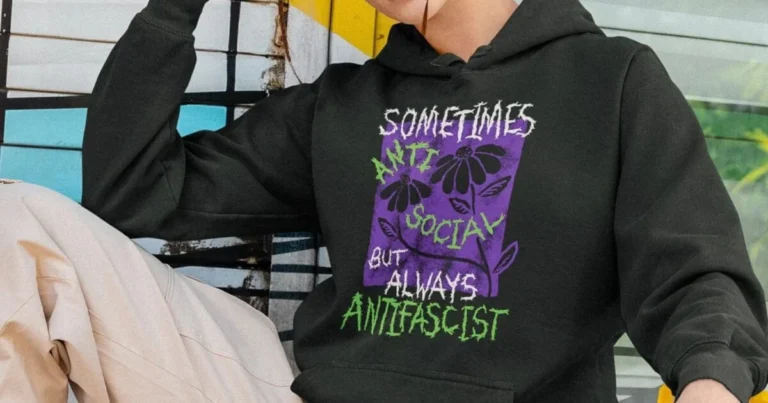
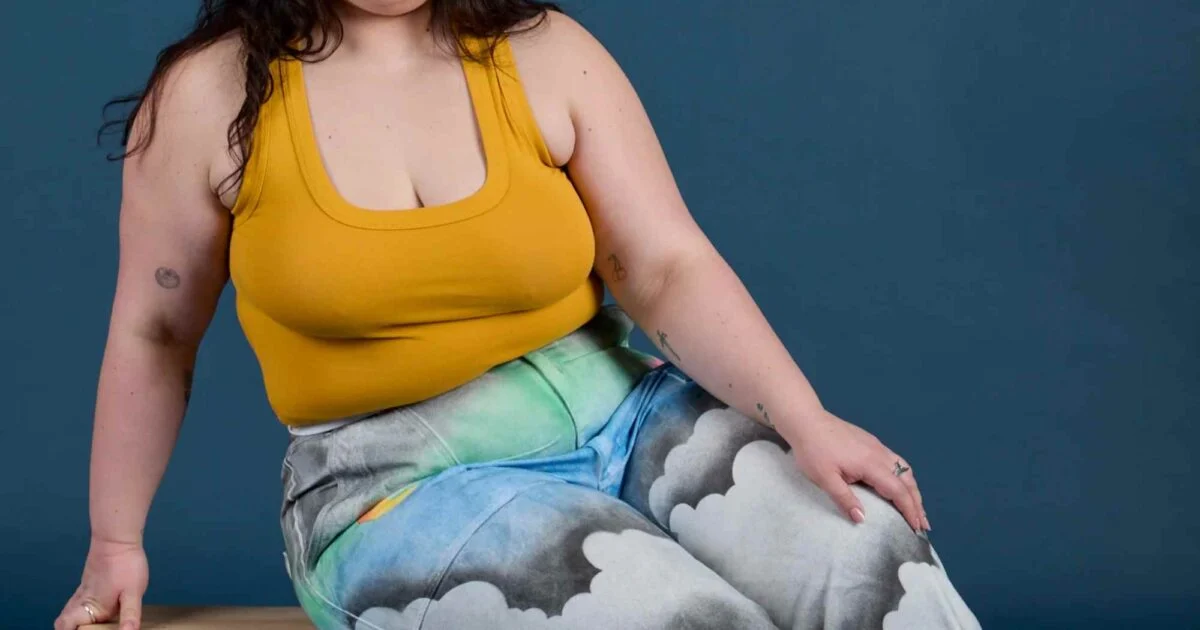
LA-based Big Bud Press is celebrated for its vibrant, colourful, and truly size-inclusive unisex clothing. Their extensive size range, from 2XS to 6XL, ensures that their foundational wardrobe pieces are accessible to nearly everyone. The brand traces most of its supply chain and, while not explicitly vegan, appears to avoid animal-derived materials, aligning with broader ethical considerations. Big Bud Press exemplifies how fashion can be both expressive and responsible, catering to diverse body types without compromise.
Known Supply
Price: $$
Sizing: XS – 4XL
Known Supply is a US-based, B Corp certified sustainable fashion brand with a powerful mission: to humanize the apparel industry. They achieve this by celebrating the individuals who craft our clothing and those who wear it, fostering a transparent and personal connection in the supply chain. Their ethical production practices are paired with a size range from XS to 4XL, making their thoughtfully designed garments available to a wide customer base. Known Supply’s approach highlights the importance of human connection and transparency in the pursuit of sustainable fashion.
Etiko
Price: $$
Sizing: 2XS – 3XL
Etiko, an Australian designer of organic and Fair Trade clothing and shoes, consistently sets a high standard for ethical practices. The brand is a vocal advocate for the human rights of workers within traditionally exploitative industry supply chains, ensuring fair wages and safe conditions. Their commitment extends to using organic and Fair Trade certified materials across their range. With sizing from 2XS to 3XL, Etiko offers a comprehensive selection of ethically produced garments and footwear, proving that style, ethics, and inclusivity can harmoniously coexist.
Seek Collective
Price: $$$
Sizing: XS – 4XL
Seek Collective is a US brand dedicated to thoughtfully made items, prioritizing transparency, authenticity, craft, and sustainability. Their unique approach focuses on establishing deep connections between art, product, consumers, and makers. Collaborating with like-minded communities and artisans in India, Seek Collective ensures their production processes are respectful and ethical. While positioned at a higher price point, reflecting the intricate craftsmanship and ethical sourcing, their commitment to a size range from XS to 4XL underscores their dedication to making their artisanal, sustainable pieces available to a broader audience.
The Path Forward: Broader Implications and Industry Evolution
The emergence and growing visibility of affordable and size-inclusive sustainable fashion brands signal a crucial evolution within the industry. This shift carries significant implications for both consumers and the broader fashion ecosystem. For consumers, it means greater empowerment, allowing more individuals to participate in the ethical fashion movement without facing prohibitive cost or fit barriers. This increased accessibility is vital for mainstreaming sustainable practices and fostering a culture of conscious consumption.
For the fashion industry, these pioneering brands serve as a compelling blueprint. They demonstrate that ethical production, fair labor, and environmental responsibility do not inherently preclude affordability or size inclusivity. Their success pressures larger, conventional brands to re-evaluate their own practices, encouraging a move away from fast fashion’s exploitative models towards more equitable and sustainable approaches. The continued growth of the circular economy, coupled with a renewed focus on consumer education about the true cost of clothing, will further accelerate this transformation. As demand for truly inclusive and ethical options grows, the industry will be compelled to adapt, ultimately leading to a more just, sustainable, and accessible fashion future for all.
Editor’s note: Feature Image via Big Bud Press, all other images via brands mentioned. Good On You publishes the world’s most comprehensive ratings of fashion brands’ impact on people, the planet, and animals. Use our directory to search thousands of rated brands. This article was updated on 9 July 2026. Our editors frequently make updates to articles to ensure they’re up to date. We refreshed our selection of products to ensure we’ve got top picks from brands with recent ratings.