









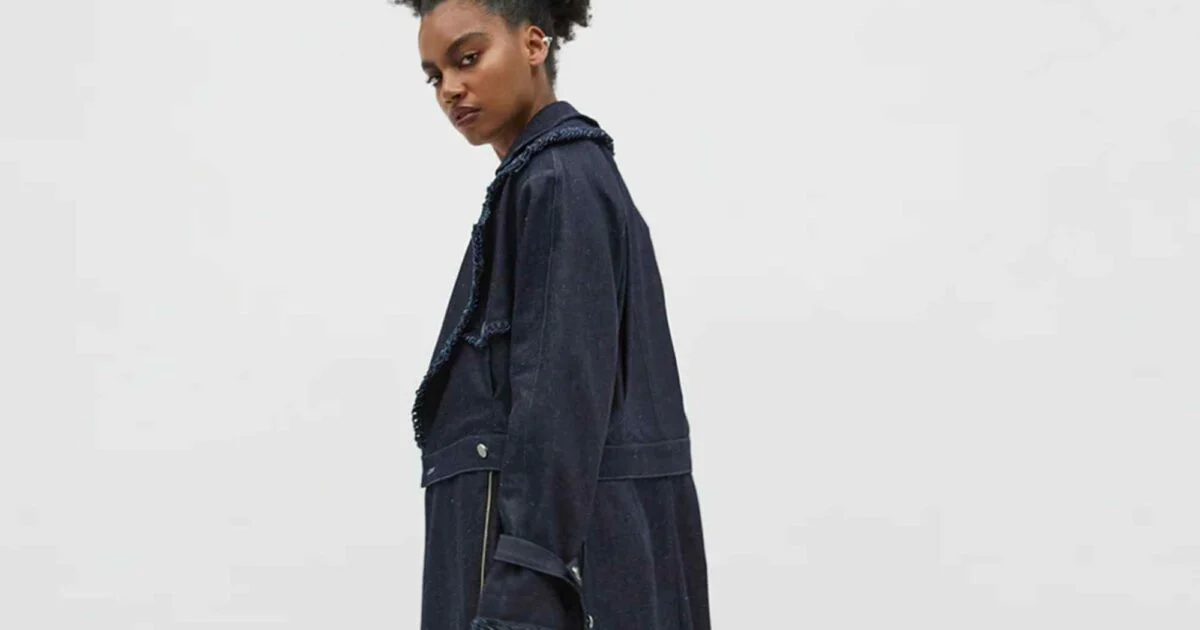
The intersection of modest fashion and sustainability has emerged as a significant force in the global apparel industry, driven by a growing consumer demand for clothing that aligns with both personal values and ethical production standards. Once considered a niche market, modest dressing has rapidly gained prominence in mainstream fashion over recent years, prompting a necessary conversation about its environmental and social footprint. This evolution has spurred a curated selection of brands dedicated to offering stylish, high-quality, and ethically produced options for individuals who prefer covering up, from flowing maxi dresses and sophisticated co-ords to essential tights and versatile headscarves.
Understanding the Nuances of Modest Dressing
Modest dressing, at its core, refers to wearing clothing that covers a substantial part of the body and is often loose-fitting. However, its definition extends far beyond mere coverage. It is a profound expression of cultural identity, religious adherence, and personal style. For many, modest dressing is deeply rooted in faith traditions, reflecting principles of humility, respect, and inner focus. Yet, its appeal is not confined to religious communities; individuals from all backgrounds are increasingly adopting modest fashion as a conscious lifestyle choice. This trend underscores a broader societal shift towards dressing according to one’s unique values, prioritising comfort, self-expression, and a deliberate rejection of overly revealing or trend-driven styles. The rise of social media influencers and fashion platforms has played a pivotal role in showcasing the versatility and elegance of modest dressing, demonstrating that covering up can be inherently chic and empowering. This movement celebrates personal autonomy in fashion, allowing individuals to define their own comfort and confidence through their clothing choices.
The Critical Need for Sustainability in Fashion
The fashion industry is notoriously one of the most polluting sectors globally, making the integration of sustainable practices an urgent imperative across all its segments. Annually, the industry is responsible for approximately 10% of global carbon emissions, more than international flights and maritime shipping combined. Textile waste is another colossal issue, with an estimated 92 million tonnes of textile waste generated each year, much of which ends up in landfills where it can take hundreds of years to decompose, releasing harmful greenhouse gases. Water consumption is equally staggering; producing a single cotton t-shirt can require up to 2,700 litres of water, while a pair of jeans can demand over 7,500 litres. Beyond environmental degradation, the industry is frequently criticised for its pervasive social injustices, including exploitative labour practices, unsafe working conditions, and inadequate wages for garment workers in developing countries.
For the modest fashion sector, embracing sustainability means addressing these challenges head-on. It involves a commitment to using lower-impact materials such as organic cotton, linen, recycled fabrics, and deadstock textiles, which significantly reduce the demand for virgin resources and minimise waste. Sustainable production also entails processes that conserve water, minimise chemical use, and reduce energy consumption. Crucially, it mandates ethical labour practices, ensuring fair wages, safe environments, and respect for human rights throughout the supply chain. As consumers become more aware of these complex issues, the demand for brands that offer both modest aesthetics and verifiable ethical credentials has surged, transforming what was once a quiet preference into a powerful market force.
Modest Fashion’s Ascent: A Timeline of Mainstream and Ethical Integration
The journey of modest fashion from culturally specific attire to a global style phenomenon, intertwined with the principles of sustainability, has been dynamic:
- Historically (Pre-2000s): Modest dressing was predominantly influenced by religious and cultural traditions, with local artisans and tailors often fulfilling specific community needs. Fashion trends largely overlooked this segment.
- Early 2000s – Mid-2010s: Emergence of Online Communities and Influencers: The advent of the internet and social media platforms provided a crucial space for modest fashion enthusiasts to connect, share styles, and build communities. Bloggers and early influencers began showcasing diverse interpretations of modest wear, demonstrating its stylistic potential. This period saw the initial rumblings of mainstream recognition as these online voices garnered significant followings.
- Mid-2010s – Late 2010s: Mainstream Acknowledgment and Retail Expansion: Major global retailers and high-fashion brands started to take notice of the burgeoning modest fashion market. Campaigns featuring hijab-wearing models gained traction, and some brands began releasing dedicated "Ramadan collections" or incorporating modest silhouettes into their broader offerings. The global modest fashion market was valued at an estimated $283 billion in 2018 and projected to reach $402 billion by 2024, signaling its undeniable economic power. This commercial recognition, however, often came from fast fashion giants, raising initial concerns about ethical production.
- Late 2010s – Present: The Sustainability Imperative: As global awareness of climate change and social inequality intensified, consumers across all demographics, including those interested in modest fashion, began demanding greater transparency and ethical responsibility from brands. This period marked the critical convergence of modest fashion and sustainability. The focus shifted from merely offering modest clothing to providing ethically made modest clothing. Rating systems like Good On You gained prominence, empowering consumers to make informed choices. This era is defined by the growth of independent, purpose-driven brands that build their business models around both modest design and sustainable practices.
Confronting Fast Fashion: The Call for Ethical Alternatives
Despite the positive developments, a quick online search for "modest dressing" often yields top results from "We Avoid"-rated fast fashion behemoths like Temu and SHEIN. These brands, notorious for their rapid production cycles, low prices, and significant environmental and social costs, present a dilemma for conscious consumers seeking modest options. While they may offer a vast array of styles that fit a modest aesthetic, their business models are fundamentally antithetical to sustainability. They contribute to overproduction, excessive waste, and often rely on opaque supply chains where labour exploitation is rampant.
However, a robust ecosystem of more sustainable brands is actively addressing this gap. Industry experts and sustainability advocates consistently highlight the importance of supporting brands that prioritise ethical sourcing, fair labour, and environmental stewardship. Organisations like Good On You provide rigorous ratings, offering consumers a clear, fact-based assessment of a brand’s impact on people, the planet, and animals. This independent analysis empowers buyers to make choices that genuinely support a more equitable and sustainable fashion future. The increasing availability of these ethical alternatives signals a promising shift away from the unsustainable practices of fast fashion, demonstrating that style and values can coexist without compromise.
Pioneering Brands in Sustainable Modest Fashion
A growing number of brands are leading the charge in sustainable modest dressing, proving that elegance, coverage, and ethical production can go hand-in-hand. These companies are not only crafting beautiful garments but are also building business models rooted in transparency, environmental responsibility, and social equity.
-
BASTET NOIR (Rated ‘Good’) stands out with its commitment to circularity. Hailing from Macedonia, the brand creates modular 3-piece sets from deadstock fabrics, produced in limited runs. This approach significantly reduces textile waste and overproduction, aligning with principles of a circular economy. Their focus on custom sizing (36-42 and custom) further ensures a perfect fit, promoting longevity and reducing returns.
-
For foundational pieces, NUDEA (Rated ‘Good’) from the UK offers sustainable sleep and underwear. Recognising that modest dressing often involves layering, NUDEA ensures that what’s worn closest to the skin is crafted from lower-impact materials with a partly traceable supply chain, prioritising comfort and ethical origins.
-
Printfresh (Rated ‘Good’), a US-based, majority woman-owned business, offers sleepwear, apparel, and lifestyle items inspired by nature. Their commitment to inclusive sizing (2XS-6XL) and unique, vibrant prints makes modest fashion accessible and joyful, moving beyond conventional aesthetics.
-
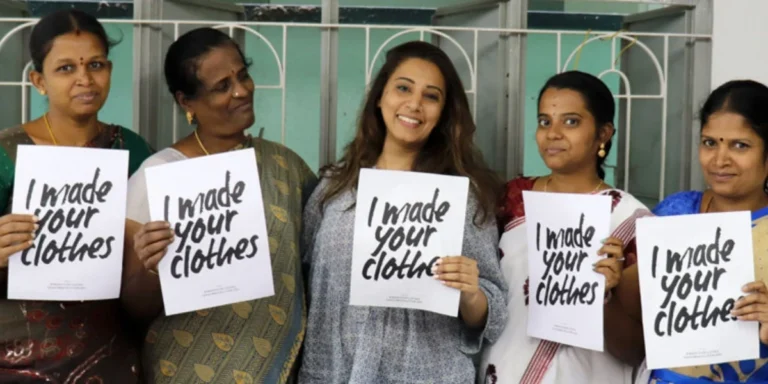
Indian brands like Oshadi (Rated ‘Good’), The Summer House (Rated ‘Good’), SUI (Rated ‘Good’), and I was a Sari (Rated ‘Good’) collectively represent a powerful movement towards local sourcing and artisan empowerment. Oshadi, meaning "essence of nature," focuses on local sourcing, sewing, and dyeing, building a model that prioritises people and the planet. The Summer House similarly partners with local artisans, utilising locally made, lower-impact fabrics and offering elegant prints and flowing silhouettes. SUI crafts its gorgeous womenswear in a Delhi workshop, ensuring close oversight of production. I was a Sari embodies circularity by transforming used saris and deadstock fabrics into vibrant new products, providing employment and preserving traditional craftsmanship. These brands not only offer beautiful, modest pieces but also foster economic development and cultural preservation.
-
Whimsy + Row (Rated ‘Good’), a US-based lifestyle brand, embraces deadstock fabrics and short production runs, actively reducing waste and conserving water. Their Californian aesthetic, often featuring maxi dresses and versatile separates, appeals to a broad audience seeking ethical, stylish options with extended sizing up to 3XL.
-
Kotn (Rated ‘Good’), a Certified B Corp from Canada, exemplifies social responsibility. Beyond crafting beautifully made garments from organic cotton, Kotn works with local NGOs in the Nile Delta to fund school infrastructure, materials, and teacher salaries, directly impacting the communities that grow their cotton. Similarly, No Nasties (Rated ‘Good’) from India makes simple, stylish clothing from Fairtrade organic cotton, actively working to grow the ethical consumer market. Ninety Percent (Rated ‘Good’), a British label, goes a step further by sharing 90% of its distributed profits with charitable causes and those who make their collections, embedding social impact into its core business model. These brands demonstrate that fashion can be a force for positive change.
-
OMNES (Rated ‘Good’), a UK-based brand, is dedicated to making responsible womenswear more affordable and accessible. Their mission to "change the way you shop, wear, and think about clothing" resonates with the broader sustainable movement, encouraging mindful consumption.
-
SeamsFriendly (Rated ‘Good’) from India innovates with customisable designs. Recognising that a perfect fit contributes to garment longevity, they allow shoppers to alter necklines, sleeve lengths, garment lengths, and fabrics. This made-to-order approach, combined with extensive custom sizing (bust 26"-70" for women, chest 34"-76" for men, and a kids’ range), drastically reduces waste associated with ill-fitting clothes and returns, making them a leader in truly inclusive and sustainable practices.
-
Reformation (Rated ‘Good’), based in Los Angeles, famously creates "killer clothes that don’t kill the environment." They focus on ensuring a proportion of their suppliers pay a living wage and provide training to improve working conditions, addressing critical social aspects of sustainability. Their range, available in sizes XS-3XL, includes many modest-friendly options.
-
Finally, ESSÄN (Rated ‘Good’) from Europe challenges the relentless fashion calendar by offering a single, permanent collection of shoes and accessories. By limiting production runs and using low-waste cutting techniques, founder Marre Muijs actively pushes back against overproduction and promotes the value of carefully crafted, timeless classics that complement a modest wardrobe, such as their long riding boots.
Broader Impact and Future Implications
The flourishing of sustainable modest fashion brands carries significant implications across environmental, social, economic, and cultural spheres. Environmentally, the shift towards lower-impact materials, deadstock utilisation, and reduced waste generation contributes to a healthier planet by mitigating pollution and conserving resources. Socially, these brands champion fair labour practices, empower artisans, and foster transparent supply chains, improving the livelihoods of countless individuals in the garment industry. Economically, they demonstrate the viability and growth potential of a conscious consumer market, pushing larger industry players to re-evaluate their practices.
Culturally, sustainable modest fashion is a powerful statement. It challenges the notion that modest attire is monolithic or outdated, instead presenting it as a dynamic, diverse, and deeply personal choice that can be both fashionable and responsible. It also empowers individuals to express their identities without compromising their values, fostering a more inclusive and representative fashion landscape.
As consumer awareness continues to grow and technological advancements make sustainable production more feasible, the integration of modest fashion within the broader sustainable movement is set to deepen. The future of fashion increasingly lies in its ability to offer choices that honour personal values, respect cultural diversity, and protect the planet. The brands highlighted here are not just selling clothes; they are selling a vision of a more ethical, inclusive, and sustainable future for fashion.
Editor’s note: Feature image via Bastet Noir, all other images from the brands mentioned. Good On You publishes the world’s most comprehensive ratings of fashion brands’ impact on people, the planet, and animals. Use our directory to search thousands of rated brands.
This article was updated on 18 February 2026. Our editors frequently make updates to articles to ensure they’re up to date. We refreshed our round-up to ensure the products and brands are current.