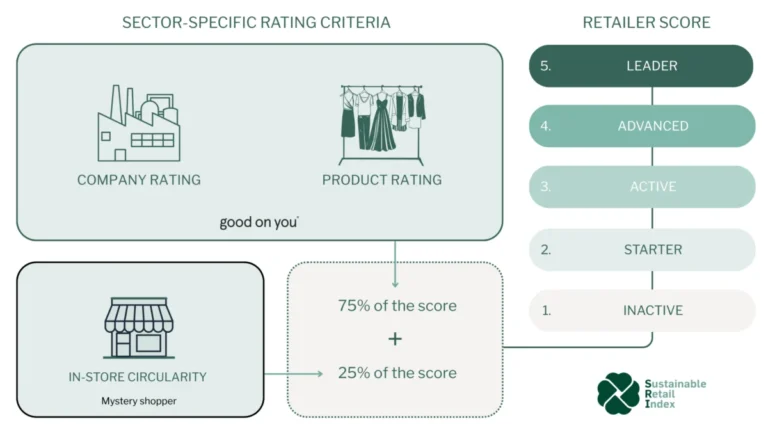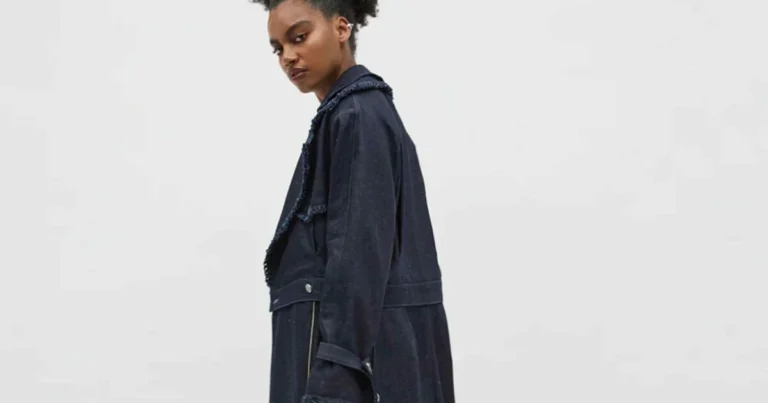












Massimo Dutti, often positioned as the more mature and refined sibling within the Inditex conglomerate, has once again received a middling "It’s a Start" rating from our rigorous sustainability assessment system. This evaluation, consistent in our latest review and based on data published in January 2026, prompts a deeper inquiry into whether its "elevated" brand perception translates into genuinely sustainable practices, or if it merely represents a higher-priced segment of the pervasive fast fashion model. Our editors meticulously curate and assess brands to provide consumers with transparent insights, and purchases made through our links help support this independent research.
The Inditex Portfolio and Massimo Dutti’s Market Position
Founded in Spain in the mid-1980s as a menswear label, Massimo Dutti was acquired by Inditex, the global fashion behemoth and parent company of Zara, a decade later. This acquisition integrated Massimo Dutti into one of the world’s largest fashion retailers, granting it access to a vast supply chain and distribution network. Today, the brand operates 643 stores worldwide and boasts an online presence across 215 markets, selling both men’s and women’s apparel. Its market strategy is distinct from Zara’s hyper-trendy, rapid-turnaround model, aiming instead for a classic, sophisticated aesthetic often described as "expensive-looking" and "chic." This positioning suggests a perceived higher quality and more enduring style, a deliberate move to differentiate it from its faster-paced sister brands like Zara, Bershka, and Pull&Bear. However, the critical question remains: does this aspirational branding truly reflect a departure from the unsustainable core tenets of fast fashion?
Dissecting the "It’s a Start" Rating: Environmental Performance
The "It’s a Start" rating signifies that while Massimo Dutti has initiated some efforts towards sustainability, these are not yet comprehensive or sufficiently impactful to earn a higher grade. In terms of environmental impact, the brand reportedly uses a "medium proportion" of lower-impact materials. While the specific percentage is not publicly detailed, this typically includes certified organic cotton, recycled polyester, or more sustainable alternatives to conventional materials like Lenzing Ecovero viscose. Publishing breakdowns of certified materials on its website is a positive step towards transparency. However, a "medium proportion" often means that a significant portion of its overall material usage still relies on conventional, high-impact resources. For instance, the production of conventional cotton is notoriously water-intensive and often involves significant pesticide use, while virgin polyester is derived from fossil fuels. To achieve a truly reduced environmental footprint, brands need to aggressively scale up their use of preferred materials, moving beyond a "medium proportion" to a majority or exclusive use.
A notable commitment from Massimo Dutti was the pledge to eliminate hazardous chemicals from its supply chain after 2025. This aligns with broader industry initiatives like the ZDHC (Zero Discharge of Hazardous Chemicals) Roadmap, which aims to phase out harmful substances in textile and footwear production. However, our latest review found no concrete evidence or public reporting to confirm that this ambitious goal has been achieved. The absence of verifiable data raises concerns about the brand’s follow-through on its environmental promises. The fashion industry is a significant polluter, with chemical discharges from dyeing and finishing processes contaminating waterways and posing risks to both ecosystems and human health. Therefore, the successful implementation and transparent reporting of hazardous chemical elimination are paramount for any brand claiming sustainable practices.
Furthermore, Massimo Dutti has stated a science-based target (SBT) to reduce its greenhouse gas (GHG) emissions. Science-based targets provide a clearly defined pathway for companies to reduce emissions in line with the Paris Agreement goals, aiming to limit global warming to well-below 2°C above pre-industrial levels and pursuing efforts to limit it to 1.5°C. While setting such a target is commendable, our assessment indicates a lack of publicly available evidence regarding the brand’s progress towards this goal. Without transparent reporting on emissions reductions across its operations and supply chain, the effectiveness and seriousness of this commitment remain unverified. The textile industry accounts for an estimated 4-10% of global GHG emissions, making verifiable climate action a critical component of genuine sustainability.
Social Responsibility and Labor Practices: The Unanswered Questions
Beyond environmental considerations, the social dimension of sustainability, particularly fair labor practices, remains a significant challenge for large-scale fashion retailers. Massimo Dutti states that it audits some of its supply chain, specifically all of the final production stage. While auditing is a necessary step, focusing solely on the final production stage leaves a considerable portion of the supply chain unverified, including raw material extraction, spinning, weaving, and dyeing processes, where some of the most severe labor abuses and environmental impacts often occur. A truly responsible brand would extend its auditing and due diligence across its entire supply chain to ensure ethical conditions at every tier.
The brand also claims to have a program in place to improve wages for workers in its supply chain. However, our review found no concrete evidence to suggest that workers are actually being paid living wages. A "living wage" is defined as the remuneration received for a standard workweek by a worker in a particular place sufficient to afford a decent standard of living for the worker and their family. This includes food, water, housing, education, healthcare, transportation, clothing, and other essential needs, including provisions for unexpected events. It is significantly different from, and often higher than, the minimum wage, which is frequently insufficient to cover basic living costs in many manufacturing countries. The lack of verifiable evidence regarding living wage payments is a critical transparency gap, as worker exploitation and poverty wages are endemic issues within the global fashion supply chain. Without transparent reporting and independent verification, claims of wage improvement programs can lack credibility.
The Paradox of "Elevated" Fast Fashion
Despite its attempts to cultivate an "elevated" image, Massimo Dutti’s fundamental business model still aligns with key characteristics of fast fashion. While its product "drops" might be less frequent than Zara’s, and its discounting practices not as aggressive, it still produces "huge volumes" of clothing. This high volume production is inherently at odds with sustainable consumption patterns. The fast fashion model thrives on encouraging consumers to buy more, more frequently, leading to massive overproduction and textile waste. The global textile waste crisis sees millions of tons of clothing discarded annually, much of which ends up in landfills or incinerators, contributing to pollution and resource depletion.
The brand’s reliance on "heavy discounting," even if less pronounced than Zara’s, is another indicator of a system built on excess inventory and rapid turnover. Discounts are often employed to clear stock quickly to make way for new collections, perpetuating a cycle of consumption that prioritizes quantity over durability and timelessness. This contrasts sharply with slow fashion principles, which advocate for fewer, higher-quality garments designed to last and be cherished for longer.
Ultimately, Massimo Dutti, as a significant entity within the Inditex group, contributes to an industry that has profound negative impacts on people, the planet, and animals. Its opaque reporting on crucial sustainability metrics, particularly regarding hazardous chemical elimination, GHG emissions progress, and living wages, makes it challenging for consumers to make truly informed choices. The gap between its sophisticated brand image and its verifiable sustainability performance underscores the ongoing challenge of greenwashing and the need for greater corporate accountability in the fashion sector.
The Imperative for Transparency and Accountability
The findings from our review highlight a crucial demand from consumers and advocacy groups alike: greater transparency and verifiable accountability from fashion brands. In an era where climate change, social inequality, and resource depletion are pressing global concerns, companies are increasingly expected to demonstrate tangible progress towards ethical and sustainable operations. Massimo Dutti’s "It’s a Start" rating serves as a reminder that initial commitments are merely the first step; robust implementation, continuous improvement, and clear, independently verifiable reporting are essential for genuine sustainability leadership. Without these, brands risk alienating a growing segment of environmentally and socially conscious consumers who are actively seeking alternatives to the traditional fast fashion paradigm.
Embracing Conscious Consumption: Sustainable Alternatives to Massimo Dutti
For consumers who appreciate Massimo Dutti’s sophisticated aesthetic but seek to align their