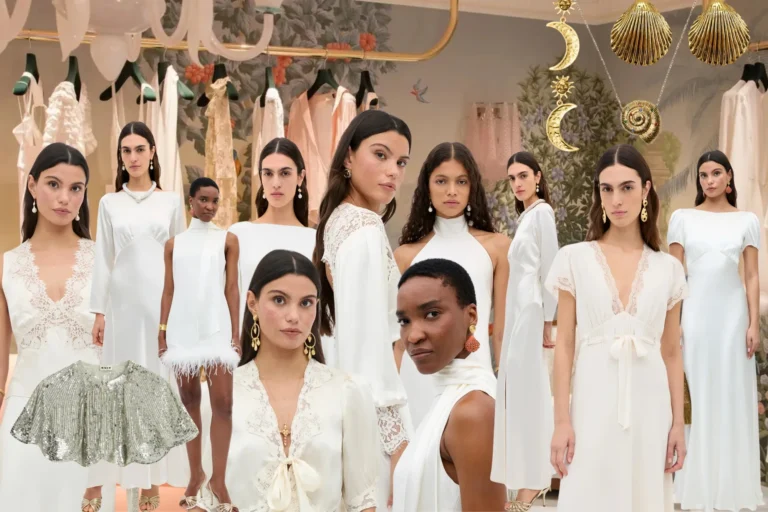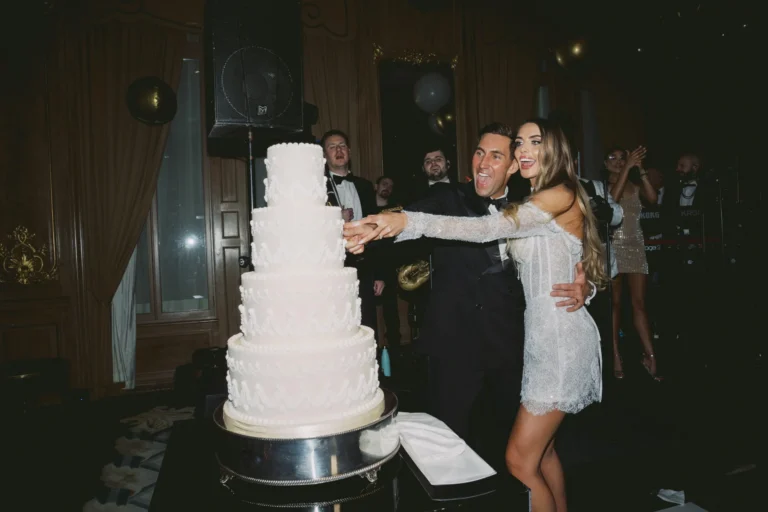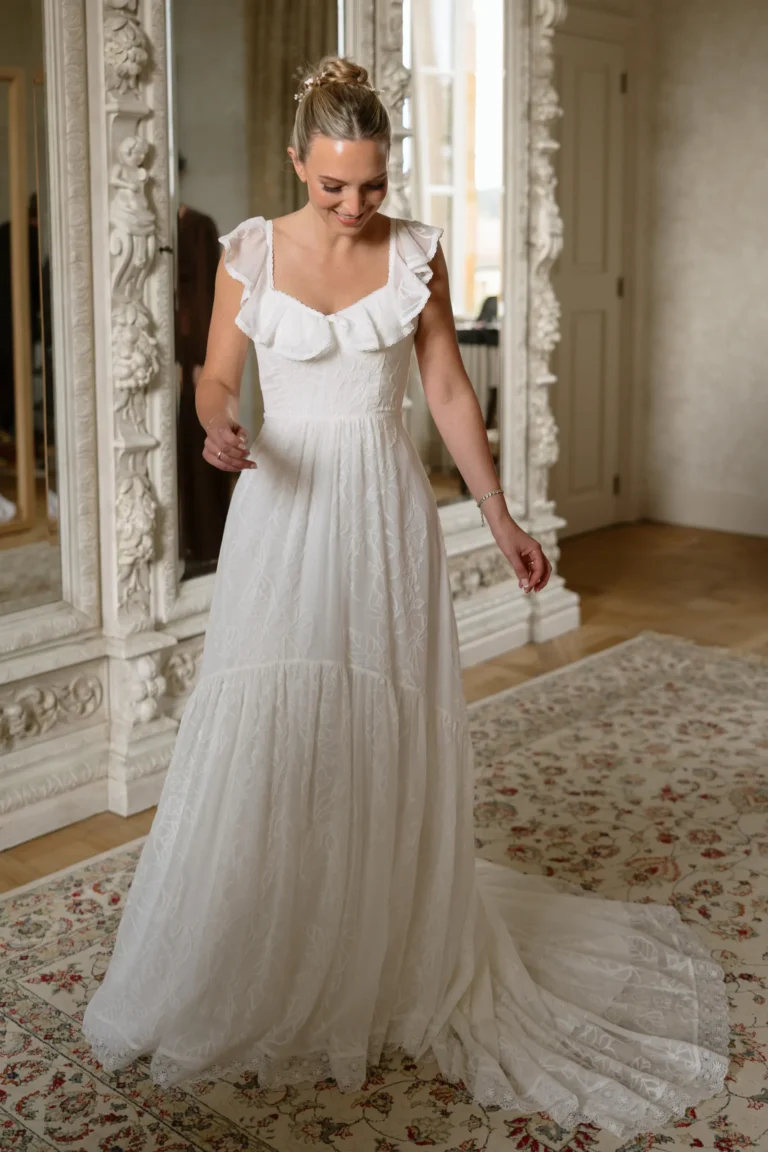



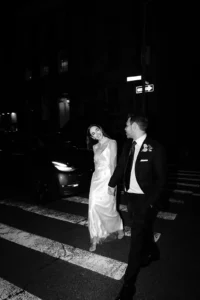
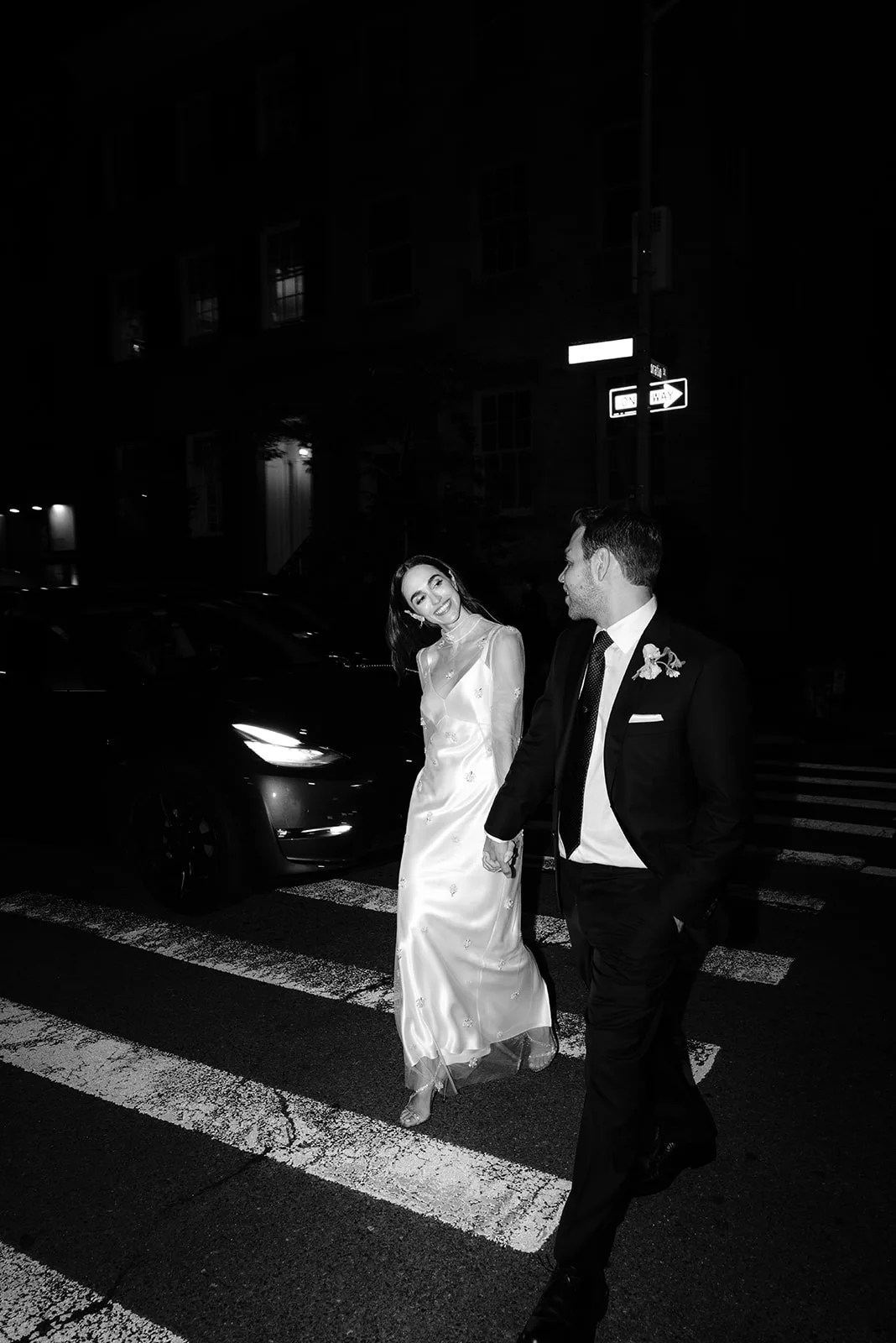
The prominent wedding publication Love My Dress has announced a comprehensive update to its submission guidelines, establishing a definitive prohibition on the publication of AI-generated imagery. This policy shift encompasses all facets of the platform’s content, including real wedding features, bridal fashion campaigns, editorial spreads, and conceptual photoshoots. By implementing these restrictions, the publication aims to safeguard the integrity of wedding documentation and maintain a foundation of trust with its global audience. The editorial board clarified that while traditional post-production techniques—such as adjustments to lighting, color, and exposure—remain acceptable, the platform will no longer feature work that depicts subjects, garments, or settings that did not exist in physical reality.
The Shift Toward Digital Realism and the Catalysts for Policy Change
The decision to formalize an anti-AI stance follows a period of rapid technological advancement within the creative industries. Generative Artificial Intelligence (AI) has evolved from producing distorted, easily identifiable images to creating hyper-realistic renderings that are increasingly indistinguishable from traditional photography. These developments have reached a threshold where skin textures, the movement of fabric, and complex lighting reflections are simulated with near-perfect accuracy.
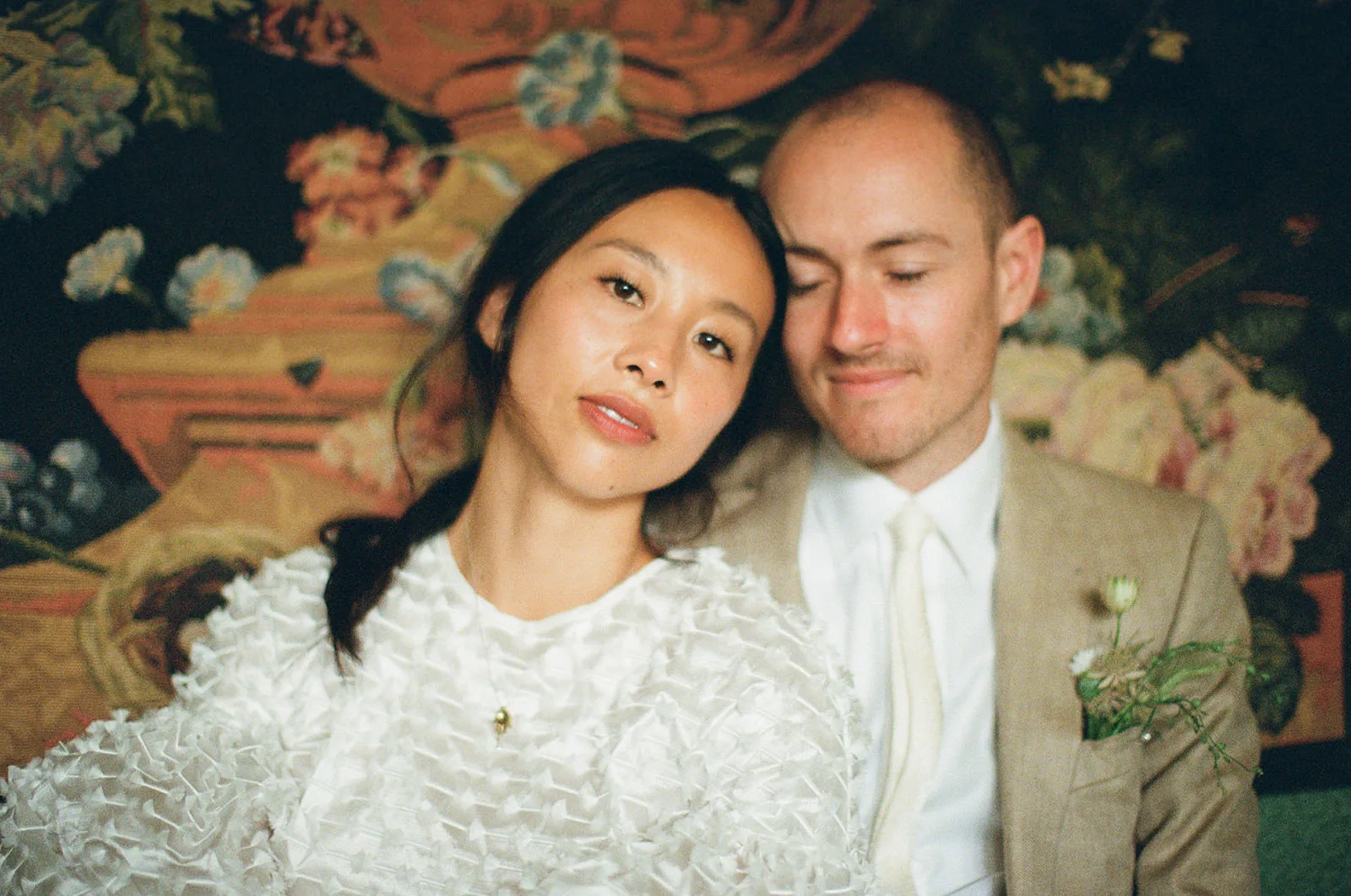
The editorial leadership at Love My Dress identified a growing trend on social media platforms where AI creators began marketing "editorial realism" to bridal brands. These creators argue that AI allows for high-end campaign aesthetics without the logistical costs of hiring creative teams, booking venues, or transporting physical inventory. For a publication built on the celebration of human craftsmanship and real-life experiences, this trend presented a direct challenge to its core mission. The "sleepwalking" effect—whereby technology is adopted for its convenience before its ethical and social implications are fully understood—prompted the publication to draw a firm line in the sand.
Chronology of the AI Integration in Creative Sectors
To understand the context of this ban, it is necessary to examine the timeline of AI’s infiltration into the visual arts and the wedding industry over the last twenty-four months:
- Late 2022: The public release of advanced generative models like Midjourney and DALL-E 2 began to disrupt graphic design and stock photography markets.
- Early 2023: High-profile incidents, such as the Sony World Photography Award being won by an AI-generated image (which the artist subsequently declined), highlighted the difficulty of discerning human work from machine output.
- Mid-2023: Professional photography software began integrating "Generative Fill" and AI-driven culling tools, promising to save photographers dozens of hours per wedding.
- Late 2023 – Early 2024: A surge in AI-generated "concept weddings" appeared on Instagram and Pinterest, often misleading couples into believing certain floral arrangements or architectural settings were achievable in reality.
- April 2024: Love My Dress officially updates its guidelines, becoming one of the first major niche publications to declare itself an "AI-free zone" for creative imagery.
Supporting Data: The Economic and Ethical Landscape
The global generative AI market in the creative sector is projected to reach several billion dollars by 2030, driven by the demand for cost-efficient content. However, this growth is accompanied by significant concerns regarding intellectual property. Most generative models are trained on vast datasets of existing human-created images, often scraped from the internet without the consent of the original artists. For wedding photographers and designers, this means their unique styles and lifework are being used to train the very machines that may eventually replace their services.
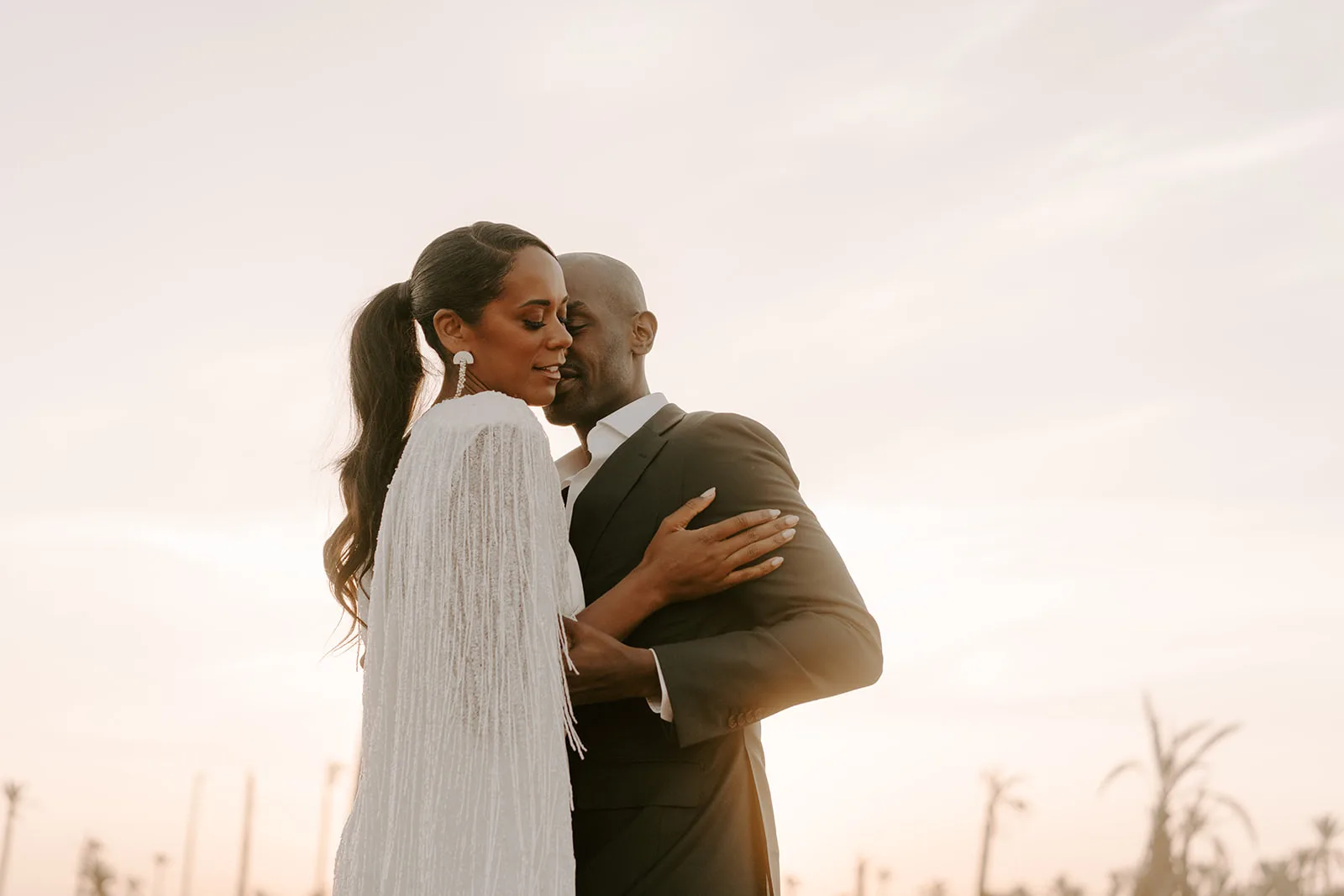
In the wedding sector specifically, the value of the industry is rooted in the "unrepeatable experience." According to industry surveys, 85% of couples prioritize "authenticity" when selecting a photographer. The introduction of AI imagery threatens this value proposition. If a couple views a bridal editorial that is 100% AI-rendered, they are viewing a product that cannot be purchased and a lifestyle that cannot be lived. This creates a "trust deficit" between the publication, the vendor, and the consumer.
Distinguishing Between AI Assistance and AI Generation
A critical component of the new Love My Dress policy is the distinction between "generative AI" and "utilitarian AI." The publication acknowledges that many photographers currently use AI to streamline administrative tasks or minor post-processing.
- Acceptable Use: AI tools used for culling (selecting the best photos from a set), basic color correction, noise reduction, and the removal of minor distractions (such as a fire exit sign in a historical venue). These tools are viewed as modern iterations of the darkroom process, refining what was genuinely present before the lens.
- Prohibited Use: The use of AI to generate entire scenes, alter a person’s physical likeness, swap garments for digital renders, or create composite backgrounds that were not present at the time of the shoot.
This distinction is intended to support the human professional while rejecting the replacement of human creativity. The publication noted that while they use AI tools like Claude for administrative organization, they refuse to let such tools infringe upon the "lived and experienced" creative work that defines the industry.
Industry Reactions and the Human Cost of Efficiency
The announcement has triggered a broader conversation among wedding professionals regarding the "human cost" of efficiency. While AI advocates point to the time saved in editing—often cited as up to 14 hours per wedding—opponents argue that this time is where the "eye" of the artist is refined. The slower process of human judgment is what imbues a photograph with soul and intentionality.
Reactions from the industry have been divided into three primary camps:
- The Preservationists: Many traditional photographers have lauded the move, fearing that the "perfection" of AI will create unrealistic standards for real human bodies and real events. They argue that the "imperfections" of a real wedding are what make the memories valuable.
- The Pragmatists: Some planners and brands, currently facing rising material costs and geopolitical instability, view AI as a necessary survival tool. They argue that for concept-led work or marketing, AI is a financial necessity.
- The Innovators: A smaller segment of "AI creators" believes that a new genre of art is being born and that publications should evolve to include "digital-only" categories rather than implementing outright bans.
Broader Impact and Ethical Implications for the Future
The stance taken by Love My Dress raises serious ethical questions about the future of visual journalism. If a publication cannot guarantee that its content is real, it loses its status as a historical record. Weddings are unique in that they are both a private family milestone and a public aesthetic trend. By documenting real weddings, publications like Love My Dress serve as a repository of cultural history—documenting fashion, social norms, and human connection at a specific point in time.
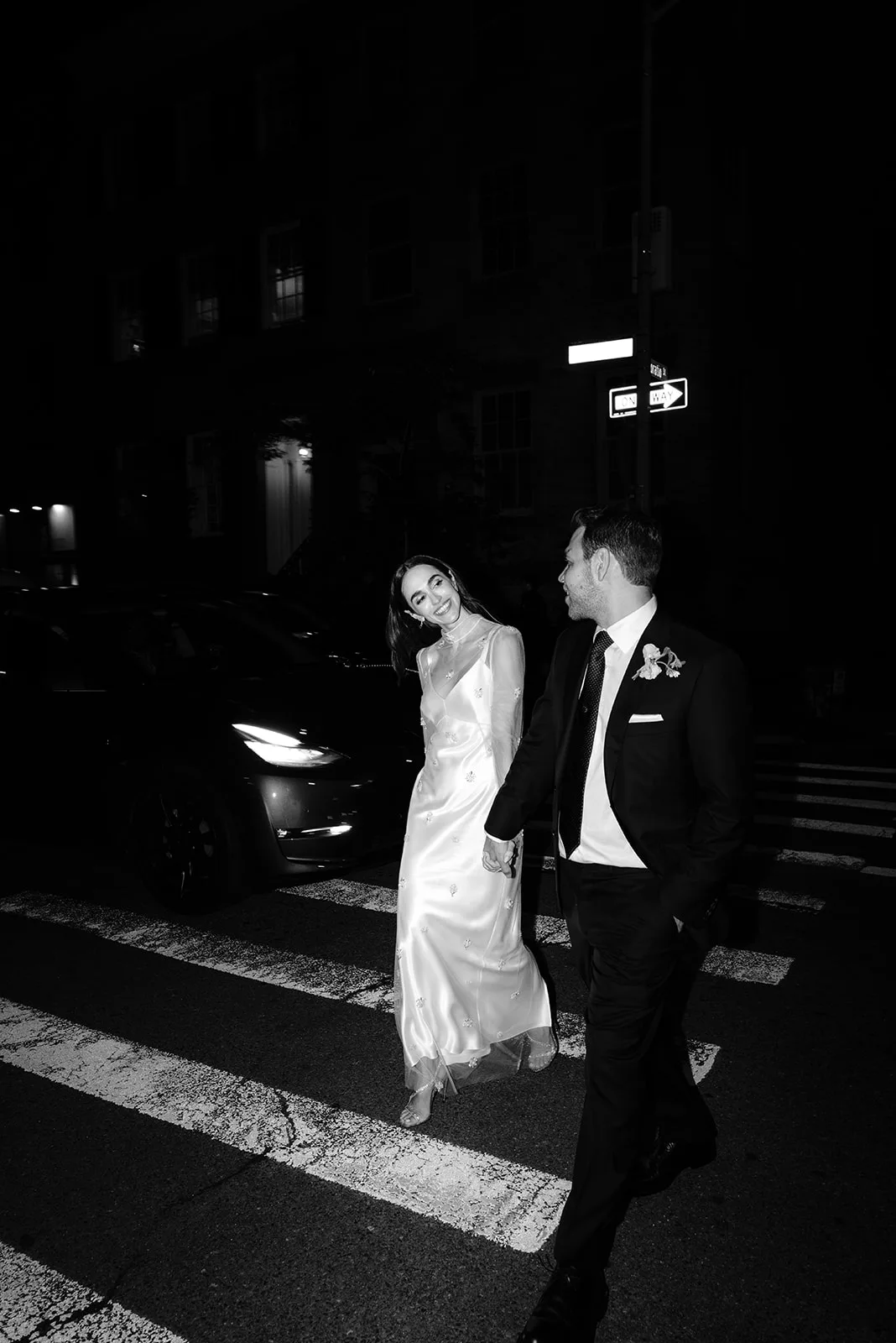
The "Uncanny Valley"—the point at which a digital render is close to human but slightly "off"—is rapidly closing. As the technology improves, the responsibility for verification shifts to the publishers. Love My Dress has stated that its new policy relies on a system of "collective trust and honesty." However, the publication also warned that as the technology develops, the difficulty of enforcement will increase.
Conclusion: Defining the Future of the Wedding Industry
The implementation of these guidelines marks a pivotal moment for the wedding industry, which currently finds itself at a crossroads between technological convenience and human authenticity. By declaring itself an "AI-free zone," Love My Dress is not merely rejecting a tool, but is making a statement about what is worth protecting in an increasingly digital world.
The long-term implications of this policy may include the development of "Human-Made" certifications or metadata standards that verify the authenticity of a digital file. For now, the move serves as a "considered pause," asking both creators and consumers to evaluate the value of the human hand in art. As the publication noted, "What we accept now is what this industry becomes." By prioritizing the "unrepeatable human experience" over the "instant render," the publication seeks to ensure that the wedding industry remains a space defined by real people, real emotions, and real memories.