

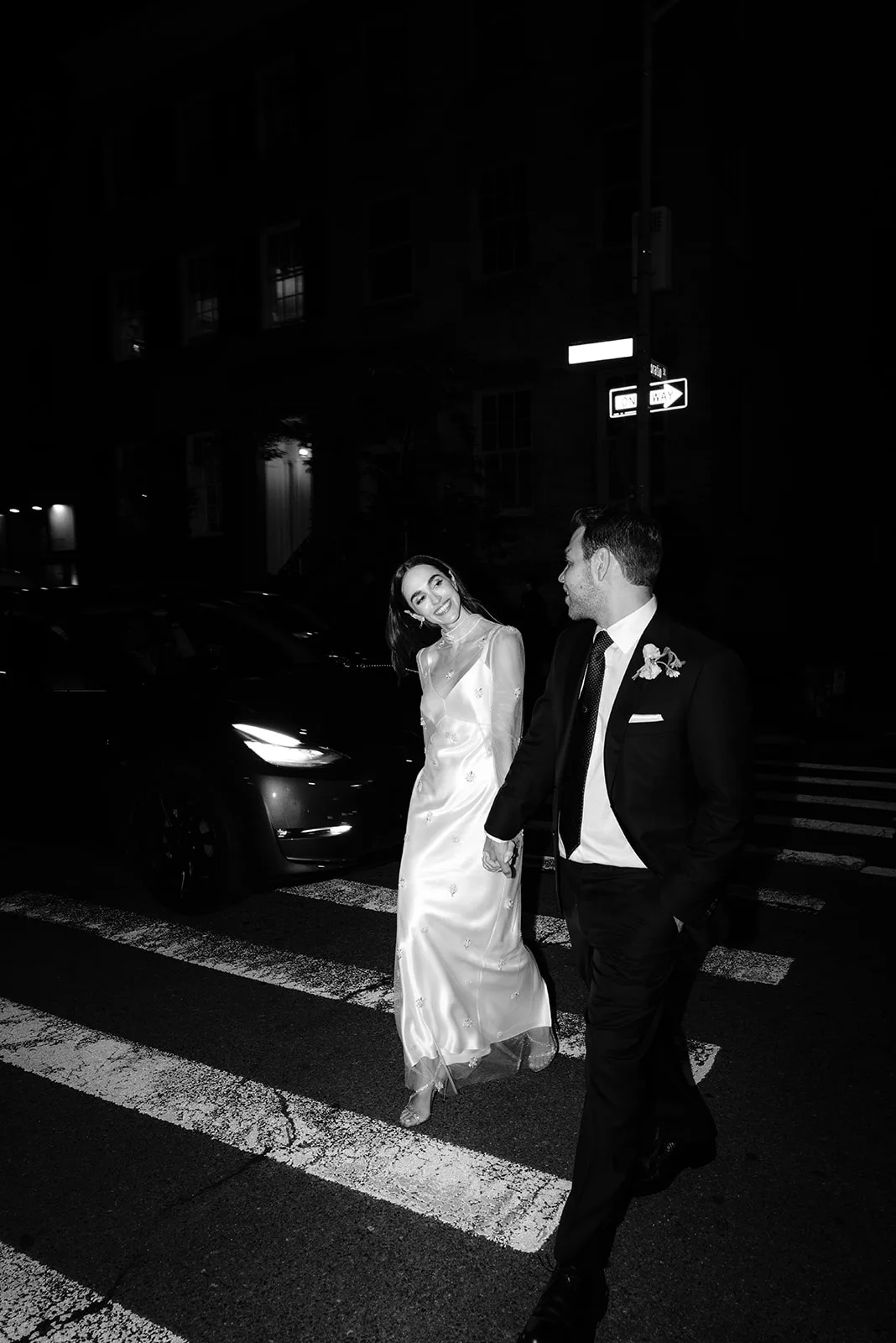
The prominent wedding publication Love My Dress has formally updated its submission guidelines to prohibit the inclusion of artificial intelligence-generated imagery across all its platforms. This policy shift encompasses real weddings, bridal fashion campaigns, editorials, and creative photoshoots, establishing a clear boundary between traditional photographic artistry and generative technology. The decision marks a significant moment in the wedding media landscape, as industry leaders grapple with the rapid advancement of hyper-realistic AI tools that threaten to blur the lines between reality and digital fabrication.
The Scope and Definition of the AI Prohibition
The updated guidelines specify that Love My Dress will not knowingly feature work presented as concept projects or creative editorials if the imagery is synthesized by AI. This mandate is rooted in the publication’s commitment to historical and personal accuracy. According to the new protocol, the ban applies to imagery that depicts people, garments, or settings that never existed in a physical capacity.
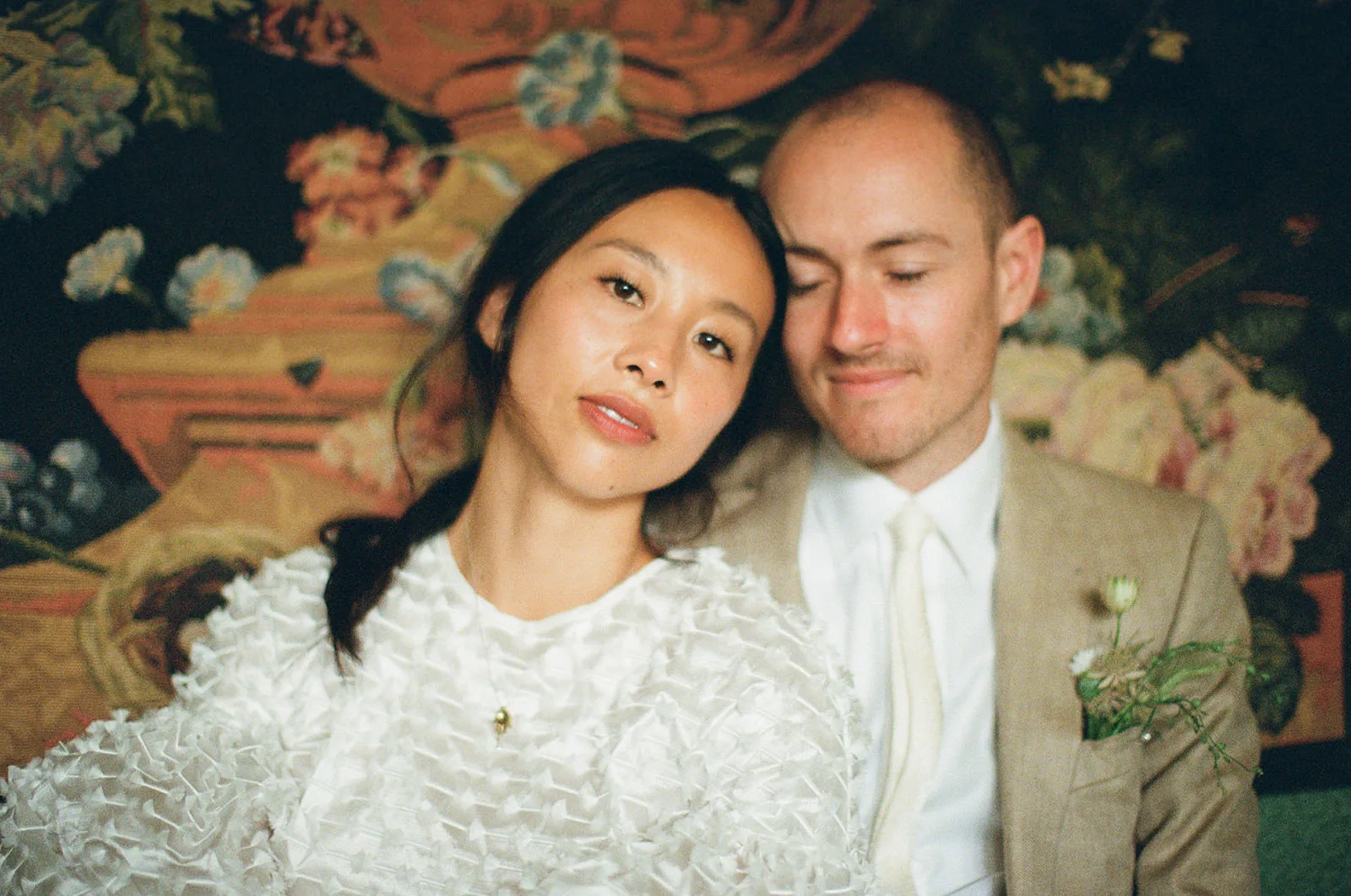
However, the publication has clarified the distinction between generative AI and AI-assisted post-production tools. Modern photography workflows often involve AI-driven software for adjustments to lighting, color grading, exposure, and the removal of minor background distractions. These technical refinements, which enhance what was genuinely present before the lens, remain acceptable under the new guidelines. The prohibition is specifically targeted at "text-to-image" or "image-to-image" synthesis that creates entirely new visual elements or subjects without a real-world counterpart.
The Evolution of AI in the Wedding Industry
The integration of artificial intelligence into the creative sectors has accelerated since the public release of advanced generative models in late 2022 and throughout 2023. Tools such as Midjourney, DALL-E 3, and Adobe Firefly have reached a level of sophistication where skin textures, fabric movements, and environmental lighting can be rendered with near-perfect realism.
In the wedding sector, this technology has manifested in several ways:
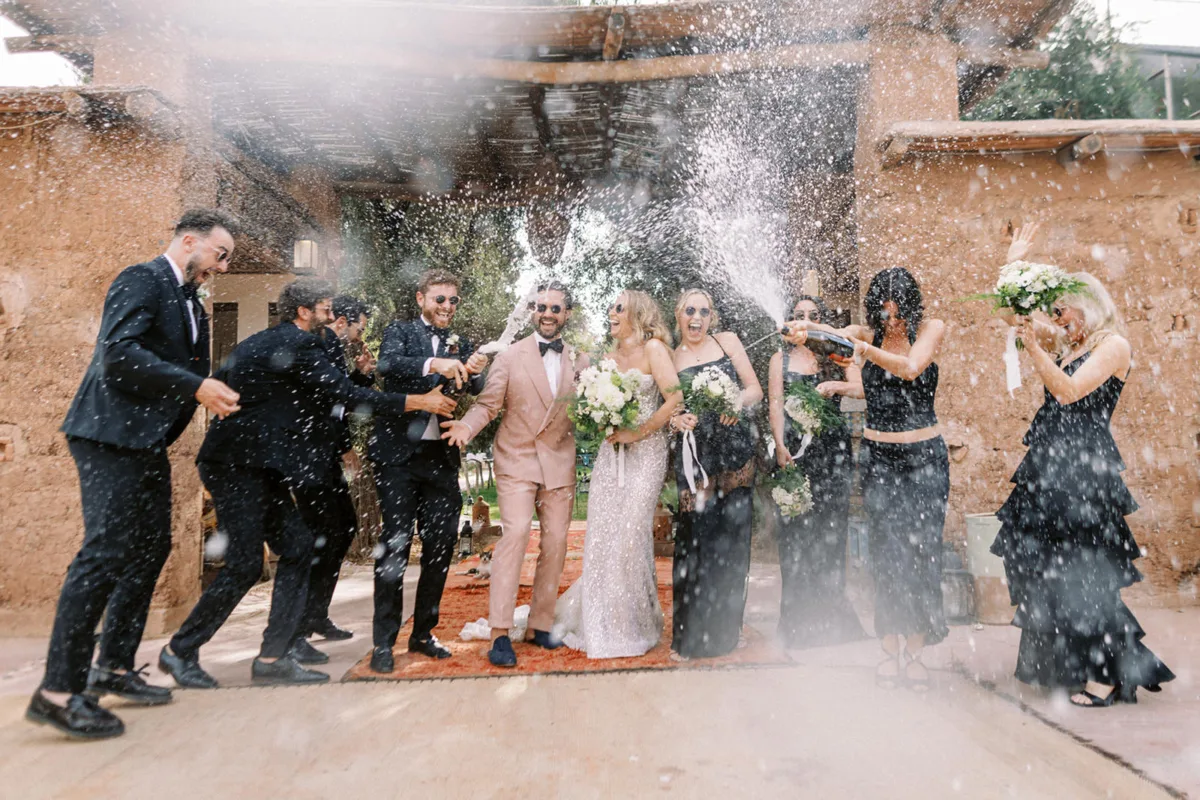
- Concept Editorials: Photographers and stylists creating "dream weddings" in exotic locations without the overhead costs of travel, models, or floral arrangements.
- Culling and Editing: Software that uses AI to select the best images from thousands of frames and apply consistent edits, potentially saving photographers 10 to 15 hours of labor per wedding.
- Video Animation: The use of Meta AI and similar tools to transform static wedding photographs into short, animated videos.
- Marketing Material: Small businesses using AI-generated models to showcase bridal wear or accessories they have not yet manufactured or photographed.
The move by Love My Dress follows a growing trend of "digital skepticism" among high-end wedding vendors who argue that the value of wedding photography lies in its role as a documentary record of a human event.
Ethical Concerns and the Training of Generative Models
A primary driver behind the resistance to AI in the wedding industry is the ethical ambiguity surrounding the training of these models. Generative AI systems are built upon vast datasets containing billions of images scraped from the internet, often without the consent of the original creators. This includes the work of independent wedding photographers, designers, and artists who have spent decades honing their unique styles.
Industry analysts point out that when an AI generates a "convincing" bridal editorial, it is essentially reconfiguring the collective creative output of human professionals. For a publication like Love My Dress, which has championed independent bridal brands for nearly 17 years, the use of AI represents a potential infringement on the intellectual property and livelihoods of its core community. The "black box" nature of AI development means that credit and compensation are rarely, if ever, directed back to the humans whose work enabled the technology to function.
Economic Context: Efficiency versus Authenticity
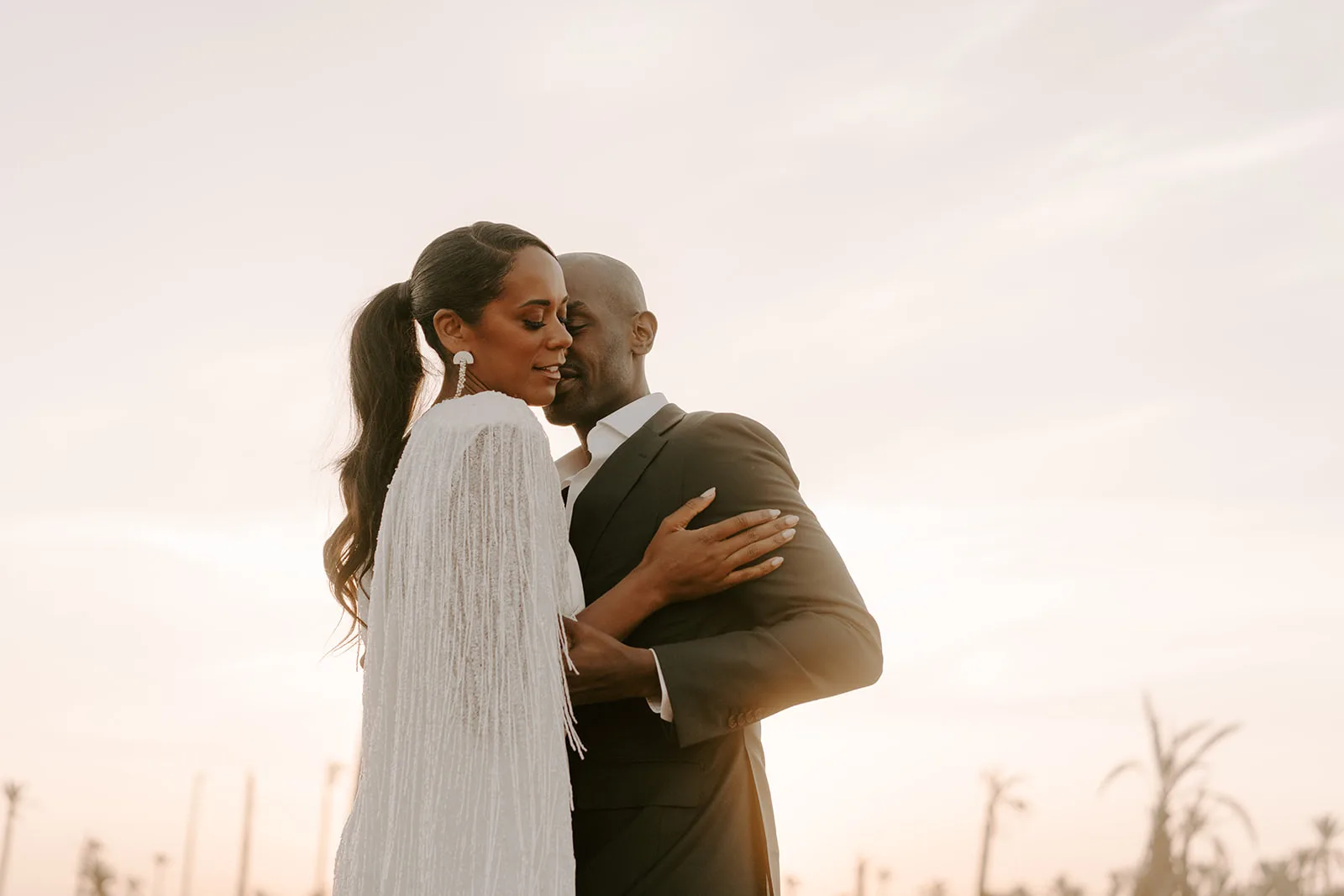
The adoption of AI is often framed as a response to the economic pressures currently facing the wedding industry. Following the global pandemic, the sector has been impacted by rising material costs, geopolitical instability affecting supply chains, and a general decline in wedding inquiries in certain markets. For a boutique bridal brand, an AI-generated photoshoot can cost a fraction of a traditional editorial, which requires hiring photographers, models, hair and makeup artists, and location rentals.
For overwhelmed photographers, AI-driven culling tools offer a way to regain time in an increasingly demanding market. However, the stance taken by Love My Dress suggests that these gains in efficiency may come at the cost of "heart-led" artistry. The publication argues that the slower, human-driven process of learning, refining, and decision-making is what imbues a photograph with depth. There is a concern that if the industry moves too quickly toward automated perfection, the resulting work will become disconnected from the people it is intended to serve.
Timeline of Policy Development
The decision to implement a formal ban was catalyzed by recent observations of AI’s increasing invisibility within social media feeds.
- Early 2023: AI-generated "concept" weddings began appearing on platforms like Instagram, often labeled as experiments.
- Late 2023: High-end bridal brands started quietly integrating AI-rendered elements into their marketing campaigns.
- Early 2024: The emergence of "AI Creators" offering editorial realism as a service specifically for brands looking to bypass traditional production costs.
- Spring 2024: Love My Dress leadership identified a "sleepwalking" effect where the line between real and rendered content became indistinguishable to the average consumer, prompting the immediate update to submission guidelines.
Industry Reactions and the "Human-Free" Debate
The reaction to the ban within the wedding professional community has been divided but largely supportive among traditionalists. Many photographers have expressed relief, noting that the pressure to compete with "perfect" AI-generated imagery creates unrealistic expectations for couples.
"Weddings are unrepeatable human experiences," the publication stated in its rationale. This sentiment is echoed by many who believe that the documentation of a wedding carries a different responsibility than commercial fashion photography. Because wedding photos are intended to be viewed for a lifetime as a record of family history, the introduction of "fake" elements is seen by some as a betrayal of the medium’s purpose.
Conversely, some tech-forward professionals argue that AI is merely a tool, comparable to the transition from film to digital photography. They suggest that as long as the final product is beautiful and serves the client, the method of creation should be secondary. Love My Dress has rejected this view for its own platform, emphasizing that reader trust is the foundation of its publication.
Analysis of Long-term Implications
The decision by Love My Dress to declare itself an "AI-free zone" sets a precedent that other niche publications may soon follow. As AI becomes more integrated into standard software, the challenge of detection will increase. This creates a reliance on "collective trust" and "honesty" within the industry.
There are several potential implications for this policy:
- Verification Protocols: Publications may require raw files or metadata to verify the authenticity of submissions if AI generation is suspected.
- Market Stratification: A two-tier market may emerge, where "human-certified" photography commands a premium price, while AI-enhanced or generated content serves a lower-cost, high-volume segment.
- Consumer Awareness: Couples planning weddings may become more discerning about the portfolios they view, looking for "real-world" inconsistencies that prove a photographer’s work is authentic.
The publication’s leadership acknowledged the paradox of using AI for administrative tasks—such as using large language models like Claude for business organization—while banning it for creative output. This distinction highlights a nuanced approach: utilizing technology to manage the "boring" aspects of business while fiercely protecting the "human" aspects of art.
Conclusion: Defining the Future of Wedding Media
By taking a firm stand against AI-generated imagery, Love My Dress is attempting to preserve the integrity of the wedding industry as a space for genuine human connection. The publication asserts that what is accepted now will define what the industry becomes in the future. As technology continues to evolve at a "frightening speed," the call for a "considered pause" serves as a reminder that not every technological capability must be adopted.
For the readers and couples who frequent wedding blogs for inspiration, this policy ensures that the gowns, the emotions, and the celebrations they see are a reflection of something that actually happened. In an era of increasing digital fabrication, the value of the "real" may become the industry’s most precious commodity. Love My Dress has invited the wider community to join the conversation, suggesting that the responsibility of shaping the culture of weddings lies with business owners, creatives, and consumers alike.