







The contemporary landscape of male body image is undergoing a profound and often troubling transformation, driven by an escalating pursuit of aesthetic perfection that originated in niche online communities but has now permeated mainstream culture. What began as a subcultural phenomenon, particularly within "incel" (involuntary celibate) forums, has evolved into a widespread set of practices known as "looksmaxxing," pushing male beauty standards to unprecedented and frequently unattainable extremes. This shift, observed keenly in recent years, reflects a broader societal anxiety surrounding appearance, exacerbated by the relentless pressures of social media and a burgeoning industry catering to male cosmetic enhancements.
The Evolution of Male Aesthetics: From 90s Ideals to Digital Extremes
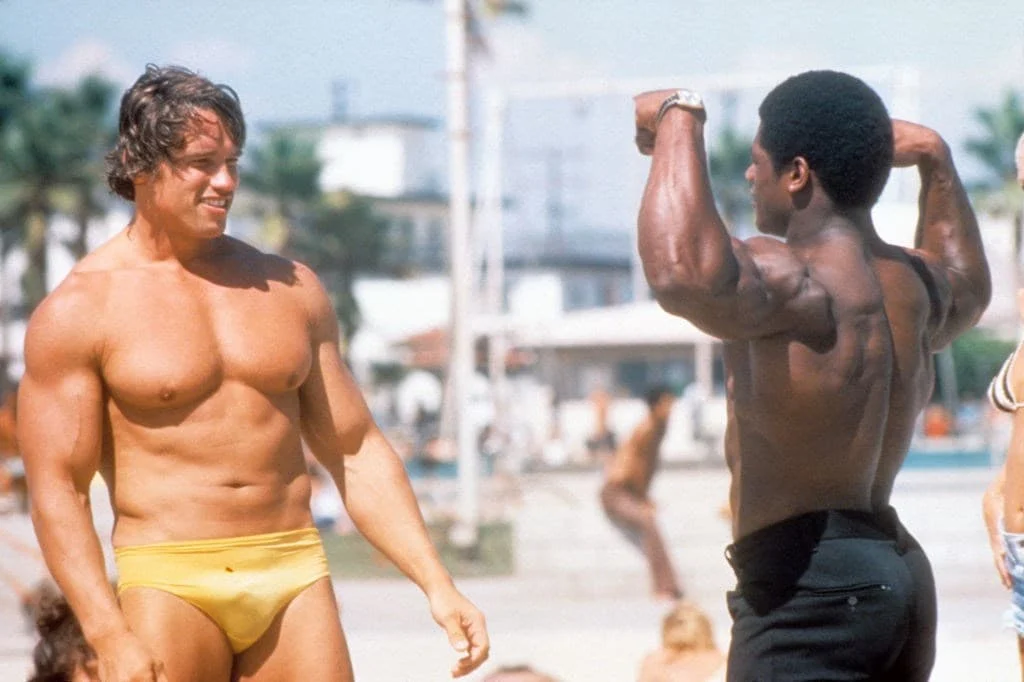
The trajectory of male body image has dramatically accelerated in recent decades. In 2024, analyses already pointed to a stark contrast between past and present ideals. The impressive, yet often naturally attainable, male physiques celebrated in the 1990s—think the rugged masculinity of action heroes or the athletic build of top models—would now be considered merely "average" by today’s burgeoning standards. This initial acceleration was marked by a growing appetite for muscle mass, a physique once primarily associated with competitive bodybuilders or mythical superheroes.
However, just a few years later, by 2026, the situation has intensified. The emergence and mainstreaming of terms like "looksmaxxing," "mewing," and "mogging," all originating from incel forums, have profoundly reshaped male aesthetic expectations. These concepts, once confined to the darker corners of the internet, now saturate online discussions and influence real-world behaviors. The goal has shifted from being merely fit or muscular to achieving a hyper-defined, almost sculpted appearance that often requires extreme measures.
This intensified pursuit of an "ideal" physique has also normalized the use of substances and procedures previously considered niche or illicit. Fitness-enhancing drugs, historically discussed only in relation to elite athletes or professional bodybuilders, have entered mainstream discourse, with many young men openly exploring or utilizing them. Furthermore, the misuse of GLP-1s (Glucagon-like peptide-1 receptor agonists), originally developed for diabetes and weight management, has fueled an obsession with minimizing body fat to achieve a lean, chiseled look, often irrespective of healthy body composition.
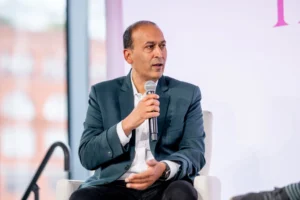
David Sasaki, online director for the American Institute of Boys and Men, an organization dedicated to improving male well-being, observes this complex shift: "I have seen more media and social media attention to several different male body ideals at once: being thinner, being more muscular, being more proportionate, and, in some circles, looking more androgynous." While these ideals might appear contradictory, Sasaki emphasizes a unifying concern: "body dissatisfaction is bad for mental health. The specific ideal may change, but the underlying pattern is the same: when self-worth gets tied too tightly to appearance, boys and men tend to suffer for it." This statement underscores the critical psychological dimension of the looksmaxxing phenomenon, highlighting the fragility of self-esteem built solely on external validation.
The Roots of Looksmaxxing: A Deep Dive into Incel Culture and the Manosphere
To fully comprehend looksmaxxing, it is essential to trace its origins back to the "manosphere"—a loose collection of online communities, blogs, and forums dedicated to male-centric ideologies, often characterized by misogyny, anti-feminism, and a belief in inherent male-female dynamics rooted in evolutionary psychology. Within this ecosystem, "incel" forums emerged as particularly influential. These communities are populated by men who self-identify as "involuntary celibates," believing they are denied sexual or romantic relationships due to perceived physical shortcomings, societal changes, or the perceived superficiality of women.
Within these forums, a highly codified language and set of beliefs developed around male attractiveness. "Looksmaxxing" became the umbrella term for any practice, procedure, or lifestyle change aimed at "maximizing" one’s physical appearance to become more desirable to women (or, more accurately, to fit a specific, often unrealistic, ideal of male attractiveness propagated within these communities). This pursuit is often framed as a desperate, almost scientific endeavor to overcome genetic disadvantages and societal biases.
Specific practices associated with looksmaxxing include:
- Mewing: A supposed orthodontic technique involving specific tongue posture to reshape the jawline and improve facial structure. While proponents claim it can dramatically alter facial aesthetics, scientific evidence supporting its efficacy is limited.
- Mogging: A term used to describe one man physically dominating or outshining another in terms of attractiveness. It implies a hierarchical ranking based purely on looks, fostering intense inter-male competition.
- Bonesmashing: Perhaps the most extreme and dangerous practice, involving deliberately hitting one’s facial bones (e.g., jaw, cheekbones) with objects like hammers, based on the pseudoscientific belief that this trauma will stimulate bone growth and reshape the face. This practice carries severe risks of injury, disfigurement, and infection.
These concepts are deeply intertwined with the incel worldview, where attractiveness is seen as the primary currency for social and romantic success. The adoption of these terms and practices by a broader demographic of young, straight men signals a worrying infiltration of these ideologies into mainstream consciousness, even if the explicit misogynistic underpinnings are sometimes diluted or ignored. The allure lies in the promise of control over one’s destiny and the acquisition of social capital through physical transformation, regardless of the extreme and often unhealthy methods involved.
The Digital Mirror: Social Media’s Role in Amplifying Body Dissatisfaction
Social media platforms have acted as powerful accelerators for the looksmaxxing trend. The constant stream of curated images, often enhanced by filters and strategic posing, creates an environment ripe for comparison and self-scrutiny. On platforms like TikTok, Instagram, and YouTube, there is a never-ending content cycle offering "tips and tricks" for achieving the "perfect" jawline, preventing hair loss, improving facial symmetry, or building a "god-tier" physique.
This digital landscape fosters an environment where "inter-male competition has become more ferocious," as noted by Sasaki. Young men are constantly exposed to idealized versions of masculinity, leading to a pervasive sense of inadequacy. The algorithmic nature of these platforms further exacerbates the issue, pushing content related to looksmaxxing to users who engage with similar topics, creating echo chambers that reinforce and amplify these extreme beauty standards.
The cultural shift is evident in the burgeoning trend of young men seeking cosmetic procedures abroad, particularly in places like Turkey. The surge in "Turkey teeth" (veneers) and hair transplants is not merely a reflection of increased accessibility or affordability; it signifies a deeper cultural acceptance and even expectation that one should actively "fight" the natural processes of aging or perceived imperfections. Aging is increasingly presented as optional, and the failure to pursue cosmetic "optimization" is framed as a personal failing.
The Netflix documentary, Louis Theroux: Inside The Manosphere, offered a stark glimpse into this reality. Many of the men featured openly discussed body image as a form of "cultural currency," justifying procedures like jaw filler, chin surgery, and Botox as "everyday options" for "optimizing" their physical appearance. The influencer "Clavicular" epitomizes this extreme dedication, openly endorsing a shocking array of interventions including jaw surgery, limb lengthening surgery, testosterone, minoxidil (for hair loss), Accutane (for skin), experimental weight loss medication retatrutide, crystal meth (to hollow cheeks), and even the dangerous practice of "bonesmashing" with a hammer. Such endorsements, widely consumed by young audiences, normalize increasingly radical and perilous methods in the pursuit of an elusive ideal.
The Surge in Male Cosmetic Procedures and Performance-Enhancing Substances
The mainstreaming of looksmaxxing has directly correlated with a significant uptick in male engagement with cosmetic procedures and performance-enhancing substances. The global male aesthetic procedures market has seen substantial growth, with reports indicating a steady increase in male clients seeking everything from non-invasive treatments to surgical interventions.
Common procedures now actively pursued by men include:
- Jawline and Chin Augmentation: Fillers, implants, or even orthognathic surgery (jaw surgery) to achieve a more defined, angular jawline, often seen as a hallmark of masculine attractiveness.
- Hair Transplants: Addressing male pattern baldness, a significant concern for many, with clinics reporting a surge in younger clients.
- Rhinoplasty: Nose reshaping to achieve perceived facial harmony and symmetry.
- Botox and Dermal Fillers: To smooth wrinkles, enhance features, or achieve specific facial contours.
- Body Sculpting: Liposuction, abdominoplasty (tummy tucks), and gynecomastia (male breast reduction) surgery to achieve a more athletic and lean physique.
Beyond cosmetic procedures, the discourse around male body image has also normalized the use of various drugs. While steroids have long been associated with bodybuilding, their presence is now felt more broadly among gym-goers seeking rapid muscle gain. SARMs (Selective Androgen Receptor Modulators), often marketed as safer alternatives to steroids (though still carrying significant health risks and largely unregulated), have become popular. Furthermore, the aforementioned GLP-1 agonists, like Ozempic, have been embraced off-label by some seeking extreme fat loss, leading to concerns about disordered eating and long-term health consequences. The fictional character Jeremy in Ryan Murphy’s The Beauty, an incel convinced to undergo drastic plastic surgery to transform into a cartoonish "chad," satirizes this desperate pursuit of an idealized, often unrealistic, masculine form.
The Psychological Toll: Mental Health Implications of Unattainable Standards
The relentless pursuit of these extreme aesthetic ideals carries a heavy psychological burden for young men. As David Sasaki highlights, "body dissatisfaction is bad for mental health." This sentiment is echoed by mental health professionals who observe rising rates of body dysmorphia, anxiety, depression, and disordered eating among male populations.
Body dysmorphia, a mental health condition where a person cannot stop thinking about one or more perceived defects or flaws in their appearance, is particularly prevalent in looksmaxxing communities. Individuals become fixated on minor or imagined imperfections, leading to compulsive behaviors like excessive mirror checking, comparing themselves to others, and undergoing repeated cosmetic procedures, often without ever feeling satisfied.
The constant feedback loop of comparison and algorithmic reward on social media creates a vicious cycle. Each minor "improvement" may bring temporary validation, but the goalpost for perfection constantly shifts. "The term ‘mogging’ is often used ironically, but it still reflects the same basic logic: ranking men against one another by appearance," Sasaki explains. "Social media turns ordinary status competition into something more visible, more measurable, and more relentless. It puts appearance into a feedback loop of comparison and algorithmic reward." This environment fosters deep insecurity, linking self-worth almost entirely to external appearance, which is inherently unstable. Studies suggest that male body image issues are now as prevalent as, if not more so than, female body image issues in certain demographics, with significant implications for mental well-being and overall quality of life. The pressure to conform to these hyper-masculine, often unattainable, ideals can lead to social withdrawal, relationship difficulties, and even suicidal ideation in severe cases.
Beyond the Male Gaze: Deconstructing the "Who Are They Trying to Impress?" Question
A crucial aspect of the looksmaxxing phenomenon is understanding the driving force behind this extreme aesthetic pursuit. While proponents often claim these efforts are necessary to attract and date women, a deeper analysis reveals that the primary gaze driving these ideals is often male, rather than female. This was evident in the widespread public debate over Olly Murs’s gym transformation, where reactions were sharply divided along gender lines, with many men expressing admiration for his sculpted physique, while women’s opinions were more varied, some even preferring his "before" look.
A viral TikTok video provocatively suggested that current looksmaxxing culture is "toxic muscle gay circuit party culture escaping containment and being transmitted to straight people." This theory, while controversial, highlights an interesting correlation. Psychologist Alan Downs’s early 2000s book, The Velvet Rage, theorized that some gay men use their bodies as a tool for handling toxic shame, seeking validation through physical compliments to distract from deeply rooted trauma.
While it is an oversimplification to attribute straight male body ideals solely to the gay male gaze, the parallel is striking. In an era marked by increased scrutiny, surveillance, and judgment on social media, a growing number of straight men appear to be channeling their insecurities and anxieties into an obsessive hyperfixation on their physical appearances. This pursuit of physical perfection, regardless of sexual orientation, can be seen as a coping mechanism for underlying feelings of inadequacy or a desperate attempt to gain control in an increasingly uncertain world. The competitive aspect, particularly within male-dominated online spaces, reinforces these standards, creating a self-perpetuating cycle where men are primarily performing for other men.
The Penrose Stairs Effect: An Endless Pursuit of Perfection
One of the most insidious aspects of looksmaxxing is its inherent lack of a finish line. The "barometer of perfection" is constantly shifting, ensuring that the pursuit is endless. As soon as an individual approaches a perceived body "ideal," the target simply recedes further into the distance. This dynamic mirrors the concept of the Penrose stairs—an impossible staircase that appears to continuously ascend or descend, yet leads nowhere.
This perpetual chase is fueled by several factors:
- The Unattainable Ideal: The "ideal" itself is often a composite of highly genetic traits, surgical enhancements, and extreme lifestyle choices that are impossible for most individuals to achieve or maintain naturally.
- Social Media Comparison: There’s always someone seemingly "better" or more "optimized" online, perpetuating the cycle of comparison and inadequacy.
- Commercial Interests: The beauty and aesthetic industries profit immensely from this endless pursuit, constantly introducing new procedures, products, and supplements that promise further "enhancement."
- Internalized Insecurity: The underlying insecurity that drives the initial pursuit means that external changes rarely provide lasting satisfaction. True self-acceptance cannot be surgically implanted or injected.
This creates a self-defeating loop where individuals invest enormous time, money, and emotional energy into a goal that, by its very nature, can never be fully achieved, leading to chronic dissatisfaction and mental distress.
Charting a New Course: Towards Body Positivity and Holistic Well-being for Men
The critical question remains: where do we go from here? Will these beauty standards continue their trajectory towards ever more extreme and dangerous practices, or is a pendulum swing towards male body positivity on the horizon? David Sasaki and the American Institute of Boys and Men propose actionable strategies for fostering a healthier environment.
"Men need more sources of esteem that are not tied to appearance, including public recognition of qualities like competence, kindness, humor, character and reliability," Sasaki asserts. This highlights the necessity of broadening the societal definition of male value beyond superficial aesthetics. For too long, male identity has been narrowly defined by strength, stoicism, and physical prowess, leaving little room for other equally important human qualities.
Furthermore, Sasaki notes, "Men rarely receive positive, non-competitive feedback about their bodies. Many are hungry for basic affirmation that they are acceptable just the way they are." This points to a crucial deficit in male socialization: the absence of unconditional positive regard for their bodies and selves. Creating spaces and dialogues where men can receive genuine affirmation, independent of physical appearance, is vital. This includes promoting diverse male body types in media, encouraging open discussions about male body image issues, and challenging the toxic masculinity that often equates vulnerability or self-acceptance with weakness.
Conclusion: Reclaiming Male Identity Beyond the Mirror
The looksmaxxing phenomenon represents a critical juncture in the ongoing evolution of male identity and well-being. While driven by a desire for perceived improvement, its roots in extremist online cultures and its amplification through social media have created a landscape of unattainable standards, rampant comparison, and significant mental health risks. The proliferation of cosmetic procedures and performance-enhancing drugs underscores the lengths to which some men are willing to go in pursuit of an elusive physical ideal.
Moving forward, a concerted effort is needed from media, educators, parents, and communities to foster a more holistic and compassionate understanding of masculinity. This involves actively dismantling the narrow definitions of male attractiveness, promoting diverse role models, and cultivating environments where self-worth is derived from character, competence, and genuine connection rather than superficial appearance. The challenge lies in redirecting the immense energy currently channeled into external "optimization" towards internal growth, resilience, and the affirmation that every man is inherently valuable, "just the way they are." Only then can society hope to steer young men away from the Penrose stairs of perpetual dissatisfaction and towards a path of authentic well-being.