









The luxury fashion industry, increasingly under pressure from ethical consumer movements and a growing awareness of animal welfare, has seen a significant shift away from fur in recent years. Major brands and fashion weeks have publicly committed to fur-free policies, signaling a progressive stance on animal-derived materials. However, this ethical evolution often halts at the threshold of "exotic skins," particularly those derived from reptiles like snakes. While the moral and environmental dilemmas associated with fur are widely acknowledged, the continued trade in snakeskin raises equally pressing, yet often overlooked, questions about animal sentience, ecological balance, and human exploitation within its opaque supply chain.
The Shifting Sands of Fashion Ethics: From Fur Bans to Exotic Skin Scrutiny
For decades, fur was the primary battleground for animal rights activists within the fashion industry. Campaigns highlighted the inhumane conditions of fur farms and the brutal methods of slaughter, leading to a gradual but decisive rejection of fur by many high-profile designers, retailers, and even entire fashion weeks. Cities like Copenhagen, Berlin, and Melbourne Fashion Week have notably extended these bans to include all wild animal skins, feathers, and fur, a move lauded by organizations such as Collective Fashion Justice. Brands like Burberry, Vivienne Westwood, Nordstrom, Chanel, and Selfridges have followed suit, reflecting a broader industry trend towards more compassionate practices.
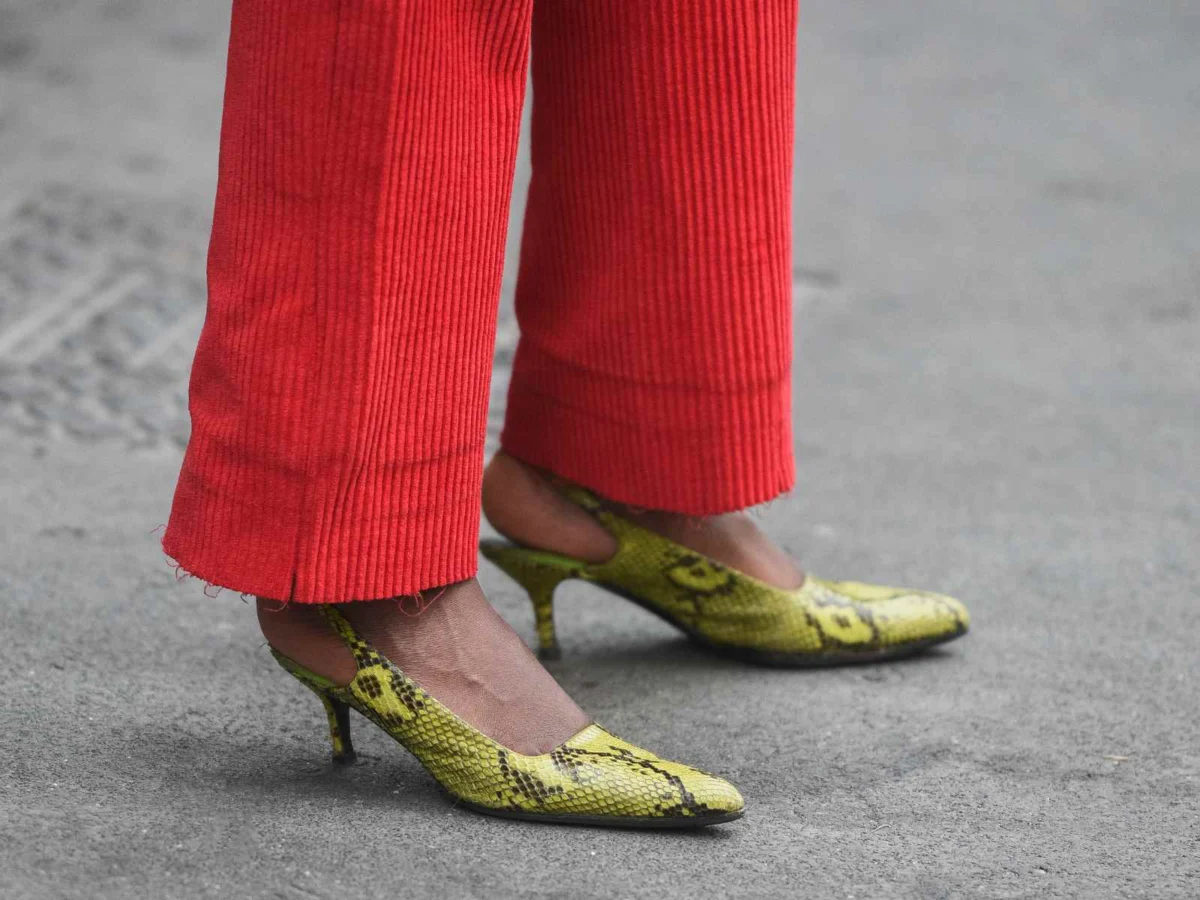
However, the spotlight has now intensified on other animal-derived materials, particularly so-called "exotic skins." Snakeskin, crocodile, and alligator leathers have long been staples in luxury accessories, coveted for their unique textures and perceived exclusivity. These materials are often framed as distinct from fur, sometimes even marketed with claims of sustainability or ethical sourcing. Yet, as Emma Håkansson and other advocates point out, the ethical and environmental costs of snakeskin production are strikingly similar, if not more complex, due to the prevalence of wild capture and a highly decentralized, often unregulated, supply chain. The continued offering of snakeskin products by titans of luxury fashion, including Gucci and Hermès, even as they embrace fur-free policies, underscores a significant ethical inconsistency that consumers and activists are increasingly challenging.
Unveiling the Hidden Costs: Animal Welfare in the Snakeskin Trade
The journey of snakeskin from a living, sentient creature to a high-end fashion accessory is fraught with cruelty, beginning with the capture and extending through brutal slaughter methods. Dismissing snakes as "cold-blooded" and lacking sentience is a misconception increasingly disproven by scientific research. Studies have shown that snakes possess distinct personalities, can experience both positive and negative emotional states, and even form "friendship cliques," debunking the long-held stereotype of solitary, unfeeling reptiles. This growing understanding of snake cognition and social behavior fundamentally challenges the ethical justification for their exploitation.
The primary source of snakeskins for the fashion industry, particularly for species like the reticulated python, is wild capture. Vast quantities are sourced from Southeast Asian rainforests, predominantly Indonesia and Malaysia. In 2022 alone, Indonesia exported nearly 447,000 snakeskins, highlighting the immense scale of this trade. The industry’s decentralized nature in these regions, characterized by numerous small-scale hunters and middlemen, leads to a profound lack of transparency and oversight. While licenses are theoretically required for capture, a significant portion of snakes are hunted by unlicensed individuals who sell through informal networks, making accurate reporting of numbers and methods virtually impossible. This unregulated environment means that snakes are captured using whatever means hunters deem fit, often without any consideration for animal welfare, their suffering rendered invisible by the supply chain’s opacity.
In an attempt to address welfare concerns and streamline sourcing, some luxury conglomerates, such as Kering (parent company to Gucci, Balenciaga, and Saint Laurent), have invested in snake factory farms. Kering acquired a Thai snake factory farm in 2017, publicly claiming a commitment to raising animals in "the best conditions for animals, farmers and the ecosystem." However, investigations by animal welfare organizations, including PETA, have consistently exposed conditions that starkly contradict these claims. Reports from farms supplying luxury brands reveal snakes confined to barren, cramped plastic boxes or dirty cages, treated as mere commodities rather than living beings. These findings expose a significant "ethics-washing" effort, where corporate statements of welfare standards are demonstrably unmet in practice, perpetuating suffering under a veneer of responsibility.
The methods of slaughter employed in the snakeskin industry are particularly gruesome and inhumane. Investigations into slaughterhouses linked to major luxury brands, including those supplying LVMH (parent company of Louis Vuitton), have documented horrific practices. Snakes are reportedly bludgeoned with hammers, hung from hooks and pumped full of water to stretch their skins, and in some harrowing instances, skinned alive while visibly conscious, writhing in agony and gasping for breath. Such practices are not only morally reprehensible but also in stark violation of any conceivable animal welfare standard. Even if alternative, less painful methods of killing were adopted, the fundamental ethical issue remains: the intentional killing of sentient animals solely for their aesthetic appeal in fashion, an appeal that can be replicated through violence-free alternatives.
Environmental Ramifications: Biodiversity Loss and Chemical Pollution
Beyond the profound animal welfare concerns, the snakeskin trade carries significant environmental costs, exacerbated by its intrinsic links to illegal wildlife trafficking and polluting industrial processes. The lack of transparency in the snakeskin supply chain makes it highly vulnerable to illegal trade, posing a severe threat to biodiversity and ecosystem stability. According to the United Nations Office on Drugs and Crime (UNODC), between 2005 and 2013, five of the top six source countries for legally traded reptile skins also ranked among the worst globally for illegally traded reptile skins. This highlights a pervasive problem where legal and illegal operations are deeply intertwined.
The system often allows only slaughterhouses or processors to hold harvesting permits, not the actual hunters. This creates a disconnect, making it exceedingly difficult to trace the origin of snakes and verify whether they were legally captured or taken from protected areas. Slaughterhouses frequently process a mix of legally and illegally sourced skins, and the recorded volume of exported skins from many countries often exceeds the official quotas for legal harvesting. This systemic loophole fuels illicit trade and undermines conservation efforts.
The unchecked exploitation driven by this demand leads to severe ecological consequences. Snake populations, particularly those of larger, mature pythons, are experiencing significant declines in many areas. Conservation experts have voiced serious concerns about the industry’s inability to accurately gauge population numbers for these exploited species, leading to unsustainable harvesting rates that threaten local ecosystems. Snakes play crucial roles as both predators and prey, helping to regulate pest populations and serving as food sources for other animals. Their removal can trigger trophic cascades, disrupting the delicate balance of their habitats. Furthermore, reports indicate that some snake factory farms, despite their claims of closed-loop breeding, capture snakes from the wild for brief confinement before slaughter, finding it more profitable than sustained breeding programs, thereby further contributing to wild population depletion.
Once the snakes are killed, the environmental impact continues through the tanning process. Like all animal skins used in fashion, snakeskins undergo extensive chemical treatment to prevent decomposition and achieve desired textures and finishes. This process typically involves a cocktail of toxic chemicals, including heavy metals like chromium and potent carcinogens such as formaldehyde. These chemicals are not only hazardous to the workers involved but also pose a severe environmental threat. If wastewater from tanning facilities is not properly treated, these carcinogenic and mutagenic compounds are discharged into local waterways, polluting rivers, harming aquatic life, and contaminating drinking water sources for human communities. This chemical-intensive process also renders the skins no longer biodegradable, creating a lasting waste product that further burdens landfills.
The Human Element: Exploitation in the Supply Chain
Proponents of the snakeskin trade frequently argue that it provides essential livelihoods for poor, rural communities. However, a closer examination reveals a stark reality of economic exploitation and inequality within the supply chain. Experts and reports from organizations like Mongabay indicate that for many involved in the leading production regions of Asia, capturing snakes is often a "side" activity rather than a sole reliance for livelihood. This challenges the narrative that the trade is a vital lifeline, suggesting instead that it offers supplementary, often meager, income.
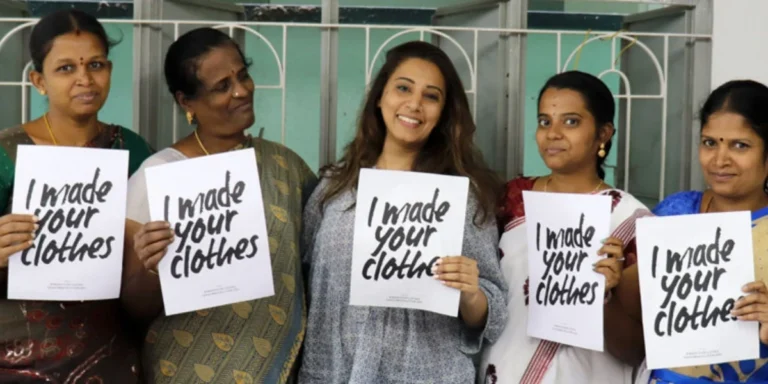
The economic structure of the snakeskin trade is profoundly skewed, with the vast majority of profits concentrated at the very top of the supply chain. As much as 96% of the profits from snakeskin products are retained by European luxury fashion brands, leaving a mere fraction to be distributed among those who undertake the dangerous and often brutal work of hunting and killing the animals. For instance, while brands like Louis Vuitton sell snakeskin bomber jackets for upwards of US$20,000, snake collectors may be paid as little as US$4 per snake, as reported by the UNODC in 2015. These capturers then sell to slaughterhouses, which in turn pay their workers poorly—sometimes less than US$10 per snake processed. These slaughterhouses then mark up the skins for sale to tanning exporters, who further inflate prices before selling to luxury fashion houses that apply their enormous profit margins. This hierarchical distribution of wealth effectively exploits the labor of marginalized communities, trapping them in a cycle of low wages while generating immense wealth for distant corporations. The claim that the industry genuinely supports the livelihoods of rural communities is therefore highly questionable, serving more as a justification for a exploitative system than an accurate reflection of its economic impact.
Industry Responses and the Path Forward: Next-Generation Materials
The increasing scrutiny of exotic skins has prompted varied responses from the fashion industry. As mentioned, several prominent fashion weeks—Copenhagen, Berlin, and Melbourne—have banned all wild animal skins, including reptile leathers, alongside fur and feathers. Individual luxury brands and retailers like Burberry, Vivienne Westwood, Nordstrom, Chanel, and Selfridges have also made commitments to move away from these materials. This collective shift signals a growing recognition that the ethical and environmental costs of exotic skins are becoming untenable in a more conscious market.
However, the transition is not without its complexities. Some brands have opted for "snake-effect" materials, which typically involve embossing reptilian patterns onto cowhide. While this avoids the direct ethical issues of wild snake capture and slaughter, it does not escape the broader problems associated with conventional leather production, which also carries significant environmental burdens (deforestation, greenhouse gas emissions, water pollution from tanning) and ethical concerns regarding cattle farming. This approach merely swaps one animal welfare issue for another, while still contributing to environmental degradation.
The more promising path forward lies in the development and adoption of next-generation, innovative materials that mimic the aesthetic qualities of snakeskin without any animal input. These bio-based and lab-grown alternatives represent the cutting edge of sustainable fashion, offering solutions that are free from animal cruelty and designed with reduced environmental impact in mind. While many of these options are still emerging and not yet widely available or scaled for mass production, they represent a significant leap towards truly ethical and sustainable fashion. Examples include:
- Mushroom Leather (Mycelium-based materials): Materials like Mylo™ by Bolt Threads or Reishi™ by MycoWorks are grown from mycelium, the root structure of mushrooms. They can be engineered to mimic various textures, including scales, and offer a soft, durable, and biodegradable alternative.
- Cactus Leather (Desserto): Made from nopal cactus, Desserto is a highly sustainable, organic, and partially biodegradable material that can be dyed and textured to resemble exotic skins. It requires minimal water and no toxic chemicals in its production.
- Pineapple Leather (Piñatex): Derived from pineapple leaf fibers, Piñatex offers a leather-like material with a unique texture. It’s a byproduct of existing agriculture, providing additional income for farming communities and reducing waste.
- Apple Leather (Appleskin): Created from apple pomace, a waste product of the juice industry, Appleskin provides a durable and versatile material that can be processed to resemble various leathers.
- Grape Leather: Utilizing grape pomace from wine production, this material offers another innovative way to repurpose agricultural waste into high-quality, leather-like textiles.
- Recycled/Bio-based Synthetics: While traditional synthetics have their own environmental footprint, advanced recycled polyesters and bio-based polymers (e.g., from corn or sugarcane) can be engineered to create realistic snakeskin textures with a significantly reduced impact compared to animal skins.
These next-generation materials are still undergoing scientific evaluation to precisely quantify their environmental footprint compared to animal skins. However, their fundamental advantage lies in their potential to decouple luxury aesthetics from animal suffering and ecological harm. They represent a paradigm shift, allowing designers to appreciate and draw inspiration from the beauty of nature without contributing to its destruction or the exploitation of sentient beings.
Broader Implications and Consumer Responsibility
The debate over snakeskin highlights a critical juncture for the luxury fashion industry. As consumer awareness of ethical and environmental issues grows, the industry faces increasing pressure to reconcile its traditional reliance on exotic materials with modern values of sustainability and compassion. The opaque, often illegal, and undeniably cruel practices within the snakeskin supply chain are becoming harder to ignore or justify.
The challenge for luxury brands is to innovate without compromising their brand identity or perceived value. This requires not just superficial changes but a fundamental re-evaluation of material sourcing and design philosophy. Investing in and promoting next-generation materials is not just an ethical imperative but also a strategic business decision that aligns with the values of a new generation of consumers who prioritize transparency, sustainability, and animal welfare.
For consumers, the power lies in informed choices. Understanding the true costs behind a snakeskin handbag or pair of shoes—the suffering of sentient animals, the degradation of rainforest ecosystems, the exploitation of human labor, and the chemical pollution of waterways—is crucial. Opting for innovative, animal-free alternatives, or even choosing to forego such materials altogether, sends a powerful message to the industry. The future of fashion, particularly luxury fashion, will increasingly be defined not just by exquisite design and craftsmanship, but by its ethical integrity and its commitment to a more sustainable and compassionate world. The continued embrace of snakeskin in the face of readily available, cruelty-free alternatives represents a significant ethical lag that the industry can no longer afford to maintain.