










The fashion industry, in its ongoing evolution towards greater sustainability and ethical responsibility, faces a significant paradox: while many prominent brands have publicly committed to banning fur, a similarly contentious practice—the use of exotic animal skins, particularly snakeskin—persists within luxury collections. This inconsistency raises critical questions about the true depth of these ethical commitments and prompts a closer examination of snakeskin production, its inherent ethical dilemmas, and its profound environmental and human impacts. Activists like Emma Håkansson, founding director of Collective Fashion Justice, are at the forefront of this scrutiny, challenging the industry to extend its ethical considerations beyond fur to encompass all wild animal skins.
The Enduring Allure and Ethical Blind Spot of Exotic Skins
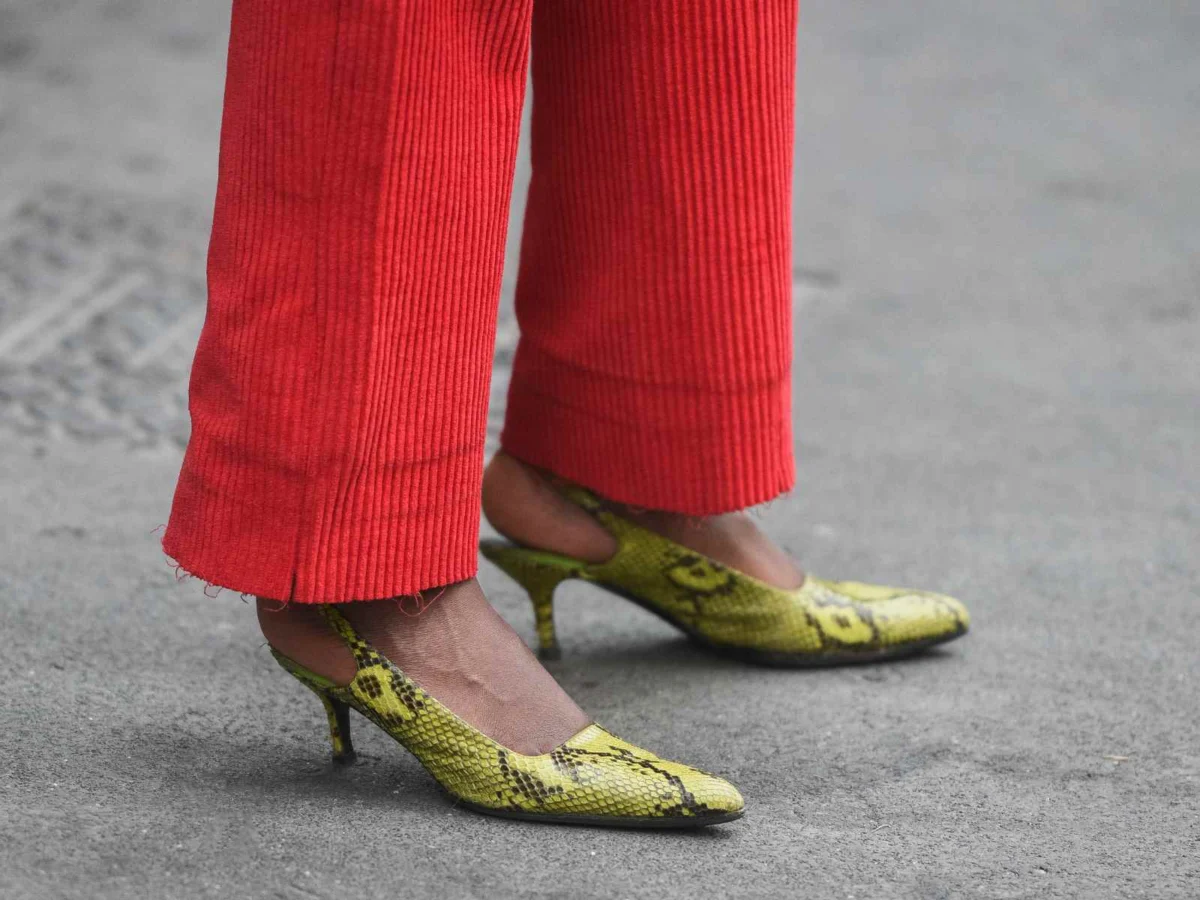
Snakeskin, often euphemistically labeled an "exotic skin" by the fashion industry, represents the skin of a wild animal, coveted for its unique patterns, texture, and perceived luxury. Despite growing awareness and bans by some organizations and brands, its presence remains strong, predominantly in high-end accessories such as handbags, wallets, and shoes. Iconic luxury houses like Gucci and Hermès continue to feature products crafted from reptile scales, perpetuating a demand that fuels a complex and often brutal supply chain.
The ethical dilemma is rooted in the fundamental misunderstanding or deliberate disregard of snakes as sentient beings. Contrary to popular misconceptions of snakes as cold, solitary creatures, scientific studies have increasingly revealed their capacity for personality, their ability to experience positive and negative states, and even their surprising social behaviors, including forming "friendship cliques." These findings underscore the suffering inherent in mistreatment and pain, making their commodification as a fashion material a profound ethical concern. The industry’s continued use of "snakeskin" as a single word, rather than "snake skin," subtly abstracts the material from its animal origin, creating a psychological distance that obscures the reality of its production.
Unveiling the Supply Chain: From Wild Capture to Brutal Slaughter
The journey of a snakeskin product begins far from the opulent boutiques, often in the rainforests of Asia, where native snakes are forcibly removed from their natural habitats. Indonesia and Malaysia are primary sources, with CITES (the Convention on International Trade in Endangered Species of Wild Fauna and Flora) trade data revealing staggering figures; in 2022, nearly 447,000 snakeskins were officially exported from Indonesia alone. This significant volume points to a vast, decentralized industry characterized by poor transparency and inadequate oversight.
A substantial portion of snake capture is carried out by unlicensed individuals who operate outside formal regulatory frameworks, selling their captures through intricate networks of middlemen. This informal structure makes it exceedingly difficult to accurately track the number of snakes taken from the wild or to monitor the methods of capture. Without effective supervision, wildlife hunters employ whatever means they deem fit, often with little regard for animal welfare. The lack of documented practices in wild capture poses severe risks to the animals, who are treated as mere commodities, stripped of any inherent value beyond their skin.
In an attempt to address growing public concern and claim improved welfare sourcing, some luxury conglomerates, such as Kering (owner of Gucci, Balenciaga, and Saint Laurent), have invested in snake factory farms. When Kering acquired a Thai snake factory farm in 2017, it publicly stated its intention to raise animals under "the best conditions for animals, farmers and the ecosystem" before their slaughter. However, investigations by animal welfare organizations like PETA into these very farms, including those supplying Kering, have exposed conditions that starkly contradict these claims. Snakes have been documented living in barren plastic boxes or cramped, unsanitary cages, treated more like inanimate objects than sentient individuals. These findings highlight a pervasive issue of "ethics-washing," where corporate statements about animal welfare standards fail to align with the grim reality on the ground.
The methods employed for slaughter in the snakeskin industry are consistently described as brutal and confronting. Investigations into slaughterhouses linked to major luxury brands, including those supplying LVMH (parent company of Louis Vuitton), have uncovered horrific practices. These include repeatedly bashing snakes’ heads with hammers, hanging snakes alive from hooks, and painfully pumping them full of water. Disturbingly, some reports detail instances where snakes appear to be skinned while still conscious, writhing in agony and gasping for air. Such treatment is universally condemned as unacceptable. Even if alternative slaughter methods were implemented to ostensibly reduce suffering, the fundamental outcome remains unchanged: animals are killed solely for their skins to satisfy a fashion trend. The existence of aesthetically similar, violence-free material alternatives begs the question of why this brutal practice persists.
The Shadow Economy and Environmental Devastation
Beyond the ethical implications for individual animals, the snakeskin supply chain is deeply intertwined with environmental degradation and illegal wildlife trade. The inherent lack of transparency within this industry makes it highly vulnerable to illicit activities. The United Nations Office on Drugs and Crime (UNODC) reported that between 2005 and 2013, five of the top six legal reptile skin source countries were also among the worst for illegally traded reptile skins globally. This overlap suggests a systemic issue where legal trade often masks or facilitates illegal operations.
In many major export countries, permits for harvesting snakes are often issued only to those who process the skins (slaughterhouses or tanneries), not to the hunters themselves. This creates a critical loophole: tracing the origin of snakes becomes a dubious task, making it difficult to ascertain if they were taken from protected areas or if their capture was even legal. Slaughterhouses frequently mix legally and illegally killed snakes, with reported export volumes often exceeding the legally permitted quotas. This unregulated extraction takes a severe toll on snake populations and the delicate balance of their ecosystems. Experts have voiced serious concerns about the industry’s inability to accurately gauge population numbers for these exploited species, leading to declines in sightings of larger, mature pythons in some areas. Even factory farms, which claim to offer a more controlled environment, have been implicated in contributing to this problem, with reports indicating that some farms capture wild snakes, briefly confine them, and then slaughter them, as this practice can be more profitable than full-scale captive breeding.
The environmental impact extends beyond the capture and slaughter. Once skins are obtained, they must undergo tanning, a chemical-intensive process that transforms raw hides into durable leather. This process typically involves a cocktail of highly toxic chemicals, including chromium and formaldehyde, similar to those used in processing other animal leathers. These chemicals are known carcinogens and pollutants. If wastewater from tanning facilities is not properly treated, these hazardous substances are discharged directly into local environments, contaminating water sources, harming ecosystems, and posing significant health risks to communities living nearby. Moreover, the tanning process often renders the skins no longer biodegradable, contributing to landfill waste at the end of a product’s life cycle.
The Human Cost: Exploitation and Inequality in the Supply Chain
Proponents of the snakeskin trade often attempt to justify its harms by claiming it provides essential livelihoods for poor, rural communities. However, this argument frequently masks severe exploitation. Experts reveal that in leading production regions in Asia, most individuals involved in snake capture do not rely solely on the industry for their income, often engaging in it "on the side."
More critically, the labor of these communities is routinely exploited, with the vast majority of profits concentrated at the top of the supply chain. Reports, including one by Business of Fashion, suggest that as much as 96% of the profits from snakeskin products are retained by European fashion brands, leaving a meager fraction for those who undertake the dangerous and arduous tasks of hunting and killing the animals. For instance, while a luxury brand like Louis Vuitton might sell a snakeskin bomber jacket for upwards of US$20,000, snake collectors may be paid as little as US$4 per snake, a figure reported by the UNODC in 2015. These capturers then sell to slaughterhouses, which in turn pay their workers poorly (sometimes under US$10 per snake) before selling the skins to tanning exporters who further mark up the price for sale to fashion brands. The brands then apply their enormous profit margins, creating a highly unequal distribution of wealth. Given this stark imbalance, any assertion that the industry genuinely supports the livelihood of rural communities in an equitable manner is highly questionable. The reality is often one of exploitative labor practices underpinning luxury profits.
Industry Responses and the Rise of Ethical Alternatives
The increasing pressure from fashion activists and organizations like Collective Fashion Justice has spurred some significant shifts within the industry. Recently, prominent events such as Copenhagen, Berlin, and Melbourne Fashion Weeks have implemented bans on all wild animal skins, mirroring earlier prohibitions on fur and feathers. Major brands and retailers, including Burberry, Vivienne Westwood, Nordstrom, Chanel, and Selfridges, have also moved away from the use of exotic skins.
However, a concerning trend has emerged where some brands, instead of embracing genuinely ethical alternatives, have opted to emboss reptilian patterns onto cow skin, marketing these products as "snake-effect." While superficially avoiding the direct use of exotic skins, this approach remains problematic. The leather industry, regardless of the animal source, is associated with its own set of significant environmental and ethical harms, including deforestation, greenhouse gas emissions, and the extensive use of toxic chemicals in tanning. Thus, replacing snakeskin with "snake-effect" cow leather merely shifts the burden of harm rather than eliminating it.
A more promising trajectory lies in the development and adoption of next-generation materials that are inspired by the aesthetics of snakeskin without causing harm to animals or the planet. While many of these innovative options are still emerging and not yet widely available, and comprehensive scientific data on their full lifecycle impact is still being gathered, they represent a vital step forward. These include:
- Mushroom Leather (Mycelium-based): Materials like Mylo (Bolt Threads) or Reishi (MycoWorks) offer a luxurious, durable, and biodegradable alternative derived from the root structure of fungi. They can be engineered to mimic various textures, including reptilian patterns.
- Pineapple Leaf Leather (Piñatex): Made from waste pineapple leaf fibers, Piñatex provides a sustainable, vegan leather alternative with a distinctive texture. It’s a byproduct of existing agriculture, reducing waste and offering additional income to farming communities.
- Apple Leather: Utilizing apple pomace, a waste product from the juice industry, this material creates a durable and flexible leather-like fabric.
- Cactus Leather (Desserto): Derived from Nopal cactus, Desserto is a highly sustainable and environmentally friendly vegan leather that is soft, breathable, and durable, capable of achieving various finishes.
- Recycled and Bio-based Synthetics: Advancements in polymer science are leading to high-performance synthetic materials made from recycled plastics or bio-based feedstocks, designed to emulate exotic textures with a significantly reduced environmental footprint compared to virgin synthetics.
These materials are not just substitutes; they represent a paradigm shift towards truly sustainable and ethical fashion. As research and development continue, and as consumer demand for cruelty-free options grows, these innovative alternatives are poised to become more prevalent, offering beautiful and responsible choices that move beyond the violence of animal skinning.
The Path Forward: A Call for Comprehensive Ethical Sourcing
The debate surrounding snakeskin, and exotic skins in general, underscores a critical juncture for the fashion industry. The ethical imperative to protect sentient beings from exploitation and the environmental urgency to mitigate climate change and biodiversity loss demand a comprehensive re-evaluation of material sourcing. The inconsistency of banning fur while retaining exotic skins exposes a selective morality that cannot be sustained in an increasingly informed global market.
For consumers, the responsibility lies in making conscious choices, demanding transparency from brands, and supporting companies that commit to genuinely ethical and sustainable practices. For the fashion industry, the challenge is to embrace innovation, invest in next-generation materials, and move beyond superficial "ethics-washing" to implement robust, verifiable animal welfare and environmental standards across all supply chains. The true measure of luxury should not be the rarity or exoticism of a material obtained through suffering and destruction, but rather the integrity, innovation, and ethical foundation upon which it is built. The future of fashion, if it is to be truly sustainable and responsible, must be one where the beauty of design does not come at the cost of animal lives or planetary health.