






When it comes to personal grooming and aesthetic presentation, few factors play a more influential role than a man’s choice of hairstyle. While facial structure, personal style preferences, and lifestyle constraints frequently dictate grooming decisions, the ultimate determining factor remains the biological characteristic of the hair itself. Hair texture, density, growth patterns, and individual strand thickness govern how a haircut performs daily, how obediently it holds styling products, and how it responds to environmental conditions like humidity and temperature.
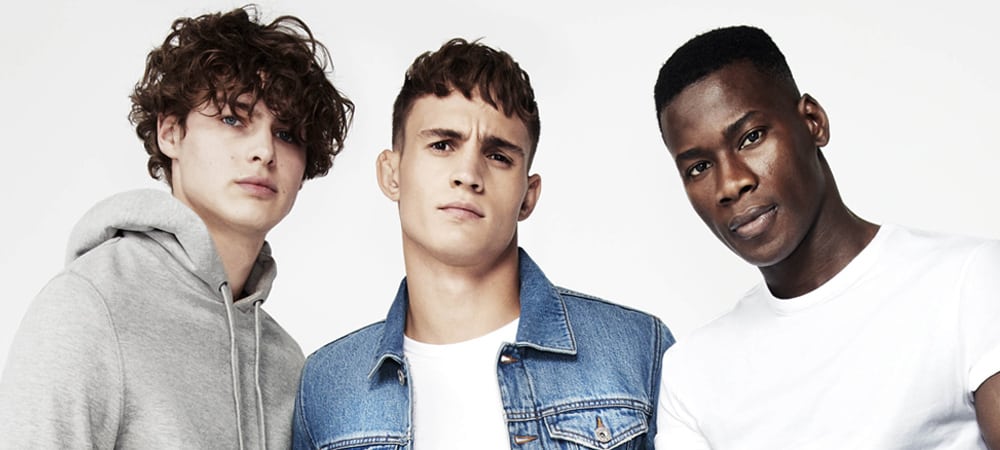
Despite the frustration felt by those burdened with unruly or fine locks—and the quiet envy directed toward individuals blessed with thick, resilient manes—achieving an optimal appearance requires a tailored approach. Industry-leading stylists and master barbers consistently emphasize that a bespoke haircut matching specific biological hair types yields superior results compared to chasing generic trends. Understanding the structural properties of different hair classifications allows individuals to collaborate effectively with their barbers, transforming a daily styling battle into a manageable and polished routine.
Understanding the Anatomy of Men’s Hair
Hair science classifies human hair according to various intrinsic traits, including cross-sectional shape, follicle angle, moisture retention capabilities, and tensile strength. For instance, straight and fine hair shafts tend to be circular and fine in diameter, which limits natural volume and allows gravity to pull locks flat against the scalp. Conversely, highly textured or Afro hair features asymmetrical, elliptical cross-sections that bend sharply as they emerge from the follicle, resulting in tight coils or distinct waves. These structural variances directly impact how light reflects off the hair cuticle, influencing perceived shine and overall health.
Historically, men’s grooming relied heavily on one-size-fits-all styling formulas, often resulting in lackluster results and wasted expenditure on incorrect pomades, waxes, or sprays. Modern styling philosophy shifts the paradigm toward proactive hair management, where cutting techniques complement natural growth tendencies rather than forcing hair into unnatural configurations. By analyzing historical grooming trends alongside contemporary professional insights, experts have established definitive guidelines for managing the seven primary men’s hair classifications: thick, Asian, fine, wavy, Afro, unruly, and thinning.
Thick Hair: The Management of Fullness and Weight
Thick hair is frequently perceived as the ultimate grooming luxury, serving as a visual indicator of youth and robust follicular health, entirely devoid of male pattern baldness indicators. However, professionals view thick hair with a nuanced perspective. Denis Robinson, artistic director at Ruffians, notes that thick hair encompasses various sub-types, ranging from soft and wavy to wiry and coarse, unified primarily by extreme fullness. This density can quickly render a hairstyle unmanageable if left unchecked, often requiring frequent salon maintenance to preserve structural integrity.
Recommended Cuts and Maintenance for Thick Hair
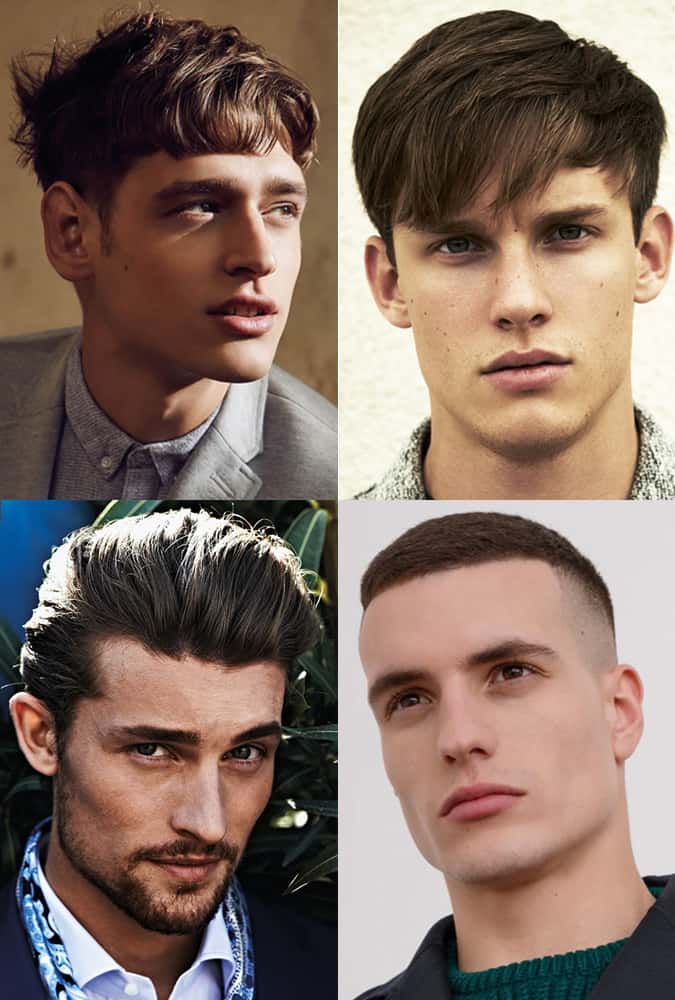
Because thick hair carries substantial natural weight, it responds well to both extreme ends of the length spectrum. Short crops eliminate excess bulk and simplify daily routines, while longer hairstyles leverage gravity to keep unruly strands anchored in place. Barbers frequently employ hidden internal layers and gentle texturizing techniques at the ends to diffuse heaviness and introduce refined shape. This structural flexibility allows men with thick hair to successfully execute demanding styles such as a classic pompadour, textured quiff, or structured man bun.
Strategic Product Application
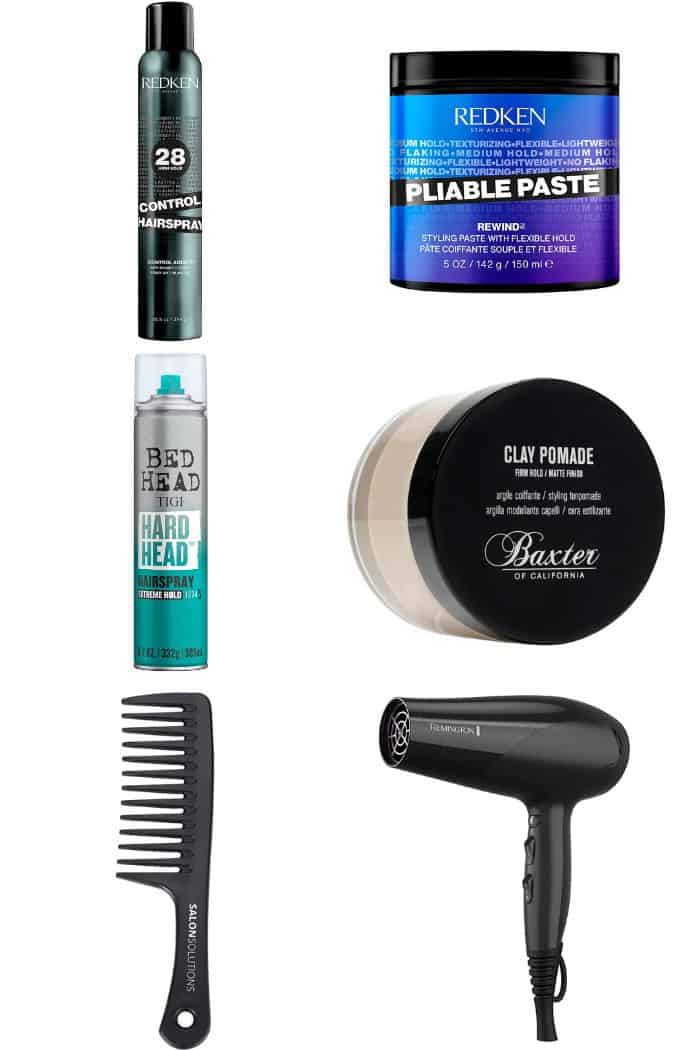
Controlling thick hair demands precision in tool and product selection. To achieve vertical lift for styles like a quiff, application of a volumizing mousse or lightweight gel directly to the damp root area prior to blow-drying is essential. For sleeker, more controlled finishes, products should be applied while hair is damp to lock in shape without causing excessive expansion. Grooming kits should strictly exclude fine-tooth combs and dense bristle brushes, which agitate the cuticle and trigger unwanted volume; instead, a wide-tooth comb paired with a diffuser-equipped hairdryer guarantees optimal, frizz-free results.
Asian Hair: Balancing Density, Shine, and Manageability
Individuals carrying South or East Asian genetic heritage typically possess hair characterized by high natural density and exceptional light reflectivity, translating into a remarkably glossy appearance. Michael Lendon, creative director at Aveda, highlights these traits as some of the most desirable in traditional hairstyling. Nevertheless, this hair type presents distinct mechanical challenges. Asian hair shafts are often resistant to thermal styling tools without the reinforcement of powerful styling agents. Furthermore, as the hair matures, it can experience accelerated thinning and increased vulnerability to structural breakage.
Geometric Precision and Gravity-Defying Cuts
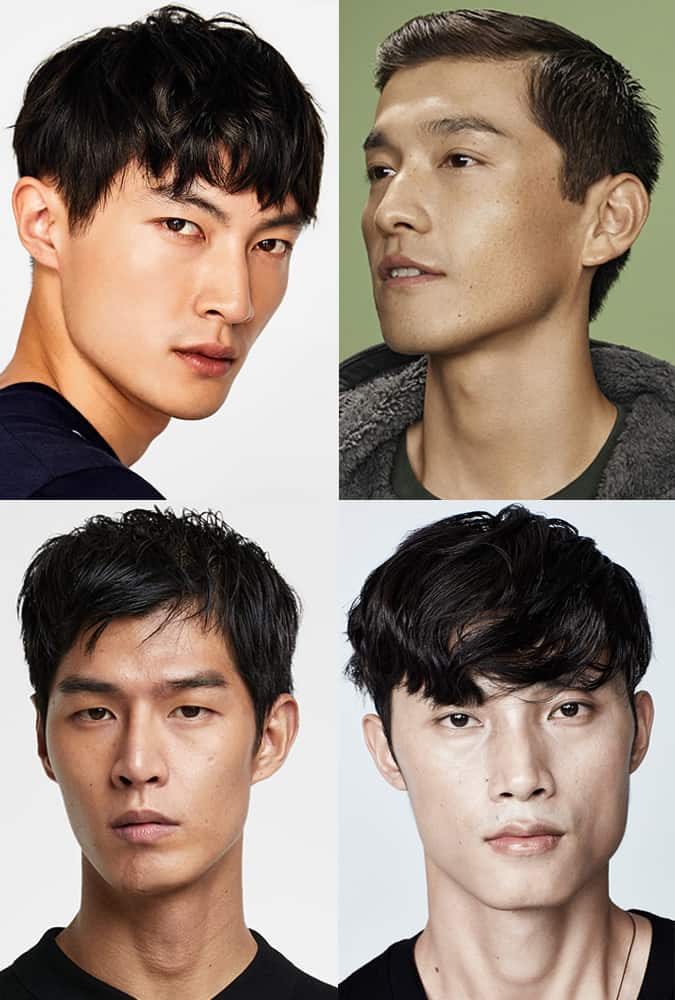
Due to the sheer density and coarse diameter typical of Asian hair, vertical styling feats require immense product intervention. Consequently, professional consensus advises working harmoniously with gravity rather than fighting against it. Sharp geometric shapes and precise short crops complement Asian hair effortlessly, hanging naturally with minimal daily manipulation. Men seeking low-maintenance solutions often gravitate toward short back and sides paired with graduated length on top, or longer fringe variations that can be neatly swept behind the ears.
Enhancing Texture and Volume
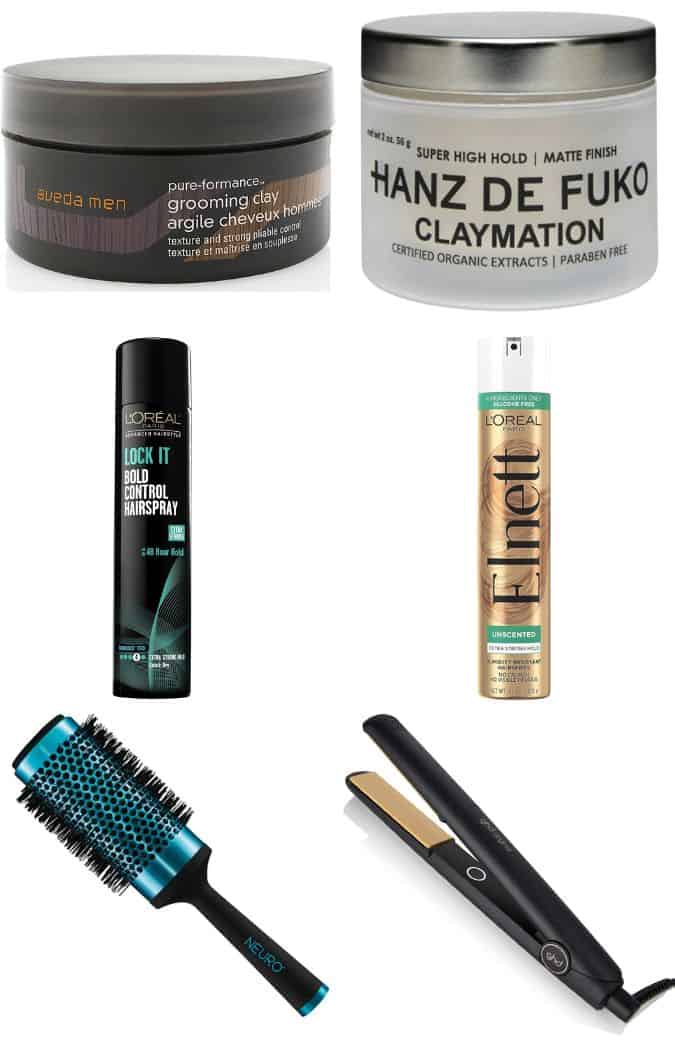
The primary aesthetic hurdle for Asian hair is the absence of natural volume, stemming from its heavy, straight construction. Incorporating styling clays provides crucial surface definition, which must be secured using a robust hairspray. Drying techniques vary by length: short styles benefit from a high-performance hairdryer combined with a metal-barreled round brush to inject bounce, whereas longer locks respond favorably to flat irons or thermal tongs to polish the cuticle and accentuate natural sheen.
Fine Hair: Overcoming Limpness and Lack of Density
Fine hair occupies a unique space in men’s grooming discourse, frequently eliciting little public sympathy compared to advancing baldness, despite presenting severe daily styling obstacles. Because the individual strand diameter is exceptionally narrow, fine hair lacks fundamental density and structural volume, often exposing the scalp under direct lighting. Joseph Lanzante, owner of Manchester’s The Men’s Room, explains that the core deficiency of fine hair lies in its lack of bulk, resulting in a limp, lifeless appearance if mishandled.
The Paradox of Length in Fine Hair Management
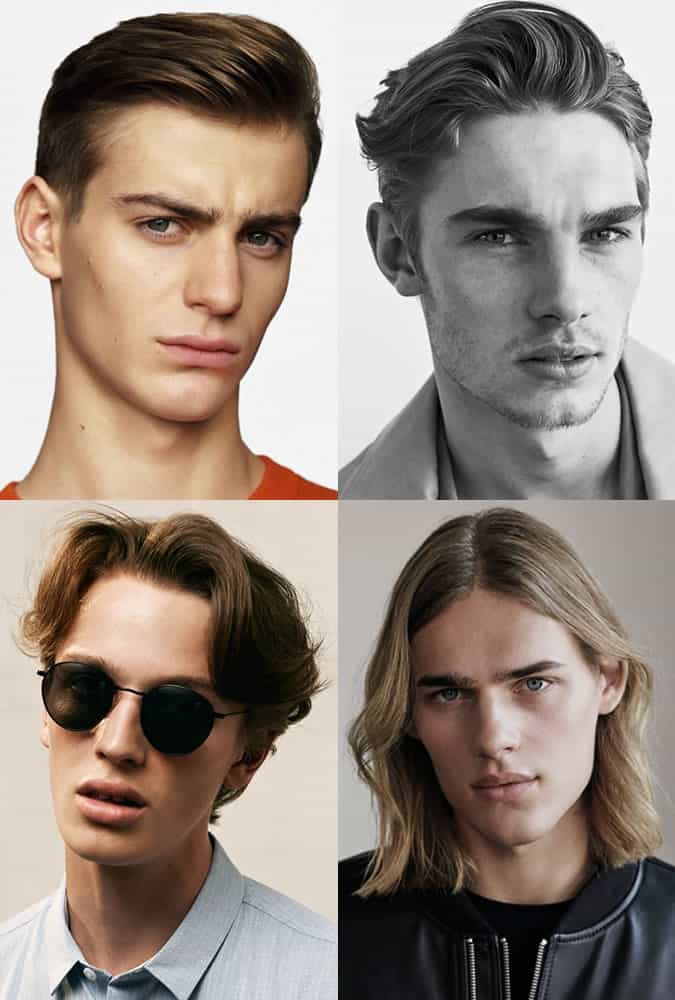
Conventional intuition suggests that men with fine hair should adopt short hairstyles to maximize neatness. However, professional stylists advocate for maintaining a medium length—typically ranging from ear-to-shoulder level—to provide enough physical weight and body. Layered curtain cuts or mid-length swept-back styling successfully disguise the limitations of fine strands, preventing the scalp from dominating the visual profile.
Modern Science and Volumizing Techniques
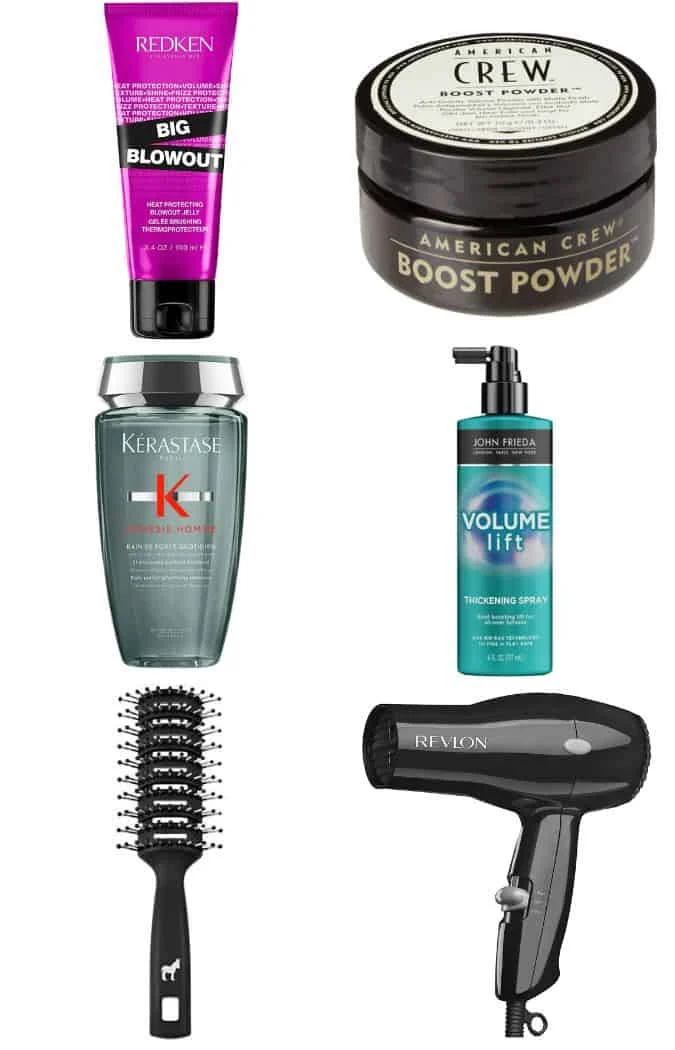
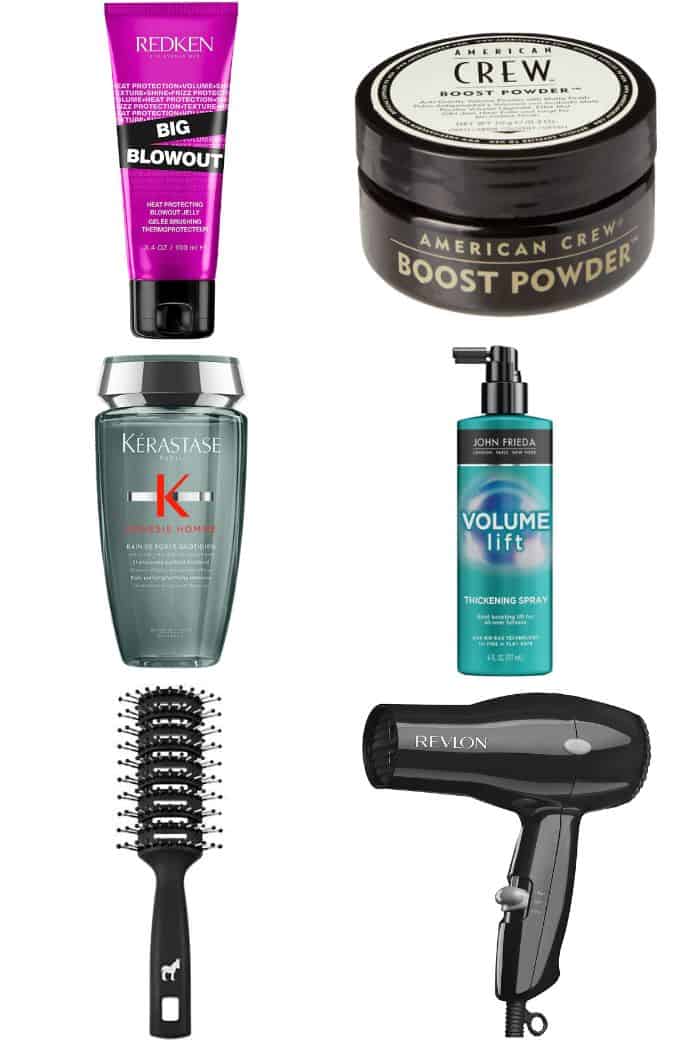
Modern advancements in hair technology offer effective solutions for fine textures. Blow-dry lotions engineered for volume, paired with dry styling powders for added surface density, transform limp strands into resilient styles. Conversely, heavy pomades, petroleum-based waxes, and oily serums must be entirely avoided, as excess weight causes the hair to collapse instantly. Proper drying technique is equally vital; styling with a vented brush while directing airflow upside down artificially lifts the roots, creating the illusion of fullness.
Wavy Hair: Harnessing Movement and Definition
Wavy hair represents a morphological middle ground between straight and curly classifications, frequently leaving individuals uncertain of how to establish a cohesive grooming routine. Celebrated hairstylist Oliver J. Woods notes that wave patterns vary drastically in amplitude and texture. Because wavy hair grows in irregular patterns compared to straight follicles, it requires dedicated cutting strategies and targeted products to maintain a deliberate, purposeful shape.
Tailored Cutting Strategies for Wavy Textures
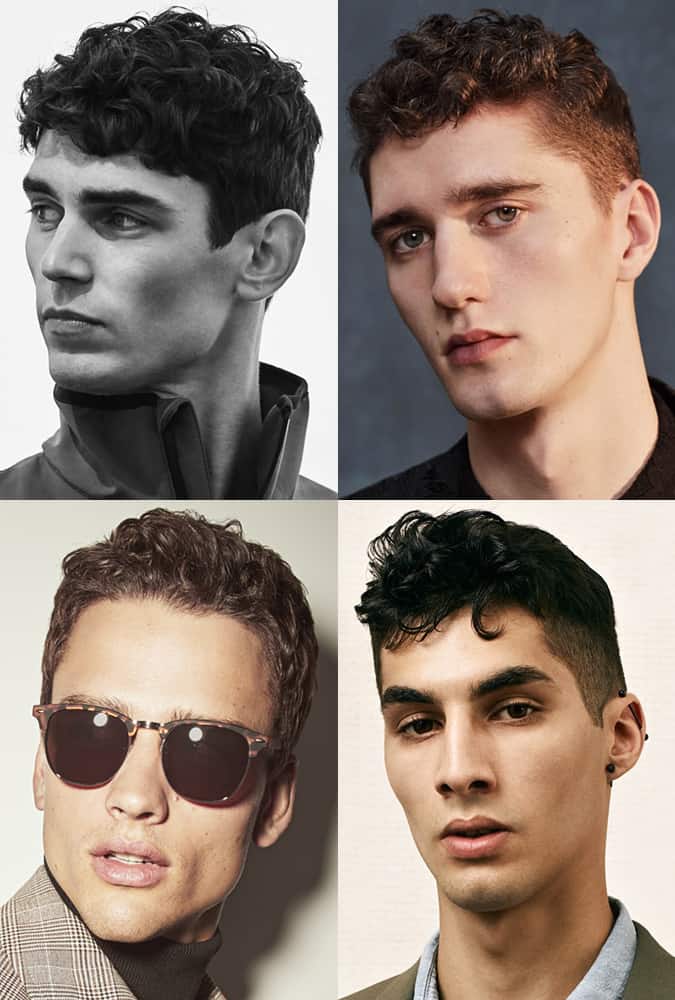
Unmanaged wavy hair quickly devolves into an untamed appearance, lacking the clean lines expected in professional or formal environments. To introduce structure, barbers recommend maintaining a short profile along the back and sides while preserving length on top. This contrast encourages natural movement while keeping the overall silhouette sharp, making messy crops and textured quiffs ideal selections.
Essential Tools and Finishing Products
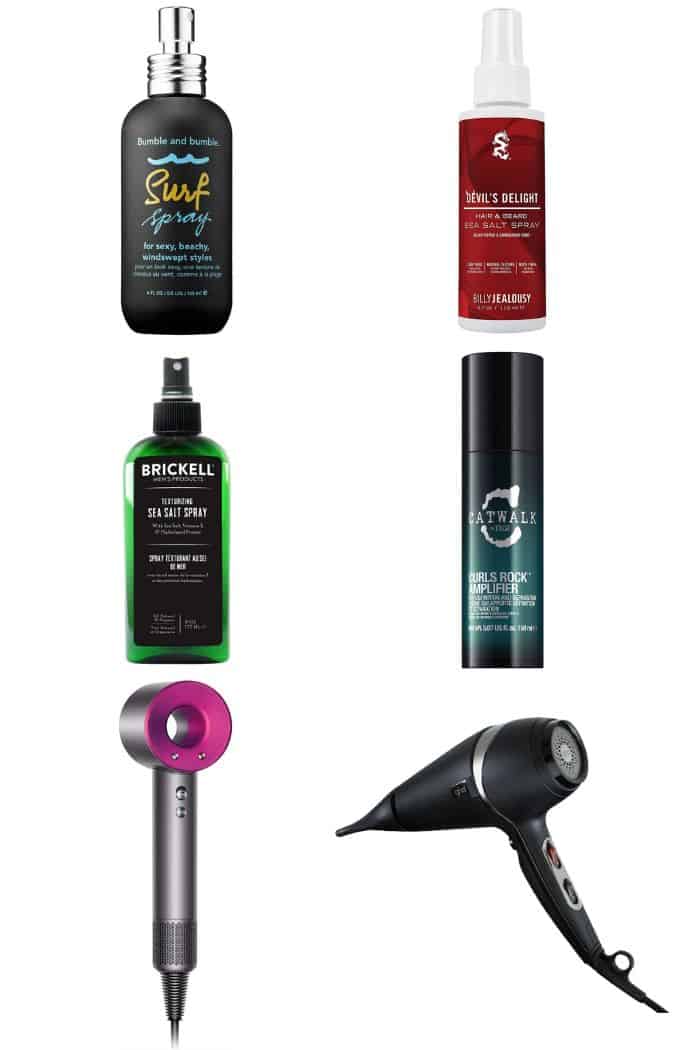
Achieving an effortless, non-uniform aesthetic requires minimal hardware. A quality sea salt spray applied to damp hair builds foundational texture and grit, which is subsequently locked into place using a matte styling clay. Elaborate styling tools are largely unnecessary; finger-styling combined with a standard hairdryer delivers superior, organic-looking results.
Afro Hair: Preserving Moisture and Defining Natural Coils
Afro or highly textured hair is a broad category that spans a wide spectrum of individual curl patterns, ranging from tight micro-coils to looser, springy waves. Michael Lendon explains that textured hair shafts are rarely cylindrical, a structural nuance that scatters light and results in a natural reduction in surface shine. Additionally, the complex geometry of tight coils impedes the natural distribution of scalp sebum along the hair shaft, making textured hair exceptionally prone to dryness and structural brittleness.
Curl-Responsive Cutting Techniques
The distinct advantage of Afro hair lies in its inherent ability to hold shape without continuous thermal manipulation. Barbers tailor cuts to honor the specific curl architecture, determining whether a rounded, squared, or heavily faded silhouette is most appropriate. Wavy curl patterns pair exceptionally well with blunt fringes and precise fades, whereas tight coils benefit from shorter, structured cuts on top that offer a contemporary nod to classic retro aesthetics.
Moisture-Centric Maintenance and Styling
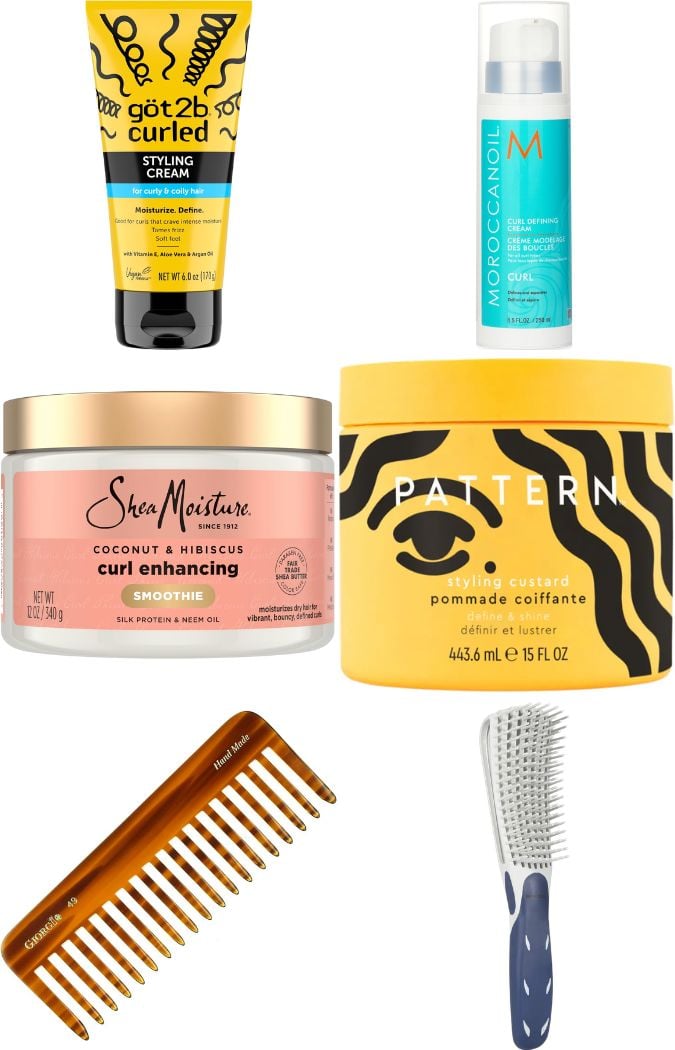
Prioritizing hydration is the absolute prerequisite for managing Afro hair. Rich styling creams and targeted curl-enhancing formulas define natural wave patterns while actively subduing frizz and restoring reflective shine. Because textured hair breaks easily under physical stress, wide-toothed detangling combs and paddle brushes are required for even product distribution. When drying, utilizing a diffuser attachment at a low heat setting prevents thermal shock and preserves curl integrity.

Unruly Hair: Taming Mavericks and Rebel Cuticles
Unruly hair is characterized by an irregular, rough cuticle layer that refuses to lay flat or conform to predictable parting lines. Ruffians barber Stevie Warwicker points out that while unruly hair is notoriously difficult to domesticate, its inherent structural roughness provides an abundance of natural texture and body, which can be leveraged advantageously through proper styling architecture.
Strategic Lengths and Weight Distribution
Managing rebellious hair relies heavily on establishing the correct balance between cut and product. Extreme lengths—either very short crops or significantly longer, layered styles—outperform medium-length cuts, which tend to puff outward unpredictably. Weight and structural texture must be engineered into the cut by the barber to ensure ongoing manageability throughout the hair’s growth cycle.
Conditioning and Smoothing Protocols
Similar to managing rebellious locks in adolescence, unruly hair demands structured discipline. Rich cream- and oil-based formulations replenish lost moisture, smoothing the raised cuticle to eliminate flyaways and chronic frizz. Pairing a focused hairdryer with a vented brush effectively compresses the cuticle layer, compelling the hair to lie flat and maintain a clean finish throughout the day.
Thinning Hair: Tactical Approaches to Age-Related Changes
Statistical projections indicate that over seventy-five percent of men will experience noticeable hair thinning or a receding hairline by the age of fifty. Michael Lendon describes thinning hair as exceptionally silky and floppy, traits that rob the hair of natural body and complicate volume retention. While the instinctive reaction for many is to immediately deploy electric hair clippers, professional stylists advocate for strategic patience and tailored intervention.
Perimeter Bulking and Precision Crops
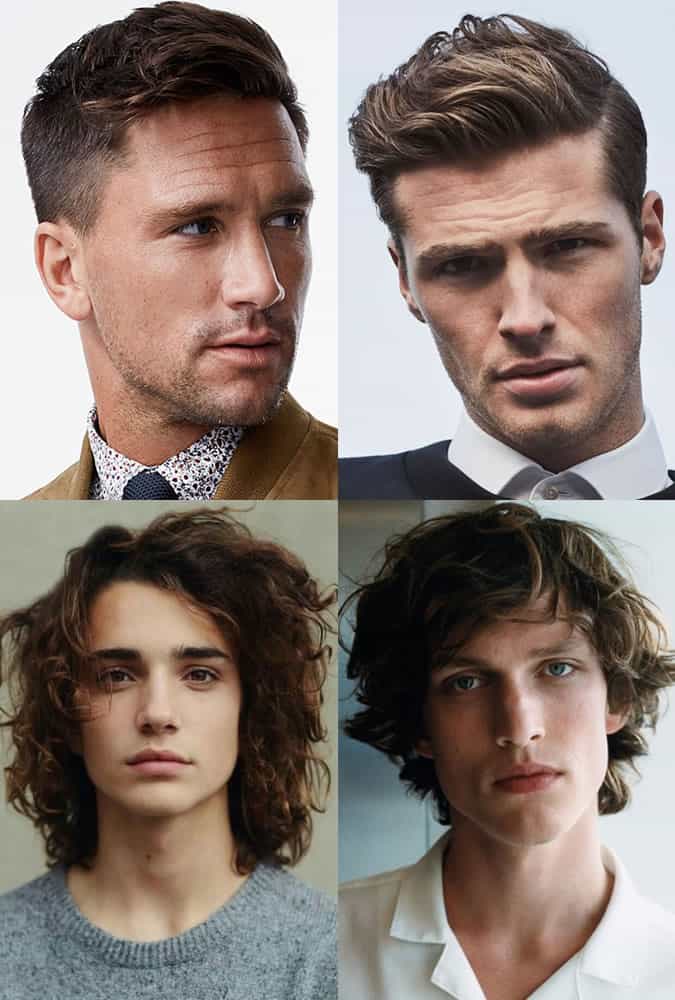
To counteract the visual impact of thinning crowns or receding temples, barbers utilize specific cutting geometries. Blunt cuts kept above the shoulder maximize perceived density at the perimeter. For localized thinning at the crown, a textured crop measuring one to two inches creates overlapping coverage, while shorter fades on the sides seamlessly blend disparate lengths. Advanced thinning responds best to cropped French cuts or clean buzz cuts, offering a dignified transition rather than premature surrender.
Scalp Health and Volumizing Innovations
Preserving thinning hair requires meticulous scalp hygiene to prevent follicular blockage caused by product buildup, which can further impede healthy growth cycles. Regular, gentle exfoliation paired with lightweight, water-based formulations ensures the scalp remains unobstructed. Styling practices should mirror those used for fine hair: directing high-heat airflow upward from beneath the roots maximizes lift, offering a practical, cost-effective alternative to surgical hair restoration procedures.