











The fashion industry has long grappled with a deeply rooted existential crisis, one that has concerned entrepreneurs like Emily Gittins since her adolescence. As modern consumer habits lean heavily toward the relentless pursuit of fast fashion trends, the environmental toll of apparel production has escalated to alarming proportions. Industry estimates indicate that the global fashion sector is responsible for nearly 10% of global carbon dioxide emissions—surpassing the combined footprint of international flights and maritime shipping—and accounts for more than 20% of all wastewater globally. Despite these staggering ecological impacts, consumer demand for rapid trend cycles and low-cost apparel remains largely unabated.
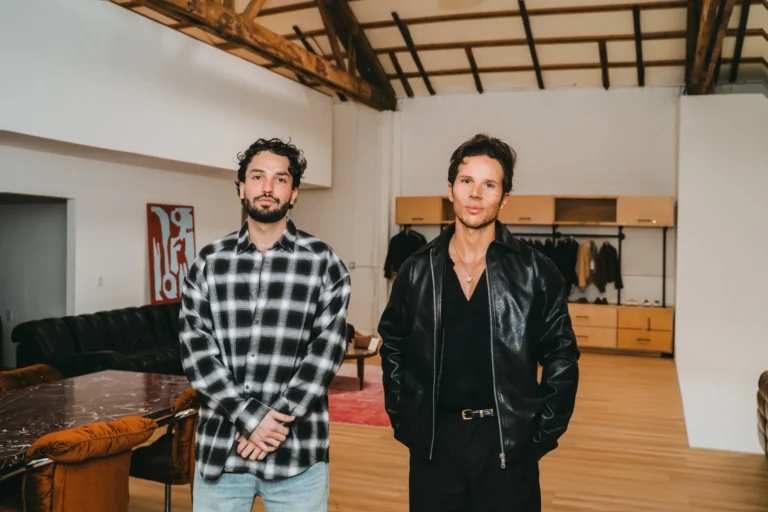
Recognizing that modern consumption patterns are fundamentally unsustainable, Gittins set out to build a systemic solution rather than merely advocating for conscious consumerism. In 2021, she joined forces with co-founder Ryan Rowe to establish Archive, a technology company designed to bridge the gap between retail brands and the burgeoning circular economy. Archive provides specialized software infrastructure that enables fashion merchants and global enterprises to launch, manage, and scale customized resale platforms tailored to their unique brand identities and operational needs. Through these white-label ecosystems, brands can facilitate peer-to-peer marketplaces, trade-in programs, and authenticated secondhand sales directly through their own digital storefronts.
The Genesis and Evolution of Archive
The journey of Archive began against the backdrop of an accelerating shift in consumer behavior. Long before launching the company, Gittins recognized that traditional retail models were locked into a linear "take-make-waste" trajectory. While thrift stores and digital peer-to-peer marketplaces like Depop and Poshmark had existed for years, major fashion brands largely stood on the sidelines, missing out on the secondary value of their own products while ceding control of their brand narratives to third-party platforms.
Upon launching in 2021, Gittins and Rowe positioned Archive to solve the backend complexities that previously prevented major retailers from entering the resale space. Operating in a competitive landscape that includes peers like Trove and Treet—both of which offer digital resale solutions for apparel brands—Archive sought a distinct competitive advantage. The company engineered its software architecture to seamlessly support enterprise-grade, global brands operating across multiple continents and regulatory jurisdictions.
By 2025, Archive had established partnerships with more than 50 prominent apparel and luxury brands. The company’s impressive client roster includes major names such as New Balance, The North Face, and Oscar de la Renta. By integrating Archive’s technology stack, these brands are able to recapture lost revenue streams while simultaneously addressing their corporate sustainability commitments.
Comprehensive Infrastructure for the Circular Economy
Operating a profitable and efficient resale program requires much more than simply setting up a webpage for used clothes. Retailers venturing into secondhand commerce often face massive operational hurdles, including inventory intake, product authentication, quality grading, refurbishment, logistics, and dynamic pricing. Archive addresses these multifaceted challenges by offering an end-to-end software suite designed specifically for reverse logistics and circular retail.
Key features of the Archive platform include smart pricing algorithms and automated product feeds that accurately value used garments based on historical market data and item condition. Furthermore, the software integrates robust warehouse management tools designed to handle the complex intake, processing, repair, and fulfillment cycles unique to secondhand inventory. Beyond day-to-day warehouse operations, Archive provides enterprise-grade analytics tools that give brands deep visibility into profit margins, operational costs, and customer lifetime value. Retailers can easily integrate Archive’s software with their existing enterprise resource planning (ERP) systems and customer relationship management (CRM) tools, enabling frictionless data sharing and unified inventory management.
Through these technological integrations, Archive has effectively dismantled one of the most persistent executive anxieties surrounding the secondhand market: the fear that reselling used items will cannibalize sales of brand-new, full-price inventory. According to Gittins, longitudinal data collected from brand partners has entirely debunked this concern. Instead of diverting buyers away from primary retail channels, branded resale programs actually attract new, budget-conscious consumers into the brand ecosystem, build stronger brand loyalty, and ultimately drive higher cumulative customer spend over time.
Venture Capital Backing and Financial Growth
The rapid expansion of Archive has caught the attention of top-tier institutional investors who recognize the immense financial upside of the circular economy. This investor confidence was recently underscored by a successful $30 million Series B funding round. The financing was led by Energize Capital, with participation from a roster of prominent venture capital firms including Lightspeed Venture Partners, G9 Ventures, and Bain Capital Ventures.
This latest capital injection brings Archive’s cumulative funding to $54 million since its inception. Company leadership has announced that the newly acquired capital will be deployed primarily toward accelerating core software development, expanding engineering and product teams, and driving further product innovation to support the company’s next phase of global growth. As brands increasingly look toward 2025 and beyond to hit their long-term environmental, social, and governance (ESG) targets, Archive is positioning itself as the definitive operational backbone for enterprise-scale circular commerce.
Market Tailwinds: The Booming Secondhand Economy
Archive’s rapid ascension is occurring in tandem with an unprecedented macroeconomic boom in the broader secondhand apparel market. According to comprehensive industry research published in a recent resale report by retail giant ThredUp, the U.S. secondhand market alone is projected to skyrocket to a staggering $73 billion by the year 2028. Globally, the trajectory is similarly steep; a report by The Guardian noted that secondhand clothing is currently on track to capture roughly 10% of total global fashion sales.
This explosive growth is being fueled by a confluence of generational shifts and economic pressures. Gen Z and millennial consumers, in particular, have embraced thrift and resale culture not merely out of financial pragmatism, but as a core ethical stance against the wastefulness of fast fashion. For these demographic groups, purchasing secondhand is a badge of honor and a tangible way to reduce their personal carbon footprints. Furthermore, persistent inflationary pressures and economic uncertainty have made cost-effective, high-quality vintage and secondhand apparel an increasingly attractive alternative to newly manufactured goods.
Regulatory Pressures and Legislative Tailwinds
Beyond consumer demand and venture capital backing, the secondhand fashion industry is receiving a powerful tailwind from an unexpected quarter: government regulation. Policymakers around the world are waking up to the environmental catastrophe of textile waste and are beginning to pass legislation that incentivizes sustainable business practices and circular supply chains.
In the United States, states like California are leading the charge with landmark legislation such as the Responsible Textile Recovery Act. This new law mandates extended producer responsibility (EPR) for apparel and textile companies, requiring brands to take financial and operational responsibility for the end-of-life management of their products. Similar regulatory frameworks are rapidly taking shape across Europe, where strict environmental directives aim to curb textile dumping and force fashion companies to adopt circular economy principles. These regulatory shifts transform branded resale from an optional corporate social responsibility initiative into an essential compliance strategy for brands wishing to maintain market access in major global economies.
The Broader Implications for the Global Fashion Industry
The rise of enterprise resale platforms like Archive signals a fundamental structural transformation in how the multi-trillion-dollar fashion industry operates. For decades, the industry’s growth was inextricably linked to resource extraction, mass production, and linear disposal. Today, forward-thinking brands are realizing that long-term business resilience requires decoupling revenue growth from virgin resource consumption.
By providing the software infrastructure necessary to seamlessly integrate resale into traditional retail models, Archive and its competitors are helping to normalize secondhand shopping on a global scale. As more enterprise brands launch dedicated resale ecosystems throughout 2025 and beyond, the stigma historically associated with pre-owned clothing is rapidly evaporating.
Ultimately, the convergence of consumer demand, technological innovation, venture capital investment, and tightening government regulations is creating a perfect storm for the circular economy. Companies that embrace this shift early—leveraging platforms like Archive to manage the complexities of reverse logistics and authenticated resale—are not only safeguarding their profit margins against future economic and environmental shocks, but they are also fundamentally redefining the future of global retail.