










Good On You, a leading authority in ethical brand ratings, consistently publishes weekly offers and discounts from highly rated brands, all of which have undergone assessment by its rigorous ratings system. This initiative is designed to ensure that consumers have access to more sustainable and affordable options when purchasing new items. By utilizing Good On You’s provided codes and links, consumers also indirectly support the organization’s ongoing work in promoting ethical consumption. The platform’s editorial mission underscores a commitment to transparency and empowering informed choices in the fashion industry.
The core philosophy driving this weekly publication is Good On You’s belief that sustainability should not be a luxury but an accessible standard. To this end, the platform curates exclusive promotional offers from its extensive network of sustainable fashion brands, each meticulously rated "Good" or "Great" based on comprehensive criteria spanning environmental impact, labor practices, and animal welfare. These offers are diligently updated every Wednesday, guaranteeing that only active promotions are presented to the audience. This systematic approach not only assists consumers in discovering competitive prices from top-rated ethical brands but also serves as a vital mechanism for highlighting and supporting the innovative and responsible work these brands undertake.
The Imperative for Sustainable Fashion: A Global Shift
The global fashion industry, valued at over $2.5 trillion, has long been under scrutiny for its significant environmental footprint and social inequities. Fast fashion, characterized by rapid production cycles, low prices, and disposable garments, contributes substantially to textile waste, water pollution, and carbon emissions. Reports indicate that the fashion industry accounts for up to 10% of global carbon emissions, more than international flights and maritime shipping combined. Furthermore, approximately 85% of all textiles end up in landfills or are incinerated, highlighting a linear consumption model that is no longer viable. Socially, the industry is plagued by issues such as exploitative labor practices, unsafe working conditions, and inadequate wages in supply chains predominantly located in developing countries.
In response to these pressing concerns, there has been a notable surge in consumer awareness and demand for sustainable alternatives. A 2022 survey by McKinsey & Company revealed that 60% of consumers are willing to pay more for sustainable products. This growing consciousness has fueled the rise of the ethical fashion movement, prompting both established brands and innovative newcomers to adopt more responsible practices. Good On You positions itself at the forefront of this movement, providing a trusted guide for consumers navigating the complex landscape of sustainability claims, often referred to as "greenwashing."
Good On You’s Rigorous Vetting Process: Defining ‘Good’ and ‘Great’
Good On You employs a comprehensive and transparent rating system, evaluating brands across three key areas: Planet, People, and Animals. Each brand receives a rating from "We Avoid" to "Great," allowing consumers to quickly understand a brand’s overall ethical performance.
- Planet: This category assesses a brand’s environmental impact, considering factors such as water use, waste management, chemical usage, energy efficiency, and material sourcing. Brands that use a high proportion of lower-impact materials (e.g., organic cotton, recycled polyester, linen, hemp), implement circular design principles, minimize packaging waste, and reduce greenhouse gas emissions are rated higher.
- People: This evaluates a brand’s labor practices and social impact. Key indicators include fair wages, safe working conditions, transparent supply chains, freedom of association for workers, and efforts to eradicate forced labor or child labor. Good On You scrutinizes certifications like Fair Trade and assesses a brand’s commitment to worker empowerment and community engagement.
- Animals: This criterion examines a brand’s animal welfare policies, particularly concerning the use of animal-derived materials. Brands that avoid fur, angora, exotic animal skin/hair, and implement robust policies for down, leather, and wool sourcing (e.g., certified responsible wool standards, Mulesing-free wool) receive higher ratings. Vegan brands that completely eschew animal products typically achieve top scores in this category.
By consolidating vast amounts of data—including publicly available information, industry reports, certifications, and direct engagement with brands—Good On You provides a holistic and objective assessment. This rigorous vetting process is crucial in an era where sustainability claims are common, but verifiable evidence is often lacking.
Deep Dive into Featured Sustainable Brands and Their Exclusive Offers
This week’s highlighted brands exemplify the diversity and innovation within the sustainable fashion sector, each offering unique approaches to ethical production and consumption.
SeamsFriendly: Crafting Custom, Convertible Eco-Wear
SeamsFriendly stands out for its commitment to creating beautiful, tailored pieces designed for all body types, emphasizing both function and utility. The brand champions a philosophy that directly counters the fast fashion model by promoting a smaller, more versatile wardrobe. Its signature offering lies in reversible, convertible, and transformative garments, allowing multiple looks from a single piece. This approach significantly extends the lifespan and utility of each item, reducing the need for frequent purchases—a cornerstone of sustainable consumption.
Central to SeamsFriendly’s ethos is its use of lower-impact, natural fabrics such as organic cotton and linen. Organic cotton cultivation avoids harmful pesticides and synthetic fertilizers, reducing soil degradation and water pollution, while linen, derived from flax, is known for its minimal water footprint and durability. The brand further distinguishes itself through its made-to-order model, enabling customers to customize designs to their exact preferences. This includes adjusting neck style, depth, sleeve length, garment length, and even fabric choices. This bespoke approach minimizes overproduction and waste, as items are only created when an order is placed, rather than produced speculatively.
Moreover, SeamsFriendly offers an impressive range of customizable sizing, ensuring true inclusivity. For womenswear, bust sizes range from 26" to 70" and waist sizes from 19" to 63", accommodating petite, regular, and tall heights. Menswear offers chest sizes from 34" to 76" and above, with free custom sizing. A dedicated kids’ range is also available (bust: 18"-28", waist: 19"-26"). This commitment to perfect fit not only enhances customer satisfaction but also promotes garment longevity, as well-fitting clothes are more likely to be cherished and worn repeatedly. The brand’s products are handcrafted by skilled artisans, supporting traditional craftsmanship and fair labor practices within its supply chain.
Current Offers:
- Reversible and Convertible Clothing: Exclusive 15% off with code SF-GY15 (Sale items excluded, ends March 28). This offer highlights pieces designed for maximum versatility, aligning with the "buy less, choose well" principle.
- Most Loved Designer Styles: Exclusive 15% off with code SF-GY15 (Sale items excluded, ends March 28). These styles are custom-made to exact measurements, celebrating artisanal craftsmanship and personalized fit.
- Jumpsuits and Rompers for Women: Exclusive 15% off with code SF-GY15 (Sale items excluded, ends March 28). Addressing the common fit challenges of jumpsuits, this offer emphasizes custom tailoring for an ideal silhouette.
- Infinitely Customizable Clothing for Women (New Arrivals): Exclusive 15% off with code SF-GY15 (Sale items excluded, ends March 28). Showcasing the brand’s latest innovations in customizable fashion.
POPLINEN: Elevating Everyday Essentials with Plant-Based Materials
POPLINEN, an LA-based brand, specializes in creating more sustainably made basics using exclusively plant-based materials. The brand’s focus on foundational wardrobe pieces reflects a conscious design philosophy: investing in high-quality, durable essentials reduces the need for constant consumption of trend-driven items. Plant-based materials, such as organic cotton, Tencel (lyocell), or linen, are favored for their lower environmental impact compared to conventional synthetic fibers, which are often petroleum-derived and contribute to microplastic pollution.
The appeal of POPLINEN lies in its fusion of comfort, style, and environmental responsibility. By concentrating on plant-based fabrics, the brand minimizes its reliance on resource-intensive or polluting materials. Its product range, available in sizes XS-L, aims to cater to a broad audience seeking eco-conscious options for everyday wear and loungewear. The brand’s commitment to sustainability extends beyond materials, often encompassing ethical manufacturing processes and transparent supply chains, common characteristics of "Good" and "Great" rated brands. The International Women’s Month promotion underscores a broader commitment to values-driven commerce.
Current Offer:
- Site-wide (US, CA, EU): Celebrate International Women’s Month with an exclusive 15% off plant-based essentials using code POPLINENIWM15 (First order only, available in US, Canada, and EU, ends March 31). This promotion strategically aligns with a global observance, drawing attention to ethical consumption as a form of empowerment.
Oobi: Sustainable Style for the Next Generation
Oobi, an Australian brand, extends the principles of ethical fashion to children’s wear, swimwear, homewares, and lifestyle products. Recognizing the unique vulnerabilities of children and the planet they will inherit, Oobi is dedicated to producing stylish, comfortable, and safe products. A key aspect of their sustainability strategy is the exclusive use of low-impact non-toxic dyes throughout its range. This is particularly crucial for children’s clothing, as young skin is more sensitive, and exposure to harmful chemicals in conventional dyes can pose health risks.
Furthermore, Oobi proudly uses no animal products, aligning with a vegan-friendly approach to fashion. This commitment reflects a growing consumer preference for cruelty-free alternatives. In terms of logistics, the brand opts for sea freight to transport its products, a deliberate choice to reduce its climate impact. Sea freight generally has a significantly lower carbon footprint per ton-mile compared to air freight, demonstrating a holistic consideration of environmental responsibility across its operations. The brand’s playful prints and soft, breathable fabrics are designed with children’s comfort and freedom of movement in mind, without compromising on ethical standards.
Current Offer:
- Easter Collection: Discover adorable and comfortable Easter dresses for girls featuring playful prints, soft breathable fabrics, and stylish outfits. Exclusive 10% off with code OOBIEASTER10 (Ends April 2). This seasonal offer encourages thoughtful purchases for special occasions, promoting durable and ethically made garments over disposable festive wear. Oobi also supports circularity by partnering with Retykle for pre-loved items.
ZEROBARRACENTO: Pioneering Zero-Waste Italian Design
ZEROBARRACENTO is an Italian brand that epitomizes innovation in sustainable fashion through its commitment to zero-waste principles. The brand’s philosophy revolves around creating clothing that not only minimizes environmental impact but also celebrates the individuality of the wearer. "Zero-waste outerwear pieces, outsider of gender, and time" describes a design approach focused on timelessness and versatility, moving away from transient trends.
The core of ZEROBARRACENTO’s methodology lies in its advanced pattern-cutting techniques that eliminate fabric waste during the production process. This means that virtually 100% of the fabric used in manufacturing is incorporated into the garment, a radical departure from conventional practices where significant amounts of textile offcuts often end up in landfills. The brand uses responsible fibers, carefully selected for their environmental attributes, such as recycled materials or sustainably sourced natural fibers. Its kimono-inspired timeless gardenia pieces exemplify an aesthetic that transcends seasons and gender, promoting durability and long-term wear. By focusing on quality and innovative design, ZEROBARRACENTO encourages a deeper connection between the wearer and their clothing, further extending garment life. This approach represents a significant step towards a circular economy in fashion.
Current Offer:
- Site-wide: Zero-waste outerwear pieces, outsider of gender, and time. Kimono inspired timeless gardenia. Made with responsible fibers. Exclusive 40% off with code 40XGOODONYOU (Ends April 20). This substantial discount makes pioneering zero-waste fashion more accessible, encouraging consumers to invest in high-quality, ethically produced garments.
No Nasties: Fairtrade Organic Cotton and Social Impact in India
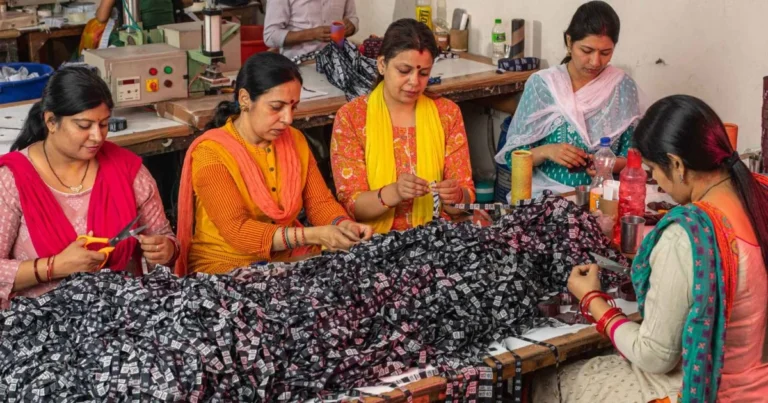
No Nasties is a leader in responsible fashion, hailing from India with a steadfast commitment to simple, stylish clothing made from 100% Fairtrade organic cotton. The brand’s operations are deeply rooted in ethical principles, actively working to grow the ethical consumer market within India and beyond.
The use of Fairtrade certified organic cotton is central to No Nasties’ mission. Organic cotton cultivation avoids synthetic pesticides and GMOs, protecting soil health, biodiversity, and the health of farmers. Fairtrade certification ensures that farmers receive fair prices for their crops, have safe working conditions, and benefit from a Fairtrade premium that can be invested in community development projects. This directly addresses social injustices prevalent in conventional cotton supply chains.
No Nasties’ aesthetic is characterized by timeless designs and comfortable fits, ranging in sizes from 2XS-3XL, promoting inclusivity. The brand’s focus on transparency and ethical production means that every garment tells a story of fair labor and environmental stewardship. By offering products that are good for both people and the planet, No Nasties exemplifies how fashion can be a force for positive change, building a more equitable and sustainable industry from the ground up. Their collections, such as "Sleepwear" and "Sunday," emphasize comfort and everyday wearability, made from materials like organic muslin, perfect for warmer climates and relaxed living.
Current Offers:
- Sleepwear: 100% organic cotton sleepwear, designed to be the softest, safest, and most organic option for a good night’s sleep. Exclusive 10% off with code NONASTIES10 (Ends April 24). This promotes a holistic approach to ethical living, extending sustainable choices to personal items.
- Sunday: The "Sunday uniform" features light-as-air organic muslin, perfect for brunch and beyond, ideal for summer. Exclusive 10% off with code NONASTIES10 (Ends April 23). This collection highlights comfortable, versatile pieces for leisure, emphasizing natural fabrics.
- Organic Travel Essentials: Exclusive 10% off with code NONASTIES10. This offer encourages sustainable choices for travel, reflecting a growing demand for eco-friendly lifestyle products.
The Strategic Value of Ethical Promotions
While discounts might seem counterintuitive for brands investing heavily in ethical production, these promotions serve a crucial strategic purpose within the sustainable fashion ecosystem. Firstly, they enhance accessibility. Ethical fashion often carries a higher price tag due to the increased costs associated with sustainable materials, fair wages, and responsible manufacturing processes. Targeted discounts can bridge this price gap, allowing a broader segment of consumers to experience and invest in high-quality, ethically made garments. This can be a powerful tool for converting conscious consumers who might otherwise be deterred by initial price points.
Secondly, these promotions act as a discovery mechanism. By being featured on platforms like Good On You, brands gain exposure to an audience specifically seeking sustainable options. The exclusive nature of the codes encourages engagement and trial, building a loyal customer base that values the brand’s ethical credentials. For the brands, it’s an opportunity to educate consumers about their practices and differentiate themselves in a competitive market.
Thirdly, from Good On You’s perspective, these partnerships and commissions provide a sustainable revenue stream that supports its independent research and rating activities. This model allows the platform to continue its vital work of demystifying sustainability claims and empowering consumers, ensuring its ability to serve as a trusted guide without compromising its objectivity. It’s a symbiotic relationship where consumers get better deals, ethical brands gain visibility and sales, and Good On You sustains its mission.
Navigating the Ethical Fashion Landscape: Challenges and Progress
Despite significant strides, the sustainable fashion industry still faces formidable challenges. Scalability remains a key hurdle; transitioning an entire global supply chain to ethical and environmentally friendly practices requires substantial investment and systemic change. The cost of sustainable materials and fair labor can also make products less competitive against the mass-produced, low-cost items of fast fashion. Greenwashing—where brands make misleading or unsubstantiated claims about their environmental or social practices—continues to be a concern, eroding consumer trust and making it difficult for genuine ethical brands to stand out.
However, progress is undeniable. Innovations in material science are leading to the development of new, highly sustainable fibers and processes, such as bio-based materials and closed-loop recycling systems. Technology is also playing a crucial role in enhancing supply chain transparency, allowing brands and consumers to trace products from raw material to finished garment. Furthermore, increasing regulatory pressure and growing consumer demand are compelling more mainstream brands to adopt sustainable practices, signaling a broader industry shift. The collaborative efforts between platforms like Good On You, innovative brands, and informed consumers are accelerating this transition.
Empowering the Conscious Consumer
Good On You’s platform and its accompanying mobile application serve as indispensable tools for the conscious consumer. By providing readily accessible, research-backed ratings, it demystifies the complexities of sustainable fashion, enabling individuals to make purchasing decisions that align with their values. The app’s functionality allows users to scan barcodes in stores or search for brands, instantly revealing their ethical scores across Planet, People, and Animals. This instant access to information empowers consumers to "wear the change they want to see" by supporting brands that are genuinely committed to sustainability. The weekly offers further sweeten this proposition, proving that ethical choices don’t always have to come at a premium.
The Path Forward: A Vision for a Responsible Fashion Future
The ongoing initiative by Good On You to highlight and promote sustainable fashion brands through exclusive offers is more than just a marketing strategy; it is a fundamental pillar in fostering a more responsible and equitable fashion industry. By making ethical choices more accessible and affordable, Good On You and its partner brands are collectively working towards a future where sustainability is the norm, not the exception. The commitment to rigorous ratings, transparent information, and strategic consumer engagement paves the way for a fashion landscape that respects both people and the planet, offering a compelling vision for conscious consumption in the 21st century.
Editor’s note: Feature image via Unsplash, other images via brands mentioned. Good On You publishes the world’s most comprehensive ratings of fashion and beauty brands’ impact on people, the planet, and animals. Use our directory to search thousands of rated brands.