









Georgi Unkovski, the 36-year-old Macedonian director, embarked on a cinematic journey with his debut feature, DJ Ahmet, rooted in a singular, striking image: sheep disrupting an illicit rave on a rural Macedonian farm. This vivid scene, which Unkovski describes as "the core idea of the film" and a visual representation of "these two worlds co-existing," set the ambitious tone for a narrative that delves into the intricate dance between tradition and modernity. Filming the stubborn farm animals proved to be a significant challenge, requiring two full days of shooting to yield a mere 25 seconds of usable footage, a testament to the dedication behind bringing this unique vision to the screen.
The Genesis of DJ Ahmet: A Story of Sound and Silence
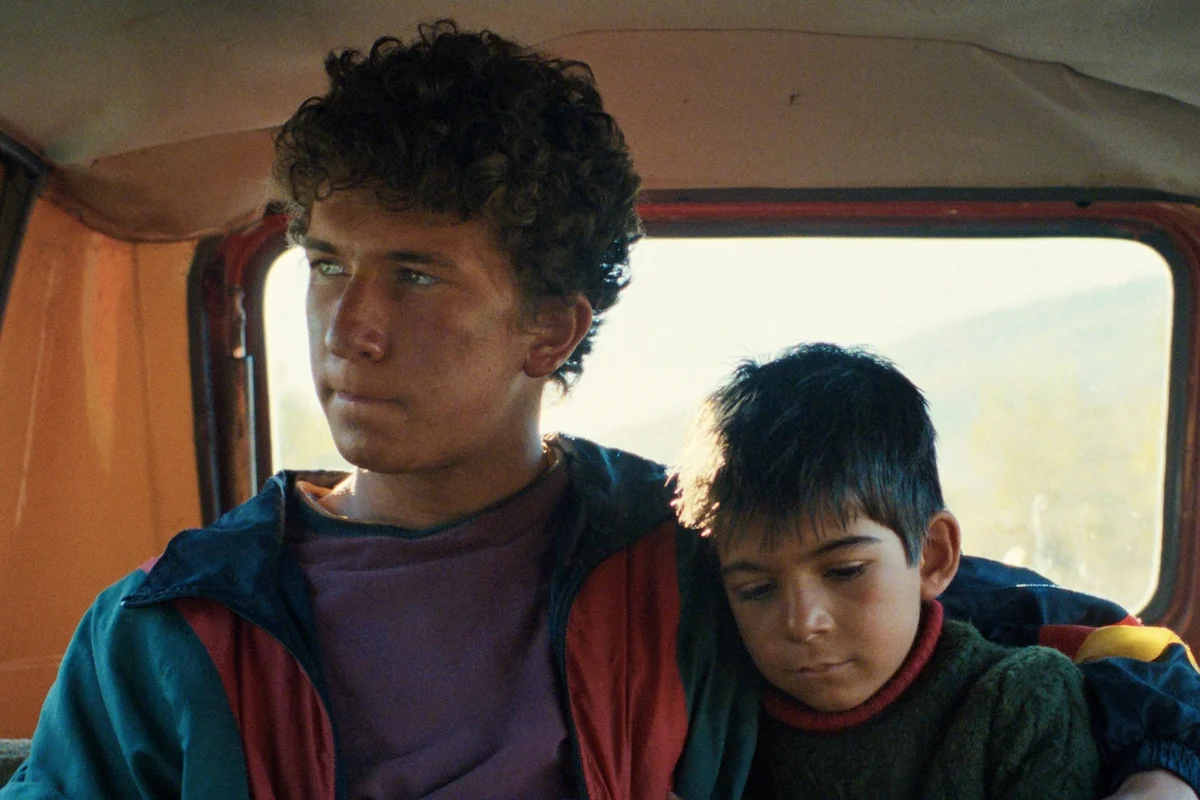
DJ Ahmet is a poignant coming-of-age drama centered on Ahmet, a 15-year-old boy from a Yoruk village in North Macedonia. Portrayed by first-time performer Arif Jakup, Ahmet finds himself at a crossroads, torn between the deep-rooted expectations of dedicating his life to the family farm and the electrifying allure of Electronic Dance Music (EDM) culture. The narrative is shaped by Ahmet’s upbringing in a conservative community under the strict guidance of his father, Aksel Mehmet. The family’s life is further complicated by the profound grief following the death of Ahmet’s mother, an event that has rendered his younger brother, Naim (Agush Agushev), mute. This familial trauma underscores the film’s exploration of unspoken emotions and the search for outlets for expression.
Ahmet’s world dramatically shifts when he stumbles upon a clandestine outdoor DJ set. Bathed in ecstatic lights and pulsating with sound, this gathering of "open-hearted ravers" introduces him to a vibrant counter-culture. Among them is Aya (Dora Akan Zlatanova), a local girl grappling with her own rebellion against an arranged marriage, who quickly becomes Ahmet’s romantic interest. The symbolic clash of worlds culminates when Ahmet’s bleating sheep inadvertently invade the party, a stark and humorous reminder of his inescapable responsibilities. His father, determined to keep him rooted in the village, had already pulled Ahmet out of school. Now, with his newfound passion for EDM ignited, Ahmet channels his creativity into transforming a tractor into a mobile DJ booth, symbolizing his ambition to merge his two disparate realities.
Unkovski’s Approach: Authenticity Through Personal Connection and Amateur Talent
In crafting the script for DJ Ahmet, Unkovski drew deeply from his own adolescent experiences. He articulates music’s universal role as "an intimate friend" and a vital tool for processing "trauma and emotions that have no way to be expressed." This personal connection imbues the film with a genuine emotional core. The authenticity of the performances is further amplified by Unkovski’s deliberate choice to cast amateur actors, many of whom hailed from the very village where the film was shot. Arif Jakup, the lead actor, was discovered locally, and his real-life appreciation for music, though leaning towards rap while Dora Akan Zlatanova prefers rock, translated into a natural spontaneity on screen. Unkovski notes that "the casting was 80% of the work," highlighting the importance of finding individuals who could authentically embody the characters’ spirit.
This commitment to realism extended to the filmmaking technique. Initially planning for static cameras, Steadicams, and meticulously designed dolly shots, Unkovski quickly realized during rehearsals that the amateur cast thrived under a more fluid approach. "These kids were not actors. They benefited from a borderline documentary style," he explains, leading to the adoption of handheld cameras that captured their raw energy and unscripted moments. This adaptive methodology allowed the performances to feel organic and immediate, further blurring the lines between fiction and lived experience.
The Yoruk Community: A Cultural Tapestry Undergoing Change
A significant layer of authenticity in DJ Ahmet stems from its portrayal of the Yoruk community, an ethnic group with a rich history and distinct cultural practices. The Yoruk, historically semi-nomadic Turkic people, are predominantly found in parts of Anatolia and the Balkans, including North Macedonia. Their traditional way of life is deeply intertwined with shepherding and agrarian practices, fostering close-knit, often conservative communities that uphold centuries-old customs and values.
Unkovski believes DJ Ahmet might be the first-ever fiction feature film to focus on the Yoruk community, a distinction that carried a profound sense of responsibility for the director. "It felt like a responsibility to show their culture in a special way," he affirms. The film consciously avoids didacticism, refraining from labeling traditions as inherently "bad" or the modern world as unequivocally "good." Instead, it seeks to present a nuanced view, acknowledging "both have good and bad sides" and focusing on "the personal struggle of someone from that community." This balanced perspective is crucial in depicting the complex challenges faced by Yoruk youth, who, like many global teenagers, are growing up with smartphones, TikTok, and a desire to document their lives, often clashing with the traditionalism of their elders.
The film serves as a vital cultural document, offering a glimpse into a community often underrepresented in mainstream media. It highlights the generational chasm: while the elders are "steeped in traditionalism," the youth are undeniably influenced by global digital culture. This portrayal invites audiences to consider the preservation of cultural heritage in an increasingly interconnected world and the ways in which younger generations navigate their identity within these evolving landscapes.
Beyond the Beats: Themes of Grief, Masculinity, and Emotional Expression
While Ahmet’s father initially appears as an antagonist, his character is carefully developed to reveal a deeper complexity. Unkovski clarifies that he is not a "bad person" but rather a grieving widower, ill-equipped by his cultural upbringing to articulate his pain. "In certain communities, it’s hard for men to show pain, grief, or weakness," Unkovski observes. The father’s strictness and resistance to Ahmet’s aspirations are framed not as malice but as a poorly masked manifestation of his own suffering and a desperate attempt to maintain control in a world that has already taken so much from him. His "human side" is hidden, albeit poorly, beneath a façade of stoicism.
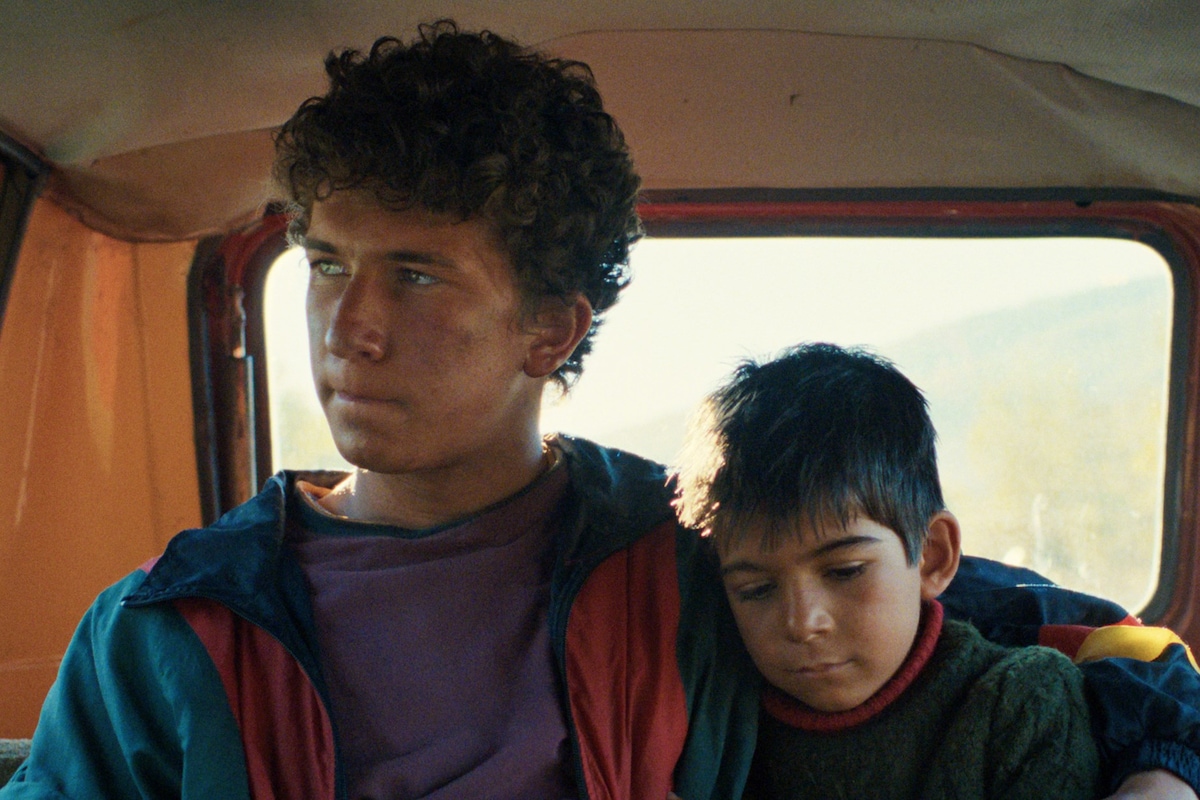
This theme of unexpressed emotion is further mirrored in Ahmet’s younger brother, Naim, whose muteness is a direct consequence of their mother’s death. Music, for Ahmet, becomes a powerful conduit for processing these unspoken traumas and emotions, offering a means of communication where words fail. The film subtly suggests that while traditional societal structures may sometimes stifle emotional expression, artistic outlets like music can provide a therapeutic release and foster connection.
Unkovski contemplates the future of such culture clashes, suggesting that the current period is a "transitional phase." He believes that the pervasive influence of media on these communities will inevitably lead to a gradual erosion of traditions over the next two decades. DJ Ahmet thus acts as a timely snapshot of this critical juncture, capturing the tensions and transformations inherent in such a period of change.
A Bright Palette for a Positive Message: Cinematic Style and Intent
DJ Ahmet deliberately embraces a "deliriously bright colour palette" and "snappy editing," a conscious artistic choice by Unkovski to differentiate his film from many other Balkan productions. He notes that "in this part of Europe, there’s a lot of dark themes, drama, and tragedies." His intention was to create "a positive film," one that asserts: "I wanted to show that even through the hardness and pain, there’s colour and beauty. Even when you live a difficult life, you don’t see things in black-and-white."
This vibrant aesthetic supports the youthful, rebellious spirit of Ahmet and Aya, who find solace and community in EDM parties and the creation of viral TikToks, often to the dismay of their families. The film integrates modern cinematic techniques, such as a drone camera capturing a sunrise, to visually align with the contemporary perspective of its young protagonists. This blend of traditional setting and modern visual language underscores the film’s central theme of cultural synthesis. The playful spirit was further cultivated during rehearsals, where Unkovski adapted his initial plans for formal camera setups to a more dynamic, handheld style, better suited to capturing the amateur cast’s natural energy and spontaneity.
From Gamer to Filmmaker: Unkovski’s Evolving Perspective on Storytelling
Unkovski’s journey to filmmaking is marked by diverse experiences and a profound engagement with storytelling in various forms. Born in Macedonia, he pursued his filmmaking studies in Rochester, New York, before spending five years in Prague. He returned to Macedonia in 2015, bringing with him a rich academic and practical background. His master’s thesis explored how video games would shape the future of cinema, reflecting his deep personal connection to the medium. "I’m a huge gamer," he openly admits, recalling a memorable encounter with his idol, Hideo Kojima, the renowned video game designer.
Despite his initial ambition to direct a video game, Unkovski has grown more "sceptical" over time. He now appreciates a fundamental difference between film and video games: "There’s something beautiful in how a film isn’t interactive in the same way as a video game. I appreciate not having to give constant inputs." He elaborates on this distinction, noting that while video games offer a "feeling of accomplishment," films operate on a different plane. "For me, films should be like dreams. You watch a good film, and three days later, you think about it again. It feels foggy, but the emotions stay with you. It reaches your subconscious in a way video games don’t." This philosophy underpins the emotional resonance he strives for in DJ Ahmet, aiming for a lingering impact rather than immediate gratification.
Looking ahead, Unkovski plans to challenge himself further with his next project: a pirate musical set in Macedonia. Despite not being a personal fan of musicals, this self-imposed venture reflects his desire to push creative boundaries and explore new artistic territories, much like Ahmet transforming a tractor into a DJ booth.
Broader Impact and Implications for Macedonian Cinema
DJ Ahmet stands as a significant contribution to Macedonian cinema, not only for its unique narrative and stylistic choices but also for its cultural relevance. By shining a light on the Yoruk community, the film fosters greater understanding and representation of North Macedonia’s diverse ethnic landscape. Its exploration of universal themes—youth rebellion, the search for identity, family duty, and the complexities of grief—allows it to resonate with audiences far beyond its specific cultural context.
The film’s positive, colorful aesthetic also marks a departure from certain cinematic conventions in the region, potentially inspiring a new wave of filmmakers to explore different tones and genres. Unkovski’s success in working with amateur actors and adapting his directorial style to their strengths provides a valuable case study for independent filmmaking, demonstrating that authenticity can often be found outside traditional acting schools. As North Macedonia continues to navigate its cultural and social evolution, films like DJ Ahmet serve as important cultural touchstones, sparking dialogue about the challenges and opportunities that arise when ancient traditions encounter the relentless pace of modernity.
DJ Ahmet is currently showing in UK cinemas, offering audiences a vibrant, thought-provoking, and ultimately hopeful glimpse into a unique corner of the world.