








The recent acquisition of SheerLuxe, a prominent UK-based lifestyle and fashion platform, by the global media giant Future plc has signaled a significant shift in the digital publishing industry, underscoring the growing importance of "Google Zero" strategies. The deal, valued in the tens of millions of pounds, marks a milestone for SheerLuxe founder Georgie Coleridge-Cole and her team, who established the platform in 2007 as a digital-first destination for fashion, beauty, and lifestyle content. While the financial details of the transaction highlight the robust market for niche editorial brands, industry analysts are focusing on the underlying strategic shift that SheerLuxe represents: a move away from total dependency on search engine traffic in favor of direct audience relationships.
The term "Google Zero," coined in early 2024 by technology journalist and The Verge Editor-in-Chief Nilay Patel, describes a brand or publication that does not rely primarily on Google Search to reach its readers. In an era where search engines are increasingly transforming into "answer engines," the Google Zero model prioritizes direct traffic, email newsletters, social media communities, and habitual readership. The acquisition by Future plc—a company that owns a vast portfolio of specialized titles including Marie Claire, Country Life, and TechRadar—suggests that major media conglomerates are placing a premium on brands that have successfully insulated themselves from the volatility of search engine algorithms.
The Mechanics of the Google Zero Framework
To understand the strategic value of the SheerLuxe acquisition, it is necessary to examine the changing landscape of search engine optimization (SEO). Historically, digital publishers operated on a "click-through" model, where Google served as a directory, sending users to external websites to find information. However, with the integration of AI-generated summaries and Search Generative Experience (SGE), Google has begun answering user queries directly on the search results page. This phenomenon, often referred to as "zero-click searches," means that even if a publication ranks highly, the user may never actually visit the site.
A Google Zero brand sidesteps this vulnerability by cultivating a "destination" status. According to industry data, brands that successfully implement this model see a high percentage of "direct" traffic—users typing the URL directly into their browser or accessing the site via bookmarks. These readers return not because a search query led them there, but because they trust the editorial voice and enjoy the curated experience. For SheerLuxe, this has manifested in a highly engaged community that interacts with the brand through daily newsletters, podcasts, and social media, creating a resilient ecosystem that remains stable even when search algorithms fluctuate.
Chronology of the Acquisition and the Shift in Media Strategy
The acquisition of SheerLuxe follows a multi-year period of consolidation within the UK and US media markets. Future plc has been at the forefront of this trend, aggressively acquiring specialist brands that command loyal, high-intent audiences.
- 2007: Georgie Coleridge-Cole launches SheerLuxe as a directory-based lifestyle site.
- 2016-2022: SheerLuxe expands into multi-channel content, including the launch of the SheerLuxe Show on YouTube and a suite of successful podcasts.
- 2023: Google begins testing AI Overviews, causing widespread concern among digital publishers regarding the future of search-driven traffic.
- Early 2024: Nilay Patel introduces the "Google Zero" concept during high-profile industry discussions, identifying it as the only sustainable path for independent media.
- Late 2024: Future plc officially acquires SheerLuxe, citing the brand’s unique ability to engage a premium female demographic through direct-to-consumer channels.
This timeline illustrates a clear transition from the "SEO-first" era of the 2010s to a "Community-first" era. The success of SheerLuxe provides a blueprint for other niche publishers, such as the wedding industry leader Love My Dress, which has reported similar trends in audience behavior.
Data Analysis: The Resilience of Niche Editorial Platforms
Internal analytics from established niche publications provide empirical evidence for the viability of the Google Zero model. For instance, Love My Dress, a long-standing independent wedding publication, reports that over 40% of its user sessions now originate from sources other than Google Search. This traffic is comprised of direct visits, email referrals, and private link sharing.
Statistical trends across the publishing industry further support this shift:
- Zero-Click Growth: Recent studies by SparkToro indicate that nearly 60% of mobile searches and 35% of desktop searches result in no click to a third-party website.
- Newsletter Conversion: Email newsletters have seen a resurgence, with click-to-open rates (CTOR) for niche lifestyle publications often exceeding 20%, far outperforming the engagement rates of search-driven traffic.
- First-Party Data Value: Following the industry-wide move away from third-party cookies, media groups like Future plc are prioritizing brands with "first-party" relationships. A brand that readers visit directly provides more valuable data and higher-quality advertising opportunities than a site that relies on anonymous search traffic.
These figures suggest that while SEO remains a foundational tool for discovery, it is no longer sufficient as a sole growth strategy. The "Google Zero" approach acts as a hedge against the "AI-ification" of the internet.
The Role of Content That AI Cannot Replace
A critical component of the Google Zero strategy is the production of "AI-resistant" content. While artificial intelligence is proficient at summarizing factual data—such as "how to apply for a marriage license" or "the best time to visit London"—it struggles to replicate the nuance of editorial storytelling and visual inspiration.
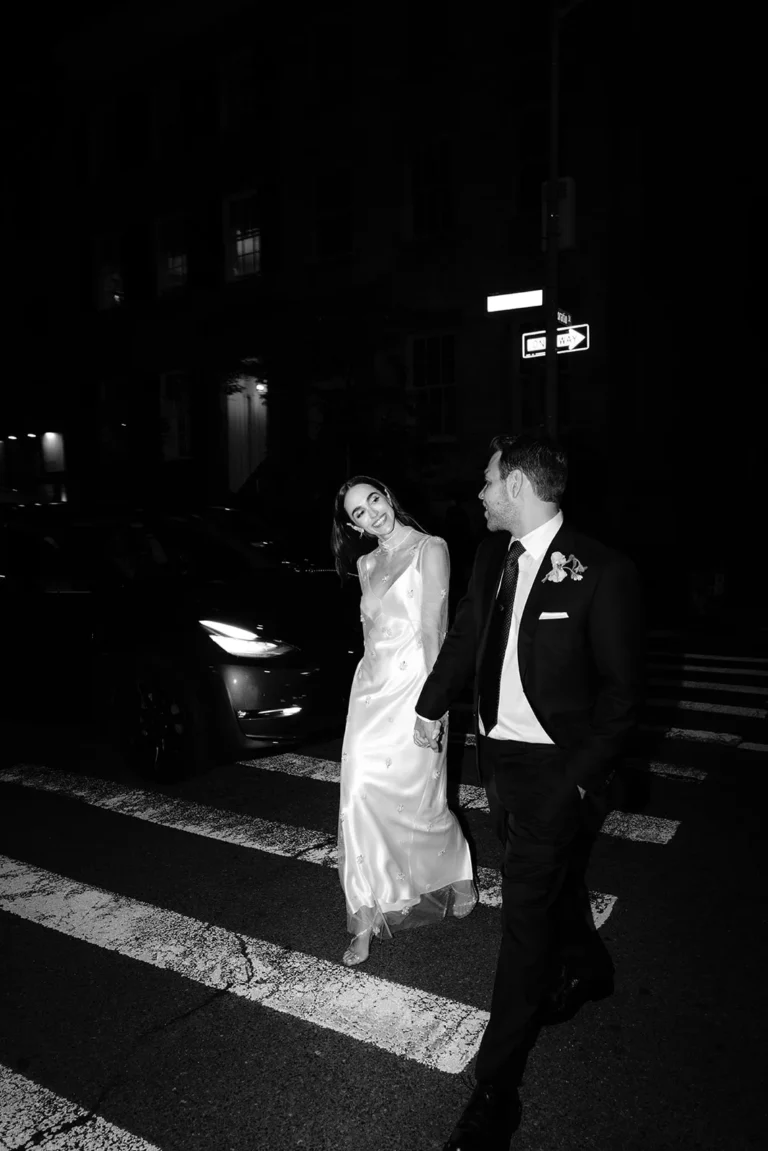
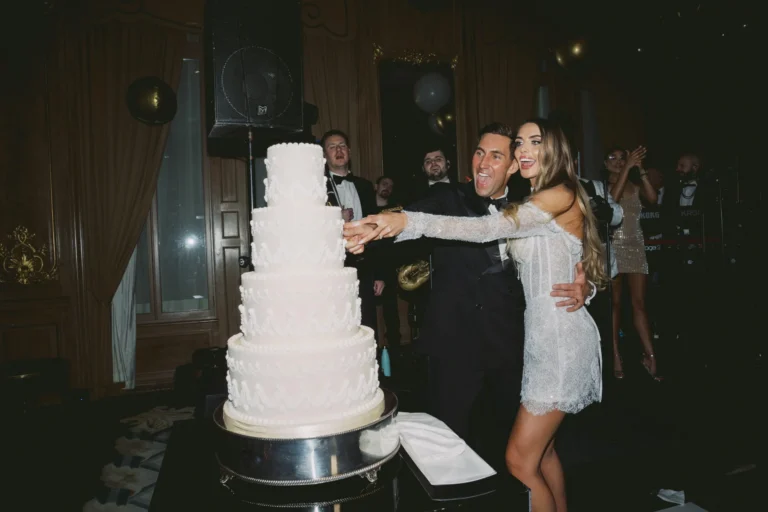
In the context of the wedding and lifestyle sectors, AI can provide a checklist, but it cannot convey the emotional resonance of a real wedding story or the artistic vision of a professional photographer. As noted by industry experts, readers looking for "inspiration" rather than "information" are more likely to seek out trusted editorial environments. This distinction is vital: information is a commodity, but inspiration is an experience. By focusing on long-form storytelling and high-quality imagery, platforms like SheerLuxe and Love My Dress ensure that their content remains a destination that users must visit to fully appreciate.
Implications for Small Businesses and Digital Marketing
The shift toward Google Zero has profound implications for small business owners, particularly those in the wedding and luxury service sectors. For years, the standard marketing advice was to focus almost exclusively on keyword rankings. However, as Google transitions into an "answer engine," appearing in the top ten search results may no longer guarantee traffic or conversions.
Industry analysts suggest that wedding businesses must pivot toward "contextual marketing." This involves:
- Association with Authority: Being featured on a Google Zero platform provides a "halo effect" of credibility. When a vendor is featured in a curated editorial environment, they are perceived as a recommended professional rather than a random search result.
- Diversified Discovery: Businesses are encouraged to seek visibility in ecosystems that feed into AI tools. Modern AI models like ChatGPT and Perplexity draw from high-authority editorial sites to provide recommendations. Therefore, being featured on an authoritative platform ensures that a business is included in the "knowledge graph" that AI systems use to answer user queries.
- Focus on Brand Identity: In a world where AI can generate generic content, a strong, distinct brand voice becomes a competitive advantage.
Official Responses and Industry Outlook
While Future plc has not disclosed the exact terms of the SheerLuxe deal, spokespeople for the group have emphasized that the acquisition aligns with their strategy of "owning the intent" of high-value audiences. Industry reactions have been largely positive, with many viewing the deal as a validation of the independent publishing model.
Media analysts predict that the next three years will see an "editorial renaissance," where the value of human curation increases in direct proportion to the volume of AI-generated noise on the open web. The success of the SheerLuxe sale proves that there is significant capital investment available for media brands that can demonstrate a loyal, direct relationship with their audience.
In conclusion, the rise of the Google Zero brand represents a maturation of the digital landscape. It acknowledges that while search engines are powerful tools for discovery, the true value of a media brand lies in its ability to foster trust, community, and direct engagement. For publishers and the businesses that partner with them, the goal is no longer just to be found by an algorithm, but to be sought out by a person. As the digital environment continues to evolve, the platforms that thrive will be those that offer what AI cannot: a genuine sense of connection and a trusted editorial voice.