








The long-imagined digital wardrobe, once a cinematic novelty from the 1995 cult classic "Clueless," has transitioned from a Hollywood prop to a robust enterprise technology platform. Jenny Wang, the founder of Alta, has successfully bridged the gap between nostalgic fashion aspirations and high-performance artificial intelligence. During the most recent New York Fashion Week (NYFW), Wang detailed the significant growth her company has experienced since its last major funding milestone, highlighting a shift from a consumer-facing app to a critical piece of enterprise infrastructure for global fashion brands.
The core of Alta’s value proposition lies in its ability to allow users to create high-fidelity digital closets and test garments on personalized virtual avatars. While the concept of virtual try-ons is not entirely new, Alta’s execution utilizes advanced AI innovations to solve the persistent technical hurdles of garment draping, body matching, and rendering speed. As the company expands its footprint, it is increasingly positioning itself as the "personal identity layer" for the future of agentic commerce.
The Evolution of Alta: From Concept to Market Leader
The journey of Alta reached a critical inflection point last year when the company secured $11 million in a funding round led by Menlo Ventures. This investment was notable not only for its size but for the diversity of its participants. The round saw involvement from the Anthology Fund—the venture arm of AI powerhouse Anthropic—as well as prominent figures in the fashion industry, including supermodels Karlie Kloss and Jasmine Tookes, and Rent the Runway co-founder Jenny Fleiss.
Since the capital infusion, Alta’s growth trajectory has been steep. Since its official launch in 2023, the platform has facilitated the generation of over 100 million outfits. This level of user engagement served as a proof of concept, catching the attention of major industry publications. Time and Vogue both recognized the platform as one of the most significant innovations of the year, citing its ability to democratize high-end styling tools for the average consumer.
The company’s expansion is characterized by a strategic move toward B2B integrations. While the standalone Alta app continues to serve a dedicated community of fashion enthusiasts, the enterprise side of the business is where Wang sees the most transformative potential. By embedding Alta’s technology directly into designer websites, the company is changing how consumers interact with e-commerce, moving away from static images toward interactive, personalized experiences.
Chronology of Innovation and Strategic Milestones
The timeline of Alta’s development reflects a rapid transition from a startup idea to an industry standard-bearer.
2023: The Foundation
Alta launched its initial app, focusing on the "Clueless" closet experience. The early version allowed users to upload photos of their own clothing to create a digital inventory. This period was marked by rapid user acquisition and the refinement of the AI algorithms responsible for "wearing" the clothes on digital avatars.
Mid-2024: Capital and Recognition
The $11 million funding round provided the necessary resources to scale the engineering team. During this time, the company began its partnership with Poshmark, a move that integrated digital styling with the massive resale market. This was followed by a partnership with the Council of Fashion Designers of America (CFDA), solidifying Alta’s status within the professional fashion community.
Early 2025 – Present: Enterprise Integration and NYFW 2026
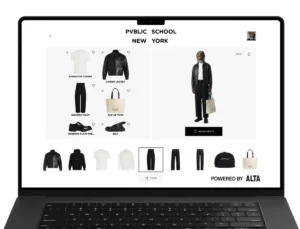
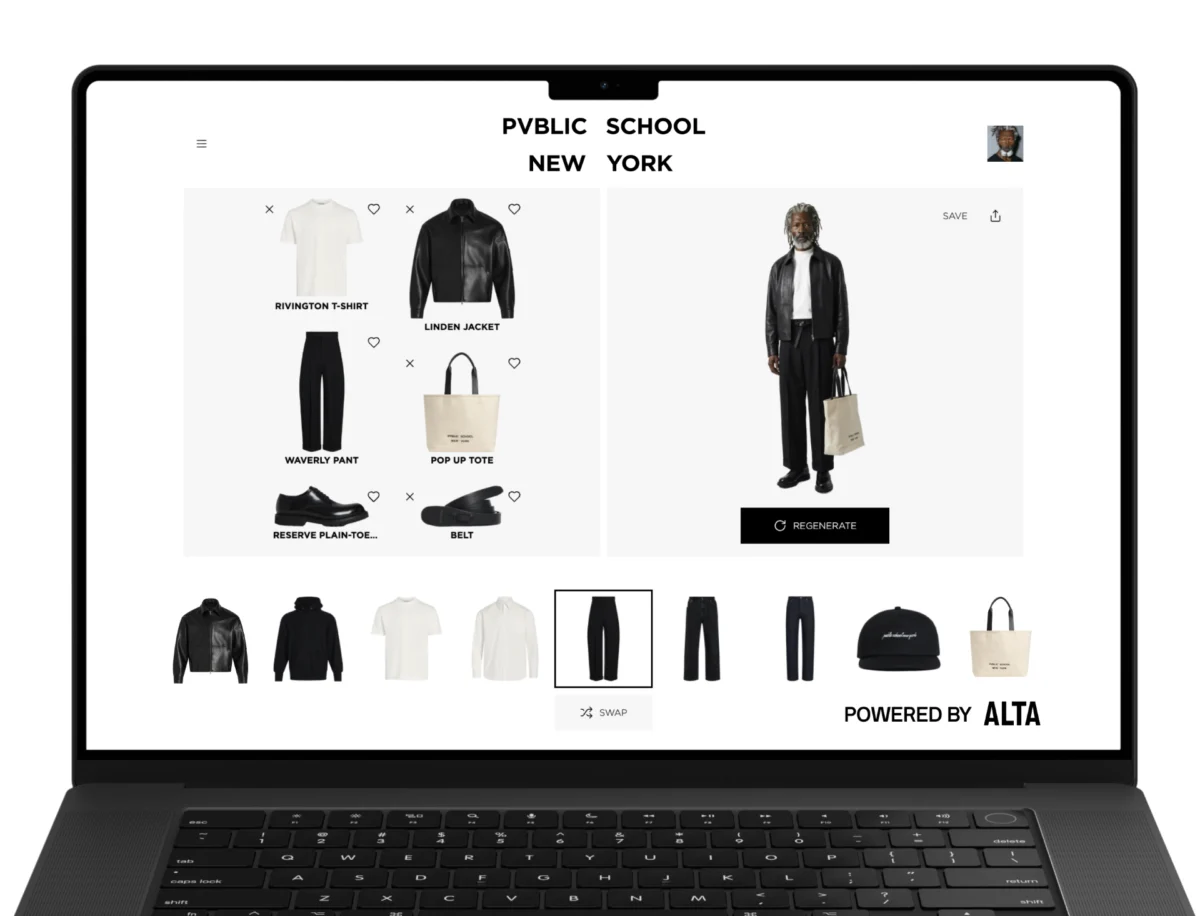
The current phase of Alta’s growth focuses on direct brand partnerships. The most significant of these was unveiled during the latest New York Fashion Week: a collaboration with Public School New York. This partnership represents the first time a designer has embedded Alta’s personal avatar and styling technology directly into its own e-commerce product pages.
Technical Superiority and the Data Layer of Fashion
One of the primary challenges in the virtual try-on space has been the "uncanny valley" of digital clothing—where garments look stiff or unrealistic on a digital frame. Jenny Wang notes that Alta’s technology is designed to surpass current industry benchmarks. For example, while major retailers like Zara have experimented with digital avatars, their systems often limit a user to trying on four items at a time, with rendering processes taking up to two minutes.
In contrast, Alta’s infrastructure allows avatars to be styled with at least eight items simultaneously, with the entire rendering process completed in seconds. This speed is essential for maintaining consumer engagement in an e-commerce environment where every second of latency can lead to a drop in conversion rates.

Beyond mere visualization, Wang views Alta as a "data layer." For "agentic commerce"—a future where AI agents can shop on behalf of human users—to function, those agents need a deep understanding of the user’s physical likeness, body measurements, and style history. Alta provides this foundation by housing the user’s "avatar identity," which includes past purchases and stylistic preferences. This data-centric approach positions Alta not just as a styling tool, but as a prerequisite for the next generation of AI-driven retail.
The Public School New York Collaboration: A Case Study in Digital Storytelling
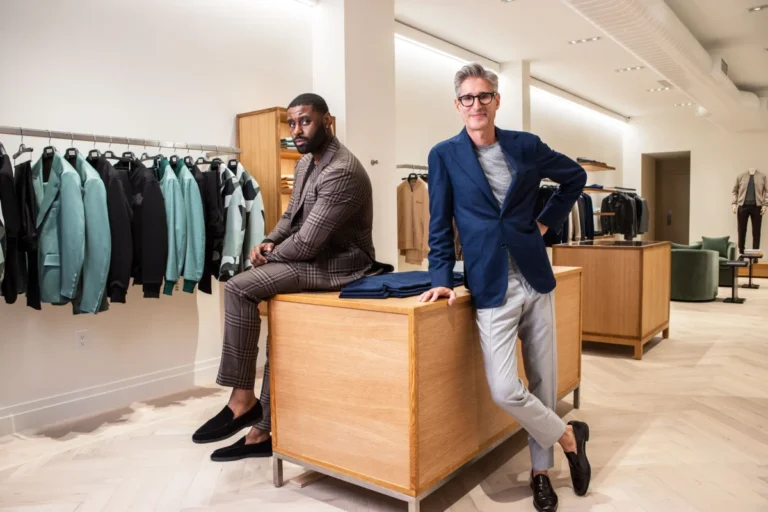
The collaboration with Public School New York (PSNY) serves as a blueprint for how Alta intends to work with other high-end labels. PSNY, led by designers Dao-Yi Chow and Maxwell Osborne, recently returned to the fashion scene after a multi-year hiatus. Their re-debut at NYFW was centered on rediscovering their brand voice and utilizing modern technology to reach a global audience.
The integration manifests as a "Style with Alta" icon on the PSNY website. When a customer views a product, such as the Linden Jacket, they can click the icon to be transported to a personalized styling environment. Here, they can see how the piece interacts with other items in the collection or with pieces they already own in their Alta closet.
Dao-Yi Chow emphasized that this was a strategic business decision rather than a marketing gimmick. "We have to look at tech as a partner in the business today," Chow stated. "It’s not 2015 anymore. We want to be thoughtful on how we use tech and AI—not as a design tool, but as a tool to extend our storytelling and a tool to interact with the consumer."
This sentiment reflects a broader shift in the luxury sector. Brands are no longer looking for "flashy" tech that distracts from the clothing; they are looking for functional tools that reduce the friction of online shopping and allow for a deeper brand-consumer connection.
Broader Implications for the Global Fashion Industry
The implications of Alta’s scaling technology extend into several key areas of the fashion economy:
1. Reduction in Return Rates
One of the most significant pain points in fashion e-commerce is the high rate of returns, which can reach 30% to 40% for online apparel purchases. Most returns are driven by poor fit or a mismatch between the product photo and the consumer’s expectations. By providing a high-fidelity virtual try-on that accounts for a user’s specific body type, Alta has the potential to significantly lower return rates, thereby increasing profitability for brands and reducing the environmental impact of shipping and logistics.
2. Sustainability through Digital Twins
As brands move toward more sustainable models, digital avatars allow for "pre-sale" styling. Consumers can engage with a collection digitally before it is even manufactured, allowing brands to gauge demand more accurately and reduce overproduction.
3. The Personalization of the Shopping Experience
In a saturated market, personalization is the primary differentiator for luxury and contemporary brands. Alta enables a level of "high-touch" service previously reserved for in-store appointments. By allowing a user to "own" their avatar and carry it across different brand websites, Alta is creating a unified identity for the digital shopper.
Future Outlook: The Identity Layer for Consumer AI
Looking ahead, Jenny Wang’s vision for Alta is expansive. While the company is currently focused on expanding its brand integrations and refining its AI styling capabilities, the ultimate goal is to become the infrastructure for all AI-driven shopping.
"The consumer Alta app is the ‘Clueless’ closet, while the enterprise Alta experience allows shoppers to style pieces and try the outfits on their pre-existing Alta avatar," Wang explained. This two-pronged approach ensures that as AI agents become more prevalent in our daily lives, they will have a standardized, high-quality data set to reference when making fashion decisions for their users.
As Alta prepares for further integrations and potential future funding rounds, the company stands as a testament to the power of combining cultural nostalgia with cutting-edge technical execution. By turning a movie fantasy into a functional business tool, Wang is not just changing how we look at our closets—she is redefining the very nature of digital identity in the modern age.