





The emergence of Frère as a dominant force in the high-end menswear market marks a significant shift in the intersection of Silicon Valley power dynamics and New York sartorial tradition. While the tech industry has historically been synonymous with utilitarian attire—defined by the ubiquitous hoodie and the branded fleece vest—a new vanguard of leaders including Apple CEO Tim Cook and Coinbase co-founder Fred Ehrsam are signaling a move toward a more refined aesthetic. Frère, a bespoke and ready-to-wear label that officially debuted in March, has successfully positioned itself at the center of this cultural pivot. With the opening of its first physical flagship store in New York City’s historic SoHo neighborhood, the brand is solidifying its presence as the preferred outfitter for the modern global elite, blending the rigor of traditional tailoring with the relaxed requirements of contemporary leadership.
The Strategic Foundation and Executive Leadership
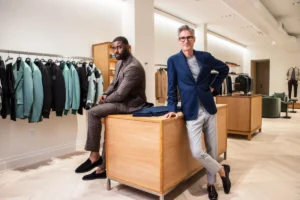
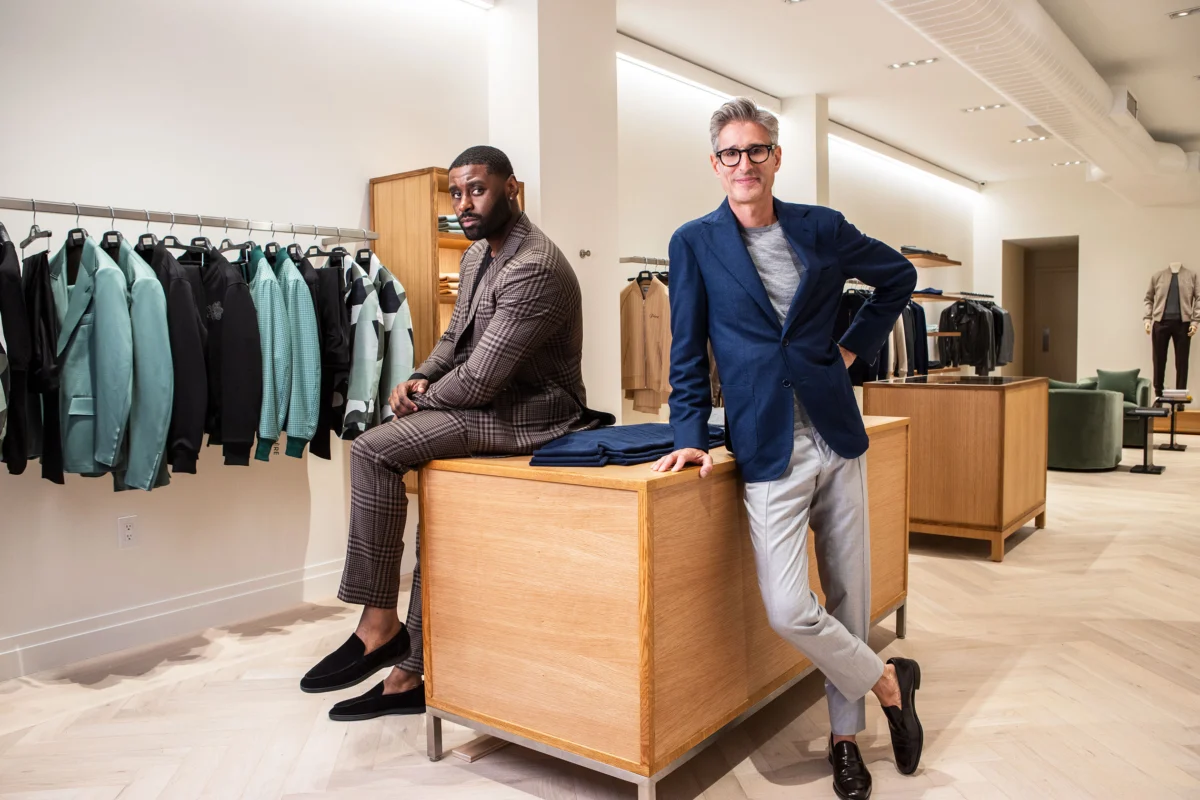
The rapid ascent of Frère is rooted in the complementary expertise of its founders, Davidson Petit-Frère and François Kress. The partnership represents a rare synergy between creative vision and corporate luxury experience. François Kress, who serves as the brand’s CEO, brings a resume that reads like a directory of the luxury world’s most prestigious houses. Having served as the president of Fendi for North and South America, as well as holding top executive roles at Bulgari and the Prada Group in the United States, Kress possesses an intimate understanding of global supply chains, retail strategy, and the nuances of high-net-worth consumer behavior.
Conversely, Davidson Petit-Frère, the brand’s creative director, followed a non-traditional path into the fashion industry. Initially building a career in luxury real estate, Petit-Frère transitioned into fashion through a series of intensive internships and the eventual launch of Musika Frère. His previous venture became a staple for celebrities and athletes, dressing high-profile figures such as Beyoncé and NBA star Stephen Curry. However, Frère represents a more ambitious undertaking—a move from niche bespoke tailoring to a comprehensive ready-to-wear lifestyle brand capable of scaling globally while maintaining its core tenets of exclusivity and craftsmanship.
Redefining the Tech Aesthetic: From "Tech Bro" to "Quiet Luxury"
For decades, the "tech bro" uniform remained largely stagnant, serving as a meme-worthy symbol of San Francisco’s casual culture. The standard attire consisted of Patagonia "Power Vest" gilets, basic denim, and sneakers, often paired with T-shirts bearing startup logos. This look was designed to project a focus on code over clothes, suggesting that decision-making energy should be reserved for innovation rather than fashion.
However, as the founders of the Web 2.0 and Web3 eras have matured into global power players, their wardrobes have evolved to reflect their status. Figures like Mark Zuckerberg and Jeff Bezos have recently garnered media attention for experimenting with bolder colors, fitted silhouettes, and luxury accessories. This transition has paved the way for the "quiet luxury" movement—a style characterized by ultra-high-quality materials, neutral palettes, and an absence of overt branding.
Frère has positioned itself as the premier purveyor of this look. The brand’s offerings include wool knit tracksuits priced at $3,490 and cashmere overcoats retailing for $5,990. These garments offer a "subtle tech look" that allows CEOs to maintain a sense of approachability while wearing materials that signify immense wealth and discerning taste. By focusing on fit and fabric over logos, Frère appeals to a demographic that values privacy and understated excellence.
Chronology of Development and the Road to SoHo
The timeline of Frère’s development reflects a fast-tracked approach to luxury brand building, moving from conception to a physical NYC flagship in less than a year.
- Pre-2024: Petit-Frère and Kress begin discussions on the future of menswear, identifying a gap in the market for a brand that combines the heritage of European tailoring with a modern, interdisciplinary cultural relevance.
- March 2024: Frère is officially launched, focusing initially on a curated collection of ready-to-wear items and bespoke services.
- Mid-2024: The company initiates a seed funding round, attracting interest from a diverse group of high-profile investors across the technology, finance, and entertainment sectors.
- December 2024: Frère opens its first physical boutique in SoHo, New York. The location is chosen for its status as a global hub for luxury retail and its proximity to both the fashion world and the New York tech scene.
- Late December 2024: The brand is scheduled to launch its official e-commerce platform, expanding its reach beyond the physical constraints of its Manhattan location.
Investment Profile and Financial Backing
The financial structure of Frère is as much a testament to its market potential as its clothing. The brand’s seed round is led by Robert Nelsen, the co-founder and managing director of ARCH Venture Partners. Nelsen, primarily known for his prolific investments in the biotechnology sector, invested in Frère as an angel investor, signaling the brand’s appeal to the "hard tech" and scientific communities.
Nelsen is joined by a formidable list of co-investors, including Robert Hamwee of New Mountain Capital and Shawn "Jay-Z" Carter. The inclusion of Jay-Z as an investor provides the brand with significant cultural capital, bridging the gap between the boardroom and the forefront of global entertainment.

"They make a helluva suit, plain and simple," Nelsen stated in a recent briefing. "Frère blends timeless craftsmanship with a fresh perspective, and that’s what makes it stand out. For folks in tech, it’s about having style that feels personal but still professional, something that reflects who you are and where you’re going."
The Strategic Importance of Physical Retail
In an era where many direct-to-consumer brands are prioritizing digital-first strategies, Frère’s decision to open a flagship store before launching an e-commerce site is a deliberate move rooted in the traditions of luxury fashion. For high-end garments utilizing premium cashmere and complex tailoring, the tactile experience is considered essential for customer acquisition and brand loyalty.
CEO François Kress emphasized that the SoHo store is designed to be an immersive environment where clients can experience the "story" of the brand. "Beautiful products like ours need to be experienced firsthand, not just through a screen," Kress noted. The physical location allows for precise fittings and the opportunity for customers to feel the weight and texture of the materials—factors that are difficult to communicate through digital marketing.
The store design itself reflects Petit-Frère’s Haitian heritage and Kress’s European luxury background, creating a space that feels both sophisticated and culturally resonant. This physical presence serves as a "trust signal" to the market, establishing Frère as a permanent fixture in the luxury landscape rather than a fleeting online trend.
Market Analysis and Broader Implications
The rise of Frère coincides with a broader expansion of the luxury menswear market, which has outpaced womenswear growth in several key regions over the last five years. As the definition of "professional attire" continues to soften post-pandemic, there is an increasing demand for "hybrid" luxury—clothing that is comfortable enough for travel and long hours at a desk but sharp enough for high-stakes negotiations.
The brand’s success also highlights a shifting demographic in the luxury consumer base. The "New Tech Wealth" segment is less interested in the heritage of 100-year-old European houses and more interested in brands that speak to their specific lifestyle and values. Frère’s ability to attract the likes of Tim Cook and Jay-Z suggests that it has found a unique "middle ground" that appeals to both the conservative corporate world and the progressive creative class.
Furthermore, the brand’s focus on Haitian heritage and diverse leadership adds a layer of modern relevance that many traditional luxury brands struggle to achieve. In an industry often criticized for a lack of diversity at the executive level, Petit-Frère’s role as both a founder and creative lead provides a blueprint for a new generation of luxury entrepreneurs.
Future Outlook
As Frère prepares to launch its e-commerce platform, the company is poised for international expansion. The combination of Kress’s operational expertise and Petit-Frère’s creative instincts, backed by a powerhouse roster of investors, suggests that the SoHo store is merely the first step in a larger global strategy.
The brand’s mission, as defined by Petit-Frère, remains a "balance of innovation, artistry, and cultural relevance." By catering to the specific needs of the tech elite while maintaining the standards of classic tailoring, Frère is not just selling clothing; it is defining the visual language of the 21st-century power broker. In the competitive landscape of "quiet luxury," Frère’s voice is increasingly becoming the loudest, precisely because it refuses to shout.