











As global concerns about climate change, resource depletion, and human rights abuses intensify, the fashion industry, historically a significant contributor to these issues, faces unprecedented scrutiny. In this evolving landscape, France has emerged as a vanguard, spearheading legislative and societal shifts aimed at fostering a more sustainable and ethical apparel sector. For residents within France seeking to align their purchasing power with their values, identifying genuinely ethical clothing brands can be a complex endeavor. This article delves into France’s pioneering efforts to combat the detrimental impacts of fast fashion and highlights eight exemplary French clothing brands that have achieved "Good" or "Great" ratings through rigorous, independent assessment methodologies.
The Genesis of a Movement: France’s Legislative Push for Sustainable Fashion
France’s journey toward a more responsible fashion industry is rooted in a proactive legislative agenda that has progressively tightened regulations on companies operating within its borders. This concerted effort distinguishes France as a global leader in the fight against overconsumption, waste, and the exploitative practices often associated with ultra-fast fashion.
A significant milestone was the passing of the Anti-Waste for a Circular Economy (AGEC) law in 2020 (building upon earlier efforts in 2019). This groundbreaking legislation, a world-first at the time, explicitly banned companies from destroying unsold clothes, electronics, and other non-food items. The law aimed to shift businesses away from a linear "take-make-dispose" model towards a circular economy, mandating instead that unsold goods be reused, recycled, or donated. The rationale was clear: to reduce the immense waste burden generated by mass production and to promote resource efficiency. Industry analysts projected that this law would prevent hundreds of millions of euros worth of goods from being needlessly incinerated or landfilled each year, forcing brands to rethink their inventory management and production volumes.
Building on this foundation, France escalated its commitment in 2024 with new legislation specifically targeting ultra-fast fashion. This landmark bill introduced several critical measures: an outright ban on advertising for ultra-fast fashion brands, the implementation of an ecological surcharge (or "eco-tax") on ultra-fast fashion garments, and mandatory environmental disclosures at the point of sale. The eco-tax, designed to internalize the environmental costs associated with rapid production and short garment lifespans, aimed to make ultra-fast fashion less economically attractive while simultaneously funding initiatives for textile recycling and repair. The advertising ban sought to curb the relentless promotion of disposable fashion, which encourages impulse buying and perpetuates cycles of overconsumption. Environmental disclosures were intended to empower consumers with clear information about the ecological footprint of their purchases, fostering greater transparency across the supply chain.
These legislative actions were not merely symbolic. They reflected a growing national consensus on the urgency of addressing the fashion industry’s environmental and social footprint. Globally, the fashion industry accounts for an estimated 10% of global carbon emissions, more than international flights and maritime shipping combined. Textile production also consumes vast amounts of water, with an estimated 2,700 liters needed to produce a single cotton t-shirt. Furthermore, the reliance on synthetic fibers like polyester, prevalent in fast fashion, contributes significantly to microplastic pollution in oceans and waterways. France’s legislative framework sought to directly mitigate these impacts by fostering more responsible production and consumption patterns.
The Frontline Battle: Confronting Ultra-Fast Fashion Giants
France’s commitment to ethical fashion extended beyond national policy to direct confrontation with ultra-fast fashion behemoths. A notable instance involved legislative efforts in 2025 to address the business practices of global online retailer SHEIN. French authorities pushed to have SHEIN’s website suspended nationwide, citing concerns over the sale of "childlike" sex dolls and weapons, alongside broader ethical and environmental criticisms of its business model. While French courts ultimately threw out the direct suspension initiative, they mandated that SHEIN implement robust measures, including age verification and content filtering, to protect minors from inappropriate content. This legal challenge underscored France’s determination to hold international players accountable to its ethical standards.
The public sentiment against ultra-fast fashion was vividly demonstrated in November 2025 when SHEIN opened its first physical store in Paris. The event was met with widespread public outcry and significant protests. Environmental activists, labor rights advocates, and concerned citizens took to the streets of the French capital, decrying SHEIN’s business model, which they argued exploited workers, squeezed suppliers, and generated enormous volumes of poorly made polyester garments destined for landfills. A highly publicized petition, garnering over 110,000 signatures, further amplified public opposition, urging authorities to push back against the brand’s presence in Paris. These protests and petitions highlighted a significant shift in consumer awareness and a growing demand for transparency and accountability within the fashion industry.
As noted by writer Nicole Lipman in an op-ed for The Guardian in November 2025, "By making it harder to purchase from Shein through corporate regulation, we can discourage the growth of ultra-fast fashion and limit its power in the market." This perspective encapsulates the strategic intent behind France’s actions: to disrupt the economic viability of unsustainable models and create a more level playing field for brands committed to ethical practices. By actively resisting the proliferation of ultra-fast fashion, France aims to nurture an environment where businesses prioritizing sustainable production, fair labor, and high-quality, durable garments can thrive.
Defining Ethical Fashion: A Holistic Framework
For consumers and policymakers alike, understanding what constitutes an "ethical brand" is paramount. A truly ethical fashion brand operates with a conscious commitment to positively impacting three critical pillars: people, the planet, and animals.
-
People: This pillar addresses the social responsibility of a brand across its entire supply chain. Ethical brands ensure fair treatment of all workers, from raw material cultivation to garment assembly. Key considerations include:
- Child Labour and Forced Labour: Absolute prohibition and rigorous monitoring to prevent these egregious human rights violations.
- Worker Safety: Providing safe and hygienic working conditions, adequate training, and protective equipment.
- Freedom of Association: Respecting workers’ right to form and join trade unions for collective bargaining.
- Living Wage: Ensuring that wages are sufficient to meet basic needs and provide a decent standard of living for workers and their families, extending beyond minimum wage requirements.
- Supply Chain Transparency: Publicly disclosing supplier lists and actively tracing their supply chain to ensure ethical practices are upheld at every stage.
-
Planet: This pillar focuses on a brand’s environmental stewardship. Ethical brands minimize their ecological footprint by:
- Resource and Energy Use: Implementing strategies to reduce water and energy consumption, prioritizing renewable energy sources, and minimizing reliance on virgin resources.
- Carbon Emissions: Setting targets and actively working to reduce greenhouse gas emissions across their operations and supply chain.
- Impact on Waterways: Employing responsible dyeing and finishing processes to prevent the discharge of harmful chemicals and microplastics into water systems.
- Chemical Management: Safely managing and disposing of chemicals, opting for non-toxic alternatives whenever possible, and adhering to strict chemical restrictions.
- Waste Reduction: Designing for durability, offering repair services, and implementing take-back schemes to promote circularity and minimize textile waste.
- Sustainable Materials: Prioritizing materials with lower environmental impacts, such as certified organic cotton, recycled polyester, Tencel, linen, and deadstock fabrics.
-
Animals: This pillar addresses animal welfare and the use of animal-derived products. Ethical brands strive to:
- Minimize Animal Products: Reducing or eliminating the use of materials like wool, leather, fur, angora, down feather, shearling, karakul, and exotic animal skins and hair.
- Animal Welfare Standards: For brands that do use animal products, ensuring rigorous standards for animal welfare, such as certified responsible wool or down.
- Vegan Alternatives: Ideally, the brand is 100% vegan, utilizing innovative plant-based or synthetic alternatives that do not compromise on quality or aesthetics.
Beyond these core tenets, the act of shopping locally further enhances the ethical impact of consumer choices. By supporting brands located within one’s country or region, consumers can reduce the carbon footprint associated with shipping and transportation, while simultaneously bolstering local economies and employment. This localized approach resonates strongly with France’s emphasis on national production and cultural heritage.
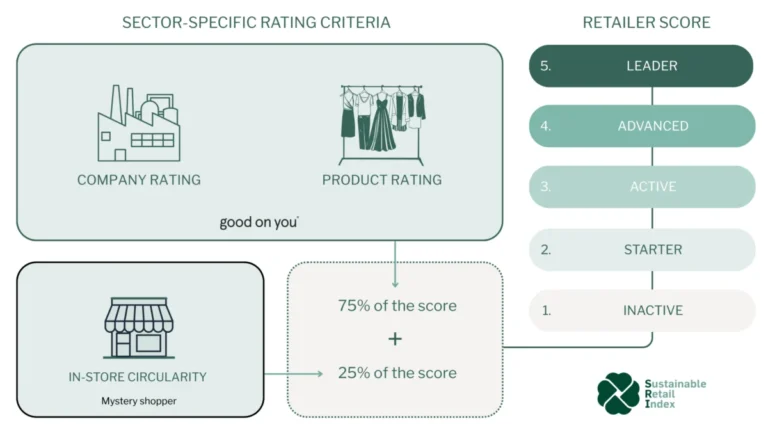
To assist consumers in navigating this complex landscape, independent rating systems play a crucial role. The brands highlighted below have been meticulously analyzed by sustainability experts, drawing upon public disclosures regarding their actions and impacts. They have been awarded "Good" or "Great" ratings, signifying their commitment to ethical practices across the people, planet, and animal dimensions.
Spotlight on French Ethical Innovators: Brands Earning "Good" or "Great" Ratings
France’s proactive stance against fast fashion has created fertile ground for a new generation of brands that prioritize ethics and sustainability. These brands not only adhere to high standards but also often infuse their designs with the timeless elegance and quality for which French fashion is renowned. Here are eight brands that exemplify this commitment:
1. Facettes Studio
Facettes Studio, a quintessential Parisian brand, crafts "wardrobe essentials for the multifaceted woman," embodying timeless style with a contemporary conscience. The brand distinguishes itself through its innovative use of upcycled materials, transforming textile waste into sophisticated pieces, primarily focused on suits and tailored separates. This commitment to circularity is further demonstrated by its proactive ban on environmentally problematic materials like polyester and polyamide from its collections, opting instead for natural or recycled alternatives. Facettes Studio also champions longevity by offering a comprehensive repairs and alterations service, encouraging customers to extend the life of their garments and combat the disposability inherent in fast fashion.
- Available in sizes FR 34-44.
- See the rating.
- Shop Facettes Studio.
2. Dressarte Paris
Dressarte Paris redefines luxury through custom-made clothing, emphasizing individuality and waste reduction. This innovative brand specializes in creating bespoke garments using luxurious, lower-impact materials, frequently sourced from surplus or deadstock fabrics. This approach significantly reduces the demand for new material production and diverts high-quality textiles from landfills. By operating on a made-to-order basis, Dressarte Paris eliminates overproduction, a major driver of waste in the fashion industry. Customers can choose from existing sizes or provide their own measurements, ensuring a perfect fit that contributes to garment longevity and reduces the likelihood of returns. Dressarte Paris offers a unique blend of haute couture sensibility with uncompromising ethical standards.
- See the rating.
- Shop Dressarte Paris.
3. Courbet
Courbet stands as a beacon of ethical luxury in the high jewellery sector. This French brand demonstrates its commitment to the planet by utilizing a significant proportion of lower-impact materials, most notably recycled gold. The use of recycled gold dramatically reduces the environmental devastation associated with traditional gold mining, which often involves habitat destruction, water pollution, and high energy consumption. By choosing recycled materials, Courbet limits the amount of chemicals, water, and wastewater typically used in virgin gold production. Their exquisite designs showcase that luxury and responsibility can coexist, offering consumers a guilt-free indulgence in fine craftsmanship.
- See the rating.
- Shop Courbet.
4. Auria Paris
Auria Paris is a clothing brand that harmoniously blends femininity, modernity, and unwavering ethical commitment. The brand proudly maintains a 100% vegan stance, eschewing all animal-derived products in its collections. This commitment extends to its material choices, where Auria Paris incorporates a high proportion of more responsible materials, including certified organic cotton, Tencel, and recycled fabrics. By prioritizing recycled materials, the brand actively contributes to reducing waste and conserving resources. Auria Paris offers a diverse range of styles, ensuring that ethical fashion is accessible and appealing to a broad audience, proving that chic designs do not require compromise on principles.
- Available in sizes XS to 4XL.
- See the rating.
- Shop Auria Paris.
5. Bluebuck
Bluebuck is a French menswear label that seamlessly merges a playful, adventurous spirit with deep respect for nature and sustainable production. Specializing in technical menswear basics and swimwear, Bluebuck designs garments built to last, emphasizing durability as a cornerstone of sustainability. The brand’s commitment to minimizing its environmental impact is evident in its strategy of local production, primarily within Europe, which significantly reduces transportation emissions and supports regional economies. Bluebuck utilizes superior materials such as GOTS certified organic cotton (Global Organic Textile Standard), ensuring strict environmental and social criteria are met from farm to finished product. Furthermore, their use of recycled marine plastic in swimwear addresses the critical issue of ocean pollution, transforming waste into high-performance textiles.
- Available in sizes XS-2XL.
- See the rating.
- Shop Bluebuck.
6. Patine
Patine is a Parisian brand that celebrates timeless style and responsible production, focusing on durable pieces that are designed to be worn and loved for years. They are known for their comfortable yet chic essentials, often featuring organic cotton and recycled materials. Patine emphasizes transparency in its supply chain and works with ateliers that uphold fair labor practices. Their commitment to quality and classic designs actively counteracts the fleeting trends of fast fashion, encouraging mindful consumption.
- Sizes typically range from XS to XL.
- See the rating.
- Shop Patine.
7. Nénés Paris
Nénés Paris is a French lingerie and swimwear brand committed to environmental responsibility and empowering women. The brand uses innovative, eco-friendly materials such as recycled lace, recycled polyester, and fabrics made from regenerated nylon derived from ocean waste. Nénés Paris produces its collections in Portugal, ensuring fair working conditions and reduced carbon footprint through European proximity. Their designs are both beautiful and consciously crafted, offering consumers an ethical choice for intimate apparel and beachwear.
- Available in a range of sizes, often from XS to L for lingerie and S to XL for swimwear.
- See the rating.
- Shop Nénés Paris.
8. L’Envers Fashion
L’Envers Fashion champions slow fashion with a focus on artisanal craftsmanship and natural materials. This brand creates timeless, hand-knitted and hand-woven garments using high-quality organic and recycled yarns, primarily wool, alpaca, and cotton. Production takes place in family-run ateliers in Spain and Portugal, ensuring fair wages and preserving traditional skills. L’Envers emphasizes traceability and encourages customers to repair rather than replace, offering a transparent and sustainable approach to luxury knitwear and apparel.
- Sizes typically range from S to L.
- See the rating.
- Shop L’Envers Fashion.
Broader Implications and Future Outlook
France’s assertive legislative actions and the burgeoning success of its ethical fashion brands send a clear message to the global industry: the era of unchecked fast fashion is drawing to a close. These initiatives are not isolated but rather form part of a broader European Union strategy to foster a more circular economy and enhance product sustainability. The French model serves as a powerful precedent, demonstrating that government intervention can effectively steer consumer behavior and corporate practices toward more responsible outcomes.
The pushback against ultra-fast fashion, exemplified by the SHEIN controversies, highlights a critical juncture where consumer advocacy, legal frameworks, and media scrutiny converge to demand accountability. As consumer awareness grows, propelled by educational platforms and independent ratings, the demand for transparency and ethical production will only intensify. This shift empowers consumers to make informed decisions, rewarding brands that genuinely commit to people, planet, and animals.
Ultimately, France’s "fashion revolution" is more than a national endeavor; it is a significant contribution to the global movement for a more equitable and sustainable future. By championing responsible consumption and production, and by fostering an environment where ethical brands can flourish, France is paving the way for a fashion industry that is not only stylish but also fundamentally sound. The commitment of brands like Facettes Studio, Dressarte Paris, Courbet, Auria Paris, Bluebuck, Patine, Nénés Paris, and L’Envers Fashion demonstrates that ethical choices are increasingly available and desirable for the discerning consumer.
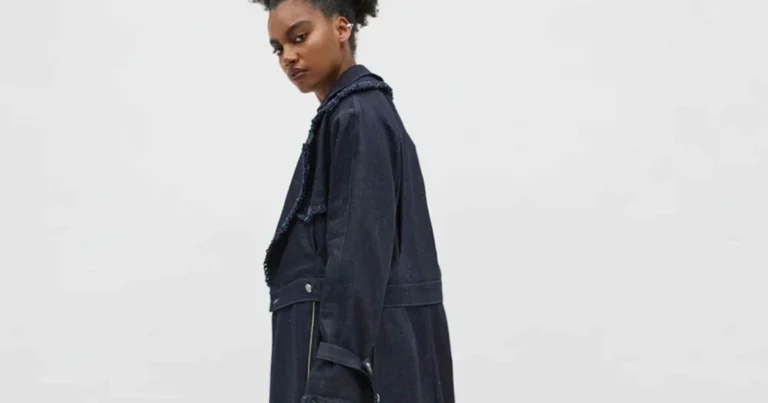
Editor’s Note: Feature image by Facettes Studio, all other images via brands mentioned. Good On You publishes the world’s most comprehensive ratings of fashion brands’ impact on people, the planet, and animals. Use our directory to search thousands of rated brands. This article was updated on 17 February 2026. Our editors frequently make updates to articles to ensure they’re up to date. We refreshed our suggestions to ensure they reflect brands with recent ratings.