









The global apparel industry is undergoing a significant transformation, driven by increasing consumer awareness and demand for ethical and sustainable practices. Within this evolving landscape, the kidswear segment stands out as a critical area for sustainable innovation, prompting platforms like Good On You to offer meticulously vetted recommendations. This February, two Good On You experts, drawing from both professional insight and personal experience, have curated a selection of responsible kidswear, spanning from newborn essentials to teen apparel, all from brands that meet stringent sustainability benchmarks. These selections underscore a broader industry shift towards transparency, ethical production, and a reduced environmental footprint, providing consumers with trusted options that align with a commitment to "buy less, buy better."
The Growing Imperative for Sustainable Kidswear
The children’s apparel market is characterized by rapid growth and frequent purchasing cycles, as children quickly outgrow their clothing. This dynamic creates a unique set of environmental and social challenges within the fashion industry. Conventional kidswear production often relies on resource-intensive processes, utilizing synthetic materials derived from fossil fuels, or conventional cotton that demands vast quantities of water, pesticides, and fertilizers. Furthermore, chemical dyes and finishing treatments can pose risks to both the environment and the sensitive skin of children. A 2023 report by Grand View Research estimated the global kids’ apparel market size at USD 235.9 billion in 2022, projected to grow at a compound annual growth rate (CAGR) of 6.2% from 2023 to 2030. This substantial growth amplifies the environmental footprint if sustainable practices are not adopted widely.
Parents and carers are increasingly prioritizing sustainability when making purchasing decisions for their children. A 2022 survey by the National Retail Federation revealed that nearly 60% of consumers would pay more for sustainable products. For kidswear, this concern extends beyond environmental impact to include factors such as material safety, durability, and ethical labor practices in the supply chain. The desire for garments free from harmful chemicals, made under fair working conditions, and designed to last longer or be easily recycled, is becoming a significant market driver. This heightened consumer scrutiny necessitates reliable guidance to distinguish genuinely sustainable brands from those engaging in "greenwashing," where misleading claims are made about environmental practices.
Navigating the Ethical Landscape: Why Independent Ratings Matter
In an industry often lacking comprehensive transparency, independent assessment platforms play a crucial role in empowering consumers to make informed choices. Good On You, a leading authority in sustainable fashion and beauty ratings, exemplifies this critical function. Its core mission is to simplify the process of making informed choices by providing clear, trustworthy recommendations that align with consumer values and needs, championing the "buy less, buy better" philosophy. This approach is particularly pertinent in the kidswear sector, where product longevity and safety are paramount.
The Good On You methodology is robust and multi-faceted, designed to provide a holistic view of a brand’s sustainability performance. It aggregates comprehensive, transparent information on fashion and beauty sustainability, assessing brands across key impact areas: Planet, People, and Animals. This methodology, developed by a diverse team of experts, scrutinizes various aspects of a brand’s operations, from raw material sourcing and manufacturing processes to labor conditions and animal welfare policies. The resulting ratings are presented on a simple five-point scale, enabling consumers to quickly understand a brand’s standing. Good On You only collaborates with and features brands rated "Good" or "Great," ensuring that all recommendations meet a high standard of environmental and social responsibility. With a directory encompassing over 6,000 fashion brands and hundreds of beauty brands, Good On You serves as an invaluable resource for navigating the complex sustainable marketplace.
The Good On You Standard: A Framework for Trust
The editorial integrity of Good On You is maintained by a dedicated team driven by expertise and a passion for sustainable fashion. Each recommendation undergoes careful review and approval, adhering to high standards of quality, longevity, and trend-transcendence. While the platform acknowledges and champions the value of reusing, mending, and second-hand shopping as vital components of a circular economy, its expert ratings system is specifically designed to guide consumers toward new brands that are inherently aligned with their values and sustainability goals. This dual approach acknowledges that new purchases are often necessary, particularly for growing children, and ensures that when consumers do buy new, they are choosing the most responsible options available. The rigorous vetting process behind Good On You’s ratings provides a credible foundation for the selections presented, offering assurance that featured brands are making significant, verifiable contributions to sustainable fashion.
Expert Curations: February’s Top Picks for Every Age Group
This February, Good On You’s data product manager, Luis Rodriguez De Cespedes, and director of partnerships, Stephanie Haywood, share their insights into responsible kidswear, informed by both their professional understanding of sustainable brands and their personal experiences as parents and carers. Their selections highlight practical, durable, and ethically produced items that cater to the diverse needs and preferences of children at various developmental stages, from the practicality required for toddlers to the style consciousness of teenagers.
Luis Rodriguez De Cespedes: Essentials for the Early Years and Beyond
Luis Rodriguez De Cespedes, navigating the bustling mornings of Bangkok with a pre-kindergarten daughter, understands the necessity of combining speed with style. His daughter’s burgeoning independence in choosing her outfits emphasizes the demand for versatile, mix-and-match pieces that are both appealing and responsibly made. Luis’s selections focus on functionality, material safety, and a touch of playful design, suitable for the active lives of young children and the demanding schedules of new parents.
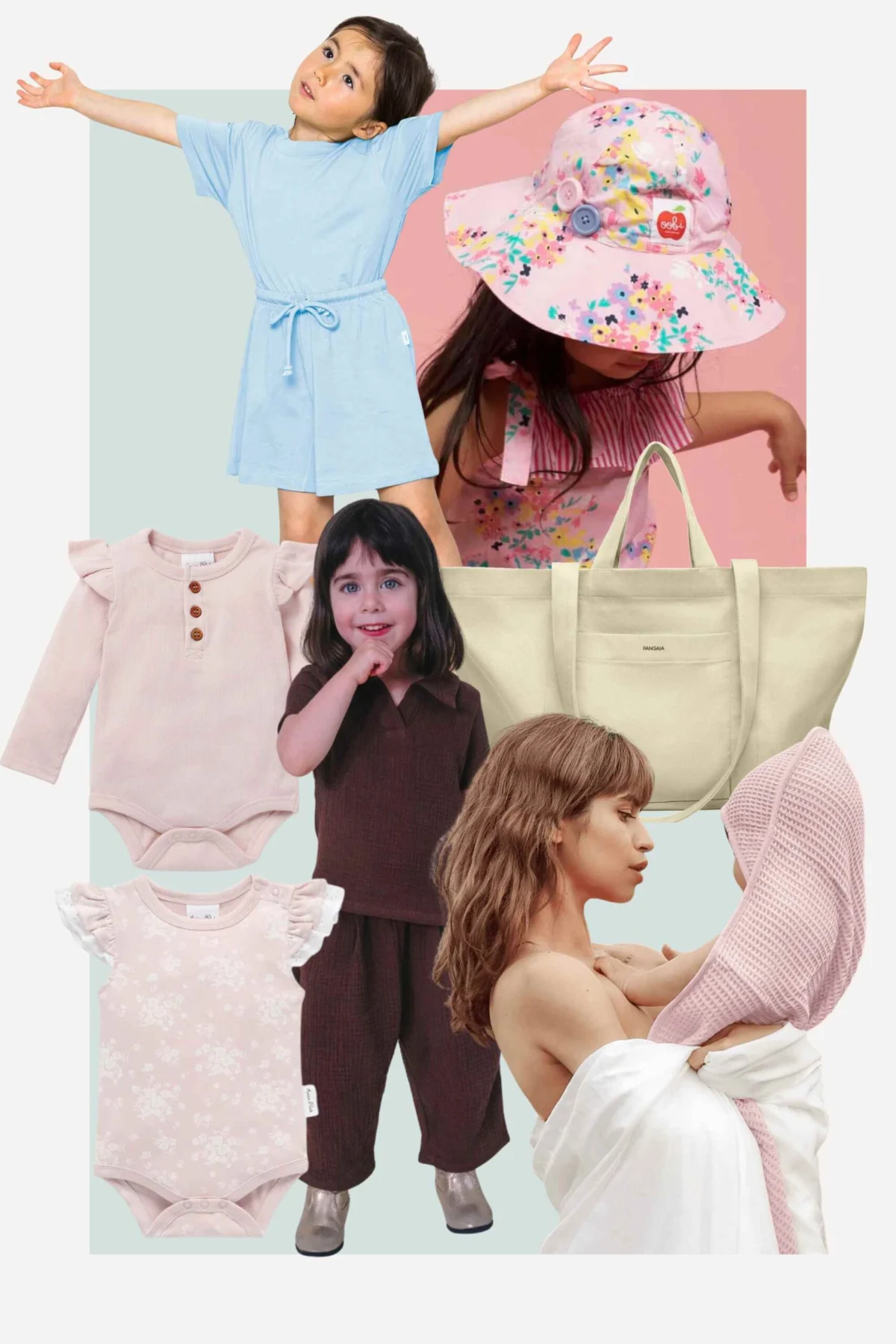
Among his top recommendations are Nico’s 5-Pack of Kids T-Shirts. These tees are notable for their use of plant-based dyes, which not only result in unique, subtly varying colors but also reduce the environmental impact associated with synthetic dyeing processes. Plant-based dyes typically require less water and produce less toxic wastewater, aligning with a more eco-conscious approach to textile manufacturing. The inherent variations in color also add a unique, artisanal touch to each garment. Complementing these versatile tops, Luis suggests Oobi’s Floral Ponytail Hat. Beyond its aesthetic appeal, this hat offers practical sun protection for outdoor activities and beach getaways, showcasing the brand’s commitment to durable, child-friendly designs. Oobi, as a brand, has demonstrated efforts towards incorporating sustainable practices within its production, making its pieces a reliable choice for conscious consumers.
For active playtime in Thailand’s warm climate, Luis recommends POPLINEN’s Nico Toddler Trousers in Chicory Coffee. These trousers are praised for their breathability, a crucial feature in hot weather, and their ability to protect knees during messy outdoor play while maintaining a presentable appearance. While "chicory coffee" refers to the color, Poplinen is known for its focus on natural fibers and sustainable production methods, ensuring comfort and durability. The choice of breathable materials minimizes discomfort for children and often correlates with natural, less processed fibers.
Beyond kidswear, Luis highlights a versatile accessory for parents: the PANGAIA 365 Oversized Tote Bag. This selection underscores the broader need for sustainable solutions in daily life. PANGAIA is globally recognized for its material science innovation and commitment to creating products with minimal environmental impact. The oversized tote, designed to accommodate laptops, snacks, diapers, and groceries, exemplifies multi-functionality and longevity, thereby promoting reduced consumption. Its ability to double as a weekend travel bag further enhances its utility, reducing the need for multiple specialized bags.
Anticipating gifts for friends joining the "baby gang," Luis reflects on essential newborn items. He highly recommends Ettitude’s Hooded Baby Waffle Towel. This towel is OEKO-TEX-certified, guaranteeing it is free from harmful chemicals, a paramount concern for newborn skin. Made from bamboo lyocell, Ettitude’s products are known for their softness, absorbency, and sustainable production process, making this a cozy and safe choice for new arrivals. Finally, recognizing the early-phase need for simplicity, Luis points to Aster + Oak’s Organic Cotton Onesies. The brand specializes in organic cotton, ensuring that garments are gentle on delicate skin and produced without the environmental burden of conventional cotton farming. The focus on onesies reflects the practical reality for new parents who prioritize ease of dressing during the demanding newborn phase.
Stephanie Haywood: From Cosy Comforts to Teen Style
Stephanie Haywood, director of partnerships, brings her perspective from London’s chilly climate, focusing on comfortable, durable, and stylish options for her nieces and fashion-conscious teenage son. Her picks illustrate the range of sustainable options available for different age groups and preferences, emphasizing quality and design that withstand both play and scrutiny.
For her youngest niece, Stephanie envisions the Mini Mioche Dreamy Sleeper Romper. The romper’s striped, Breton-inspired design is not only charming but also indicative of timeless style, promoting longevity beyond fleeting trends. Mini Mioche is celebrated for its use of organic cotton and commitment to ethical manufacturing, ensuring comfort and safety for babies. The choice of a sleeper romper highlights the brand’s focus on practical yet stylish comfort, perfect for keeping warm during cooler spring holidays.
Speaking of spring, Stephanie’s older niece would undoubtedly appreciate Oobi’s Cherry Gingham Print Leggings. These leggings are designed for active play, such as trampoline action, and are made from durable, comfortable jersey fabric. Paired with Nikin’s TreeSweater Organic Cotton Sweatshirt, the ensemble is both practical and aesthetically pleasing. Nikin is a brand with a strong environmental ethos, known for planting a tree for every product sold, directly linking purchases to ecological restoration. The organic cotton ensures a soft feel against the skin and a reduced environmental footprint compared to conventional cotton. To complete the playful yet sustainable look, Stephanie suggests Q For Quinn’s 5-Pack of No-Dye Lace Socks. These socks are made from 98% organic cotton and are undyed, minimizing chemical exposure and reducing water pollution from the dyeing process. Q For Quinn is committed to producing high-quality, safe, and sustainable children’s socks, often with GOTS certification.
Addressing the challenge of dressing teenagers, Stephanie acknowledges the delicate balance between parental guidance and adolescent autonomy. For her skateboarding son, she cautiously suggests the Armedangels Cap and a complementary T-shirt from the same brand. Armedangels is a pioneering force in sustainable fashion, renowned for its commitment to organic materials, fair labor practices, and transparent supply chains. Their designs often appeal to a younger, style-conscious demographic, making their cap and T-shirt a strong contender for a discerning teenager who values both fashion and ethics. The choice reflects a recognition that sustainable fashion can be both cool and conscious, bridging the gap between ethical consumerism and youth culture.
The Broader Impact: Fostering a Sustainable Future for Fashion
The curated selections from Good On You’s team members are more than just product recommendations; they are illustrative examples of a broader movement towards a more responsible fashion industry. By highlighting brands that adhere to rigorous sustainability standards, Good On You plays a pivotal role in educating consumers and driving market demand for ethical products. The implications extend beyond individual purchasing decisions, contributing to a systemic shift in how fashion is produced, consumed, and perceived.
Supporting "Good" and "Great" rated brands sends a clear message to the wider industry: sustainability is no longer a niche concern but a mainstream expectation. This consumer-driven demand incentivizes more brands to invest in sustainable materials, ethical labor practices, and circular design principles. The growth of certifications like OEKO-TEX, GOTS (Global Organic Textile Standard), and Fair Trade is a testament to this shift, providing verifiable benchmarks for environmental and social responsibility. For instance, the global market for organic cotton, a staple in sustainable kidswear, is projected to grow significantly, reflecting increased demand from both brands and consumers.
Complementary Strategies: Extending the Lifecycle of Kidswear
While purchasing from sustainable brands is a crucial step, it is important to acknowledge that it forms part of a larger ecosystem of responsible consumption. Good On You explicitly champions complementary strategies such as reusing, mending, and second-hand shopping. Given the rapid growth rate of children, garments often have a short lifespan of use before being outgrown. Extending the life of these clothes through hand-me-downs, donating to charities, or utilizing platforms for selling/swapping used kidswear significantly reduces textile waste. Mending minor damages prolongs usability, while choosing durable, high-quality garments from the outset ensures they can withstand multiple owners and wears. This holistic approach to consumption—prioritizing quality new items from sustainable brands, then maximizing their lifespan through reuse and repair—is essential for achieving a truly circular and sustainable fashion economy.
Conclusion: Informed Choices for a Conscious Generation
The February team picks from Good On You serve as a practical guide for parents and carers seeking to make more responsible choices in kidswear. By leveraging a robust, transparent rating system and combining it with personal insights, Good On You empowers consumers to navigate the complexities of sustainable fashion with confidence. The featured brands exemplify the potential for the industry to offer products that are not only stylish and functional but also kind to the planet and its people. As consumer awareness continues to grow and demand for ethical products intensifies, platforms like Good On You will remain indispensable in fostering a future where fashion choices actively contribute to a healthier, more sustainable world for the next generation. Making informed decisions today is an investment in a conscious future, ensuring that children grow up in a world where their clothes reflect values of care, quality, and environmental stewardship.