









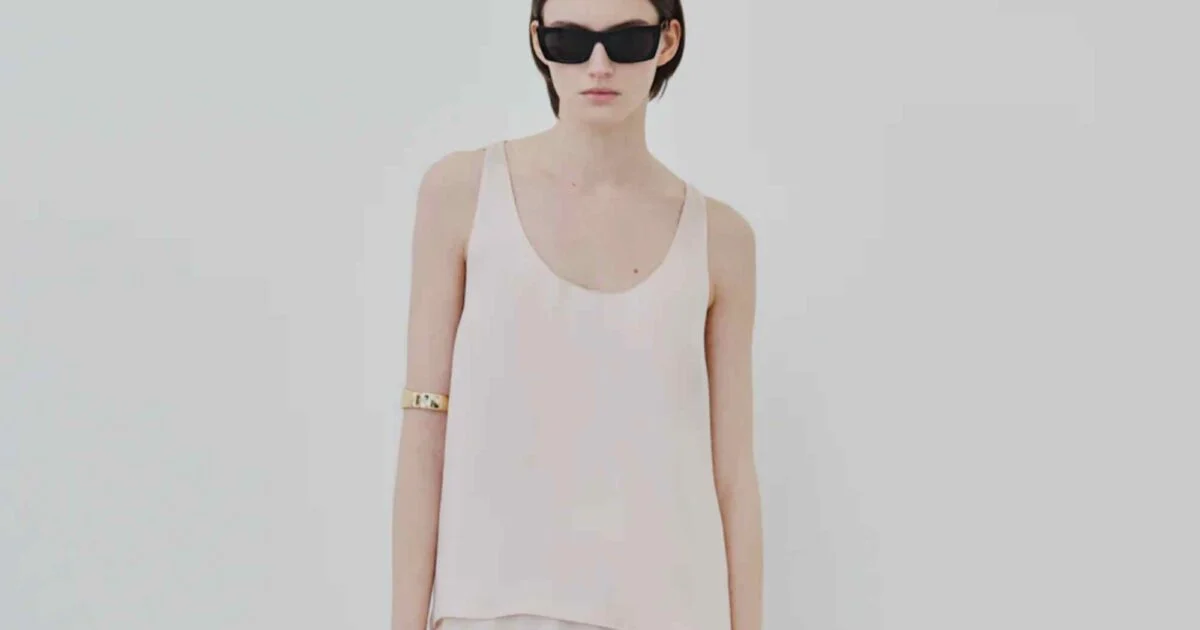
The enduring allure of Carolyn Bessette Kennedy’s ‘90s outfits has once again captured the public imagination, reigniting a fascination with minimalist fashion. This resurgence, amplified by recent media attention, including Netflix’s new ‘Love Story’ series, underscores a broader cultural shift towards simplicity and considered consumption. At its core, Bessette Kennedy’s signature style was an embodiment of minimalism: a deliberate choice for timeless, well-made items that effortlessly integrated into a cohesive wardrobe, emphasizing quality over quantity, and eschewing fleeting trends for enduring elegance. This aesthetic, characterized by clean lines, neutral palettes, and refined textures, offers a potent blueprint for individuals seeking to shop and dress more sustainably in an era dominated by rapid fashion cycles.
This article delves into the principles of minimalist fashion, exploring its profound implications for sustainability and offering guidance on cultivating a wardrobe that transcends seasonal whims. We will examine how this intentional approach directly confronts the systemic issues of fast fashion and highlight leading brands committed to producing high-quality, ethically made staples.
The Resurgence of ’90s Minimalism and its Cultural Context
Carolyn Bessette Kennedy, wife of John F. Kennedy Jr., became an unintentional style icon in the 1990s. Her sartorial choices, often monochromatic and understated, stood in stark contrast to the era’s more flamboyant grunge or flashy consumerism. She favored impeccably tailored separates, classic silhouettes, and a restrained color palette of black, white, navy, and beige. Her style was not about ostentation but about quiet confidence, projecting an image of effortless sophistication that remains aspirational. The renewed interest in her life and style, particularly through dramatizations like Netflix’s ‘Love Story,’ serves as a timely reminder of the power of a curated, minimalist wardrobe.
This revival is not merely a nostalgic trend; it reflects a deeper societal yearning for stability and authenticity in an increasingly chaotic world. Following periods of intense consumerism and digital overstimulation, many are seeking ways to simplify their lives, reduce clutter, and make more conscious choices. Fashion, as a highly visible form of self-expression and consumption, naturally becomes a focal point for this introspection. Industry analysts suggest that this trend is fueled by a desire for investment pieces that offer longevity and versatility, moving away from the disposable nature of fast fashion.
Minimalism: A Rejection of Fast Fashion’s Chaos
The environmental and social costs associated with fast fashion have become a critical global concern. The business model of fast fashion relies on accelerated production cycles, churning out new collections weekly to meet manufactured demand for constant novelty. This model has led to an array of severe consequences:
- Textile Waste: An estimated 92 million tons of textile waste are generated globally each year, with a significant portion ending up in landfills or incinerators. In the United States alone, the EPA reported over 17 million tons of textile waste in 2018, with only 14.7% recycled. The sheer volume of discarded garments, often made from synthetic, non-biodegradable materials, creates enormous environmental burdens.
- Resource Depletion and Pollution: The production of fast fashion is incredibly resource-intensive. Cotton cultivation, for instance, requires vast amounts of water and often relies on pesticides. The production of synthetic fibers like polyester, a staple of fast fashion, is dependent on fossil fuels and contributes to microplastic pollution in waterways and oceans. Dyeing processes are notorious for water pollution, releasing toxic chemicals into local ecosystems.
- Exploitative Labor Practices: To achieve rapid turnaround and low costs, fast fashion brands frequently rely on exploitative labor conditions in developing countries. Garment workers often face extremely low wages, long hours, unsafe working environments, and a lack of basic human rights. Tragedies like the 2013 Rana Plaza factory collapse in Bangladesh, which killed over 1,100 workers, starkly illustrate the human cost of this relentless pursuit of cheap production.
- Psychological Impact: Beyond environmental and social ills, constant exposure to advertising and the pressure to "keep up with trends" can foster a sense of inadequacy and drive compulsive consumption. Research, including studies cited by Business Insider, suggests that this consumerist culture can contribute to increased levels of anxiety and dissatisfaction, creating a never-ending cycle of wanting "more stuff" that ultimately fails to deliver lasting happiness.
Minimalism, in stark contrast, offers a powerful counter-narrative. It champions simplicity, intentionality, and a slower pace of consumption. It is a philosophy that rejects the fleeting nature of trends and the exhaustive drain on both planetary resources and personal finances. By prioritizing durability, versatility, and personal value, minimalist fashion inherently reduces the demand for new items, thereby mitigating many of fast fashion’s adverse effects.
Understanding Minimalist Fashion: Beyond the Hype
While figures like Marie Kondo have popularized the concept of decluttering for "joy," and Carolyn Bessette Kennedy is celebrated as a modern minimalist style icon, the essence of minimalism transcends mere aesthetics or fleeting organizational fads. It is a deeply anti-trend and anti-consumerist philosophy. When looking to "steal her look," the minimalist approach would first advise introspection: what do you already own that aligns with these principles?
Minimalist fashion is about stripping away the superfluous, leaving only items that offer genuine value, comfort, and joy. This translates into a wardrobe characterized by:
- Fewer Clothes, Greater Intent: The goal isn’t just a small wardrobe, but a functional one where every piece serves a purpose and is loved. This often means owning fewer items but making more considered purchases.
- Quality Over Quantity: Investing in well-made garments from durable, high-quality materials ensures longevity. These pieces are designed to withstand time and wear, reducing the need for frequent replacements.
- Timeless Design: Minimalist pieces typically feature classic cuts, simple silhouettes, and an absence of busy detailing. They are designed to be enduring, transcending seasonal trends and remaining stylish for years, if not decades.
- Cohesive Color and Texture Palettes: A core tenet is the creation of a harmonious wardrobe where all items can be easily mixed and matched. This is often achieved through a neutral color palette (blacks, whites, grays, navys, earth tones) and complementary textures, allowing for endless outfit combinations from a limited number of pieces.
- Longevity and Repairability: True minimalist fashion encourages caring for garments, repairing them when damaged, and extending their lifespan as much as possible, rather than discarding them at the first sign of wear.
Ultimately, minimalism challenges the prevailing consumerist narrative that constantly pushes for "more." It poses a fundamental question: "Have you ever considered intentionally having less?" Less debt, less clutter, less stress, and crucially, less strain on valuable natural resources for items that aren’t truly needed. The starting point for many on this journey is often their wardrobe.
How to Cultivate a Minimalist Wardrobe for Sustainable Living
Embarking on a minimalist fashion journey is a gradual process that prioritizes slowness and intention over instant gratification. It involves a shift in mindset from impulsive buying to thoughtful curation. While there are no rigid rules, and personal interpretation of colors and shapes is encouraged, the underlying principle remains constant: create a wardrobe where items seamlessly integrate, are of high quality, and are built to last. Here are actionable tips for adopting minimalist fashion:
- Declutter with Intention: Begin by evaluating your current wardrobe. Use methods like the "KonMari" approach, asking if each item "sparks joy," or a simpler rule like discarding anything unworn in the last year. Be honest about what you truly use and love.
- Define Your Personal Style: Understand what silhouettes, colors, and fabrics make you feel your best. A minimalist wardrobe is deeply personal; it’s not about adhering to a generic template but refining your aesthetic.
- Choose a Core Color Palette: Select a primary set of neutral colors that you enjoy and that flatter you. Add one or two accent colors that complement your neutrals and can be introduced through accessories or a few key pieces. This ensures maximum mix-and-match potential.
- Prioritize Quality Fabrics: Invest in natural, durable, and lower-impact materials like organic cotton, linen, hemp, TENCEL™ Lyocell, or responsibly sourced wool. These fabrics tend to last longer, age gracefully, and often have a lower environmental footprint than conventional synthetics.
- Focus on Versatile Staples: Identify foundational pieces that can be dressed up or down and worn in multiple contexts. Examples include a classic white shirt, tailored trousers, a well-fitting blazer, a simple black dress, and a comfortable pair of sneakers.
- Embrace Thoughtful Shopping: Before making a purchase, ask yourself: Do I truly need this? Does it fit seamlessly with at least three other items I already own? Is it well-made and designed to last? Can I envision myself wearing it for years to come?
- Explore Secondhand and Vintage: The most sustainable garment is often one that already exists. Thrifting, buying vintage, or utilizing clothing rental services are excellent ways to acquire unique, high-quality pieces without contributing to new production.
- Care for Your Clothes: Learn proper garment care to extend the life of your clothes. This includes appropriate washing, drying, and storage methods. Mend minor damages promptly to prevent them from worsening.
- Resist Trends: Consciously detach from the pressure to constantly update your wardrobe with the latest trends. A minimalist wardrobe celebrates personal style and timelessness, not fleeting fads.
Leading Brands Championing Sustainable Minimalism
For those looking to thoughtfully expand their minimalist wardrobe with pieces that align with ethical and environmental values, a growing number of brands are committed to sustainable practices. These companies prioritize quality craftsmanship, lower-impact materials, fair labor, and timeless design. Good On You, a leading resource for ethical brand ratings, assesses companies based on their environmental, worker, and animal welfare impacts, providing a reliable guide for conscious consumers. Here are some exemplary brands offering minimalist staples:
- Akyn: Founded by sustainable fashion industry legend Amy Powney, Akyn offers contemporary and timeless womenswear crafted from lower-impact materials. Their designs embody refined simplicity, focusing on pieces that are both elegant and enduring.
- Dorsu: Based in Cambodia, Dorsu specializes in everyday basics and signature favorites that form the backbone of any conscious wardrobe. They emphasize ethical production, ensuring fair wages and working conditions for their garment makers, and utilize thoughtfully sourced materials.
- Colorful Standard: This Danish brand disregards seasonal trends, focusing instead on creating timeless, organic fashion essentials for men and women. Their vibrant yet classic pieces are designed for longevity, actively combating over-consumption with durable quality.
- ASKET: Since 2015, ASKET has been dedicated to creating timeless wardrobe essentials with revolutionary sizing and transparent pricing. They maintain a single permanent collection, prioritizing quality over quantity and selling directly to consumers to minimize intermediaries.
- JAN ‘N JUNE: Hailing from Hamburg, this brand offers sustainable, fair, and transparent fashion. Founded by young female entrepreneurs, JAN ‘N JUNE proves that minimalist, stylish fair fashion can also be affordable, focusing on responsible production and materials.
- Kalaurie: A Melbourne, Australia-based label, Kalaurie inspires excitement with its stunning designs and high-quality craftsmanship. They produce capsule collections with a strong emphasis on signature shirt tailoring, consistently rating highly across environmental, worker, and animal impact categories.
- ESSÄN: Founded by Marre Muijs in response to fashion’s wasteful cycles, ESSÄN is a shoes and accessories brand that eschews the traditional fashion calendar. They limit production runs, use low-waste cutting techniques, and offer a single, permanent collection of meticulously crafted items.
- Kowtow: This New Zealand brand is celebrated for its elegant, timeless womenswear made from organic, fair-trade cotton and non-toxic dyes. Kowtow’s commitment to ethical sourcing and sustainable production is evident in every piece, which often features clean lines and relaxed silhouettes.
- The Summer House: Creating beautiful womenswear in India, The Summer House utilizes locally made, lower-impact fabrics and partners with local artisans and NGOs. Their designs feature elegant prints and flowing silhouettes, blending cultural heritage with sustainable practices.
- HERTH: An Italian lifestyle brand, HERTH combines sustainability and ethics with timeless aesthetics. They promote slow fashion through contemporary pieces with clean silhouettes and meticulous attention to detail, crafted by local Italian artisans using lower-impact materials.
- SANTICLER: This US-based label curates modern silhouettes in womenswear, offering timeless collector pieces. An early advocate of slow fashion, SANTICLER designs and produces with the intention to reduce waste, using materials like GOTS-certified cotton and responsibly sourced wool.
- POPLINEN: An LA brand specializing in sustainably made basics, POPLINEN uses plant-based materials to create comfortable and versatile loungewear and everyday essentials. Their focus on conscious production ensures both style and environmental responsibility.
- Minimalist: Anchored in timeless design, Minimalist offers a curated collection of women’s ready-to-wear pieces, all made in New York. The brand is part of the solution for more sustainable fashion, using certified lower-impact materials and ensuring fair wages and work conditions in local factories.
- ReCreate: This New Zealand brand makes boutique clothing that transforms lives through fair employment, training, and empowerment. ReCreate uses lower-impact materials, including organic cotton, and incorporates textile offcuts to reduce waste, reflecting a holistic approach to sustainability.
- Proclaim: Based in Los Angeles, Proclaim creates beautiful bras, underwear, and basics from responsible materials like recycled plastic bottles and TENCEL. They champion inclusivity with various "nude" shades and ensure living wages and regular supplier visits for their California factory workers.
- Neem: Hailing from the UK, Neem focuses on men’s clothing with a transparent supply chain and a strong commitment to environmental protection. Their designs are classic and durable, made to last and reduce the overall footprint of menswear.
- ISTO.: The Portuguese brand ISTO. operates on a simple mandate: create clothes that transcend seasons and serve as permanent wardrobe staples. They maintain a single collection, prioritizing quality over quantity, using organic materials, and offering transparency on the true cost of their garments.
Broader Impact and Future Implications
The growing embrace of minimalist and sustainable fashion, catalyzed by figures like Carolyn Bessette Kennedy and amplified by critical awareness of fast fashion’s failings, signals a significant shift in consumer behavior. This movement has far-reaching implications:
- Economic Shift: As consumer demand for ethical and sustainable products grows, traditional fast fashion retailers face increasing pressure to adapt or risk losing market share. This encourages investment in sustainable supply chains, innovative materials, and circular economy models. While the shift is slow, the market for ethical fashion is steadily expanding, with projections indicating continued growth.
- Industry Innovation: The demand for sustainability is driving innovation in textile science (e.g., biodegradable synthetics, regenerative agriculture for natural fibers) and manufacturing processes (e.g., waterless dyeing, 3D printing). Brands are exploring new business models, such as clothing rental, resale platforms, and made-to-order production, to reduce waste and extend garment life.
- Policy and Regulation: Increased public awareness and advocacy can lead to greater governmental scrutiny and regulation of the fashion industry. This may include stricter environmental standards, mandates for supply chain transparency, and policies to protect garment worker rights, as seen in recent legislative efforts in various regions.
- Cultural Redefinition of Value: Ultimately, the minimalist movement redefines what constitutes "value" in clothing. It moves beyond price and trendiness to encompass durability, ethical production, environmental impact, and personal significance. This cultural re-evaluation has the potential to foster a more thoughtful, less wasteful approach to consumption across all sectors.
In conclusion, Carolyn Bessette Kennedy’s timeless minimalist style, once a quiet statement, has found a powerful resonance in today’s world. It serves as an elegant reminder that true style endures beyond fleeting trends, offering a path towards a more sustainable and conscious relationship with fashion. By embracing the principles of minimalism – intentionality, quality, and versatility – individuals can not only cultivate a more refined personal aesthetic but also contribute meaningfully to a more ethical and environmentally responsible future for the fashion industry.