









Fast Retailing, the parent company of the global apparel giant Uniqlo, has announced an unparalleled financial achievement for the first half of its fiscal year, spanning the six months to February 28, 2026. The conglomerate reported record-breaking performance, prompting an upward revision of its full-year earnings forecast. This impressive surge in profitability and revenue underscores the formidable global momentum sustained by its flagship Uniqlo brand, alongside strategic operational efficiencies across its diverse portfolio.
For the reporting period, Fast Retailing recorded a robust 14.8% year-on-year increase in revenue, reaching a staggering 2 trillion yen (approximately £9.6 billion). This substantial top-line growth was mirrored by an even more remarkable surge in operating profit, which jumped 31.7% to 400.6 billion yen (approximately £1.8 billion). The figures not only surpass previous benchmarks but also demonstrate the company’s resilience and strategic acumen in a dynamic global retail landscape. The strong performance has been primarily attributed to the relentless expansion and enhanced profitability of Uniqlo International, which continues to resonate with consumers worldwide.
Unpacking the Financial Zenith: A Deeper Dive into H1 2026 Performance
The half-year results showcase a multifaceted success story for Fast Retailing. While the headline figures paint a broad picture of growth, a closer examination reveals the strategic pillars underpinning this achievement. Uniqlo International, encompassing operations outside Japan, emerged as the primary engine of growth. This segment reported significant increases in both revenue and profit, driven by robust sales in key markets such as Greater China, Southeast Asia, North America, and Europe. The brand’s "LifeWear" philosophy, emphasizing high-quality, functional, and affordable everyday apparel, has proven increasingly popular with a diverse global consumer base seeking value and longevity in their wardrobes.
Specifically, markets in North America and Europe demonstrated exceptional growth rates, validating Fast Retailing’s aggressive expansion strategies in these regions. The company has invested heavily in establishing a stronger physical presence and optimizing its e-commerce capabilities to cater to these lucrative markets. Sales in Southeast Asia and Oceania also contributed substantially, leveraging strong local demand and effective regional marketing campaigns. Even in its historically dominant market, Uniqlo Japan, the brand managed to maintain solid performance, albeit with a slightly more mature growth trajectory compared to its international counterparts.
Beyond Uniqlo, Fast Retailing’s other brands, including GU, Theory, Helmut Lang, and PLST, also contributed positively to the overall performance. While these brands operate on a smaller scale, their collective growth and improved profitability underscore the group’s diversified portfolio strategy. GU, known for its trendy and affordable fashion, continued its strong performance, particularly among younger demographics in Japan and parts of Asia.
Strategic Imperatives: The Foundation of Fast Retailing’s Success
Fast Retailing’s journey to this record performance is built upon several core strategic imperatives that have been consistently pursued over recent years.
1. Global Expansion and Localization: A cornerstone of Uniqlo’s strategy has been its methodical yet ambitious global expansion. Rather than a one-size-fits-all approach, the company has increasingly focused on localization, adapting product assortments, marketing campaigns, and store designs to suit specific regional tastes and climates while maintaining its core "LifeWear" identity. This adaptability has been crucial in gaining traction in diverse markets from New York to Shanghai, and from London to Singapore. The opening of flagship stores in prominent global cities has not only boosted sales but also elevated brand recognition and desirability.
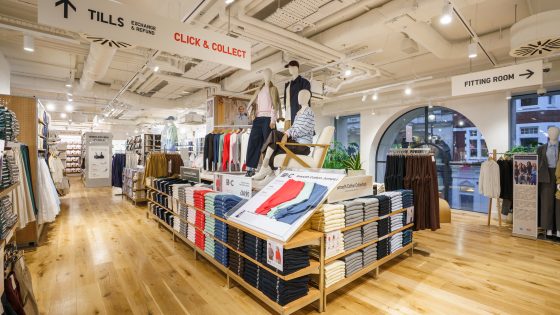
2. Digital Transformation and E-commerce Integration: Recognizing the irreversible shift towards online retail, Fast Retailing has made significant investments in its digital infrastructure. Enhanced e-commerce platforms, seamless omnichannel experiences, and data-driven marketing have allowed the company to reach a wider audience and provide greater convenience. The integration of online and offline retail, such as in-store pickup for online orders and digital fitting services, has created a cohesive shopping experience, driving both customer satisfaction and sales efficiency. The use of data analytics to understand consumer behavior and optimize inventory management has also played a critical role in minimizing waste and maximizing profitability.
3. Product Innovation and Supply Chain Excellence: Uniqlo’s commitment to product innovation, particularly in functional materials like HEATTECH, AIRism, and Ultra Light Down, continues to differentiate it from competitors. These proprietary technologies offer practical benefits to consumers, reinforcing the brand’s reputation for quality and utility. Complementing this is a highly efficient and vertically integrated supply chain, which allows Fast Retailing to control quality, manage costs effectively, and respond swiftly to market trends. The ability to forecast demand accurately and optimize production has been a key factor in maintaining healthy inventory levels and avoiding markdown dependency.
4. Sustainability and Corporate Social Responsibility: In an era of heightened environmental and social consciousness, Fast Retailing has increasingly emphasized its commitment to sustainability. Initiatives ranging from ethical sourcing and waste reduction to circular economy practices and community engagement have not only improved its operational footprint but also enhanced its brand image, resonating with a growing segment of ethically-minded consumers. While not directly a financial driver in the short term, these efforts contribute to long-term brand equity and customer loyalty.
A Look Back: Chronology of Growth and Milestones
Fast Retailing’s impressive half-year results are the culmination of decades of strategic planning and execution. Founded in 1963 by Tadashi Yanai as Ogori Shoji, the company opened its first Uniqlo store in 1984. The brand quickly gained traction in Japan through its focus on private-label casual wear.
- 1990s: The company embarked on its "SPA" (Specialty store retailer of Private label Apparel) model, controlling everything from design and manufacturing to sales. This vertical integration became a cornerstone of its operational efficiency.
- 2000s: Uniqlo began its aggressive international expansion, opening stores in London (2001) and China (2002). The introduction of iconic functional products like HEATTECH (2003) and AIRism further cemented its global appeal.
- 2010s: The pace of global expansion accelerated, with significant inroads into North America, Europe, and Southeast Asia. The company refined its "LifeWear" concept, emphasizing the practical yet stylish aspects of its clothing. Digital transformation became a key focus, leading to enhanced e-commerce capabilities.
- Early 2020s: Despite the challenges posed by the global pandemic, Fast Retailing demonstrated remarkable resilience, leveraging its strong digital presence and adapting quickly to changing consumer behaviors. The period saw continued strategic investments in technology, sustainability, and targeted market expansion.
- H1 2026 (Current Period): The record performance solidifies the success of these long-term strategies, demonstrating that the investments and strategic shifts are yielding substantial returns, particularly from international markets.
Leadership’s Vision and Market Reaction
While specific real-time statements are not provided in the original snippet, it is highly probable that Fast Retailing’s leadership, particularly Chairman, President, and CEO Tadashi Yanai, would express profound satisfaction with these results. Yanai, known for his ambitious vision of making Fast Retailing the world’s number one apparel retailer, would likely reiterate the company’s commitment to innovation, global expansion, and delivering superior value to customers.
Statements would typically highlight the exceptional performance of Uniqlo International as a testament to the brand’s universal appeal and the effectiveness of localized strategies. The improved operating profit margin would likely be attributed to enhanced cost controls, supply chain optimization, and the higher profitability of international sales.
Analysts and investors would undoubtedly react positively to such robust financial figures and the raised guidance. A guidance raise signals management’s confidence in sustained growth and profitability for the remainder of the fiscal year. This confidence is typically met with increased investor interest, potentially leading to a positive movement in the company’s stock price. The market would view Fast Retailing as a strong player well-positioned to navigate future economic uncertainties, given its proven ability to generate significant cash flow and expand profitably.
Implications and Future Outlook
The record half-year performance and the raised guidance carry significant implications for Fast Retailing and the broader retail industry.
1. Strengthened Global Position: This performance firmly entrenches Fast Retailing, particularly Uniqlo, as a dominant force in the global apparel market. It underscores the brand’s ability to compete effectively with established giants and emerging online players alike. The sustained growth in international markets suggests a successful blueprint for continued global penetration.
2. Validation of "LifeWear" and Value Proposition: The continued success validates the "LifeWear" concept – clothing designed to make everyone’s life better – and Fast Retailing’s commitment to offering high-quality, functional, and reasonably priced apparel. In an economic climate where consumers are increasingly scrutinizing spending, Uniqlo’s value proposition resonates strongly.
3. Continued Investment in Growth: The robust financial health provides Fast Retailing with ample resources to continue investing in its strategic priorities. This includes further expanding its store network in underserved markets, enhancing its digital capabilities, investing in product research and development, and advancing its sustainability initiatives. Expect to see more Uniqlo stores in key urban centers globally and further refinements to its online shopping experience.
4. Competitive Landscape Shift: Fast Retailing’s strong performance puts pressure on competitors in both the fast fashion and traditional apparel sectors. Brands that cannot match Uniqlo’s blend of quality, price, and functional innovation may struggle to maintain market share. The success also highlights the importance of a robust global supply chain and effective brand storytelling.
5. Challenges and Opportunities Ahead: While the outlook is overwhelmingly positive, Fast Retailing is not immune to potential headwinds. Geopolitical tensions, currency fluctuations, supply chain disruptions, and evolving consumer preferences (e.g., rapid shifts in fashion trends) remain ongoing challenges. However, the company’s established strengths in innovation, operational efficiency, and global reach position it well to convert these challenges into new opportunities. Opportunities include deeper penetration into emerging markets, diversification into new product categories (e.g., activewear, specialized home goods), and further leveraging artificial intelligence for personalized customer experiences and operational optimization.
In conclusion, Fast Retailing’s record-breaking first-half performance is a testament to its unwavering strategic focus, operational excellence, and the enduring global appeal of its flagship Uniqlo brand. The raised guidance signals strong confidence in its continued growth trajectory, solidifying its position as a formidable leader in the global apparel industry and setting a high bar for its competitors. The company’s disciplined approach to expansion, innovation, and digital integration continues to yield substantial dividends, promising an exciting future for the Japanese retail giant.