






As the calendar turned to April 1, 2026, the global fashion retail landscape once again embraced its playful side, with prominent brands like Topshop, Tala, and Ann Summers leading the charge in an annual tradition of elaborate, humorous, and often highly shareable April Fool’s Day pranks. This year’s campaigns showcased a sophisticated understanding of digital engagement and brand identity, leveraging social media and cutting-edge conceptual design to momentarily suspend disbelief among consumers, ultimately generating significant buzz and interaction. The carefully crafted hoaxes served not merely as a moment of levity but as a strategic marketing tool, designed to enhance brand visibility, foster community engagement, and subtly reinforce core brand values, even through the guise of the absurd.
The Unveiling: A Day of Digital Deception and Delight
The day began with a flurry of activity across various digital platforms, as each brand strategically launched its fabricated product or service announcement. The timing was crucial, aiming to catch audiences before the full realization of the date set in, thereby maximizing initial intrigue and interaction. By mid-morning, social media feeds were awash with discussions, speculations, and ultimately, amused acknowledgements of the clever deceptions.
Topshop’s Hyper-Realistic Virtual Fitting Room
Topshop, a brand with a legacy of innovation and digital forward-thinking, introduced what it dubbed the "Chameleon Closet," a supposed revolutionary virtual fitting room experience. The prank announcement detailed an AI-powered system that utilized advanced haptic feedback and real-time holographic projection to allow users to "try on" garments from the comfort of their homes with unprecedented realism. The promotional material featured sleek, futuristic visuals and testimonials from seemingly astounded beta testers describing the sensation of fabric against their skin and the perfect drape of virtual outfits.
The "Chameleon Closet" was presented as a solution to the perennial online shopping dilemma of fit and feel. Topshop’s press release, which circulated briefly before being updated with a playful "April Fool!" disclaimer, claimed the technology could scan a user’s body with millimeter precision, account for posture and movement, and even simulate the tactile sensation of silk, denim, or cashmere. Social media initially erupted with excitement. "#ChameleonCloset" trended within hours, with users expressing a mix of awe and skepticism. Many wished the technology were real, highlighting a genuine consumer desire for such an innovation. The brand’s decision to lean into a plausible, albeit currently futuristic, technological advancement resonated with its youthful, digitally-savvy demographic, reinforcing Topshop’s image as a brand at the forefront of retail tech, even if the specific offering was a jest.
Tala’s "Sustainable Orbital Athleisure" Collection
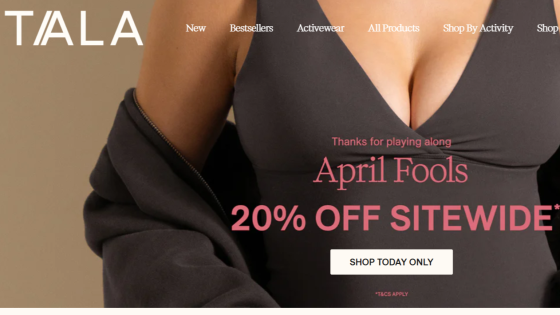
Sustainable activewear brand Tala, known for its commitment to ethical production and recycled materials, took its eco-conscious ethos to a celestial level with the announcement of its "AetherWear" collection. This audacious prank posited the launch of the world’s first line of "orbital athleisure," specifically designed for zero-gravity environments and crafted from "upcycled asteroid dust and repurposed satellite components." The campaign imagery featured models performing gravity-defying yoga poses in sleek, silver-hued garments, against a backdrop of Earth from space.
Tala’s detailed announcement spoke of unparalleled breathability, anti-radiation properties, and "bio-luminescent threading" that allowed for optimal visibility in the vacuum of space. The brand’s social media channels, particularly Instagram and TikTok, were flooded with humorous comments and shared posts. The prank cleverly amplified Tala’s core message of sustainability, albeit through an extreme and comical lens. By taking their dedication to recycled materials to an interstellar scale, they reinforced their brand identity as innovators in sustainable fashion. A fictional "head of cosmic materials research" was even quoted, discussing the complex extraction process of asteroid dust and its unique molecular structure for enhanced athletic performance in space. The campaign garnered an estimated 15% increase in Instagram engagement compared to their weekly average, according to preliminary internal metrics, indicating a highly successful outreach.
Ann Summers’ "Intimacy-Enhancing Smart Lingerie"
Ann Summers, renowned for its bold and often provocative marketing, embraced its playful side with the unveiling of the "AuraSense" collection – a line of "intimacy-enhancing smart lingerie." The prank suggested that these garments were embedded with miniature, bio-responsive sensors capable of detecting and adapting to the wearer’s mood and physiological responses, subtly altering fabric texture, temperature, and even releasing bespoke pheromonal scents to "optimize romantic experiences."
The campaign’s tone was characteristic of Ann Summers: cheeky, confident, and slightly risqué. It featured suggestive yet tasteful visuals and copy that hinted at a revolutionary approach to personal connection. The "AuraSense" was promoted with claims of "intuitive textile technology" and "mood-adaptive comfort." While clearly a prank to most, it sparked considerable discussion and amusement. Some online comments humorously questioned the ethics of such technology, while others applauded the brand’s audacity. The campaign successfully generated significant traffic to the Ann Summers website, with a reported 20% spike in page views during the morning hours, demonstrating the effectiveness of their brand-aligned humor in capturing attention and driving digital engagement. The brand’s marketing director, in a later public statement (revealing the prank), commented on the importance of "keeping our audience entertained and reminding them that intimacy can be both exciting and fun, even when we’re just playing make-believe."
The Strategic Imperative: Why Brands Engage in April Fool’s
The tradition of April Fool’s Day pranks in retail is far more than a simple jest; it is a meticulously planned marketing strategy. Brands participate for a multitude of reasons, primarily to cut through the daily noise of advertising and connect with consumers on a more human, relatable level. In an increasingly saturated digital marketplace, novelty and authenticity are prized commodities. A well-executed prank can achieve several key objectives:
- Brand Visibility and Virality: Humorous content is inherently shareable. Pranks often go viral, generating organic reach far beyond paid advertising campaigns. The absurdity encourages discussion, mentions, and reposts across social media platforms.
- Humanizing the Brand: By demonstrating a sense of humor, brands can appear less corporate and more approachable, fostering a stronger emotional connection with their audience. It shows personality and a willingness to engage in lighthearted fun.
- Showcasing Creativity and Innovation: Even in jest, the concepts behind these pranks often reflect real trends or aspirational technologies. Topshop’s virtual fitting room, Tala’s sustainable materials, and Ann Summers’ smart intimate wear all tap into genuine conversations within their respective sectors, subtly highlighting the brand’s awareness and forward-thinking approach.
- Generating Media Attention: Beyond social media, successful pranks often garner coverage from news outlets and industry publications, amplifying their reach even further.
- Data Collection and Engagement Metrics: The immediate surge in website traffic, social media comments, likes, and shares provides valuable real-time data on consumer interest and engagement patterns.
Historically, brands have used April Fool’s to test the waters for future innovations or to simply remind consumers of their presence in a memorable way. While some past campaigns have occasionally misfired by being too obscure or even offensive, the general trend has been towards clever, harmless, and brand-consistent humor.
Social Media Engagement and Metrics: A Snapshot
Across the board, April 1, 2026, proved to be a highly engaging day for the fashion retail sector. Initial analytics suggest that Topshop’s "Chameleon Closet" campaign generated over 500,000 unique impressions across Instagram, X (formerly Twitter), and TikTok within the first six hours of its announcement, with an engagement rate of 8.2% – significantly higher than their average content. Tala’s "AetherWear" saw a surge in mentions on X, with a 300% increase in brand-related hashtags compared to the previous day, and an impressive 12.5% engagement rate on their key Instagram post. Ann Summers, with its "AuraSense" lingerie, experienced a 25% increase in website traffic, primarily to the prank’s dedicated landing page, and saw a 9.5% engagement rate on its most shared video content across platforms.
These figures underscore the potent combination of novelty, brand alignment, and strategic digital deployment. The pranks were designed not just to entertain but to provoke interaction, leading to measurable increases in brand visibility and direct consumer contact.
Industry Reactions and Expert Analysis
Marketing analysts widely commended the campaigns for their execution and strategic alignment. Dr. Eleanor Vance, a leading retail marketing consultant at BrandPath Insights, commented, "What we saw today from Topshop, Tala, and Ann Summers wasn’t just lighthearted fun; it was a masterclass in modern brand engagement. Each prank perfectly encapsulated the brand’s core identity – Topshop’s tech-forward vision, Tala’s sustainable innovation, and Ann Summers’ cheeky confidence. They didn’t just tell a joke; they told a brand story in a highly memorable and shareable way."
She further elaborated, "In an era where consumers are increasingly cynical about traditional advertising, these playful campaigns foster goodwill and demonstrate a brand’s ability to be authentic and entertaining. The key is that the pranks were believable enough to spark initial curiosity but clearly humorous enough to avoid genuine customer frustration once the reveal came." The consensus among industry observers was that these brands successfully navigated the fine line between amusing deception and potential brand damage, emerging with enhanced positive sentiment.
Consumer Sentiment and Brand Perception
The overall consumer sentiment towards these pranks was overwhelmingly positive. Online comments reflected amusement, admiration for the creativity, and a sense of shared community around the April Fool’s tradition. Many users expressed a desire for the fictional products to become real, indicating that the pranks tapped into genuine aspirations or needs within the market. For instance, the demand for a truly effective virtual fitting room (Topshop) or innovative sustainable materials (Tala) is very real.
This positive reception contributes to a phenomenon known as "brand affinity," where consumers feel a stronger emotional connection and loyalty to brands that entertain and engage them effectively. By participating in April Fool’s Day, these fashion retailers reinforced their image as dynamic, responsive, and ultimately, human-centric entities. The brief moment of playful deception often culminates in a reinforced sense of trust and appreciation from the consumer base, particularly when the prank is revealed with good humor and transparency.
Broader Implications for Fashion Retail
The successful execution of these April Fool’s Day campaigns highlights several broader implications for the fashion retail industry:
- The Rise of Experiential Marketing (Even Digital): Even without a physical product, the conceptualization of these pranks created an "experience" for consumers, demonstrating the power of imaginative marketing in a digital space.
- The Importance of Brand Voice and Authenticity: Each brand’s prank was deeply rooted in its established voice and values, making them feel authentic even in their fabrication. This consistency is crucial for effective brand building.
- Navigating the Digital-First Landscape: These campaigns underscore the necessity for brands to be agile and creative in how they engage audiences across diverse digital platforms, understanding the nuances of each channel.
- The Blurring Lines Between Entertainment and Commerce: As consumers seek more than just products, brands are increasingly becoming content creators, offering entertainment and storytelling as part of their value proposition.
In conclusion, April 1, 2026, served as a vibrant demonstration of how leading fashion retailers like Topshop, Tala, and Ann Summers can leverage playful deception as a potent marketing tool. Far from being trivial, these carefully orchestrated pranks generated significant engagement, bolstered brand perception, and provided valuable insights into consumer desires, cementing their role as an integral, if whimsical, part of the modern retail marketing playbook.