









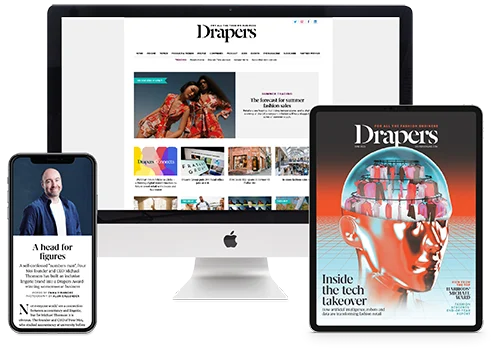
The UK fashion retail landscape is currently experiencing a dynamic transformation, driven significantly by the sustained impetus of founder-led, digitally native brands colloquially termed "bro brands." These agile enterprises, including prominent names such as Castore, Represent, The Couture Club, Montirex, and Arne, show no discernible signs of decelerating their growth trajectory. Far from being a fleeting trend, their ascent represents a fundamental shift in consumer engagement and market strategy, challenging established norms and setting new benchmarks for brand building in the digital age. This article delves into how these brands are not merely selling products but cultivating fervent communities and meticulously carving out distinct identities in an increasingly competitive marketplace, as insights from brand leaders and industry analysts reveal.
The Unstoppable Ascent of UK Founder-Led Fashion
The phenomenon of "bro brands" refers to a distinct category of fashion companies, predominantly founded and led by entrepreneurs who often embody the aspirational lifestyle their brands promote. These brands typically target a demographic interested in athleisure, streetwear, and casual luxury, emphasizing quality, fit, and a strong sense of belonging. Their business models are largely direct-to-consumer (D2C), allowing for greater control over branding, pricing, and customer experience. This direct engagement has proven instrumental in fostering the deep connections that underpin their success. The collective growth of these brands signals a significant reorientation of consumer preferences towards authenticity, community, and digital-first experiences. Their agile operational structures, rapid product cycles, and masterful use of social media have enabled them to capture substantial market share, often at the expense of more traditional retail giants struggling to adapt to the pace of digital change.
Defining the ‘Bro Brand’ Phenomenon: A Deeper Dive
While the term "bro brand" might imply a narrow demographic, its application in the industry broadly signifies brands that have successfully tapped into specific, often male-dominated, subcultures within fashion. These brands typically share several characteristics: a focus on comfortable yet stylish apparel suitable for gym-to-street transitions, a strong emphasis on aspirational lifestyle imagery, and an intrinsic link to their founder’s persona or journey. For instance, Castore, initially known for its premium sportswear, has expanded into broader lifestyle categories, leveraging endorsements from high-profile athletes. Represent, with its roots in streetwear, has cultivated a global following through limited drops and an edgy aesthetic. The Couture Club and Montirex lean into accessible luxury and urban casual wear, while Arne focuses on minimalist essentials with an emphasis on quality and fit.
These brands are not just selling clothing; they are selling an identity, a sense of achievement, and an affiliation with a particular lifestyle. This approach resonates powerfully with a consumer base that values brand narrative and personal connection over mere transactional purchases. Their success underscores a broader societal shift towards active lifestyles, comfort-centric dressing, and the influence of digital communities in shaping personal style.
A Chronology of Digital Dominance: The Rise of D2C Fashion
The trajectory of these "bro brands" is intrinsically linked to the broader evolution of e-commerce and digital marketing over the past decade. The early 2010s saw the nascent stages of D2C, with pioneering brands proving that direct online sales could bypass traditional retail gatekeepers. By the mid-2010s, platforms like Instagram had matured, providing fertile ground for visual storytelling and direct engagement with potential customers. It was during this period that many of these future "bro brands" began to coalesce their strategies.
- 2014-2016: Incubation and Early Traction: Brands like Represent (founded 2012) and Castore (founded 2016) began to establish their initial online presence. This period was characterized by experimentation with social media marketing, influencer collaborations (often micro-influencers), and building initial communities through limited product drops and direct founder interaction. The emphasis was on authenticity and creating a unique voice.
- 2017-2019: Accelerated Growth and Market Validation: As D2C infrastructure improved and consumer trust in online purchasing solidified, these brands experienced significant scaling. Investment flowed into digital marketing, supply chain optimization, and product diversification. Brands like The Couture Club (founded 2015) refined their offerings, tapping into the burgeoning demand for streetwear and athleisure. The importance of a seamless online shopping experience and efficient logistics became paramount.
- 2020-2022: Pandemic Boom and Mainstream Recognition: The COVID-19 pandemic acted as an unexpected catalyst. With physical retail disrupted and a global shift towards comfort wear and active lifestyles, these digitally native brands were perfectly positioned to thrive. E-commerce penetration surged, and consumer spending shifted dramatically online. Brands like Montirex (founded 2019) and Arne (founded 2018) capitalized on this surge, rapidly expanding their reach and cementing their places in the mainstream consciousness. This era also saw increased competition and a need for further differentiation.
- 2023-Present (2026): Maturation and Strategic Expansion: As the market matures, these brands are now focusing on sustainable growth, international expansion, and diversifying their revenue streams. While D2C remains core, some are cautiously exploring strategic wholesale partnerships or opening flagship physical stores to offer experiential retail. The battle now is not just for initial customer acquisition but for long-term loyalty and brand longevity amidst rising competition and evolving consumer expectations.
The Pillars of Success: Community and Connection
The bedrock of these brands’ success lies in their unparalleled ability to cultivate robust, engaged communities. Unlike traditional brands that broadcast messages, "bro brands" engage in dialogues.
- Social Media Mastery: Platforms like Instagram and TikTok are not just marketing channels but community hubs. Brands leverage high-quality visual content, behind-the-scenes glimpses, and direct interaction through comments and DMs. They actively encourage user-generated content (UGC), transforming customers into brand ambassadors. For instance, a recent Drapers analysis indicated that leading "bro brands" boast average Instagram engagement rates upwards of 3-5%, significantly higher than the industry average of less than 1% for larger legacy brands. This indicates a deeply invested audience.
- Influencer Marketing, Authentically Applied: Rather than broad celebrity endorsements, these brands often collaborate with fitness enthusiasts, content creators, and micro-influencers whose followers align directly with their target demographic. This creates a sense of relatability and authenticity, as consumers see products worn by individuals they trust and aspire to emulate. These partnerships are often long-term, building genuine relationships rather than one-off campaigns.
- Exclusive Drops and Loyalty Programs: The strategy of "limited drops" creates hype and urgency, rewarding loyal followers with early access or exclusive items. This gamified approach fosters excitement and strengthens community bonds. Loyalty programs extend beyond discounts, offering access to exclusive content, events, or even input on future product development, making customers feel like integral parts of the brand journey.
- Founder-Led Narratives: The personal story and vision of the founder are often front and center. This human element creates a powerful emotional connection. Consumers buy into the founder’s journey, their values, and their passion, making the brand feel more authentic and relatable. This direct communication from the founder through social media or podcasts builds trust and transparency.
Standing Out in a Crowded Market: Product, Persona, and Agility
Beyond community, differentiation is paramount. These brands distinguish themselves through a combination of product excellence, a strong brand persona, and operational agility.
- Product Quality and Design Philosophy: While often perceived as trend-driven, many "bro brands" prioritize material quality, innovative design, and a superior fit. They focus on creating versatile pieces that transcend fleeting trends, offering value through durability and timeless appeal. Represent, for example, is lauded for its meticulous attention to fabric and cut, elevating streetwear to a premium segment. Castore emphasizes performance technology in its sportswear.
- Distinct Brand Aesthetic: Each brand cultivates a unique visual and experiential aesthetic. Whether it’s Castore’s sleek, performance-oriented imagery, Represent’s gritty urban luxury, or Arne’s minimalist sophistication, these brands have invested heavily in creating a cohesive and instantly recognizable identity across all touchpoints, from website design to packaging.
- Agile Product Development and Supply Chains: Operating with lean D2C models allows for faster reaction times to market trends and customer feedback. They can move from concept to launch much quicker than traditional retailers bogged down by complex wholesale cycles. This agility enables them to constantly refresh their offerings, keep inventory lean, and minimize waste, a significant advantage in fast-paced fashion.
- Strategic Pricing and Perceived Value: These brands often position themselves in the "affordable luxury" or premium casual wear segment. They offer products that feel high-end without the exorbitant price tags sometimes associated with traditional luxury labels. By cutting out intermediaries, they can offer better value, which resonates strongly with a savvy consumer base.
The Economic Engine: Data and Direct-to-Consumer Prowess
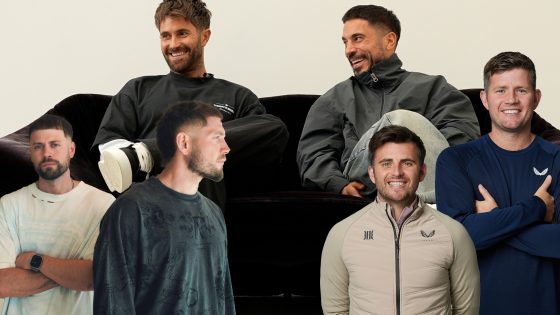
The success of these brands is not merely anecdotal; it is underscored by robust financial performance and significant market impact. The UK athleisure market alone is estimated to be worth over £6 billion, projected to grow at an annual rate of 5-7% over the next five years, providing a fertile ground for these brands.
- Explosive Revenue Growth: Many of these brands have reported exponential revenue growth. Castore, for instance, has seen its revenue surge by over 50% year-on-year in recent financial reports, expanding into international markets and securing major sports partnerships. Represent achieved over £50 million in annual revenue within a decade, demonstrating the power of its D2C model. These figures far outpace the average growth rates seen in traditional fashion retail.
- High E-commerce Penetration: The UK boasts one of the highest e-commerce penetration rates globally, with online sales accounting for over 30% of total retail sales, and significantly higher in fashion. These "bro brands" operate almost exclusively within this digital sphere, leveraging sophisticated analytics to understand customer behavior, optimize marketing spend, and personalize shopping experiences.
- Attractive to Investors: The proven scalability and profitability of the D2C model have made these brands attractive targets for private equity and venture capital. Investments in D2C fashion brands have surged, reflecting confidence in their long-term potential and ability to disrupt traditional retail paradigms. This capital infusion allows them to expand infrastructure, diversify product lines, and explore new markets.
- Efficient Customer Acquisition Costs (CAC): While CAC can be a challenge in a crowded digital space, these brands’ community-centric approach helps mitigate costs. High organic reach from UGC, strong word-of-mouth, and loyal customer bases reduce reliance on expensive paid advertising once initial traction is gained. Lifetime customer value (LTV) is often high due to repeat purchases and brand affinity.
Voices from the Front Line: Industry Reactions and Perspectives
The impact of these "bro brands" has not gone unnoticed by industry observers and competitors.
A leading fashion retail analyst from Euromonitor International, commenting on the trend, stated, "These founder-led brands have cracked the code for modern consumer engagement. They understand that today’s buyer isn’t just looking for a product, but a lifestyle and a community to belong to. Their agility, data-driven approach, and authentic narratives give them a significant competitive edge over legacy brands burdened by traditional structures and slower decision-making processes."
One of the founders of a prominent "bro brand," speaking anonymously, emphasized, "Our core philosophy has always been about direct connection. We listen to our community, adapt quickly, and ensure every product reflects our shared values. It’s not just about selling clothes; it’s about building a movement."
Even traditional retailers are taking notes. A spokesperson for a major high street chain acknowledged, "We’ve observed the immense success of D2C brands in fostering loyalty. The challenge for us is integrating their community-building strategies into our existing omnichannel model while maintaining our scale and heritage. There’s a lot to learn about responsiveness and direct customer feedback loops." This indicates a clear shift in industry thinking, where the D2C playbook is becoming a blueprint for survival and innovation across the board.
Challenges on the Horizon: Sustaining Growth and Navigating Competition
Despite their impressive rise, "bro brands" face evolving challenges that require strategic foresight.
- Market Saturation and Rising CAC: As more brands adopt similar D2C strategies, the digital marketing landscape becomes increasingly competitive, driving up customer acquisition costs. Maintaining profitability requires innovative marketing beyond paid ads.
- Retaining Loyalty: While community is strong, consumer preferences are fickle. Brands must constantly innovate and deliver consistent quality to prevent customer churn and maintain engagement amidst a sea of new entrants.
- Scaling Operations and Supply Chain Resilience: Rapid growth brings operational complexities. Managing international logistics, ensuring ethical sourcing, and maintaining consistent product quality at scale can strain resources. Geopolitical events and global supply chain disruptions pose ongoing threats.
- Sustainability Demands: Modern consumers, particularly younger demographics, increasingly demand transparency and sustainable practices. While some "bro brands" have made strides, integrating robust sustainability throughout the entire value chain—from materials to packaging and production—is a growing imperative that requires significant investment and strategic commitment.
- Brand Longevity: The challenge for any fast-growing brand is to evolve beyond its initial niche and avoid becoming a fleeting trend. This requires continuous innovation, strategic diversification, and adapting to changing fashion cycles without losing core identity.
Broader Implications for the UK Fashion Industry
The ascent of "bro brands" has profound implications for the wider UK fashion industry. It has accelerated the shift towards digital-first business models, forcing traditional retailers to invest heavily in their online presence and customer data analytics. The emphasis on community and authenticity is pushing all brands to rethink their marketing strategies, moving away from broad advertising towards more personalized and interactive engagement.
Furthermore, this trend has democratized access to the fashion market, lowering barriers to entry for new entrepreneurs. With relatively low startup costs for an online-only venture, more founders are emerging, fostering a vibrant and innovative ecosystem. However, this also means increased competition, requiring brands to be exceptionally creative and efficient to succeed. The investment landscape is also shifting, with capital increasingly flowing towards agile, tech-enabled D2C ventures.
Conclusion: A Blueprint for Modern Retail
The battle of the "bro brands" is more than just a fight for market share; it’s a testament to the transformative power of digital innovation, community building, and authentic brand narratives in the 21st-century fashion industry. Their continued impetus underscores a blueprint for modern retail, emphasizing direct customer relationships, agile operations, and a deep understanding of target demographics. As these brands mature, their ability to navigate challenges such as market saturation, sustainability pressures, and global supply chain complexities will determine their long-term legacy. What is undeniable is their indelible mark on the UK fashion scene, fundamentally reshaping how products are conceived, marketed, and consumed, and offering valuable lessons for all aspiring and established players in the dynamic world of retail.