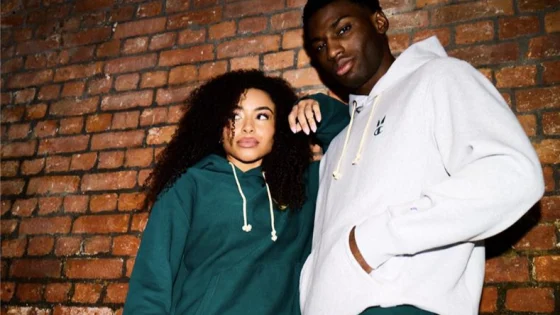












Superdry CEO Julian Dunkerton recently provided Drapers with an exclusive insight into the strategic revitalisation efforts underway at the struggling fashion giant, specifically detailing the high-stakes relaunch of the iconic streetwear brand Bench. The interview, conducted in late March 2026, underscored Dunkerton’s vision for Superdry’s future, focusing on a critical transformation of its core consumer demographic and the ambitious project to reintroduce Bench to a new generation, notably with a design input from his teenage daughter to authentically tap into the Gen Z market. This move represents a significant pivot for Superdry, a company that has faced considerable financial headwinds and market scrutiny in recent years, aiming to leverage heritage brands and innovative design approaches to reclaim relevance and profitability.
Superdry’s Strategic Imperative: Navigating Challenges and Forging a New Path
Superdry, founded by Julian Dunkerton and James Holder in 1985 (as Cult Clothing, later Superdry), rose to prominence with its distinctive fusion of vintage Americana, Japanese graphics, and British tailoring. However, the brand has contended with fluctuating fortunes over the past decade. After an initial period of rapid expansion and strong profitability, Superdry encountered difficulties adapting to shifting consumer tastes, increased competition, and the rapid evolution of digital retail. Dunkerton, who stepped away from the company in 2018 before returning as CEO in 2019 amidst a shareholder revolt, has since been at the helm of a protracted turnaround effort.
His return was predicated on a belief that Superdry had veered too far from its core design principles and authentic brand identity. Initial strategies focused on rationalising product lines, reducing promotional activity, and reinvesting in brand marketing. Despite these efforts, the company has continued to report challenging financial results. For instance, in its latest interim reports leading up to this interview, Superdry had reported persistent losses, with a pre-tax loss of approximately £25 million in the first half of the preceding fiscal year, alongside a notable decline in revenue. This backdrop accentuates the urgency and strategic importance of Dunkerton’s current initiatives, particularly the aim to "transform its core consumer." This transformation implies a dual approach: re-engaging its traditional, loyal customer base while simultaneously attracting a younger, more digitally native demographic, which is crucial for long-term sustainability in the fashion industry.
The Resurgence of Bench: A Brand’s Storied Past and Future Potential
The decision to relaunch Bench is not merely an opportunistic move but a calculated strategic play by Superdry to diversify its brand portfolio and capture new market segments. Bench, a brand steeped in British streetwear history, originated in Manchester in the late 1980s. It gained significant traction in the 1990s and early 2000s, becoming synonymous with urban culture, rave scenes, and functional, stylish outerwear. Its signature hoodies, tracksuits, and logo-centric designs resonated strongly with a youth demographic seeking comfortable yet edgy apparel.
However, like many brands of its era, Bench faced challenges in the mid-2010s, struggling to maintain its relevance in a rapidly changing fashion landscape dominated by fast fashion and new digital trends. The brand entered administration in 2018, its assets subsequently acquired by multiple entities before Superdry’s strategic acquisition in late 2024. While specific financial details of the acquisition were not publicly disclosed, industry analysts speculated it was a value-driven purchase, allowing Superdry to acquire a brand with significant residual equity and recognition for a relatively modest sum, estimated to be in the low single-digit millions of pounds.
Superdry’s rationale behind acquiring and relaunching Bench is multifaceted. Firstly, Bench carries significant brand recognition and nostalgia among consumers who grew up with it, offering a foundation for re-engagement. Secondly, the streetwear market, particularly functional and logo-driven apparel, has experienced a robust resurgence, aligning perfectly with Bench’s heritage. Superdry aims to capitalise on this trend, positioning Bench as a contemporary streetwear label that respects its origins while catering to modern demands. Dunkerton envisions Bench as a distinct entity within the Superdry group, targeting a slightly different, perhaps younger and more urban-focused, demographic than Superdry’s traditional customer, thereby minimising cannibalisation while expanding market reach.
Targeting Generation Z: The Digital Native Consumer at the Forefront
Central to the Bench relaunch strategy is an explicit focus on Generation Z. Born roughly between 1997 and 2012, Gen Z represents a formidable consumer group, boasting significant purchasing power and profound influence on cultural trends. This demographic is characterised by its digital nativism, having grown up entirely immersed in the internet, social media, and mobile technology. They are highly informed, value authenticity, sustainability, and inclusivity, and are adept at discerning genuine brand engagement from mere marketing ploys.
Attracting Gen Z is crucial for any brand aiming for long-term viability in the current retail landscape. Their purchasing decisions are heavily influenced by social media platforms like TikTok, Instagram, and YouTube, where peer recommendations and influencer collaborations hold sway. They are also less brand-loyal than previous generations, constantly seeking novelty and aligning with brands that reflect their values. For Superdry, the challenge lies in shedding any perception of being an "older" brand and demonstrating an understanding of Gen Z’s unique preferences and communication styles. The relaunch of Bench, with its inherent streetwear credibility, offers a more natural entry point into this demographic compared to potentially stretching the core Superdry brand too thin.
A Family Affair: Design Collaboration and Authentic Appeal for Gen Z
Julian Dunkerton’s revelation that he collaborated with his teenage daughter on the design of the new Bench collection is a poignant and strategic move to ensure authentic appeal to Gen Z. This direct involvement of a Gen Z individual in the creative process is intended to infuse the collection with a genuine understanding of current youth culture, aesthetics, and functional requirements, moving beyond mere market research or trend forecasting.

The design philosophy for the revitalised Bench collection reportedly blends nostalgic elements from the brand’s heyday – such as oversized fits, bold graphic prints, and utilitarian details – with contemporary sensibilities. This includes an emphasis on sustainable materials, gender-neutral sizing where appropriate, and versatile pieces suitable for both active lifestyles and casual wear. The collection is expected to feature updated versions of Bench’s classic hoodies and joggers, alongside new categories like modern streetwear outerwear and accessories, all designed to resonate with Gen Z’s preference for comfort, practicality, and self-expression.
Dunkerton’s daughter’s input would have been invaluable in guiding decisions on colour palettes, fabric choices, fit profiles, and graphic applications, ensuring the collection feels current and desirable to her generation. This approach aims to create a collection that doesn’t just look "cool" but genuinely understands the nuances of Gen Z fashion, from the subtle drape of a hoodie to the functionality of pocket placements. This direct, personal connection to the target demographic serves as a powerful testament to the brand’s commitment to authenticity, a quality highly valued by Gen Z.
The Relaunch Strategy: Digital-First, Experiential, and Community-Driven
The marketing and distribution strategy for the Bench relaunch is anticipated to be heavily digital-first, aligning with Gen Z’s media consumption habits. This will likely involve extensive campaigns across TikTok, Instagram, and other relevant social media platforms, leveraging micro and macro-influencers who genuinely connect with the brand’s aesthetic. Content creation will focus on engaging, user-generated-style videos, behind-the-scenes glimpses, and interactive challenges designed to foster a sense of community around the brand.
Beyond digital, Superdry is expected to explore experiential retail activations, such as pop-up shops in key urban centres or collaborations with music festivals and cultural events that resonate with the streetwear audience. These physical touchpoints would complement the online experience, offering opportunities for product discovery and brand immersion. E-commerce will be paramount, with a seamless online shopping experience, efficient logistics, and potentially integrated features like augmented reality try-on tools or personalised recommendations. The narrative of the brand’s revival, its Manchester heritage, and the generational collaboration in design will be central to all communication efforts, aiming to build a compelling story that Gen Z can connect with.
Industry Context and Market Reception: A Broader View
The relaunch of Bench by Superdry occurs within a dynamic and often challenging fashion industry. Brand revivals, or "heritage relaunches," have become a notable trend, with companies like Fila, Champion, and Kappa successfully re-establishing themselves by tapping into nostalgia and adapting to contemporary styles. However, success is not guaranteed, and the market is littered with examples of brands that failed to recapture their past glory. The key differentiator often lies in understanding the core DNA of the brand and translating it authentically for a new generation, rather than simply rehashing old designs.
Market analysts have offered cautious optimism regarding Superdry’s strategic move. Emily Chen, a senior retail analyst at Sterling & Partners, commented, "Superdry’s acquisition of Bench and its targeted relaunch for Gen Z is a high-risk, high-reward strategy. It diversifies their portfolio and taps into a growing streetwear segment. The challenge will be in maintaining distinct brand identities while leveraging Superdry’s operational efficiencies. The involvement of Dunkerton’s daughter could be a stroke of genius, offering unparalleled insight into Gen Z, but execution will be everything." Another analyst highlighted the competitive nature of the youth fashion market, stating, "Bench will be entering a crowded space. Its success will hinge on compelling product, authentic marketing, and a clear point of differentiation against established players and emerging direct-to-consumer brands."
Potential Implications for Superdry and the Wider Market
The successful relaunch of Bench could have significant positive implications for Superdry. Financially, it offers a potential new revenue stream that is less reliant on the core Superdry brand, thereby spreading risk. If Bench resonates with Gen Z, it could drive increased sales, improve profitability, and contribute to Superdry’s overall turnaround. Strategically, it demonstrates Superdry’s capability to manage multiple brands and adapt to diverse consumer segments, potentially paving the way for further brand acquisitions or collaborations.
Beyond Superdry, the Bench relaunch offers a case study for the broader fashion industry on brand revitalisation, founder-led turnarounds, and the critical importance of understanding and engaging Generation Z. It underscores the shift towards authenticity, co-creation, and purpose-driven marketing in connecting with younger consumers. Should Bench succeed, it could encourage other heritage brands to explore similar revival strategies, further emphasising the cyclical nature of fashion and the enduring power of brand legacy when reimagined for the modern era.
However, the path is not without obstacles. The fast-paced nature of Gen Z trends means sustained relevance requires constant innovation and agility. Maintaining a consistent brand message across various digital channels, managing inventory effectively to meet fluctuating demand, and navigating supply chain complexities will be critical. Superdry’s ability to execute this relaunch flawlessly, from product design to marketing and distribution, will ultimately determine whether Bench can truly reclaim its iconic status and become a cornerstone of Superdry’s future growth.
In summary, Julian Dunkerton’s strategy to transform Superdry by embracing a younger demographic through the relaunch of Bench is a bold and calculated move. By leveraging his daughter’s unique insights, Superdry aims to create a collection that genuinely resonates with Gen Z. This initiative is more than just a product launch; it is a strategic repositioning of Superdry within the competitive global fashion market, aiming to secure its future by reconnecting with the dynamic pulse of contemporary youth culture. The fashion world will be watching closely to see if this blend of heritage, innovation, and generational collaboration can truly mark a new era for both Superdry and the re-emerging Bench brand.