












Ahead of the 2026 Easter bank holiday weekend, spanning from Friday, April 3rd, to Monday, April 6th, the UK retail sector is meticulously preparing for a period of adjusted trading hours, a crucial aspect of both operational planning and customer communication. Major fashion and home retailers, including industry giants such as Next, Marks & Spencer (M&S), John Lewis, Primark, and Matalan, are set to implement varied opening and closing times across their extensive store networks, reflecting the unique blend of consumer demand, statutory regulations, and employee welfare considerations that define this holiday period. The strategic management of store hours during Easter is a complex undertaking, balancing the imperative to capture significant consumer spending against the legal frameworks governing bank holidays and the desire to provide staff with a well-deserved break.
Navigating the Easter Weekend: A Day-by-Day Retail Overview
The four-day Easter weekend presents a distinct rhythm for retail operations, with each day carrying specific implications for store opening hours and consumer behaviour. Retailers embark on extensive planning months in advance to ensure smooth operations, adequate staffing, and clear communication regarding accessibility.
Good Friday (April 3, 2026): The Commencement of the Bank Holiday
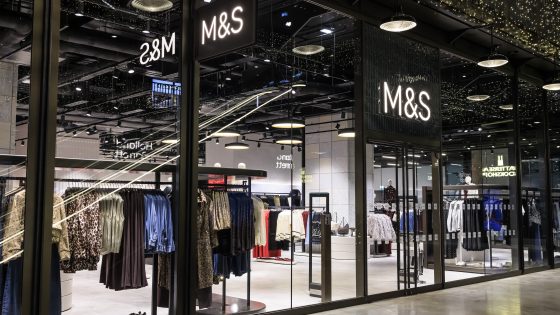
Good Friday marks the official start of the Easter bank holiday, a day typically observed with reduced trading hours for many large retail establishments. While not subject to the strict Sunday trading laws that apply on Easter Sunday, many major retailers opt for a schedule akin to Sunday hours or a slightly extended version thereof. This decision often reflects a combination of anticipated footfall patterns – which tend to shift from weekday commuter shopping to more leisure-oriented outings – and a commitment to offering staff a partial break. Consumers can generally expect stores like M&S and John Lewis to open later and close earlier than their standard weekday operating times. Value retailers such as Primark and Matalan, while aiming to maximise accessibility, will also likely adjust their hours to align with the holiday rhythm. Next, with its diverse offering from fashion to home goods, typically follows a similar pattern, ensuring that while doors are open, the operational intensity is slightly tempered compared to a regular Friday. For consumers, this means a need to verify specific store times, as variations can occur based on location, store size, and whether a branch is within a larger shopping centre or a standalone high street presence.
Easter Saturday (April 4, 2026): The Peak Shopping Day
Historically, Easter Saturday emerges as one of the busiest shopping days of the entire bank holiday weekend. Unburdened by bank holiday restrictions, and with many consumers having completed their work week, this day sees a surge in footfall as shoppers finalise preparations for Easter Sunday festivities, engage in spring wardrobe updates, or embark on home improvement projects. Retailers like Next, M&S, John Lewis, Primark, and Matalan typically revert to their standard Saturday trading hours, often the longest operational day of the week, to capitalise on this heightened consumer activity. This is the prime opportunity for retailers to drive sales across various categories, from Easter confectionery and celebratory foods to new season fashion lines and garden supplies. The strategic importance of Easter Saturday cannot be overstated, as it often accounts for a significant proportion of the weekend’s revenue, making efficient stock management, staffing, and customer service paramount.
Easter Sunday (April 5, 2026): Statutory Closures for Large Retailers
Easter Sunday is unique in the UK retail calendar, as it is one of only two days in England and Wales (the other being Christmas Day) when large shops are legally required to close. The Sunday Trading Act 1994 mandates that stores with a retail area exceeding 280 square metres (3,000 square feet) must remain closed. This regulation primarily affects major supermarkets, department stores, and large fashion retailers like M&S (larger food halls and clothing stores), John Lewis, Next, Primark, and Matalan. Smaller convenience stores, pharmacies, petrol stations, and shops within airports or railway stations are exempt from these restrictions. This statutory closure offers a complete break for a significant portion of the retail workforce and underscores the cultural and religious significance of the day. For consumers, this means an enforced pause in large-scale shopping, shifting focus towards family gatherings and leisure activities. Retailers use this day for essential maintenance, restocking, and preparing for the final bank holiday rush on Easter Monday. Scotland operates under different laws, where large stores can open on Easter Sunday, though many still choose to observe reduced hours or closures.
Easter Monday (April 6, 2026): The Concluding Bank Holiday
The final day of the Easter bank holiday weekend, Easter Monday, typically sees a return to modified Sunday-style trading hours for many major retailers. Similar to Good Friday, stores will generally open later and close earlier than usual, though often with slightly longer hours than a typical Sunday. This day often caters to last-minute purchases, returns, or leisurely shopping trips as people make the most of their extended weekend. Footfall can still be considerable, particularly in out-of-town retail parks and shopping centres, as families and individuals enjoy a final day of freedom before the working week resumes. Retailers like Next, M&S, John Lewis, Primark, and Matalan will carefully calibrate their opening hours to meet this demand without overstretching resources, ensuring a smooth wind-down of the holiday trading period. Clear communication of these hours becomes crucial to manage customer expectations and prevent frustration.
The Strategic Importance of Easter for Retailers
Easter holds a significant position in the annual retail calendar, serving as a critical bridge between the post-Christmas lull and the summer trading season. It’s more than just about chocolate eggs; it’s a multi-faceted retail event that drives sales across numerous categories.
Beyond Chocolate: A Spring Shopping Catalyst
While confectionery sales naturally surge, Easter also acts as a powerful catalyst for spring spending. Consumers are often looking to refresh their homes, update their wardrobes with new season collections, and purchase gifts. For fashion retailers like Next, Primark, and M&S, this period is crucial for launching and promoting spring/summer ranges, capitalising on the desire for lighter fabrics, brighter colours, and outdoor-appropriate attire. John Lewis sees increased demand for home furnishings, garden equipment, and seasonal décor. Matalan, with its family-focused offering, benefits from purchases of children’s clothing, homeware, and leisure items. The long weekend also encourages DIY projects, leading to increased sales in related departments. Data from previous years, such as 2024 and 2025, often indicates a noticeable uplift in discretionary spending during the Easter period, contingent, of course, on prevailing economic conditions and consumer confidence.
Balancing Sales with Staff Welfare
Retailers face a perennial challenge during bank holidays: maximising sales opportunities while also ensuring the well-being of their workforce. The decision to open, and for how long, directly impacts staff schedules, requiring careful planning around holiday pay, rota management, and ensuring adequate rest. Reputable retailers like M&S, John Lewis, and Next often highlight their commitment to fair compensation and flexible scheduling during these peak periods. For employees in the retail sector, bank holidays can mean working unsocial hours, and companies strive to mitigate this with enhanced pay or additional days off, fostering a positive working environment and retaining talent. The Sunday Trading Act’s provision for Easter Sunday closures is a significant factor in this balance, offering a guaranteed day of rest for many.
The Omnichannel Approach: Physical vs. Digital
In an increasingly digital retail landscape, the Easter bank holiday also highlights the interplay between physical stores and online platforms. While physical stores see fluctuating footfall, particularly on bank holiday Mondays and Fridays, online sales often experience a steady surge throughout the entire weekend, especially on Easter Sunday when large physical stores are closed. Consumers use the extended break to browse, research, and purchase online at their convenience. Retailers like Next, M&S, John Lewis, Primark (which has a growing online presence for home goods and click-and-collect), and Matalan invest heavily in their e-commerce capabilities to ensure a seamless online shopping experience, 24/7 availability, and efficient delivery or click-and-collect services. This omnichannel strategy ensures that sales opportunities are captured regardless of physical store operating hours, providing resilience and flexibility to the retail business model.
Consumer Behaviour and Economic Implications
Understanding consumer behaviour during the Easter bank holiday is vital for retailers, as spending patterns often shift, reflecting the holiday’s unique characteristics.
Shifting Shopping Habits During Bank Holidays
Bank holidays typically alter consumer shopping habits. There’s often a move away from routine weekday shopping towards more experiential or leisure-driven purchases. People may travel further to larger shopping centres or out-of-town retail parks, or conversely, opt for local convenience. The rise of "staycations" also influences spending, with more money allocated to home entertainment, garden improvements, and local leisure activities, which benefits homeware, DIY, and food retailers. The weather plays a significant role; a sunny Easter can boost sales of outdoor furniture, BBQ supplies, and lighter clothing, while a colder, wetter period might drive demand for indoor entertainment and comfort items. Retailers use historical data and predictive analytics to forecast these shifts and adjust their stock levels and marketing campaigns accordingly.

Economic Barometer: Easter Spending Trends
Easter spending serves as an important barometer for the broader economic climate and consumer confidence. Data from retail analytics firms and industry bodies like the British Retail Consortium (BRC) often provide insights into overall retail performance. In recent years, against the backdrop of fluctuating economic conditions and cost-of-living pressures, discretionary spending during holidays like Easter has been closely watched. While essential purchases remain resilient, spending on non-essentials can be more volatile. A strong Easter trading period can signal growing consumer confidence and provide a much-needed boost to the retail sector’s quarterly figures, contributing positively to the wider economy through sales taxes and employment. Conversely, a subdued Easter can indicate continued consumer caution.
Logistical Challenges and Opportunities
The bank holiday weekend also presents significant logistical challenges. Retailers must manage increased stock movements, adjust delivery schedules, and coordinate with third-party logistics providers. Ensuring that stores are adequately stocked for peak days like Easter Saturday, while also preparing for potential closures or reduced hours, requires meticulous planning. The opportunity, however, lies in efficient supply chain management that can adapt to these fluctuations, ensuring product availability and meeting customer expectations, whether through in-store purchases or timely online deliveries.
Industry Perspectives and Regulatory Landscape
The retail sector operates within a framework of regulations and industry best practices, particularly pertinent during holidays.
The Role of Retail Associations
Organisations like the British Retail Consortium (BRC) play a crucial role in representing the interests of retailers, providing guidance, and advocating for policies that support the sector. Ahead of significant trading periods like Easter, the BRC often issues statements on expected consumer spending, the challenges facing retailers (such as rising operational costs or supply chain issues), and the importance of bank holidays for economic activity. While they do not dictate individual store opening hours, they provide a collective voice and context for the retail landscape.
Understanding Sunday Trading Laws
The Sunday Trading Act 1994 remains a significant piece of legislation shaping retail operations in England and Wales. Its impact is most acutely felt on Easter Sunday and Christmas Day, where the mandatory closure of large stores provides a universal pause for the majority of the sector. There have been sporadic debates over the years about reforming these laws, particularly concerning potential liberalisation of Sunday trading hours. However, such proposals often face strong opposition from various groups, including unions advocating for workers’ rights and some religious organisations, leading to a largely unchanged status quo. For consumers and retailers, understanding these regulations is fundamental to planning their Easter activities and operations.
In conclusion, the 2026 Easter bank holiday weekend presents a complex yet critical period for the UK retail sector. From the strategic adjustments of opening hours by major players like Next, M&S, John Lewis, Primark, and Matalan, to the nuanced shifts in consumer behaviour and the underlying economic implications, every aspect requires meticulous planning and execution. As Drapers highlights the specific schedules, both retailers and consumers will be navigating a period that underscores the dynamic nature of modern retail, balancing commercial imperatives with regulatory frameworks and the enduring traditions of a national holiday.