








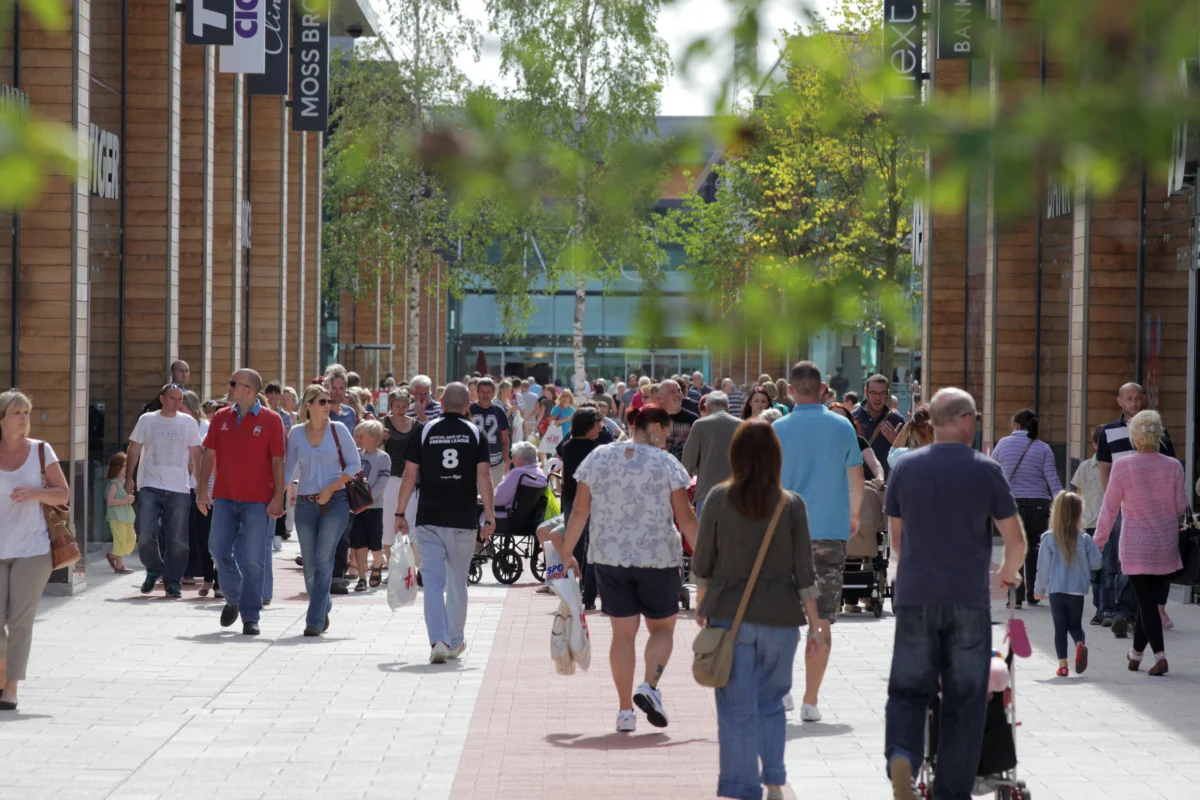
Retail sales volumes experienced a notable uplift in the three months leading up to May 2026, driven predominantly by a period of unseasonably warm weather across the UK and strategic promotional activities by retailers. The Office for National Statistics (ONS) confirmed this positive trajectory, highlighting significant growth particularly within non-food sectors, including clothing and footwear stores, which capitalised on the demand for summer-ready merchandise. This surge marks a critical turning point for a retail landscape that has faced persistent challenges, signaling a potential resurgence in consumer confidence and discretionary spending, albeit one heavily influenced by meteorological conditions.
The detailed ONS report, released on June 19, 2026, revealed that overall retail sales volumes increased by an estimated 1.8% in the three-month period to May 2026, compared to the preceding quarter. Month-on-month, May itself saw a robust 0.9% rise in sales volumes following a more modest 0.4% increase in April, which built on a flat March performance. This acceleration in May underscored the immediate impact of the prolonged warm spell, which commenced in late April and intensified throughout the subsequent month, prompting consumers to refresh their wardrobes and prepare for outdoor leisure activities. Non-food stores were the primary beneficiaries, reporting a 2.5% volume increase over the quarter, with clothing and footwear retailers leading this charge with an impressive 3.1% surge in sales volumes. This marked their strongest quarterly performance since the post-pandemic recovery period.
Contextualising the Retail Rebound
The broader economic environment preceding May 2026 had been characterised by a delicate balance of inflationary pressures and cautious consumer spending. For much of late 2025 and early 2026, the retail sector grappled with elevated operational costs, persistent supply chain disruptions, and the lingering effects of high interest rates which dampened consumer confidence. Households had been prioritising essential expenditures, often deferring non-essential purchases. Inflation, while showing signs of moderating from its peak, remained a concern, and real wage growth was still struggling to outpace the cost of living for many.

Against this backdrop, the May heatwave provided a much-needed catalyst. Historically, weather patterns have a discernible impact on retail sales, particularly for fashion and seasonal goods. Unseasonably warm weather typically stimulates demand for summer clothing, outdoor equipment, and lighter food and drink options. Conversely, unexpected cold spells or prolonged wet weather can suppress sales in these categories. The spring of 2026, prior to May, had been somewhat unpredictable, featuring a mix of mild days and intermittent showers, which kept consumer spending on seasonal items relatively subdued. The sudden onset of sustained warmth in May, therefore, acted as a significant psychological and practical prompt for consumers to engage with retail offerings.
The May 2026 Heatwave: A Meteorological and Commercial Catalyst
The meteorological records for May 2026 illustrate a clear departure from typical seasonal patterns. Following a temperate but somewhat inconsistent April, the first week of May saw temperatures steadily climb across much of the UK. By the second week, widespread conditions of 20-25°C became common, particularly in southern and central regions, with several days exceeding 28°C in some localised areas. This sustained period of warmth, accompanied by abundant sunshine, transformed consumer behaviour almost overnight. Parks, beaches, and outdoor leisure facilities saw a dramatic increase in footfall, creating immediate demand for associated retail products.
This shift was not merely a matter of convenience; it was a strong psychological trigger. After months of navigating economic uncertainties and variable weather, the arrival of genuine summer conditions fostered a sense of optimism and spurred discretionary spending. Retailers, attuned to these shifts, were quick to deploy promotional campaigns tailored to the weather. Discount offers on summer collections, ‘buy one get one free’ deals on seasonal accessories, and targeted marketing for outdoor living products became prevalent, amplifying the natural demand generated by the weather. These promotions were crucial in converting browsing into purchasing, as they offered consumers an incentive to spend on items they might have otherwise postponed.
Sectoral Performance: Winners and Wider Impacts
While the ONS data pointed to broad growth in non-food retail, certain sectors demonstrated particularly strong performances:
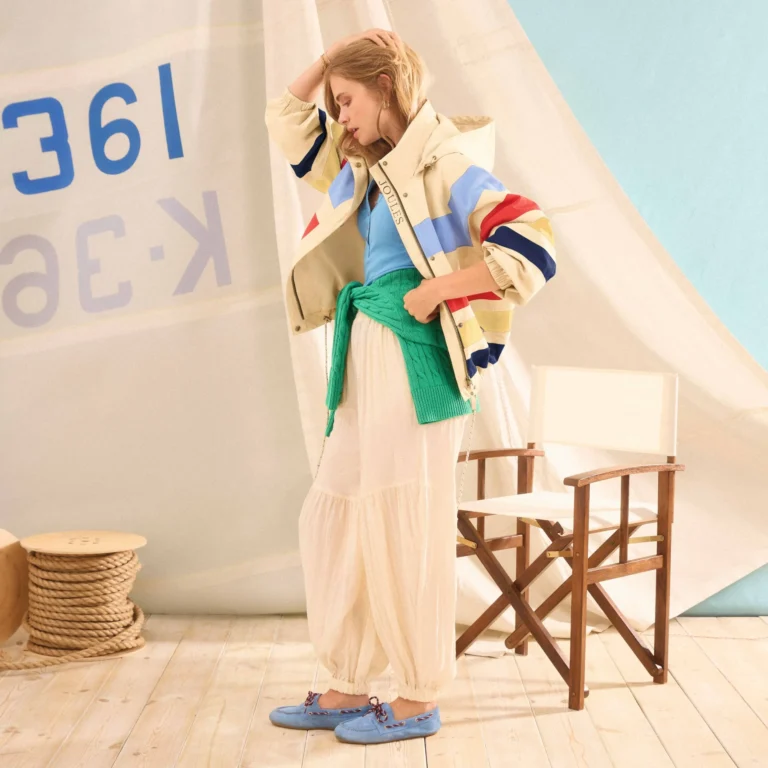
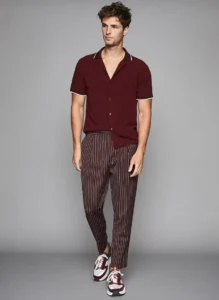
- Clothing and Footwear: As noted, this sector saw the most significant boost. Demand for lightweight clothing, dresses, shorts, t-shirts, sandals, and swimwear surged. Retailers with agile supply chains and well-stocked summer inventories were best positioned to capitalise. The sales uptick allowed many to clear out spring stock and move rapidly into summer lines, improving inventory turnover and reducing the need for deep discounting later in the season.
- Household Goods and Garden Centres: With the warm weather encouraging outdoor activities and home improvements, sales of garden furniture, barbecues, gardening tools, and outdoor recreational equipment saw a substantial increase. DIY stores also reported higher sales of paints, decking materials, and other items related to home and garden spruce-ups.
- Department Stores: These multi-category retailers benefited from increased footfall across their diverse offerings, with clothing, homeware, and leisure goods contributing positively. Many department stores reported strong performances in their beauty and fragrance departments as consumers prepared for social gatherings and outdoor events.
- Online Retail: While physical stores saw a significant boost from increased footfall, online retail continued its steady growth, albeit at a slightly slower pace than in-store. The ONS reported that the proportion of online sales decreased slightly to 26.5% in May 2026 from 27.1% in April, suggesting that the allure of sunshine and high street activity drew some shoppers back to brick-and-mortar locations. However, online channels remained crucial for convenience and accessing a broader range of products, especially for larger items like garden furniture.
- Food Stores: While not explicitly highlighted as a primary driver of the overall retail sales increase, food retailers also experienced shifts in purchasing patterns. Sales of picnic items, soft drinks, ice cream, fresh produce, and barbecue essentials saw a notable rise. Conversely, demand for heavier comfort foods or hot beverages might have seen a temporary dip.
Analytical Perspectives and Industry Reactions
Economists and retail analysts widely welcomed the positive ONS figures, interpreting them as a sign of consumer resilience and a much-needed boost for the high street. However, many cautioned against reading too much into a single month’s performance, especially one so heavily influenced by external factors like weather.
Dr. Eleanor Vance, a senior economist at the Institute for Economic Research, commented, "The May retail figures are undoubtedly positive, providing a welcome fillip for a sector that has endured significant headwinds. The synergy between favourable weather and strategic promotional activity proved potent. However, it’s crucial to distinguish between weather-driven, opportunistic spending and a sustained improvement in underlying consumer fundamentals. We need to see if this momentum can be maintained into the summer months, especially as inflation pressures, while easing, have not entirely dissipated."
The British Retail Consortium (BRC) echoed this sentiment, with their CEO stating, "Retailers have worked incredibly hard to adapt to changing consumer demands and economic realities. The May heatwave offered a perfect storm of opportunity, and our members capitalised effectively. While we celebrate this boost, the structural challenges of high business rates, rising energy costs, and labour shortages persist. We must continue to foster an environment that supports long-term growth, not just weather-dependent spikes."
Some smaller, independent retailers also reported a significant improvement in trade. Maria Rodriguez, owner of ‘The Summer Wardrobe’ boutique in Brighton, noted, "It was phenomenal. As soon as the sun came out, people were looking for dresses, linen shirts, sunglasses. We saw a definite increase in customers seeking out unique, quality pieces for their summer plans. The promotions we ran on early summer lines were very successful."
Broader Economic Implications and Future Outlook
The positive retail sales data for May 2026 carries several broader economic implications:
- Contribution to GDP: Increased retail sales volumes contribute directly to economic growth, offering a positive signal for Q2 GDP figures. While retail is one component, a strong showing here can lift overall economic sentiment.
- Inflationary Pressures: While increased demand could theoretically lead to price hikes, the promotional activity observed suggests that retailers were more focused on volume and inventory management. The ONS reported that the implicit price deflator for retail sales (a measure of average shop prices) rose only marginally, indicating that the sales growth was largely volume-driven rather than price-driven.
- Consumer Confidence: A robust month of spending, especially on discretionary items, could signal an incremental improvement in consumer confidence. This is vital for sustaining economic recovery, as confident consumers are more likely to spend and invest.
- Inventory Management: The sales surge provided retailers with an excellent opportunity to manage their seasonal inventories. Selling through spring/early summer stock efficiently helps avoid markdown pressure later in the season and frees up capital for future collections.
- Seasonal Volatility: The strong link between weather and retail performance underscores the increasing volatility retailers face. Climate change projections suggest more extreme and unpredictable weather events, requiring retailers to develop even more flexible and responsive supply chains and marketing strategies.
Looking ahead, the retail sector will be closely watching for sustained consumer engagement beyond the immediate impact of the heatwave. Key factors will include the trajectory of inflation, interest rate decisions by the Bank of England, and the overall health of the labour market. While the May figures offer a much-needed morale boost, the challenge for retailers will be to convert this temporary momentum into sustainable growth. Strategies focusing on value, unique shopping experiences, and seamless integration of online and in-store channels will remain paramount. The digital edition of the retail landscape continues to evolve rapidly, and while traditional factors like weather retain influence, the underlying resilience and adaptability of retailers will ultimately determine their long-term success.