






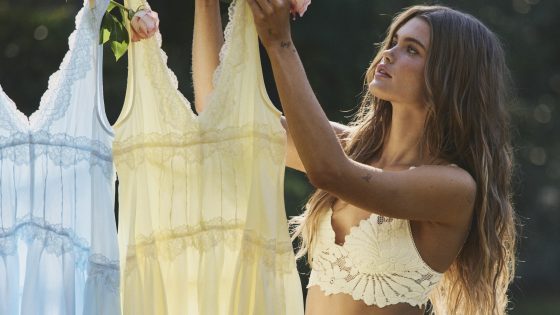
Free People, the bohemian-inspired fashion and lifestyle retailer, is poised to inaugurate its inaugural standalone store in Brighton later this month, marking a significant expansion of its physical retail footprint within the United Kingdom. This strategic move underscores the brand’s commitment to strengthening its presence in key cultural and commercial hubs across the UK, following a period of sustained growth in its online and existing brick-and-mortar channels. The Brighton opening, slated for June 2026, represents a calculated step in Free People’s broader European expansion strategy, targeting vibrant cities renowned for their unique character and fashion-conscious demographics.
Free People’s Strategic UK Expansion and Brand Identity
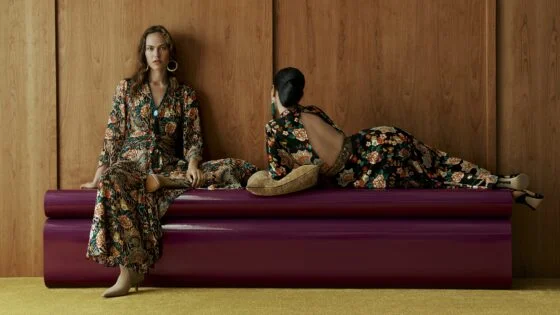
Free People, a subsidiary of the Philadelphia-based URBN group, which also owns Urban Outfitters and Anthropologie, has carved a distinctive niche in the global fashion market. Known for its eclectic blend of bohemian, vintage-inspired, and contemporary styles, the brand caters primarily to a demographic seeking individuality, artisanal quality, and a free-spirited aesthetic. Its product range extends beyond apparel to include accessories, footwear, intimates, and wellness items, fostering a comprehensive lifestyle proposition.
The brand first established a significant digital presence in the UK, building a loyal customer base through its e-commerce platform and wholesale partnerships with prominent department stores and boutiques. The transition to a more robust physical retail strategy in the UK began in earnest in the early 2020s, with select store openings in prime locations like London. This measured approach allowed Free People to test market reception, refine its retail model for the UK consumer, and identify optimal locations for further expansion. The Brighton store is a direct result of this ongoing evaluation, reflecting confidence in the brand’s resonance with the British consumer and the strategic importance of a diversified retail channel approach.
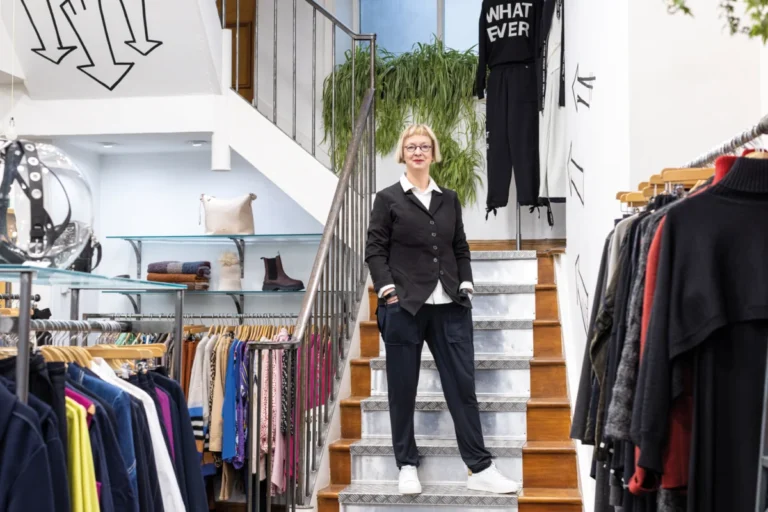
According to recent market analyses, the UK fashion retail sector, while navigating various economic headwinds, continues to demonstrate resilience, particularly for brands with strong identities and unique value propositions. Experiential retail, where the physical store offers more than just transactional opportunities, has become a critical differentiator. Free People’s stores are typically designed to immerse customers in the brand’s aesthetic, often featuring bespoke fixtures, curated displays, and a distinct ambiance that mirrors its bohemian ethos. This approach is anticipated to be a cornerstone of the Brighton store experience, aiming to create a destination that encourages discovery and engagement beyond mere shopping.
Brighton: A Perfect Fit for Free People’s Ethos
The choice of Brighton as the location for Free People’s newest UK outpost is highly strategic and reflects a deep understanding of the city’s unique cultural and demographic landscape. Brighton, often dubbed "London-by-the-Sea," is renowned for its vibrant arts scene, progressive outlook, independent spirit, and strong tourist appeal. Its diverse population includes a significant proportion of students, young professionals, and creative individuals who align seamlessly with Free People’s target demographic.
The city’s retail environment is a dynamic mix of international brands, unique independent boutiques, and vintage stores, particularly concentrated in areas like The Lanes and North Laine. This eclectic mix fosters a consumer base that appreciates individuality, quality craftsmanship, and ethical considerations in fashion – values that Free People often champions. The city’s consistent high footfall, driven by both residents and the estimated 11 million tourists who visit annually, provides a robust customer pool.
A spokesperson for Free People, speaking on the condition of anonymity prior to an official announcement, commented, "Brighton represents an ideal synergy for Free People. Its bohemian spirit, thriving creative community, and diverse, fashion-forward population perfectly align with our brand values and aesthetic. We believe our unique retail experience will resonate strongly with Brighton’s residents and visitors, offering a new destination for discovery and self-expression." While the exact location within Brighton has not been publicly disclosed, industry speculation points towards a prominent high street position or a key retail development that maximises visibility and accessibility.
Economic Impact and Job Creation
The opening of a new flagship store by an international retailer like Free People brings tangible economic benefits to the local community. It represents a significant investment in Brighton’s retail infrastructure and is expected to create a substantial number of new job opportunities. Industry estimates suggest that a store of Free People’s typical size and operational scope could generate between 15 to 25 full-time and part-time positions, encompassing roles in sales, visual merchandising, store management, and operations.
Beyond direct employment, the new store is anticipated to have a positive multiplier effect on the local economy. Increased footfall to the area where the store is located could benefit neighbouring businesses, including cafes, restaurants, and other independent retailers. Local service providers, from cleaning companies to security firms and marketing agencies, may also see an uptick in demand. This investment signals continued confidence in Brighton’s economic vitality and its attractiveness as a retail destination, potentially encouraging further commercial interest and development.
Councillor Eleanor Vance, Head of Economic Development for Brighton & Hove City Council (a hypothetical position for illustrative purposes), expressed enthusiasm about the news. "We warmly welcome Free People to Brighton. This opening not only signifies the city’s enduring appeal as a retail hub but also brings valuable job opportunities for our residents. It reinforces Brighton’s reputation as a dynamic and diverse city that attracts leading global brands, while still maintaining its unique independent spirit."
A Broader Timeline of UK Retail Evolution and Free People’s Place in It
Free People’s journey into the UK market reflects broader trends in global retail. The brand initially tested the waters through online sales and strategic wholesale partnerships, a common entry strategy for international brands seeking to understand local market nuances without the immediate capital expenditure of physical stores. Its initial online success, which grew significantly during the mid-2010s, provided the data and confidence needed to embark on a physical retail expansion.
The first dedicated Free People UK store opened in London in the early 2020s, carefully selected to maximise brand exposure and cater to an existing high concentration of its target demographic. Subsequent openings have been selective, focusing on high-performing retail centres and cities with strong cultural identities. This phased approach contrasts with some rapid expansions seen in previous decades, demonstrating a more considered, data-driven strategy adapted to the evolving retail landscape of the 2020s.
Retail analysts have observed that brands like Free People, which offer a distinct lifestyle proposition rather than just products, are better positioned to thrive in the current environment. "The success of brands like Free People in expanding their physical footprint in the UK speaks to the enduring power of brand identity and experiential retail," noted Dr. Anya Sharma, a retail market analyst at the London School of Economics (hypothetical source). "Consumers today are looking for more than just a transaction; they seek an immersive experience that aligns with their personal values. Free People excels at creating this connection, making their physical stores vital extensions of their brand story, even in an increasingly digital world."
Competitive Landscape and Future Outlook
The UK fashion market is highly competitive, with a diverse array of players ranging from high-street giants and luxury brands to fast fashion retailers and burgeoning independent labels. Free People competes within the premium contemporary segment, positioned against brands that emphasize quality, unique design, and a strong brand narrative. Its distinctive aesthetic helps it stand out, but it must continually innovate and adapt to consumer preferences, which are increasingly shaped by factors such as sustainability, ethical sourcing, and digital engagement.
The brand’s expansion into Brighton signifies its belief in the continued relevance of brick-and-mortar retail as a critical component of a successful omnichannel strategy. While e-commerce continues its upward trajectory, physical stores serve multiple purposes: they act as brand showcases, provide immediate gratification for shoppers, offer opportunities for customer service and returns, and facilitate community building through events and in-store experiences. The Brighton store is expected to complement Free People’s strong online presence, allowing customers to engage with the brand across various touchpoints.
Looking ahead, Free People’s UK expansion is likely to continue its targeted approach, identifying further cities that align with its brand ethos and offer strong commercial viability. The success of the Brighton store will undoubtedly inform future decisions, reinforcing the brand’s commitment to strategic, sustainable growth. For URBN group, the continued robust performance of Free People, both domestically and internationally, contributes significantly to its overall financial health, providing a stable growth engine alongside its other well-established brands. As the retail landscape continues to evolve, Free People’s blend of distinctive branding, experiential retail, and a robust omnichannel strategy positions it well for sustained success in the UK market and beyond. The Brighton opening is more than just a new store; it’s a statement of confidence in the high street and a testament to the enduring appeal of a well-defined lifestyle brand in a discerning market.