










Frasers Group has officially unveiled an advanced AI-powered shopping assistant for its flagship premium fashion retailer, Frasers, marking a significant stride in digital retail innovation. The introduction of this cutting-edge technology has already yielded impressive results, with the company reporting a substantial 25% uplift in conversion rates since its phased rollout. This development underscores Frasers Group’s aggressive pursuit of digital transformation and its commitment to enhancing the customer experience through intelligent automation. The AI assistant, designed to mimic the personalized service of an in-store stylist, aims to bridge the gap between digital convenience and the bespoke attention expected by discerning premium fashion consumers.
The Strategic Imperative: Elevating the Digital Shopping Experience
The launch of the AI shopping assistant is a cornerstone of Frasers Group’s broader "elevation strategy," spearheaded by CEO Michael Murray. This strategy focuses on modernizing the group’s diverse portfolio of brands, investing heavily in digital infrastructure, and curating a more premium image across its retail ecosystem. In an increasingly competitive e-commerce landscape, where customer expectations for seamless, personalized, and engaging interactions are at an all-time high, leveraging artificial intelligence has become a critical differentiator. The premium fashion sector, in particular, demands sophisticated tools that can replicate the nuanced advice and curated selections traditionally offered by human sales associates. Frasers Group’s move is a direct response to this demand, positioning the brand at the forefront of retail technology adoption.
The rationale behind integrating an AI assistant extends beyond mere efficiency gains. It is about crafting a hyper-personalized journey for each shopper, understanding their unique style preferences, fit requirements, and purchasing history to deliver highly relevant recommendations. Research from various industry bodies consistently indicates that personalization can drive significant revenue growth and improve customer loyalty. A 2024 study by Accenture, for instance, found that 75% of consumers are more likely to buy from retailers that offer personalized experiences, while another report by McKinsey highlighted that companies excelling in personalization generate 40% more revenue from those activities than their average counterparts. The 25% conversion rate uplift reported by Frasers Group aligns perfectly with these industry trends, demonstrating the tangible benefits of a well-implemented AI strategy.
Anatomy of the Frasers AI Style Assistant
Dubbed "Frasers Style Advisor," the AI assistant is an intricate system built upon sophisticated natural language processing (NLP) and machine learning algorithms. Its core functionality revolves around understanding and responding to customer queries in a conversational manner, guiding them through the shopping process with expert precision.
Key features of the Frasers Style Advisor include:
- Personalized Product Recommendations: By analyzing a customer’s browsing history, past purchases, stated preferences, and even external style inputs (e.g., preferred brands, occasions, body type information voluntarily provided), the AI can suggest highly relevant clothing, accessories, and footwear. This goes beyond simple "you might also like" suggestions, delving into comprehensive outfit curation.
- Conversational Styling Advice: Shoppers can interact with the AI assistant through text-based chat, asking questions like "What should I wear for a black-tie event?" or "Show me sustainable denim options for a casual look." The AI provides tailored suggestions, often complete with mood boards or curated collections.
- Fit and Sizing Guidance: Leveraging extensive product data and customer feedback, the Style Advisor can offer precise sizing recommendations, helping to mitigate one of the biggest challenges in online apparel shopping – returns due to incorrect fit. This feature can significantly reduce return rates and enhance customer satisfaction.
- Inventory and Availability Checks: The AI can instantly check stock levels across various sizes and colors, and even provide information on availability in local Frasers stores, facilitating omnichannel shopping experiences.
- Customer Service Augmentation: For common queries such as order status, shipping information, or return policies, the AI acts as a first line of support, freeing up human customer service agents to handle more complex or sensitive issues.
- Trend Insights and Inspiration: Beyond direct product queries, the assistant can also offer insights into current fashion trends, seasonal collections, and style inspiration, acting as a digital fashion consultant.
The development process for the Frasers Style Advisor involved a multi-disciplinary team of AI engineers, data scientists, fashion stylists, and user experience designers. The machine learning models were trained on vast datasets encompassing product descriptions, customer reviews, sales data, fashion editorial content, and expert styling guides. This extensive training ensures that the AI’s recommendations are not only data-driven but also stylistically informed and aligned with the premium aesthetic of the Frasers brand.
A Phased Rollout and Impressive Early Returns
The journey to the full launch on 10 April 2026 was meticulously planned, beginning with an internal pilot program in late 2025. During this initial phase, Frasers Group employees tested the AI assistant rigorously, providing feedback that informed crucial refinements and optimizations. A subsequent beta test involving a select group of loyal Frasers customers was conducted in early 2026. This customer-facing pilot allowed the team to gather real-world usage data, identify pain points, and fine-tune the AI’s conversational capabilities and recommendation engine.
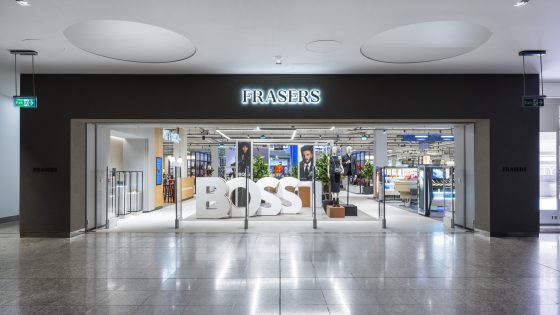
The official launch across the Frasers digital platform on 10 April 2026 was the culmination of these efforts. The reported 25% uplift in conversion rates is a direct outcome of this careful planning and iterative development. This figure represents a significant commercial victory, translating into increased sales volume and improved return on investment for Frasers Group’s digital initiatives. Beyond conversion rates, anecdotal evidence and preliminary data suggest other positive impacts, including:
- Increased Average Order Value (AOV): By facilitating cross-selling and up-selling through intelligent recommendations, the AI assistant encourages customers to explore and purchase complementary items, thereby increasing the value of each transaction.
- Enhanced Customer Engagement: The interactive and personalized nature of the AI assistant leads to longer session durations and more frequent interactions, fostering a deeper connection between the customer and the brand.
- Reduced Cart Abandonment: By proactively addressing customer queries and offering personalized assistance, the AI helps overcome common barriers to purchase, such as uncertainty about sizing or styling.
- Improved Data Insights: Every interaction with the AI assistant provides valuable data points on customer preferences, search patterns, and pain points, allowing Frasers Group to continually refine its product offerings, marketing strategies, and overall customer experience.
Expert Perspectives and Industry Reactions
The announcement has garnered significant attention from industry analysts and retail technology experts. "Frasers Group’s 25% conversion uplift is a powerful testament to the transformative potential of AI in premium retail," commented Dr. Eleanor Vance, a leading analyst in retail innovation at Global Insights Group. "This isn’t just about automation; it’s about delivering hyper-personalization at scale, something traditionally challenging in the online space. It sets a new benchmark for customer experience in luxury and premium fashion e-commerce."
Sabina Weston, the author of the original report, echoed similar sentiments, suggesting that this move solidifies Frasers Group’s position as a digital innovator rather than a traditional high-street player merely adapting to online trends. "The strategic integration of AI like the Frasers Style Advisor indicates a forward-thinking approach that prioritizes customer-centricity and technological leverage," Weston noted in a follow-up commentary.
While Frasers Group has not explicitly named a technology partner for the AI assistant, industry speculation points to collaborations with leading AI development firms specializing in conversational AI and retail solutions. This collaborative approach allows retailers to tap into specialized expertise and accelerate their digital transformation timelines.
From within Frasers Group, a spokesperson, who wished to remain unnamed but is closely involved with the digital strategy, expressed enthusiasm: "We are incredibly pleased with the initial performance of the Frasers Style Advisor. It validates our belief that AI can not only optimize operations but fundamentally redefine the customer journey. Our goal is to make online shopping as intuitive and enjoyable as a personalized consultation in our physical stores, and the AI assistant is a monumental step in that direction."
Broader Implications for the Retail Landscape
The success of Frasers Group’s AI shopping assistant carries significant implications for the broader retail industry, particularly in the premium and luxury sectors.
The Rise of Conversational Commerce
This launch accelerates the trend of "conversational commerce," where interactions between consumers and brands occur through chat interfaces, often powered by AI. As AI capabilities become more sophisticated, these conversations will grow more natural, nuanced, and effective, fundamentally changing how consumers discover, evaluate, and purchase products online.
Personalization as a Competitive Differentiator
In a crowded marketplace, personalization is no longer a luxury but a necessity. Frasers Group’s results highlight that retailers who can deliver genuinely personalized experiences will gain a significant competitive edge, fostering deeper customer loyalty and driving higher sales. This pushes other retailers to invest heavily in data analytics and AI to catch up.
Augmenting Human Roles, Not Replacing Them
While AI assistants handle routine queries and provide initial recommendations, they are not intended to fully replace human interaction. Instead, they free up human sales associates and customer service representatives to focus on more complex, high-value tasks, such as resolving intricate issues, building long-term customer relationships, or offering truly bespoke, high-touch services that still require human empathy and creativity. This creates a more efficient and effective hybrid service model.
The Omnichannel Synergy
The Frasers Style Advisor enhances the omnichannel experience by providing consistent advice and information across digital touchpoints, and by seamlessly integrating online and offline inventory. This allows customers to start their shopping journey online with AI guidance and then potentially complete it in-store, or vice versa, creating a cohesive brand experience.
Data-Driven Decision Making
The continuous stream of data generated by AI interactions provides invaluable insights into customer preferences, emerging trends, and product performance. This data empowers Frasers Group to make more informed decisions across product development, inventory management, marketing campaigns, and store layouts, leading to more efficient operations and better alignment with customer demand.
Ethical Considerations and Future Development
As AI becomes more integrated into daily commerce, ethical considerations such as data privacy, algorithmic bias, and transparency will become increasingly important. Frasers Group, like other responsible innovators, will need to continually ensure its AI systems are developed and deployed ethically, respecting user data and promoting fairness. Future iterations of the Frasers Style Advisor are likely to incorporate even more advanced features, potentially including visual search capabilities, augmented reality (AR) try-on experiences, and deeper integration with social media platforms, further blurring the lines between digital and physical shopping.
In conclusion, Frasers Group’s launch of the Frasers Style Advisor, coupled with its impressive 25% conversion rate uplift, marks a pivotal moment in the evolution of premium retail. It underscores the profound impact of AI in transforming customer engagement, driving commercial success, and setting new standards for personalized online shopping experiences. As the retail landscape continues its rapid digital evolution, such innovations will undoubtedly become the norm, reshaping how brands connect with their customers and define the future of commerce.