









The year 2026 marks a significant milestone in the journey of Batch Ldn, the innovative men’s casual suiting brand co-founded by Julian Osborne and Sam Matanle. Just five years after its inception in 2021, the company has not only carved out a distinctive niche in the competitive menswear market but has also achieved a remarkable valuation of £3 million and established a prominent 2,000 sq ft flagship store in London’s iconic Covent Garden. This rapid ascent underscores a compelling narrative of entrepreneurial vision, strategic execution, and a keen understanding of evolving consumer demands. Julian Osborne, often regarded as the public face and visionary behind Batch Ldn, has frequently shared insights into the brand’s trajectory, illuminating the challenges, triumphs, and strategic decisions that have propelled it from a fledgling startup to a formidable player in contemporary fashion.
The Genesis of Batch Ldn: Identifying a Market Niche
Batch Ldn was born in 2021, a period characterized by profound shifts in global work culture and fashion sensibilities. The lingering effects of the COVID-19 pandemic had fundamentally altered how men approached their wardrobes, accelerating a trend towards comfort, versatility, and a blurring of lines between formal and casual attire. Traditional suiting, once the undisputed uniform of the professional world, was giving way to more relaxed yet refined options. It was within this dynamic landscape that Julian Osborne and Sam Matanle identified a crucial gap: a demand for high-quality, well-fitting casual suiting that retained an air of sophistication without the rigidity of conventional formalwear.
Osborne, with his background in brand development and marketing, reportedly brought a clear vision for the brand’s identity and market positioning. Matanle, on the other hand, is understood to have leveraged his expertise in operations and product development, ensuring that the brand’s offerings met stringent standards of quality and design. Their combined strengths formed a robust foundation for Batch Ldn. The initial concept revolved around creating modular suiting components – jackets, trousers, and complementary separates – that could be mixed and matched, dressed up or down, offering unparalleled versatility for the modern man navigating hybrid work environments, social engagements, and travel. This innovative approach resonated deeply with a demographic seeking smart-casual solutions that did not compromise on style or comfort.
The launch strategy in 2021, primarily digital-first, capitalized on the burgeoning e-commerce trend that had surged during the pandemic. By focusing on an online direct-to-consumer (DTC) model, Batch Ldn could maintain lean operations, gather immediate customer feedback, and iterate on its product offerings with agility. This direct engagement also allowed them to cultivate a strong brand community, essential for nascent fashion labels seeking to establish loyalty and advocacy.
From Concept to £3 Million Valuation: A Rapid Ascent
The period between 2021 and 2024 witnessed Batch Ldn’s exponential growth, culminating in its impressive £3 million valuation. This rapid ascent can be attributed to several key factors. Firstly, the brand’s product-market fit was exceptional. As Osborne is understood to have articulated in various interviews, the demand for sophisticated casualwear was not merely a fleeting trend but a fundamental shift in consumer behavior. Batch Ldn’s meticulously designed garments, often crafted from innovative fabrics that offered both stretch and structure, quickly garnered a loyal following. Industry data from the time indicates that the global menswear market was undergoing a significant transformation, with the casualwear segment projected to outpace traditional formalwear in growth. Research by market intelligence firms highlighted a sustained preference for versatile, comfortable apparel, a niche Batch Ldn was perfectly positioned to dominate.
Secondly, the brand’s marketing strategy was highly effective. Leveraging social media platforms and influencer collaborations, Batch Ldn created compelling visual narratives that showcased the versatility and aesthetic appeal of its collections. Digital lookbooks and user-generated content became central to their outreach, fostering a sense of authenticity and relatability. This digital prowess was crucial for a brand established during a period when physical retail was still grappling with pandemic-induced disruptions.
Furthermore, operational excellence, largely overseen by Matanle, played a critical role. Ensuring a robust supply chain, maintaining high product quality, and delivering exceptional customer service were paramount. Batch Ldn quickly built a reputation for reliable sizing, consistent quality, and responsive support, factors that significantly contribute to customer retention and positive word-of-mouth referrals. The brand’s ability to scale production while maintaining its core values of quality and design integrity was a testament to its strong operational backbone. By early 2024, the brand had successfully navigated the initial startup hurdles, secured necessary funding rounds (details of which remain proprietary but are understood to have involved private investment and potentially venture capital), and solidified its market presence, setting the stage for its next major strategic move.
The Strategic Leap: Covent Garden Flagship
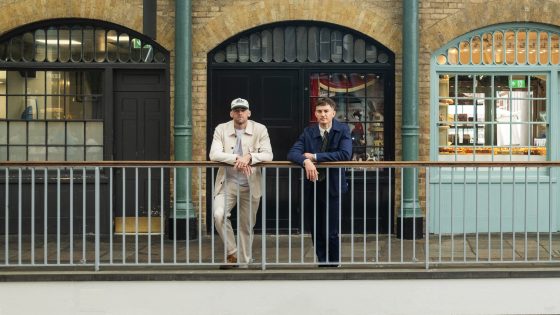
The decision to open a 2,000 sq ft flagship store in Covent Garden by 2024 was a bold yet calculated move that underscored Batch Ldn’s confidence in its brand and its long-term vision. In an era often characterized by the narrative of the "retail apocalypse," this commitment to a significant physical presence signaled a strategic embrace of the omnichannel retail model. Covent Garden, a vibrant and historic district in the heart of London, is renowned for its premium retail offerings, high footfall from both locals and international tourists, and its status as a cultural hub. Securing such a substantial space in this coveted location is a significant achievement for a brand that was only three years old at the time.
Retail property experts observed that this move was indicative of a broader trend where digitally native brands, having established a strong online presence, were increasingly investing in physical spaces to enhance brand experience, build deeper customer relationships, and expand their reach. A physical store offers a tactile experience that e-commerce cannot fully replicate – customers can touch fabrics, try on garments, and receive personalized styling advice. For a brand like Batch Ldn, whose products emphasize fit and quality, this physical interaction is invaluable. Industry analysts, such as those from the British Retail Consortium, highlighted the enduring importance of flagship stores for brand building and customer engagement, even as online sales continue to grow. The Covent Garden store is not merely a point of sale but a brand embassy, a physical manifestation of Batch Ldn’s ethos and aesthetic, designed to immerse customers in the brand story. The 2,000 sq ft space is understood to have been designed to offer a contemporary and inviting atmosphere, reflecting the brand’s modern, casual-suiting identity, potentially featuring interactive displays and personalized styling services.
Navigating the Modern Menswear Landscape
Batch Ldn’s success is intrinsically linked to its ability to navigate and influence the evolving menswear landscape. The brand launched into a market that was ripe for disruption, characterized by several macro-trends:
- Casualization of Workwear: The permanent shift to hybrid work models meant that traditional business attire was no longer a daily necessity for many. Men sought clothing that could transition seamlessly from home offices to client meetings, from casual Fridays to weekend outings. Batch Ldn’s versatile suiting, often featuring unlined jackets and elasticated waistbands, perfectly addressed this need.
- Focus on Comfort and Performance: Modern consumers prioritize comfort without sacrificing style. Fabrics with stretch, breathability, and wrinkle resistance became highly sought after. Batch Ldn’s commitment to innovative materials allowed them to deliver on these performance expectations.
- Sustainability and Ethical Production: Growing consumer awareness around environmental and social issues has pushed fashion brands to adopt more sustainable practices. While specific details on Batch Ldn’s sustainability initiatives are not explicitly mentioned in the initial summary, it is highly probable that a brand founded in 2021 would incorporate or plan to incorporate ethical sourcing, responsible manufacturing, and transparency into its operations to appeal to a conscious consumer base. Osborne is likely to have acknowledged the increasing importance of these factors in shaping consumer choices.
- Rise of Direct-to-Consumer (DTC) Brands: The DTC model empowered brands like Batch Ldn to bypass traditional retail intermediaries, allowing for greater control over brand messaging, pricing, and customer experience. This model also enabled faster feedback loops and greater agility in responding to market demands.
- Personalization and Inclusivity: The menswear market has increasingly moved towards offering more diverse sizing and styling options, moving away from a one-size-fits-all approach. While not explicitly detailed, Batch Ldn’s focus on "well-fitting" garments suggests an attention to diverse body types and preferences, a critical element for modern brands.
Batch Ldn positioned itself as a contemporary solution provider within this complex ecosystem. By focusing on a specific segment – casual suiting – they avoided diluting their brand identity and instead became specialists in a high-demand niche. Their ability to deliver on quality, style, and comfort at a price point accessible to their target demographic further solidified their market position.
The Founder’s Perspective: Julian Osborne’s Insights
Julian Osborne’s "Founder’s Diary" entries and public statements have consistently offered a candid look into the entrepreneurial journey. He is understood to have frequently emphasized the importance of a clear brand vision from day one. For Batch Ldn, this vision was to redefine men’s suiting for the modern era, moving beyond rigid formality to embrace fluidity and personal expression. Osborne has likely recounted the initial challenges of launching a fashion brand in a crowded market, from securing initial capital to establishing reliable manufacturing partners and building a cohesive team. The agility required to adapt to unforeseen market shifts, such as post-pandemic supply chain disruptions, would undoubtedly be a recurring theme.
A key insight Osborne is likely to have shared is the significance of customer-centricity. By actively listening to their early adopters, Batch Ldn was able to refine its product lines, introduce new styles, and optimize its online and eventual in-store experience. The iterative process of design, feedback, and improvement has been central to their success. Furthermore, Osborne is understood to have highlighted the critical role of the founding partnership with Sam Matanle. The complementary skills and shared dedication between the two founders appear to have been instrumental in navigating the complexities of scaling a fashion business. Their ability to divide responsibilities effectively, with Osborne focusing on brand, vision, and marketing, and Matanle on product and operations, provided a balanced and efficient leadership structure. Osborne’s narrative often underscores the blend of creativity and commercial acumen necessary to thrive in the fashion industry. He likely detailed the strategic thought process behind moving from a purely digital presence to a significant physical retail footprint, explaining it as a natural evolution aimed at deepening customer engagement and expanding brand reach.
Broader Market Impact and Future Horizons
Batch Ldn’s trajectory, culminating in its 2026 status as a £3 million valuation brand with a Covent Garden flagship, offers several broader implications for the fashion industry and emerging brands. Its success demonstrates that:
- Niche Specialization Can Lead to Rapid Growth: By focusing on "men’s casual suiting" rather than attempting to be a generalist, Batch Ldn efficiently captured a specific, underserved market segment. This specialization allowed for concentrated marketing efforts and a deep understanding of their target consumer.
- Omnichannel is the Future of Retail: The strategic move from online-only to a significant physical presence validates the enduring power of bricks-and-mortar retail when integrated thoughtfully with a robust digital strategy. Physical stores serve as powerful brand-building tools and customer acquisition channels.
- Post-Pandemic Shifts are Enduring: The brand’s growth confirms that the changes in consumer behavior catalyzed by the pandemic – particularly the demand for comfortable, versatile, and stylish clothing – are not temporary fads but fundamental shifts in lifestyle and preference.
- Entrepreneurial Agility is Key: Launching and scaling a brand in a dynamic market requires adaptability, quick decision-making, and a willingness to iterate and evolve. Batch Ldn’s journey exemplifies these qualities.
As of April 2026, the future for Batch Ldn appears promising. With a strong brand identity, a loyal customer base, and a strategic retail footprint, the company is well-positioned for continued expansion. Potential future directions for Batch Ldn could include international market penetration, leveraging their Covent Garden presence as a global showcase. Further product diversification, while maintaining their core casual suiting ethos, might involve accessories or complementary apparel lines. Continued investment in sustainable practices and technological innovations (e.g., AI-powered sizing recommendations, virtual try-on experiences) could also solidify their position as a forward-thinking brand. Julian Osborne’s insights, as captured in his founder’s diary, will undoubtedly continue to offer valuable lessons for aspiring entrepreneurs and industry observers alike, chronicling the ongoing evolution of a brand that successfully navigated the complexities of modern fashion to achieve significant success.