











Mixed in-store trading and price-sensitive consumers underscored the delicate journey towards sustained sales growth over the recent Easter bank holiday weekend, spanning April 3rd to April 6th, 2026. Despite widespread reports of favourable weather encouraging shoppers out, particularly on high streets and in market towns, the uplift in footfall did not uniformly translate into robust sales figures across all retail sectors. This phenomenon highlights a persistent tension between consumer willingness to engage with physical retail environments and a continued prudence in discretionary spending, a trend that has characterised the post-pandemic economic landscape.
The Easter Weekend in Detail: Footfall Rises Amidst Variable Performance
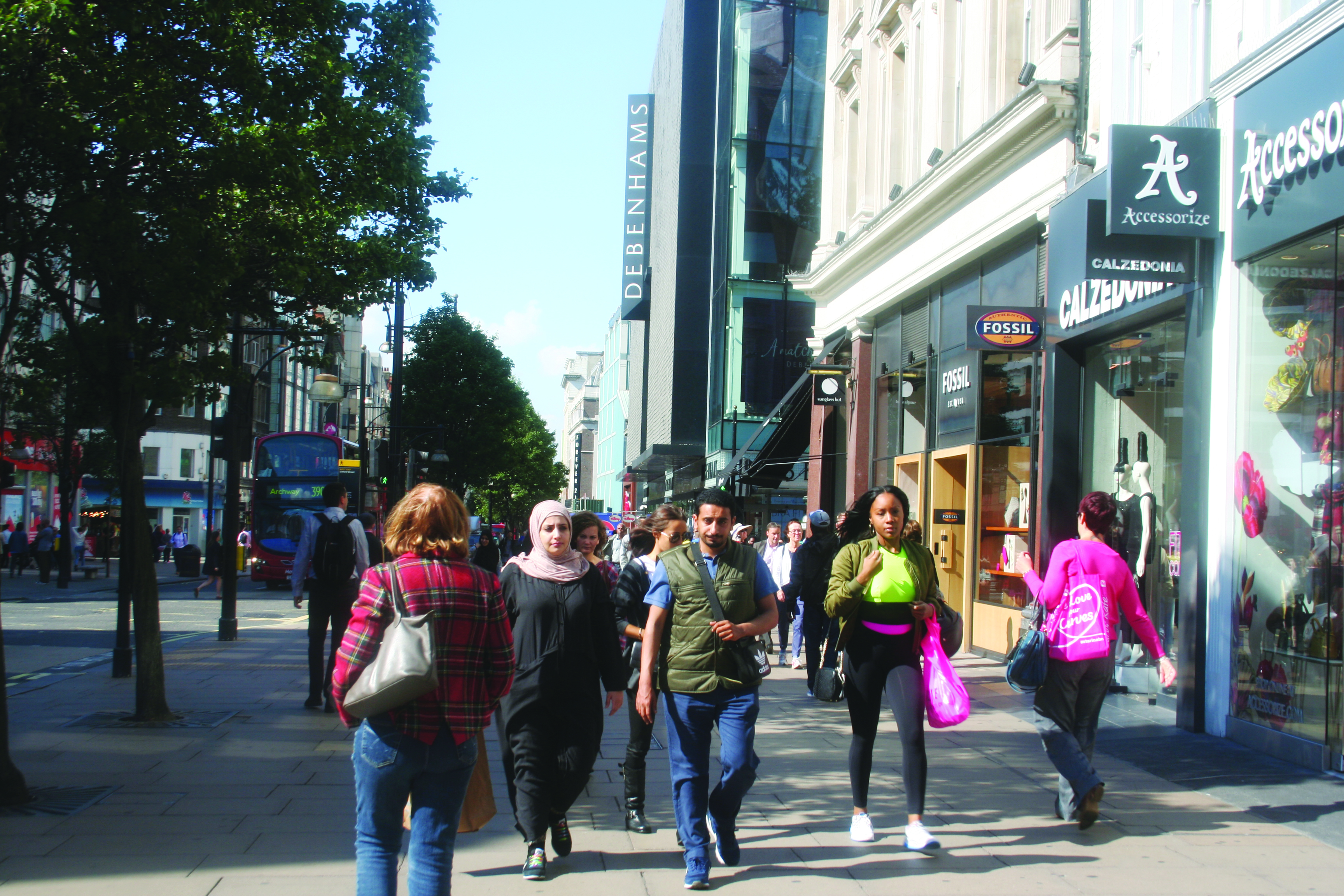
The four-day Easter period, observed from Good Friday through Easter Monday, is traditionally a significant trading window for the UK retail sector. This year, the timing of the holiday, falling relatively early in April, coincided with predominantly bright and mild weather across much of England and Wales, with Scotland experiencing more mixed conditions. This meteorological boost was a welcome relief for retailers, driving a noticeable surge in pedestrian traffic. According to preliminary data from retail analytics firm Springboard, national footfall across all retail destinations saw an estimated 8.5% increase year-on-year for the weekend, with high streets performing particularly strongly, recording a 10.2% rise compared to the same period in 2025. Retail parks also experienced a healthy 7.8% boost, while enclosed shopping centres, though still positive, saw a more modest 5.9% uplift.
This surge in footfall was attributed largely to families enjoying outdoor activities and day trips, often incorporating shopping or dining experiences. Coastal towns and historical city centres, in particular, reported bustling atmospheres. However, the qualitative feedback from retailers suggested a disparity between the volume of visitors and the average transaction value. Many consumers appeared to be engaging in "browsing" or "experiential" shopping – enjoying the ambience, window shopping, and perhaps purchasing lower-value items or engaging with hospitality services, rather than committing to significant discretionary purchases. This behaviour indicates that while the desire for social interaction and physical retail experiences remains strong, economic prudence continues to dictate the depth of consumers’ pockets.
Economic Headwinds and the Price-Sensitive Consumer
The cautious spending observed during the Easter weekend is not an isolated event but rather a continuation of trends shaped by prevailing economic conditions. While inflation, as measured by the Consumer Price Index (CPI), has seen a gradual deceleration from its peak in late 2022, it remains elevated above the Bank of England’s 2% target. As of March 2026, CPI stood at an estimated 3.2%, still eroding the purchasing power of households. Coupled with a prolonged period of higher interest rates – the Bank of England base rate having hovered around 4.5% for much of the preceding year – the cost of living crisis continues to exert pressure on household budgets. Mortgage repayments remain significantly higher for many homeowners and renters, while energy costs, although stabilising, are still above pre-crisis levels.
This sustained squeeze on disposable income has cultivated a highly price-sensitive consumer base. Shoppers are increasingly adept at seeking out value, comparing prices, and waiting for promotional periods before making non-essential purchases. Retailers offering strong discounts or loyalty program benefits often reported better performance. Conversely, segments relying on full-price sales of premium or aspirational goods found the trading environment particularly challenging. Consumers are also prioritising essential spending – groceries, utilities, and transportation – leaving less surplus for fashion, homeware, and other discretionary categories. This shift necessitates a strategic response from retailers, focusing not just on attracting footfall, but on converting it through compelling value propositions.
Retail Sector Performance: A Mixed Bag
The varied impact of cautious consumer spending was evident across different retail sectors during the Easter period.
- Fashion: While high street fashion retailers benefited from increased footfall, sales growth was generally subdued. Mid-market brands reported a struggle to move full-price seasonal stock, with consumers gravitating towards sale rails or value-oriented fast fashion outlets. Premium and luxury segments saw even greater restraint, as consumers deferred larger clothing purchases.
- Homeware and DIY: The sector experienced mixed fortunes. DIY stores and garden centres, particularly those with strong outdoor living offerings, saw a positive boost due to the good weather, as consumers invested in home and garden improvements. However, larger homeware items, such as furniture and major appliances, continued to see demand soften, reflecting the impact of higher mortgage rates and reduced housing market activity.
- Food and Beverage (F&B): Hospitality venues located within or near retail destinations, such as cafes, restaurants, and pubs, generally reported a strong Easter weekend. Consumers, keen to socialise and enjoy the holiday atmosphere, often opted for experiential spending, treating themselves to meals out or drinks. This segment often acts as a significant draw for footfall, even if the primary purpose of the visit isn’t shopping for goods. Supermarkets, too, reported solid sales of Easter-related goods, seasonal treats, and ingredients for home cooking, although competition on price remained fierce.
- Value Retailers and Discounters: These segments consistently outperformed, reaffirming the consumer’s focus on affordability. Both in non-food and food categories, retailers offering aggressive price points or multi-buy deals experienced strong demand, indicating a clear trade-down effect among a significant portion of the population.
- Online Sales: While the focus for Easter often shifts to physical retail, online channels continued to play a crucial role. Many retailers reported that online sales remained resilient, albeit without the dramatic growth seen during the peak pandemic years. The integration of online and in-store shopping, through services like click-and-collect, helped bridge the gap between digital discovery and physical fulfilment, contributing to the overall retail ecosystem.
Voices from the Industry: Expert Commentary
Industry leaders and economists have offered cautious assessments of the Easter trading period, highlighting both the resilience of the physical retail experience and the persistent economic challenges.
Helen Dickinson, Chief Executive of the British Retail Consortium (BRC), commented on April 7th, "The uplift in footfall over Easter, particularly on high streets, is a testament to the enduring appeal of physical shopping and the draw of good weather. However, the underlying sales data paints a more nuanced picture. Consumers are undeniably more discerning, meticulously planning their purchases and prioritising value. This is not just a seasonal trend but a fundamental shift in consumer behaviour shaped by ongoing cost-of-living pressures. Retailers are working incredibly hard to adapt, offering competitive pricing and innovative experiences, but the path to sustained growth remains fragile."

Dr. Liam O’Connell, Senior Economist at Global Insights, added his perspective: "While the headline footfall figures are positive, they must be viewed through the lens of economic reality. Wage growth has only recently started to outpace inflation for some, but the cumulative effect of past price rises and elevated interest rates means discretionary budgets are still severely constrained. We are seeing a bifurcation in consumer spending: those with higher disposable incomes are more insulated, while a larger segment of the population is actively trading down or deferring non-essential purchases. For retailers, this means a continued focus on operational efficiency, inventory management, and a compelling value proposition will be critical throughout 2026."
A spokesperson for a leading high street fashion chain, who wished to remain anonymous, noted, "We saw a fantastic buzz in our stores over the weekend, especially on Saturday. People were out, enjoying the sunshine, and browsing our new spring collections. Conversion, however, was tougher than we’d hoped. Customers are very savvy; they know what they want and often wait for promotions. We’re constantly refining our pricing strategy and focusing on key seasonal items that offer perceived value."
Looking Beyond Easter: The Road Ahead for Retail
The Easter 2026 trading results offer a valuable snapshot of the current state of the UK retail sector – a landscape defined by cautious optimism. While the appeal of physical stores and the impact of favourable weather remain significant drivers of footfall, the economic backdrop continues to temper consumer spending. Retailers are facing a dual challenge: attracting customers into stores and then converting that footfall into profitable sales in an environment where every pound spent is carefully considered.
For the remainder of 2026, the retail industry is likely to continue navigating these complex dynamics. Key factors to watch include:
- Inflationary Pressures: The trajectory of inflation and its impact on real wages will be paramount. A sustained return to the 2% target could gradually ease consumer caution, but any renewed upward pressure could further dampen discretionary spending.
- Interest Rates: The Bank of England’s decisions on interest rates will continue to influence mortgage costs and the broader lending environment, directly affecting household disposable income.
- Consumer Confidence: Indices of consumer confidence will provide an important barometer of public sentiment regarding personal finances and the wider economy, often correlating with spending patterns.
- Retailer Adaptability: The success of individual retailers will increasingly depend on their ability to adapt to changing consumer expectations. This includes offering compelling value, creating engaging in-store experiences, seamlessly integrating online and offline channels, and maintaining agile inventory management to respond to fluctuating demand.
- Sectoral Shifts: The divergence in performance between different retail sectors is likely to persist. Value-oriented retailers and those offering essential goods or affordable experiences may continue to fare better, while high-ticket discretionary items face ongoing headwinds.
The Easter 2026 trading period serves as a crucial indicator that while the worst of the post-pandemic economic shocks may be behind us, the retail sector is by no means on an easy path to recovery. It is a journey marked by resilience in the face of adversity, but also by an ongoing need for strategic innovation and a deep understanding of the evolving, and often cautious, consumer. The sunshine may have brought people out, but it will take more than good weather to fully unlock their spending potential in the current economic climate.