









The realm of men’s footwear, often overlooked in the broader sartorial conversation, holds significant power as a silent communicator of personal style, professionalism, and even personality. In a bid to demystify the complex interplay between classic elegance and ephemeral fads, a distinguished panel of fashion experts has meticulously evaluated and ranked 20 iconic shoe styles. Their comprehensive assessment aims to provide a robust framework for discerning gentlemen navigating the intricate landscape of contemporary and traditional footwear, distinguishing between truly timeless investments and regrettable, transient mistakes. This in-depth analysis serves as an indispensable guide for making informed purchasing decisions, ensuring every step reflects intentional style and enduring quality.
The Semiotics of Soles: Footwear as a Personal Statement
Footwear transcends its functional purpose, acting as a crucial element in non-verbal communication. A man’s choice of shoes can instantly convey a myriad of messages, from adherence to professional decorum to an embrace of counter-cultural aesthetics. The panel underscores that whether one opts for the rugged authenticity of weathered Doc Martens, echoing a connection to rock subculture and working-class heritage, or the casual, youthful spirit of Chuck Taylors, reminiscent of adolescent rebellion and athletic origins, the underlying principle remains constant: the footwear must harmonize with its environment and the wearer’s intended message. A true understanding of the rules of formality is paramount, not for rigid adherence, but for the strategic and intentional breaking of those rules, a hallmark of confident personal expression. This nuanced approach recognizes that context is king, and even the most unconventional choices can be stylish when deployed with purpose.
Historical Footprints: A Brief Evolution of Men’s Footwear
The journey of men’s footwear from purely utilitarian objects to sophisticated style statements is a rich tapestry woven through centuries of social, economic, and technological change. Early shoes were rudimentary, designed for protection. The Renaissance introduced more elaborate designs, often indicative of status and wealth. The Industrial Revolution, particularly with the invention of the sewing machine in the mid-19th century, democratized shoemaking, leading to mass production and greater accessibility. The late 19th and early 20th centuries saw the formalization of many styles we recognize today, such as Oxfords and Derbies, driven by evolving dress codes for business and leisure.
Post-World War II eras brought about significant shifts towards casualization, spurred by economic booms and changing lifestyles. The mid-20th century witnessed the rise of athletic footwear as everyday wear, profoundly challenging traditional perceptions of formality and pushing the boundaries of what was considered acceptable in various social settings. This historical trajectory highlights that while some styles like the Oxford have retained their core identity for centuries, others have adapted or emerged to meet changing societal demands, creating the diverse and sometimes perplexing array of options available today. Understanding this evolution provides critical context for appreciating the enduring appeal of classics versus the fleeting nature of passing fads.
Navigating the Wardrobe: Expert-Ranked Categories
The expert panel’s ranking system distills 20 diverse footwear styles into three distinct categories, offering a clear roadmap for men seeking to build a versatile and sophisticated shoe collection. These classifications are not merely arbitrary divisions but are rooted in principles of timeless design, functional appropriateness, and sartorial longevity. The categories—"The Cornerstone Classics: A Permanent Wardrobe," "Function Over Fashion: Strategic Selections," and "The Cautionary Tales: Fleeting Trends and Fashion Faux Pas"—provide a structured approach to understanding footwear’s role in a well-curated ensemble.
Category 1: The Cornerstone Classics – A Permanent Wardrobe
These styles represent the bedrock of any discerning gentleman’s footwear collection. They are defined by their enduring design, versatility, and ability to elevate almost any attire, forming the foundation of a permanent wardrobe. If one does not own these, the panel unequivocally advises starting here.
-
The Oxford Shoe: Universally recognized as the epitome of formal footwear, the Oxford’s closed lacing system and sleek silhouette exude refinement and professionalism. Originating from the "Oxonian" shoe worn by students at Oxford University in the 19th century, it quickly became a staple for business and formal occasions across Europe and beyond. Its clean lines and elegant profile make it indispensable for suits, tuxedos, and any setting requiring a polished appearance. The panel emphasizes its timeless appeal, citing its consistent presence in high-fashion and traditional menswear for over a century. Variants include the cap-toe Oxford, the plain-toe Oxford, and the wholecut, each offering subtle distinctions in formality and aesthetic, with the wholecut often considered the most formal due to its seamless construction from a single piece of leather.
-
The Derby Shoe: Often mistaken for the Oxford, the Derby distinguishes itself with an open lacing system, where the quarters are sewn on top of the vamp. This design grants it a slightly less formal, more versatile character, making it suitable for both formal business attire and smart-casual ensembles. The Derby’s origins are debated, with some attributing its rise to popularity to the 14th Earl of Derby or Prussian field marshal Gebhard Leberecht von Blücher in the early 19th century, who allegedly sought a more comfortable military boot. Its adaptability, offering both comfort and style, has solidified its place as a cornerstone shoe, embodying a flexible yet sophisticated sense of style. Fashion analysts note that its inherent comfort and broader appeal contribute to its enduring popularity across diverse demographics, making it a reliable choice for daily wear.
-
The Loafer: A symbol of relaxed sophistication, the loafer’s slip-on design belies its capacity for elegance. Emerging in the 1930s as a casual shoe, initially inspired by Norwegian farmers’ footwear, it rapidly evolved to encompass various styles suitable for both casual and semi-formal wear. Key variants include the Penny Loafer, popularized by American prep school students in the 1950s who would store a penny in its vamp slot; the Tassel Loafer, introduced by Alden Shoe Company in the late 1940s; and the Horsebit Loafer, famously introduced by Gucci in 1953, which elevated it to a luxury icon. Loafers project an image of practicality and understated elegance, signaling a confident, easygoing, yet discerning approach to fashion. Their comfort, combined with their ability to be dressed up or down, secures their position in the permanent wardrobe category.
-
The Monk Strap Shoe: A distinctive alternative to lace-ups, the monk strap features one or two buckles and a strap across the vamp. Its origins trace back to European monks who sought more protective footwear than traditional sandals, evolving into a stylish option by the 17th century. The panel highlights the monk strap’s ability to signal individuality and a subtle boldness. Its unique design demonstrates a taste for distinctive accessories and a willingness to stand out, suggesting a wearer who is both decisive and inventive. Often considered versatile enough for business casual and even some formal settings, the double monk strap, in particular, has seen a resurgence in popularity among fashion-forward professionals seeking to differentiate their style.
-
Dress Boots (e.g., Chelsea Boots): While often associated with rugged utility, specific dress boots have earned their place in the formal menswear canon. The Chelsea boot, with its elastic side panel and sleek, ankle-high design, is a prime example. Popularized in Victorian England as riding boots and later by the Beatles in the 1960s, it embodies practical elegance. When well-polished and sleek, Chelsea boots can be a sharp, contemporary choice for business casual and even certain formal ensembles, particularly during colder months. They suggest a practical yet style-conscious mindset, marrying functionality with a flair for modern elegance, making them a strategic seasonal investment.
-
Brogues and Wingtips: Defined by their decorative perforations (broguing), these styles add a layer of sartorial confidence and visual interest. The term "brogue" originally referred to an outdoor shoe worn by Irish and Scottish farmers and laborers for traversing wet terrain, with perforations designed to drain water. Over time, these perforations became purely decorative. Wingtips are a specific type of brogue where the toe cap extends in "wings" along the sides of the shoe. Brogues, whether full, semi, or quarter, project an appreciation for classic menswear details and a confident eye for character. While generally less formal than a plain Oxford, a well-crafted brogue can be a sophisticated choice for business casual and even some lighter-colored suits, indicating a wearer who values tradition with a touch of flair.
Category 2: Function Over Fashion – Strategic Selections
These footwear styles prioritize specific functions or cultural expressions. While they have a definitive place in a man’s wardrobe, the panel advises caution against pairing them with formal attire. Their strength lies in their appropriate contextual use, not their universal adaptability.
-
Doc Martens: Originally a utilitarian work boot developed by Dr. Klaus Maertens in Germany post-WWII, Doc Martens gained iconic status as a symbol of counter-culture and rebellion in the UK, embraced by punks, skinheads, and goths from the 1960s onwards. Their rugged construction, distinctive yellow stitching, and air-cushioned sole make them durable and comfortable. The panel acknowledges their powerful cultural resonance, suggesting a love for rock subculture or a utilitarian, edgy aesthetic. However, their inherent casualness and robust silhouette mean they are rarely, if ever, appropriate with a suit or formal wear. Their place is firmly in casual, street-style, or workwear-inspired outfits, where they communicate a deliberate, non-conformist edge. Global sales data consistently shows Doc Martens maintaining a strong niche market, underscoring their enduring appeal within specific subcultures and fashion segments.
-
Chuck Taylors (Converse All-Stars): Few shoes possess the enduring cultural ubiquity of the Chuck Taylor All-Star. Conceived in the early 20th century by the Converse Rubber Shoe Company as a basketball shoe, it was championed by player Chuck Taylor, becoming synonymous with American sportswear and later, youth culture. Its canvas upper and rubber sole embody a timeless, understated casualness. The panel views them as a throwback to a more youthful, relaxed self, suggesting comfort, authenticity, and a connection to a vast cultural history. While incredibly versatile for casual wear, shorts, jeans, or even some very relaxed smart-casual looks, their inherent informality makes them unsuitable for business or formal environments. Their strength lies in their unpretentious charm and widespread acceptance in informal settings, with annual sales figures consistently placing them among the world’s best-selling sneakers.
-
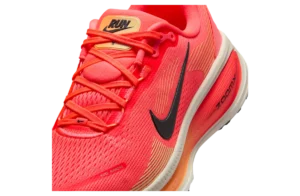
Athletic Performance Sneakers (Specific Sports Shoes): Designed for optimal performance in specific sports, these shoes are engineered with advanced materials and technologies. Whether running shoes, basketball sneakers, or specialized cross-trainers, their highly technical appearance—often featuring bold colors, intricate patterns, and specialized soles—means they are strictly for their intended purpose. Wearing high-performance athletic footwear with anything beyond athletic wear or very casual loungewear is a stylistic misstep. The panel emphasizes that while "sneaker culture" has blurred lines, the distinction between a fashion-oriented lifestyle sneaker and a purely performance-driven one remains critical for maintaining sartorial integrity. Industry data indicates that while the overall sneaker market is booming, specific performance categories remain distinct from the broader casual fashion segment.
Category 3: The Cautionary Tales – Fleeting Trends and Fashion Faux Pas
This category encompasses styles that, according to the experts, should be approached with extreme caution or avoided entirely. These are often driven by rapid, ephemeral trends, poor design choices, or a fundamental misunderstanding of appropriate formality.
-
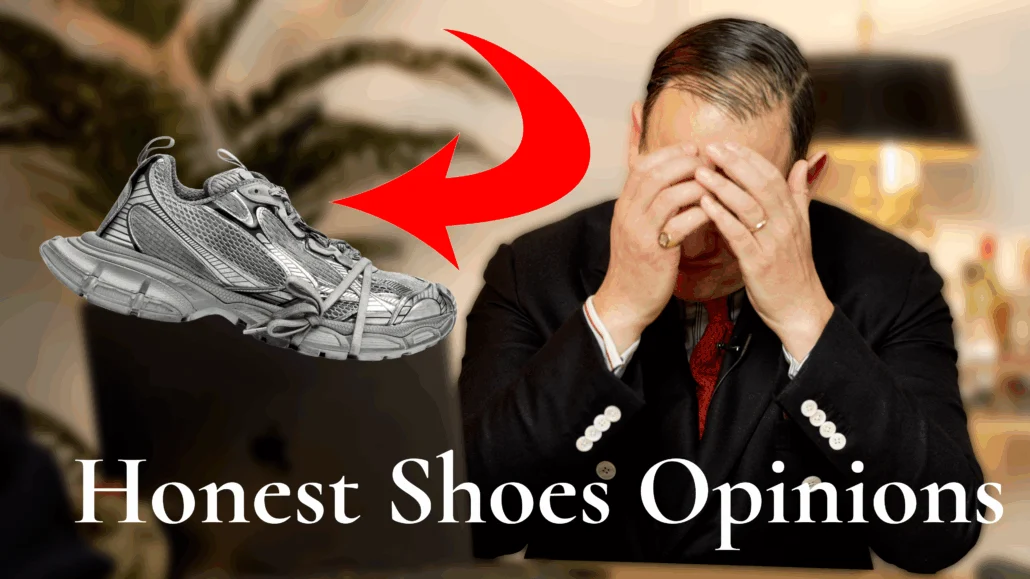
Overly Chunky/Exaggerated "Fashion" Sneakers (when inappropriately styled): While the oversized sneaker trend has dominated runways and street style for several seasons, the panel cautions against indiscriminate adoption, especially when paired with formal or semi-formal attire. Many designs are deliberately disproportionate, feature excessive branding, or are constructed with materials that lack durability, making them difficult to integrate harmoniously into a sophisticated wardrobe. When quality is lacking, or the design is too outlandish, these can quickly transition from a "statement piece" to a "garbage bin mistake," losing relevance as quickly as they gained it. The key lies in moderation, quality, and contextual awareness; a minimalist, high-quality fashion sneaker is distinct from an overly garish, fast-fashion interpretation designed for rapid obsolescence.
-
Poorly Constructed or Imitation Dress Shoes: The market is unfortunately saturated with inexpensive imitations of classic dress shoes, often made with synthetic materials, cemented construction, and poor finishing. These shoes lack the durability, comfort, and aesthetic integrity of their quality counterparts. The panel stresses that cheap shoes communicate a lack of attention