







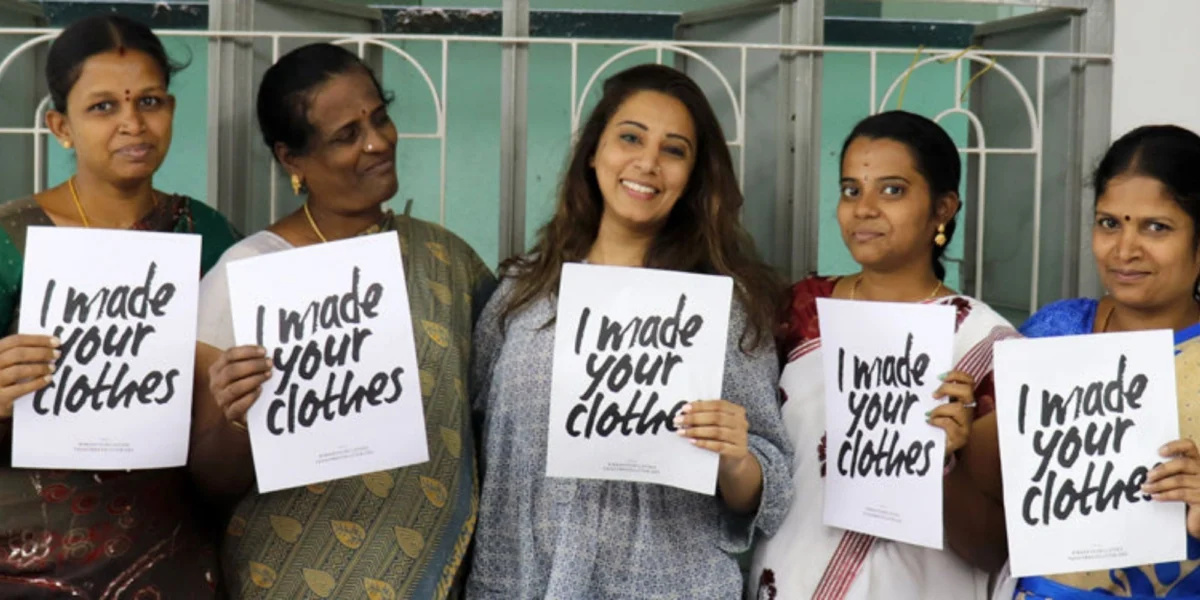
On International Women’s Day, a global celebration of the social, economic, cultural, and political achievements of women, the spotlight turns to innovative female entrepreneurs who are not only forging successful businesses but are also fundamentally challenging and transforming industries for the better. This year, Good On You, a leading authority in ethical brand ratings, is proud to highlight a curated selection of dynamic and responsible women-owned brands that have earned "Good" or "Great" ratings on its comprehensive directory. These pioneering companies represent a powerful counter-narrative to the pervasive issues within the conventional fashion industry, demonstrating how conscious leadership can drive both economic empowerment and environmental stewardship.
The prevailing model of fast fashion, characterized by rapid production cycles, low prices, and disposable trends, stands in stark opposition to principles of feminism and environmental sustainability. Since the 1980s, with the advent of globalization and increasingly interconnected supply chains, the majority of garments consumed in Western markets have been grown, sewn, and crafted in developing nations. In these regions, the garment workforce is overwhelmingly composed of women, often women of color, who face systemic exploitation and severe underpayment. Reports consistently reveal that these workers endure grueling hours, unsafe working conditions, and are frequently subjected to harassment and insults, all to produce clothing items that are often priced as low as a $10 top from a mass-market retailer like SHEIN, with an expected lifespan of barely a single season. The tragic collapse of the Rana Plaza factory in Bangladesh in 2013, which killed over 1,100 garment workers, predominantly women, served as a stark and horrifying illustration of the human cost embedded within the fast fashion supply chain. This disaster, among countless other documented abuses, underscored the urgent need for radical change within the industry. Studies by organizations like the International Labour Organization (ILO) have consistently highlighted the disproportionate impact of poor working conditions and low wages on women in the global garment industry, who make up an estimated 80% of the workforce. Their vulnerability is compounded by gender-based violence, lack of union representation, and inadequate access to healthcare.
Beyond the direct exploitation of labor, fast fashion perpetuates a broader anti-feminist agenda by promoting unrealistic beauty standards, which contribute to body image issues and fuel excessive consumption in pursuit of fleeting trends. The rapid churn of new collections—sometimes as many as 52 micro-seasons a year—creates immense pressure on consumers to constantly update their wardrobes, feeding into a cycle of dissatisfaction and waste. The vast profits generated by this model disproportionately line the pockets of predominantly male C-suite executives, further entrenching gender and economic inequalities at the top while exploiting labor at the bottom. Moreover, the environmental injustices associated with fast fashion are profound. The industry is a significant contributor to global pollution, from the vast quantities of water (an estimated 2,700 liters for a single cotton T-shirt) required for cotton cultivation and dyeing processes, to the release of microplastics from synthetic fabrics into oceans, and the sheer volume of textile waste ending up in landfills. It is estimated that the fashion industry accounts for up to 10% of global carbon emissions, more than international flights and maritime shipping combined. The environmental burden often falls most heavily on communities in developing countries, exacerbating existing inequalities and impacting the health and livelihoods of marginalized populations.
However, amidst this challenging landscape, a powerful movement for change is gathering momentum, led by an empowered community of entrepreneurial women. These visionary leaders are committed to reimagining the fashion industry through innovative and ethical approaches. Their brands are not merely offering products but are building transparent, equitable, and environmentally conscious businesses from the ground up. By prioritizing fair labor practices, sustainable materials, and circular design principles, they are demonstrating that profit does not have to come at the expense of people or the planet. Good On You’s rigorous ratings system plays a crucial role in identifying and promoting these exemplary brands, enabling consumers to make informed choices that align with their values. For those interested in delving deeper into the critical intersectionality between environmentalism and feminism—often termed "ecofeminism"—resources are increasingly available to explore how the exploitation of nature and the subjugation of women are interconnected systemic issues, and how their liberation must be pursued in tandem. These women are not just creating fashion; they are building a more just and