








Our editors curate highly rated brands that are first assessed by our rigorous ratings system. Buying through our links may earn us a commission—supporting the work we do. Learn more.
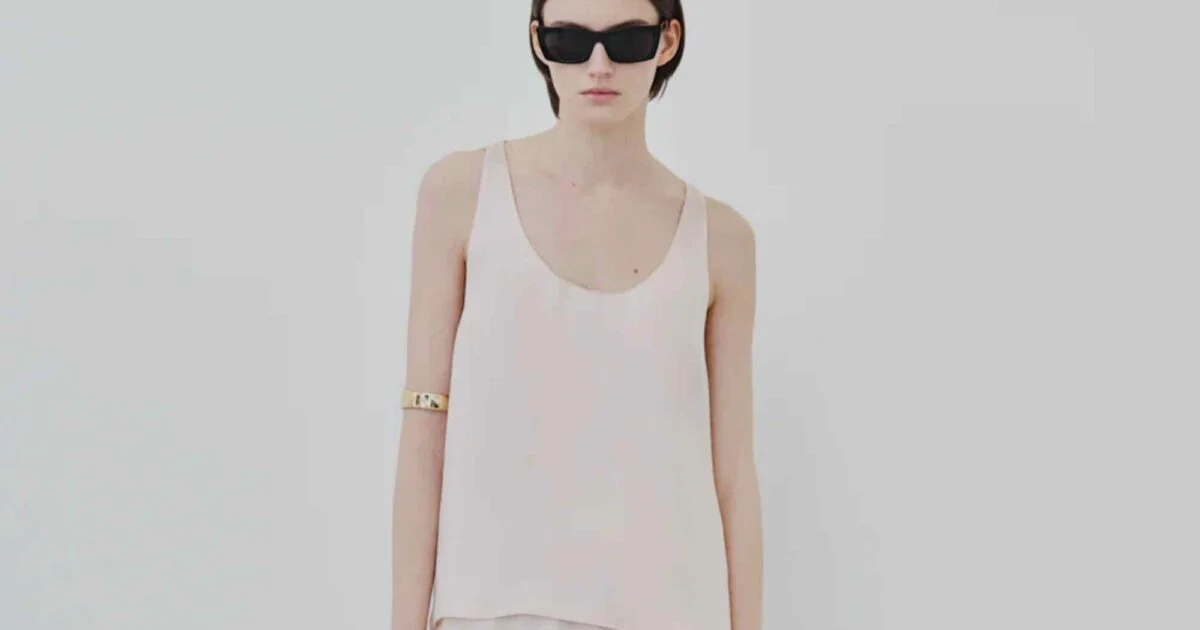
As Carolyn Bessette Kennedy’s iconic 1990s outfits trend once again, spurred by Netflix’s new series "Love Story," the fashion world is revisiting minimalism: the core of her style and a potent secret to more sustainable shopping and dressing. This aesthetic, characterized by its commitment to timeless, well-made items that seamlessly integrate into a cohesive wardrobe, emphasizes simplicity and a disciplined approach to colour and texture. Far from being a mere aesthetic preference, minimalist fashion is emerging as a critical response to the environmental and social challenges posed by the prevailing fast fashion industry. This article delves into the renewed relevance of minimalism, its stark contrast to mass consumption, and how individuals can cultivate a truly sustainable minimalist wardrobe, alongside highlighting leading brands committed to these principles.
The Enduring Appeal of ’90s Minimalism and Carolyn Bessette Kennedy
The recent spotlight on Carolyn Bessette Kennedy’s sartorial choices, particularly following the release of Netflix’s "Love Story," underscores the cyclical nature of fashion and the enduring power of classic style. Bessette Kennedy, the wife of John F. Kennedy Jr., became an unwitting style icon in the 1990s, her wardrobe a masterclass in understated elegance. She championed clean lines, sophisticated silhouettes, and a neutral colour palette, often opting for tailored trousers, crisp shirts, simple slip dresses, and well-cut coats. Her approach was not about chasing fleeting trends but investing in high-quality, versatile pieces that exuded quiet confidence and effortless chic. This deliberate simplicity, a stark contrast to the logo-heavy, maximalist trends of preceding decades, resonated deeply then and continues to inspire a new generation of fashion enthusiasts seeking authenticity and longevity in their clothing choices.
Her influence highlights a broader cultural yearning for clarity and intention in an increasingly chaotic world. Fashion experts note that Bessette Kennedy’s style wasn’t just about the clothes themselves, but the philosophy behind them: a rejection of excess in favour of considered choices and impeccable quality. This ethos is particularly pertinent today as consumers grapple with the consequences of rampant consumption.
Fast Fashion’s Crisis: A Catalyst for Change
The rise of minimalist fashion as a sustainable choice is inextricably linked to the escalating crisis of fast fashion. For decades, the industry has operated on a model of rapid production, low prices, and disposable trends, encouraging consumers to buy more, wear less, and discard quickly. The environmental and social ramifications of this model are staggering and well-documented.
- Environmental Devastation: The production of fast fashion relies heavily on resource-intensive processes. The cultivation of conventional cotton, for instance, requires vast amounts of water and pesticides, with an estimated 2,700 litres of water needed to produce a single cotton t-shirt. Synthetic materials like polyester, ubiquitous in fast fashion, are derived from fossil fuels, contributing to carbon emissions and shedding microplastics into waterways with every wash. The dyeing process also pollutes rivers and oceans with toxic chemicals. Furthermore, the sheer volume of clothes produced leads to immense waste. Reports indicate that over 80% of discarded textiles end up in landfills or are incinerated, contributing to greenhouse gas emissions and chemical leachate, with an estimated 92 million tons of textile waste generated globally each year.
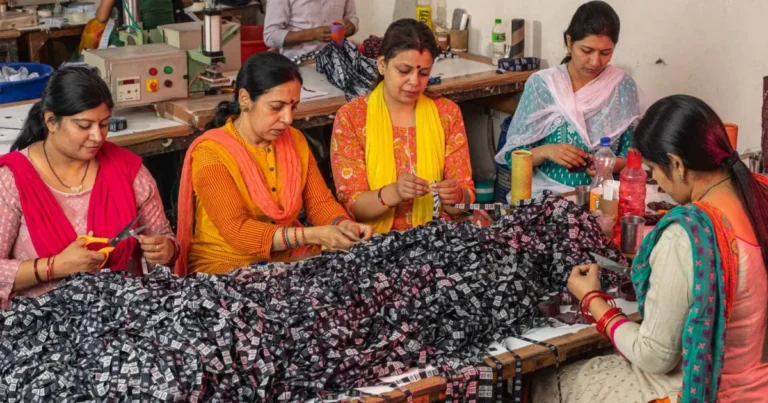
- Social Exploitation: The drive for ever-cheaper clothing places immense pressure on garment workers, predominantly women in developing countries. They often work long hours in unsafe conditions for exploitative wages that fall far below living wage standards. Tragedies like the Rana Plaza collapse in Bangladesh in 2013, which killed over 1,100 garment workers, starkly exposed the human cost of fast fashion’s pursuit of profit.
- Psychological Impact: Beyond the environmental and social costs, research, as highlighted by Business Insider, suggests that the relentless push of consumerism by advertisers can contribute to increased levels of anxiety and dissatisfaction. The constant cycle of new trends fosters a sense of inadequacy and a perpetual need for "more," undermining true contentment.
Platforms like Temu, SHEIN, and Alibaba have accelerated this consumption cycle, offering virtually unlimited choice at rock-bottom prices with swift delivery, further embedding a disposable mindset.
Minimalism: The Antidote to Consumption Culture
Minimalism, in stark contrast, offers a compelling antidote to this consumption-driven narrative. It is a philosophy that transcends mere aesthetics, advocating for a lifestyle rooted in intention, purpose, and valuing quality over quantity. In fashion, this translates to:
- Embracing Simplicity and Slowness: Minimalist fashion rejects the fleeting nature of trends. Instead, it champions enduring style, encouraging consumers to slow down their purchasing habits and invest in pieces designed to last.
- Curated Wardrobes: Rather than accumulating vast quantities of clothing, minimalist wardrobes are carefully curated. Each item is chosen for its versatility, quality, and ability to complement other pieces, ensuring maximum utility and minimizing waste.
- Conscious Consumption: At its heart, minimalist fashion is deeply anti-consumerist. It encourages individuals to question the need for new purchases, to appreciate what they already own, and to make well-informed decisions when new items are truly necessary. This involves opting for clothing made from better quality materials and designed for longevity, creating a wardrobe that transcends seasonal fads and remains relevant for decades.
The concept aligns with the principles championed by figures like Marie Kondo, whose tidying philosophy emphasizes keeping only items that "spark joy." While Kondo’s method focuses on decluttering, the underlying sentiment—valuing what you have and reducing excess—is deeply resonant with minimalist fashion. It’s about stripping back the unnecessary, leaving only the things that provide real value and utility.
How to Cultivate a Minimalist and Sustainable Wardrobe
Building a minimalist wardrobe is not about deprivation; it’s about liberation from the constant pressure to consume and the clutter that often accompanies it. It’s a journey of intention and discovery, leading to a more functional, stylish, and ethically sound collection of clothes.
- Define Your Personal Style: Before any purchases, understand what genuinely suits you and reflects your identity. Consider your lifestyle, preferred colours, silhouettes, and fabrics. This clarity prevents impulse buys and ensures every item serves a purpose.
- Declutter with Intention: Conduct a thorough wardrobe audit. Remove items that don’t fit, are damaged beyond repair, don’t make you feel good, or haven’t been worn in a significant period. Be ruthless but thoughtful, donating or repurposing items responsibly.
- Embrace a Neutral Palette (with intention): Minimalist fashion often features a core of neutral colours (black, white, grey, navy, beige) because they are inherently versatile and easy to mix and match. However, "neutral" can also be interpreted as a consistent, complementary palette of colours that work for you. The key is ensuring all items can be worn together to maximize outfit combinations.
- Prioritize Quality Over Quantity: Invest in fewer, higher-quality pieces made from durable, sustainable materials. While the upfront cost may be higher, these items will last longer, reduce the need for frequent replacements, and often come with better ethical production standards. Look for natural fibers like organic cotton, linen, hemp, TENCEL™, and responsibly sourced wool.
- Focus on Versatile Staples: Build your wardrobe around foundational pieces that can be dressed up or down and worn in multiple contexts. Examples include a classic white shirt, well-fitting jeans, a tailored blazer, a simple black dress, and comfortable, durable knitwear.
- Consider a Capsule Wardrobe Approach: A capsule wardrobe is a small collection of interchangeable clothing items that are carefully curated to create a large number of outfits. This method encourages thoughtful purchasing and creative styling.
- Practice Mindful Shopping: When you do need to buy something new, do your research. Look for brands that are transparent about their supply chains, use sustainable materials, and ensure fair labour practices. Consider secondhand options, rentals, or clothing swaps before buying new.
- Care for Your Clothes: Extend the life of your garments by following care instructions, repairing minor damages, and washing less frequently using cold water and eco-friendly detergents.
- Accessories as Statements: With a minimalist clothing base, accessories become powerful tools for expressing individuality and updating looks without needing an entirely new outfit.
Pioneers of Conscious Minimalism: Brands Leading the Way
The shift towards minimalist and sustainable fashion is supported by a growing number of brands dedicated to ethical production and timeless design. These companies embody the principles of quality, longevity, and environmental responsibility, offering consumers viable alternatives to fast fashion. Our editors curate highly rated brands that are first assessed by our rigorous ratings system, ensuring they meet robust standards for environmental, worker, and animal impacts. Here are some exemplary brands:
Akyn
Founded by sustainable fashion industry legend Amy Powney, Akyn makes contemporary and timeless womenswear using lower impact materials. Akyn’s commitment to thoughtful design and responsible sourcing positions it as a leader in the minimalist movement, offering pieces that are both stylish and conscientiously made.
See the rating.
Shop Akyn.
Dorsu
Based in Cambodia, Dorsu creates everyday basics and key signature favourites that form the core of any conscious wardrobe. The brand focuses on creating versatile pieces that are ethically produced, supporting local communities and fair labour practices. You can find the full range in XS-XL.
See the rating.
Shop Dorsu.
Colorful Standard
Colorful Standard is a Danish clothing brand that makes organic fashion essentials for men and women. The brand doesn’t care much for seasons or trends, instead, it creates timeless and long-lasting products to avoid the downward spiral that is over-consumption. Their vibrant yet classic pieces offer a minimalist approach with a playful twist. Find most items in sizes XS-2XL.
See the rating.
Shop Colorful Standard.
ASKET
ASKET has been creating timeless wardrobe essentials since 2015 with revolutionary sizing and fair pricing. The brand disregards seasonal collections, cuts out all the middlemen, and only sells directly to you—putting its entire focus on building a single permanent collection. This direct-to-consumer model enhances transparency and reduces waste. Find the range in sizes 2XS-2XL.
See the rating.
Shop ASKET.
JAN ‘N JUNE
JAN ‘N JUNE is a more sustainable, fair and transparent fashion label from Hamburg. Created by young female entrepreneurs who could not find what they were looking for and decided to make it themselves, this minimalistic, super stylish fair fashion label succeeds in being more sustainable and affordable at the same time. Find sizes XS-XL.
See the rating.
Shop JAN ‘N JUNE.
Shop JAN ‘N JUNE @ Earthkind.
Kalaurie
Stunning designs, beautifully made, to the highest standards—Kalaurie is one of those labels that gives you a rush of excitement when you first find it. This is a Melbourne, Australia brand that makes capsule collections, with an emphasis on signature shirt tailoring. There are many reasons to love Kalaurie, and it rates highly in all three categories (environmental, labour, animal welfare). The pieces are available in 2XS-2XL.
See the rating.
Shop Kalaurie.
ESSÄN
“I founded ESSÄN in 2016 as a response to a fashion cycle that overproduces more than it carefully crafts, chases trends more than it determines classics, and wastes more than it sustains,” says founder Marre Muijs. The shoes and accessories brand, which limits its production runs and uses low-waste cutting techniques, eschews the fashion calendar in favour of a single, permanent collection.
See the rating.
Shop ESSÄN.
Kowtow
Kowtow is a New Zealand brand that uses organic, fair trade cotton and non-toxic dyes to produce its clothes. It designs elegant, timeless womenswear, and also has a range of ceramics. Their commitment to ethical sourcing and minimalist design makes them a standout. Find the clothes in sizes XS-L.
See the rating.
Shop Kowtow.
The Summer House
The Summer House creates beautiful womenwear in India using locally made, lower-impact fabrics. It also partners with local artisans and NGOs to provide opportunities to those in the region. Look out for its elegant prints and flowing silhouettes, which bring a unique flair to minimalist principles. Find the range in sizes XS-XL.
See the rating.
Shop The Summer House.
HERTH
HERTH is an Italian lifestyle brand whose design philosophy combines sustainability and ethics with timeless aesthetics. It promotes slow fashion creating contemporary pieces characterised by clean silhouettes with meticulous attention to detail. Crafted by local Italian artisans with lower-impact materials, it embodies effortless luxury. Find the range in XS to 2XL.
See the rating.
Shop HERTH.
SANTICLER
SANTICLER is an US-based label that offers timeless collectors pieces curating modern silhouettes in womenswear. Founded by an early advocate of slow fashion and sustainability, its collections are designed and produced with intention to reduce waste, using more lower-impact materials such as GOTS-certified cotton and responsibly sourced wool. Find most items offered in sizes XS-L.
See the rating.
Shop SANTICLER.
POPLINEN
POPLINEN is an LA brand that specialises in more sustainably made basics using plant-based materials. They often run exclusive offers, like 15% off plant-based essentials for International Women’s Month, making sustainable fashion more accessible. Find items in sizes XS-L.
See the rating.
Shop POPLINEN.
Minimalist
Anchored in timeless design, Minimalist is a curated collection of women’s ready-to-wear pieces all made in New York and designed to be recycled at their end of life. It seeks to be part of the solution to make fashion more sustainable, using certified lower-impact materials and ensuring fair wage and work conditions in the local New York City factories it supports. Find it in sizes XS-L.
See the rating.
Shop Minimalist.
ReCreate
New Zealand brand ReCreate makes boutique clothing that transforms lives through fair employment, training, and empowerment. It uses lower-impact materials, including organic cotton, and incorporates textile offcuts to reduce waste, demonstrating a holistic approach to sustainability. Find most items in sizes XS-XL.
See the rating.
Shop ReCreate.
Proclaim
Los Angeles-based Proclaim makes beautiful bras, underwear, and basics from more responsible materials like recycled plastic bottles and TENCEL. Its designs come in three shades of “nude”, building inclusivity into the brand. It also ensures the people in its California factory earn a living wage, and visits suppliers regularly. Find the range in sizes S-3XL.
See the rating.
Shop Proclaim.
Neem
Hailing from the UK, Neem makes men’s clothing with a focus on ensuring a transparent supply chain and safeguarding our environment. Their commitment to sustainable practices for menswear fills an important niche in the conscious fashion market. Find most items in sizes S-2XL.
See the rating.
Shop Neem.
ISTO.
Portuguese brand ISTO.’s mandate is simple: create clothes to transcend the seasons and work as staple items in your wardrobe all year round. It has one single collection and pursues quality over quantity to try and make its items permanently available. It uses organic materials and is transparent in showing you the true cost of your clothes when you go to purchase a piece for your wardrobe. The range is available in XS-XL.
See the rating.
Shop ISTO..
Broader Implications: A Fundamental Shift in Consumer Values
The resurgence of minimalist aesthetics, coupled with a growing awareness of fast fashion’s detrimental impact, signals a broader shift in consumer values. This movement is not just about personal style but about a collective desire for greater transparency, ethics, and environmental responsibility from the brands we support. Industry experts suggest that while fast fashion will continue to exist, the demand for more sustainable and enduring alternatives is steadily rising, pushing even mainstream brands to re-evaluate their practices.
The implications of this shift are profound. For the fashion industry, it necessitates a move away from seasonal trends and towards more durable designs, slower production cycles, and investments in innovative, lower-impact materials and manufacturing processes. It also encourages the growth of the circular economy, with increasing interest in clothing rental, resale platforms, and repair services. For consumers, embracing minimalism offers not only a more sustainable wardrobe but also a reduction in decision fatigue, a clearer personal identity, and a deeper appreciation for the items they own. The quiet rebellion of minimalist fashion against the cacophony of consumerism offers a path to a more thoughtful and responsible way of dressing, proving that true style is indeed timeless and intrinsically linked to sustainability.
Editor’s note: Feature image via Herth, all other images via brands mentioned. Good On You publishes the world’s most comprehensive ratings of fashion brands’ impact on people, the planet, and animals. Use our directory to search thousands of rated brands.
We updated this article on 4 March 2026. Our editors frequently make updates to articles to ensure they’re up to date. We refreshed the copy and our round-up to ensure the products and brands are current.